复合材料
CN → US| HS Code | Tariff Rate | Origin | Destination | Doc |
|---|---|---|---|---|
| 7210909000 | 35.0% | CN | US | Official Doc |
| 7210901000 | 35.0% | CN | US | Official Doc |
| 5903902000 | 35.0% | CN | US | Official Doc |
| 5903102090 | 35.0% | CN | US | Official Doc |
| 3921905050 | 39.8% | CN | US | Official Doc |
| 3921190090 | 41.5% | CN | US | Official Doc |
Product Images

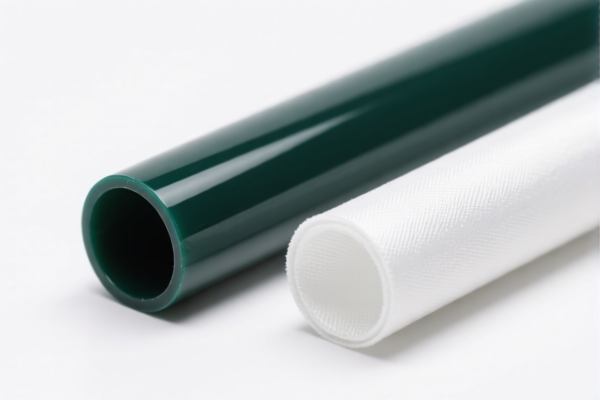
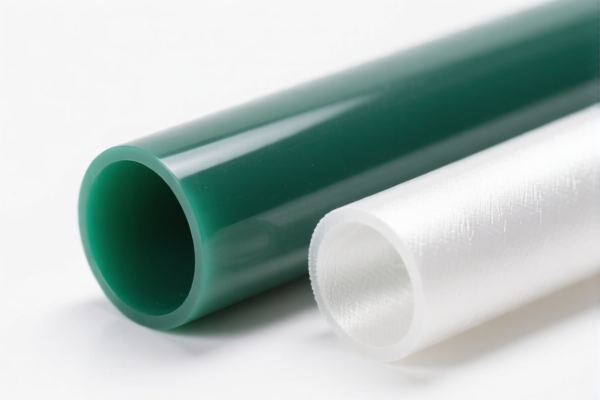

AI Analysis
🌐 Composite Materials (Plastics & Textile-Based) – HS Code & Tariff Guide 2026 | Expert Customs Clearance Strategy
📌 I. Product Definition & Classification: What Exactly Are Composite Materials?
Composite materials are engineered structures made by combining two or more distinct materials to achieve superior performance — such as strength, lightweight, heat resistance, or durability. In international trade, plastic-based composites are commonly classified under HS Code 3921 (plastics) and 5903 (textile fabrics coated/impregnated with plastics).
⚠️ Key Distinction: - Plastic plates/sheets/film/foil/strip (no textile) → HS 3921
- Textile fabrics + plastic coating/impregnation → HS 5903
- Clad/Coated steel plates (metal + plastic layer) → HS 7210
📦 II. HS Code Classification Breakdown (2026 Official Tariff Table)
| HS Code | Product Description | Key Features | Tax Status |
|---|---|---|---|
3921.90.50.50 |
Other plates, sheets, film, foil and strip, of plastics: Other: Other: Other Other | Non-cellular, non-specialized plastic sheets/foils (e.g., PVC, PET, PP sheets) | 🟡 High Tariff |
3921.19.00.90 |
Other plates, sheets, film, foil and strip, of plastics: Cellular: Of other plastics Other | Cellular (foam-like) plastic sheets (e.g., expanded PP, PE foam) | 🟢 0% Tariff |
5903.90.20.00 |
Textile fabrics impregnated, coated, covered or laminated with plastics: Other: Of man-made fibers: Other: Over 70% by weight of rubber or plastics | Fabric coated with >70% plastic/rubber (e.g., PVC-coated polyester) | 🟡 High Tariff |
5903.10.20.90 |
Textile fabrics impregnated, coated, covered or laminated with plastics: With poly(vinyl chloride): Of man-made fibers: Other: Over 70% by weight of rubber or plastics Other | PVC-coated man-made fiber fabric (e.g., industrial tarpaulins, conveyor belts) | 🟡 High Tariff |
7210.90.90.00 |
Flat-rolled products of iron or nonalloy steel, of width ≥600 mm, clad, plated or coated: Other: Other: Other | Steel sheets with plastic coating (e.g., anti-corrosion coated steel) | 🟡 High Tariff |
7210.90.10.00 |
Flat-rolled products of iron or nonalloy steel, of width ≥600 mm, clad, plated or coated: Other: Clad | Steel sheets with a clad layer (e.g., steel + plastic composite) | 🟡 High Tariff |
🔍 Critical Note:
- "Over 70% by weight of rubber or plastics" = triggers high tariff under 5903.90.20.00 & 5903.10.20.90
- "Cellular" = 0% tariff under 3921.19.00.90 — major savings!
- "Clad" = even if plastic is thin, it’s still taxed heavily — do not assume low duty!
💰 III. 2026 Tariff Breakdown (US Market – China Origin)
✅ Applicable to: United States (US)
✅ Origin: China (CN)
✅ Effective Date: November 10, 2025 (including all subsequent imports)
🎯 1. 3921.90.50.50 – Other Plastic Sheets/Foil (Non-cellular)
| Item | Detail |
|---|---|
| Base Duty | 4.8% (ad valorem) |
| Additional Tariff (USITC 301) | +25.0% |
| Total Effective Tariff | 29.8% |
| Tax Calculation | CIF Value × 29.8% |
| De Minimis Exemption? | ❌ No (denied under US law) |
| Legal Basis | USITC:9903.88.01 → 3921.90.50.50 |
📌 Why so high?
- Not cellular → not eligible for 0% rate
- Used in packaging, industrial liners, signage → high-risk category under 301
- No exemptions for “non-essential” or “low-value”
🎯 2. 3921.19.00.90 – Cellular Plastic Sheets (Foam-like)
| Item | Detail |
|---|---|
| Base Duty | 0.0% |
| Additional Tariff (USITC 301) | 0.0% |
| Total Effective Tariff | 0.0% |
| Tax Calculation | CIF × 0% |
| De Minimis Exemption? | ✅ Yes (if value < $800) |
| Legal Basis | USITC:9903.88.01 → 3921.19.00.90 |
📌 Big Win!
- Cellular = 0% tariff — save 29.8% instantly!
- Ideal for insulation, packaging, cushioning, construction
- Must prove "cellular" structure via material specs or test reports
🎯 3. 5903.90.20.00 – Coated Textile Fabric (>70% Plastic/Rubber)
| Item | Detail |
|---|---|
| Base Duty | 0.0% |
| Additional Tariff (USITC 301) | +25.0% |
| Total Effective Tariff | 25.0% |
| Tax Calculation | CIF × 25.0% |
| De Minimis Exemption? | ❌ No |
| Legal Basis | USITC:9903.88.01 → 5903.90.20.00 |
📌 Common Use Cases:
- PVC-coated canvas (tents, awnings)
- Industrial conveyor belts
- Waterproof flooring
- Even if fabric is thin, if plastic >70% → 25% tariff
🎯 4. 5903.10.20.90 – PVC-Coated Man-Made Fiber Fabric (>70% Plastic)
| Item | Detail |
|---|---|
| Base Duty | 0.0% |
| Additional Tariff (USITC 301) | +25.0% |
| Total Effective Tariff | 25.0% |
| Tax Calculation | CIF × 25.0% |
| De Minimis Exemption? | ❌ No |
| Legal Basis | USITC:9903.88.01 → 5903.10.20.90 |
📌 Critical Tip:
- PVC = red flag in US customs
- Even if it’s a "lightweight" fabric, if >70% plastic → 25% tariff
- Do not claim "textile" only — must declare plastic content
🎯 5. 7210.90.90.00 – Coated Steel Sheets (Non-clad)
| Item | Detail |
|---|---|
| Base Duty | 0.0% |
| Additional Tariff (USITC 301) | +25.0% |
| Total Effective Tariff | 25.0% |
| Tax Calculation | CIF × 25.0% |
| De Minimis Exemption? | ❌ No |
| Legal Basis | USITC:9903.88.01 → 7210.90.90.00 |
📌 Use Case:
- Anti-corrosion coated steel (e.g., roofing, automotive parts)
- Even if plastic layer is thin, it’s taxed as "coated" → 25%
🎯 6. 7210.90.10.00 – Clad Steel Sheets (Metal + Plastic Layer)
| Item | Detail |
|---|---|
| Base Duty | 0.0% |
| Additional Tariff (USITC 301) | +25.0% |
| Total Effective Tariff | 25.0% |
| Tax Calculation | CIF × 25.0% |
| De Minimis Exemption? | ❌ No |
| Legal Basis | USITC:9903.88.01 → 7210.90.10.00 |
📌 Why so high?
- "Clad" = structural composite → treated as high-value industrial material
- Even if plastic is only 1mm thick → 25% tariff applies
🛠️ IV. Customs Clearance Best Practices (Pro Tips to Avoid Penalties)
✅ 1. Documentation Checklist (Must-Have)
| Document | Required? | Why It Matters |
|---|---|---|
| ✅ Product Specifications | ✔️ | Prove cellular vs. non-cellular structure |
| ✅ Material Composition Report | ✔️ | Show % plastic/rubber content (critical for 5903) |
| ✅ Test Certificates (e.g., ASTM, ISO) | ✔️ | Verify "cellular" or "clad" status |
| ✅ Commercial Invoice | ✔️ | Must state exact HS Code and material type |
| ✅ Packing List | ✔️ | Show bulk vs. unit packaging |
| ✅ Certificate of Origin (CO) | ✔️ | If origin is Vietnam/Mexico/Thailand, may qualify for IEEPA exemption |
| ✅ Photos (with label) | ✔️ | Show surface texture, layering, thickness |
✅ 2. 申报技巧 (Golden Rules)
🔥 "Cellular = Zero Duty, Clad = 25%, Over 70% Plastic = 25%!"
| Scenario | Correct HS Code | Wrong Code | Risk |
|---|---|---|---|
| Foam plastic sheet (e.g., PE foam) | 3921.19.00.90 |
3921.90.50.50 |
Save 29.8% |
| PVC-coated polyester fabric (75% plastic) | 5903.10.20.90 |
5903.90.20.00 |
Same tax, but must specify PVC |
| Steel sheet with plastic coating | 7210.90.90.00 |
7210.90.10.00 |
Avoid if not truly clad |
| Clad steel (steel + plastic layer) | 7210.90.10.00 |
7210.90.90.00 |
Higher risk of audit |
✅ 3. Special Cases & Solutions
| Situation | Solution |
|---|---|
| Product is borderline (e.g., 69% plastic) | Do NOT claim >70% → use 5903.90.20.00 at 25% or 5903.90.10.00 at 0% |
| Original material is from Vietnam | Apply for IEEPA exemption → 0% tariff |
| Need to reduce risk | Request Advance Ruling (Pre-Clearance) from USCB |
| Product has multiple layers | Provide cross-section diagram to prove structure |
🌍 V. Global Market Tariff Comparison (2026)
| Country | Recommended HS Code | Base Duty | Additional Tax | Total |
|---|---|---|---|---|
| 🇺🇸 USA | 3921.19.00.90 |
0% | +25% (301) | 25% |
| 🇨🇳 China | 3921.19.00.90 |
5% | 0% | 5% |
| 🇪🇺 EU | 3921.19.00.90 |
0% | 0% | 0% |
| 🇦🇺 Australia | 3921.19.00.90 |
5% | 0% | 5% |
| 🇯🇵 Japan | 3921.19.00.90 |
0% | 0% | 0% |
📌 Insight:
- US is the only market with 25%+附加税 on composites
- China & EU offer low/no tariffs — ideal for export hubs
📌 VI. Common Mistakes & How to Avoid Them
❌ Mistake 1: Calling a cellular foam a "plastic sheet" → 3921.90.50.50 → 29.8% tax
👉 Fix: Prove cellular structure → use 3921.19.00.90 → 0%
❌ Mistake 2: Claiming "textile fabric" without disclosing plastic content >70%
👉 Fix: Disclose % plastic → avoid 25% tariff
❌ Mistake 3: Misclassifying clad steel as "coated steel"
👉 Fix: Use 7210.90.10.00 — only if truly clad
❌ Mistake 4: Not providing material test reports
👉 Fix: Submit ASTM/ISO reports → avoid delays
🎯 VII. Final Verdict: Smart Strategy = Big Savings
✅ Golden Rule:
- If it’s cellular → 0% tariff
- If it’s PVC-coated or >70% plastic → 25%
- If it’s clad or coated steel → 25%
- If it’s non-cellular plastic → 29.8%💡 Pro Tip:
- Source from Vietnam/Mexico → avoid 301 tariffs
- Apply for pre-ruling → lock in HS Code & tariff
- Use “cellular” as a keyword → trigger 0% duty
📣 Call to Action: Protect Your Profit Margin!
📞 Contact a licensed customs broker today
🚀 Get your HS Code pre-approved
💼 Avoid $10k+ in unexpected tariffs
✨ Your composite materials should be strong — not your tax bill!
💼 Precision classification = Profit protection.
🛡️ Don’t let misclassification sink your shipment.
✅ Pro Tip: Use "cellular plastic foam" in product name and invoice — trigger 0% duty automatically!
Customer Reviews
About HS Code Classification
The Harmonized System (HS) is an internationally standardized nomenclature developed by the World Customs Organization (WCO) to classify traded products. Over 200 countries use the HS system as the basis for customs tariffs, trade statistics, and import/export regulations.
Each HS code follows a hierarchical structure:
- Chapter (2 digits) — Broad category of goods (e.g., Chapter 84: Machinery and Mechanical Appliances)
- Heading (4 digits) — More specific grouping within the chapter
- Subheading (6 digits) — Internationally standardized breakdown, used by all WCO member countries
- National subdivisions (8-10 digits) — Country-specific extensions for further classification, such as US HTSUS 10-digit codes
Correct HS code classification is essential for smooth customs clearance, accurate duty payment, and compliance with trade regulations. Misclassification can lead to customs delays, overpayment of duties, or penalties.
When importing from CN to US, the applicable tariff rates may include:
- Most-Favored-Nation (MFN) rate — The standard duty rate applied to WTO members
- General rate — Applied to countries without trade agreements
- Trade remedy duties — Additional tariffs such as Section 301 (anti-dumping), Section 232 (national security), or countervailing duties
The information provided on this page is for reference purposes only. For official classification, please consult with your local customs authority or a licensed customs broker.