夏季风格服装
CN → US| HS Code | Tariff Rate | Origin | Destination | Doc |
|---|---|---|---|---|
| 6104622030 | 32.4% | CN | US | Official Doc |
| 6109100040 | 34.0% | CN | US | Official Doc |
| 6109100012 | 34.0% | CN | US | Official Doc |
Product Images
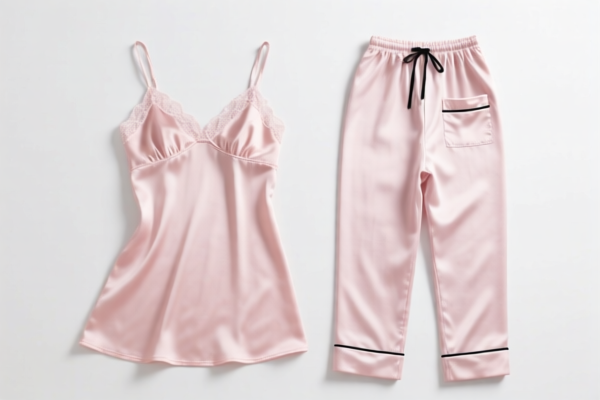
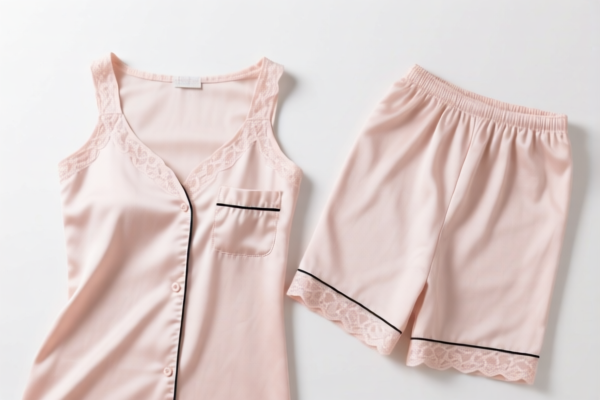
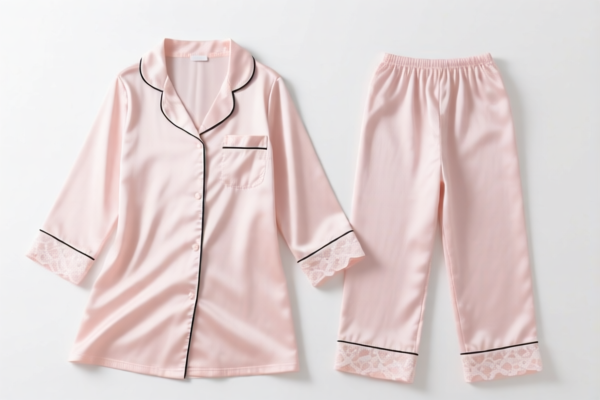
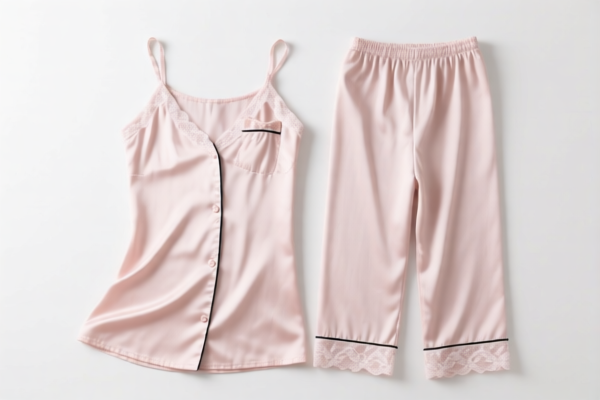
AI Analysis
👗 Summer Fashion Apparel (Men's/Women's Knit & Woven Garments)
🌐 HS Code Reference & Customs Clearance Guide | 2026 Latest Tariff Analysis | Professional Strategy for US Imports
📌 Part I: Product Definition & Classification: Are You Sure You Know “Summer Apparel”?
Summer apparel, broadly categorized under Chapter 61 (Articles of Apparel and Clothing Accessories, Knitted or Crocheted) and Chapter 62 (Articles of Apparel and Clothing Accessories, Not Knitted or Crocheted), covers a wide range of ready-to-wear garments. In international trade, classification depends heavily on fabric material (e.g., Cotton, Synthetic), construction method (Knitted vs. Woven), and garment type (T-shirts, Pants, Shorts).
Key Distinction: - T-shirts/Tops (e.g., 6109): Generally have a lower base tariff but are subject to significant additional duties. - Bottoms/Pants/Shorts (e.g., 6104): Often have different base rates but are similarly affected by trade wars.
⚠️ Critical Note:
- All items listed below are China-origin imports to the USA. - All items are subject to Section 301 tariffs and Section 122 tariffs. - De Minimis (800.32a) exemptions are DENIED.
📦 Part II: HS Code Classification Details (2026 Latest Tariff Authority Comparison)
Based on the provided data, we analyze two main categories: Tops (T-shirts) and Bottoms (Pants/Shorts).
| HS Code | Product Description | Category | Material Inference | Garment Type |
|---|---|---|---|---|
6104.62.20.30 |
Women’s/Girls’ Trousers, Trousers, Breeches and Shorts, Of Cotton, Knitted or Crocheted | Bottoms | Cotton (Inferred) | Pants, Shorts |
6109.10.00.40 |
T-shirts, Singlets and Other Vest, Of Cotton, Knitted or Crocheted | Tops | Cotton (Inferred) | T-shirts, Vests |
6109.10.00.12 |
T-shirts, Singlets and Other Vest, Of Cotton, Knitted or Crocheted (Other) | Tops | Cotton (Inferred) | T-shirts, Vests |
🔍 Key Insight:
-6104.62...refers to knitted cotton bottoms (pants/shorts).
-6109.10...refers to knitted cotton tops (T-shirts/vests).
- The suffix digits (.30,.40,.12) often denote specific manufacturing origins or sub-classifications within the US HTSUS, but the core duty structure remains similar due to the "China Penalty."
💰 Part III: 2026 Latest Tariff Rate Breakdown (Including Additional Duties & Policy Surcharges)
✅ Applicable Country: United States (US)
✅ Country of Origin: China (CN)
✅ Effective Date: Current trade war policies (Section 301 & Section 122)
🎯 1. 6104.62.20.30 — Cotton Pants/Shorts (Knitted)
| Item | Detail |
|---|---|
| Base Tariff | 14.9% (Standard MFN Rate for Cotton Pants) |
| Section 301 Surcharge | +7.5% (Part of the ongoing trade dispute levies) |
| Section 122 Surcharge | +10.0% (Specific surcharge on certain Chinese goods) |
| Total Tax Rate | 32.4% |
| Tax Calculation | CIF Value × 32.4% |
| De Minimis Exemption | ❌ DENIED (deny_de_minimis: True) |
| Legal Path | USITC:6104.62.20.30 → SECTION_301:7.5% → SECTION_122:10% |
📌 Explanation:
- The 14.9% is the standard duty for cotton knit bottoms.
- The 7.5% and 10% are punitive tariffs added on top.
- Total 32.4% significantly impacts profit margins. Do not underestimate this cost.
🎯 2. 6109.10.00.40 — Cotton T-shirts/Vests (Knitted)
| Item | Detail |
|---|---|
| Base Tariff | 16.5% (Standard MFN Rate for Cotton T-shirts) |
| Section 301 Surcharge | +7.5% |
| Section 122 Surcharge | +10.0% |
| Total Tax Rate | 34.0% |
| Tax Calculation | CIF Value × 34.0% |
| De Minimis Exemption | ❌ DENIED (deny_de_minimis: True) |
| Legal Path | USITC:6109.10.00.40 → SECTION_301:7.5% → SECTION_122:10% |
📌 Explanation:
- T-shirts have a slightly higher base rate (16.5%) than pants (14.9%).
- Combined with the same surcharges, the total rate is 34.0%, which is higher than pants.
- High-value cotton T-shirts from China are expensive to import.
🎯 3. 6109.10.00.12 — Other Cotton T-shirts/Vests (Knitted)
| Item | Detail |
|---|---|
| Base Tariff | 16.5% |
| Section 301 Surcharge | +7.5% |
| Section 122 Surcharge | +10.0% |
| Total Tax Rate | 34.0% |
| Tax Calculation | CIF Value × 34.0% |
| De Minimis Exemption | ❌ DENIED (deny_de_minimis: True) |
| Legal Path | USITC:6109.10.00.12 → SECTION_301:7.5% → SECTION_122:10% |
📌 Explanation:
- This code is for other types of cotton knit tops not specified in.40.
- The tax structure is identical to.40.
- Classification accuracy between.40and.12matters for statistical reporting but not for tax savings.
🛠️ Part IV: Customs Clearance Practical Advice (Actionable Pitfall Guide)
✅ 1. Documentation Checklist (Non-negotiable)
| Document | Required? | Note |
|---|---|---|
| ✅ Commercial Invoice | ✔️ | Must clearly state "Cotton," "Knitted," and "T-shirt/Pants." |
| ✅ Packing List | ✔️ | Include quantity, weight, and package dimensions. |
| ✅ Labeling/Marking | ✔️ | Garments must have Fiber Content (e.g., 100% Cotton) and Country of Origin ("Made in China") sewn into the item. |
| ✅ Fabric Swatch/Spec Sheet | ✔️ | Critical for proving "Knitted" vs. "Woven" and "Cotton" vs. "Synthetic." Misclassification can lead to penalties. |
| ✅ Bill of Lading/Air Waybill | ✔️ | Standard shipping document. |
📌 Key Tip:
- Fiber Content is King: If you declare "Polyester" but it is "Cotton," customs will reclassify and charge higher duties + penalties. - Knitted vs. Woven: Ensure your description matches the fabric construction.61xxis Knitted/Crocheted.62xxis Woven. Using the wrong chapter is a common error.
✅ 2. Declaration Strategy (Key Mnemonic)
🔥 "Cotton Knit Tops: 34% | Cotton Knit Pants: 32.4% | No De Minimis!"
| Scenario | Correct HS Code | Risk |
|---|---|---|
| Cotton T-shirt (Knitted) | 6109.10.00.40 or .12 |
High Base Duty (16.5%) + Surcharges |
| Cotton Pants/Shorts (Knitted) | 6104.62.20.30 |
Lower Base Duty (14.9%) but still High Total |
| Woven Cotton Shirt | 6205.20... (Not in Data) |
Different Base Rate, Still Surcharges Apply |
| Synthetic T-shirt | 6109.90... (Not in Data) |
Different Base Rate, Still Surcharges Apply |
⚠️ Warning:
- Do NOT try to use the $800 De Minimis exemption for these items. They are explicitly excluded (deny_de_minimis: true). - Do NOT mislabel as "Sample" or "Gift" to avoid duties. Customs audits are strict on fiber content and origin.
✅ 3. Special Case Handling
| Situation | Recommendation |
|---|---|
| Mixed Materials | If the garment is 51% Cotton + 49% Polyester, it is still classified under Cotton rules. Be precise. |
| OEM/Private Label | Provide design approval and manufacturing contracts to prove origin and avoid anti-dumping inquiries. |
| High Volume Import | Consider applying for an Advance Ruling to confirm the specific sub-code (.30 vs .40 vs .12) and ensure smooth clearance. |
| Supply Chain Diversification | Given the 32.4%-34.0% total tax burden, strongly consider shifting production to Vietnam, Bangladesh, or India to avoid Section 301/122 tariffs entirely. |
🌍 Part V: Global Market Comparison (2026 Latest)
| Country/Region | Recommended HS Code | Total Tax (China Origin) | Notes |
|---|---|---|---|
| 🇺🇸 USA | 6109.10.00.40 / 6104.62.20.30 |
32.4% - 34.0% | High punitive tariffs; no de minimis. |
| 🇨🇳 China | Same HS Codes | 0% - 9% (Import Duty) | Lower duties, but focus is on export. |
| 🇪🇺 EU | Same HS Codes | 12% - 15% | No Section 301/122, but high standard duties. |
| 🇬🇧 UK | Same HS Codes | 12% - 15% | Similar to EU post-Brexit. |
| 🇨🇦 Canada | Same HS Codes | 17% - 18% | High duties, but stable. |
📌 Conclusion:
- The USA is the most expensive market for Chinese summer apparel due to additional punitive tariffs.
- For the US market, cost optimization is critical. Consider product redesign (e.g., switching to non-cotton materials if possible, though base rates may vary) or sourcing from non-China countries.
📌 Part VI: Common Mistakes & Pitfalls (Lessons Learned)
❌ Mistake 1: Declaring "Synthetic" T-shirts when they are Cotton
👉 Consequence: Reclassification to Cotton code → Higher Base Duty (16.5% vs ~13% for synthetic) + Penalties.
❌ Mistake 2: Ignoring "Knitted" vs. "Woven"
👉 Consequence: Wrong Chapter (61 vs 62) → Shipment held at customs for classification review → Delay & Storage Fees.
❌ Mistake 3: Assuming De Minimis Applies
👉 Consequence: Customs seizes small packages → Fines + Legal Action.
❌ Mistake 4: Not Specifying "Cotton" on Invoice
👉 Consequence: Customs assigns highest duty rate for "Other Textiles" → Overpayment + Audit Risk.
✅ Correct Approach:
"100% Cotton, Knitted, T-shirt, Made in China, HS 6109.10.00.40, CIF Value $X, Duty $Y"
🎯 Part VII: Conclusion: Precision in Classification Saves Money!
🎯 Remember the Mantra:
🔹 "Cotton Knit Tops: 34% | Pants: 32.4% | No De Minimis!"
🔹 "Base Duty + Section 301 (7.5%) + Section 122 (10%) = Total Tax"
🔹 "Accurate Fiber Content is the Key to Avoiding Penalties"
📌 Pro Tip:
If your profit margin is less than 40%, importing Chinese summer apparel to the US with these tariffs is highly risky.
- Action: Calculate landed cost before ordering.
- Action: Explore Vietnam or Bangladesh sourcing for US-bound goods to avoid Section 301/122 tariffs.
📣 Immediate Action:
📞 Consult a licensed customs broker to verify the specific sub-code (
.30,.40, or.12) for your exact product.
🚀 Plan your supply chain strategically to mitigate the 32-34% tax burden.
✨ Professional Clearance Starts with Accurate Classification!
💼 Every Percent of Tax Saved is Pure Profit!
Customer Reviews
About HS Code Classification
The Harmonized System (HS) is an internationally standardized nomenclature developed by the World Customs Organization (WCO) to classify traded products. Over 200 countries use the HS system as the basis for customs tariffs, trade statistics, and import/export regulations.
Each HS code follows a hierarchical structure:
- Chapter (2 digits) — Broad category of goods (e.g., Chapter 84: Machinery and Mechanical Appliances)
- Heading (4 digits) — More specific grouping within the chapter
- Subheading (6 digits) — Internationally standardized breakdown, used by all WCO member countries
- National subdivisions (8-10 digits) — Country-specific extensions for further classification, such as US HTSUS 10-digit codes
Correct HS code classification is essential for smooth customs clearance, accurate duty payment, and compliance with trade regulations. Misclassification can lead to customs delays, overpayment of duties, or penalties.
When importing from CN to US, the applicable tariff rates may include:
- Most-Favored-Nation (MFN) rate — The standard duty rate applied to WTO members
- General rate — Applied to countries without trade agreements
- Trade remedy duties — Additional tariffs such as Section 301 (anti-dumping), Section 232 (national security), or countervailing duties
The information provided on this page is for reference purposes only. For official classification, please consult with your local customs authority or a licensed customs broker.