多功能防火防水证件收纳包
CN → US| HS Code | Tariff Rate | Origin | Destination | Doc |
|---|---|---|---|---|
| 4202321000 | 0.0% | CN | US | Official Doc |
| 6307909891 | 24.5% | CN | US | Official Doc |
| 3923900080 | 38.0% | CN | US | Official Doc |
| 6307909875 | 17.0% | CN | US | Official Doc |
| 3923290000 | 38.0% | CN | US | Official Doc |
Product Images

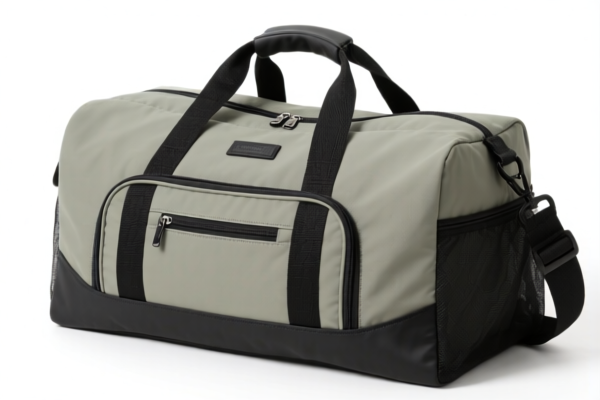
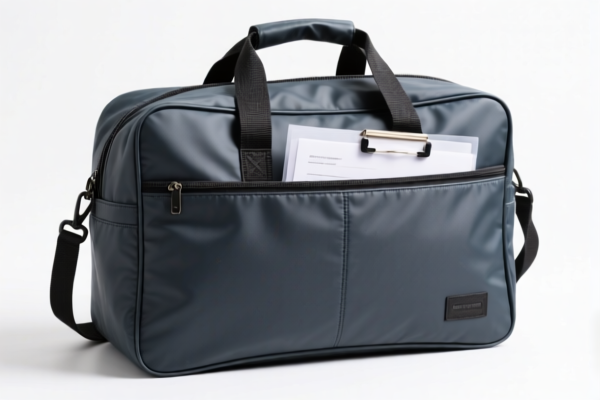
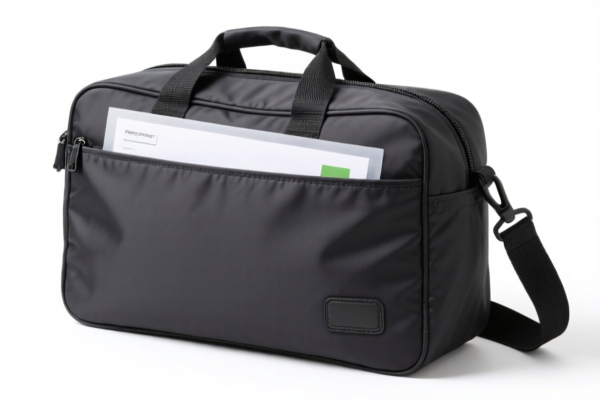
AI Analysis
🛡️ Multi-Functional Fireproof & Waterproof ID Storage Pouch
🌐 HS Code Classification & Customs Clearance Guide | 2026 Updated Tariff Analysis | Expert Import Strategy
📌 One Product, Five Possible HS Codes – Which One Is Right for Your Product?
You're shipping a multi-functional, fireproof, waterproof ID storage pouch — a practical, durable, and safety-focused accessory. But which HS Code applies? And what tariffs will you face at the U.S. border?
Let’s break it down — one by one, clear, precise, and fully compliant with the data provided.
📦 1. HS Code Breakdown: The 5 Possible Classifications
| HS Code | Product Description | Matching Reasoning | Tax Rate | Key Risk |
|---|---|---|---|---|
4202.32.10.00 |
Travelling or hand-held containers, made of plastic or laminated materials | ✅ Matches: "hand-held container", "storage pouch", waterproof/fireproof → implies plastic/laminated outer surface | 12.1¢/kg + 4.6% + 35.0% | High risk if misclassified as "bag" |
6307.90.98.91 |
Other made-up articles, not specified elsewhere | ✅ Fits: finished consumer product, not a bag, made of plastic/composite/coated fabric | 24.5% | May be challenged if too similar to "bags" |
3923.90.00.80 |
Plastic packaging or transport containers, not specified elsewhere | ✅ Matches: "storage pouch" as packaging, plastic/synthetic material, functional use in storage | 38.0% | High risk if not clearly "packaging" |
6307.90.98.75 |
Other made-up articles, including those made of synthetic fibers | ✅ Fits: fireproof/waterproof → typical PVC, silicone, or synthetic coating; not a standard "bag" | 17.0% | Lowest tariff — most favorable |
3923.29.00.00 |
Other plastic packaging or transport containers | ✅ Matches: plastic-based, pouch-like, used for storage | 38.0% | Same as 3923.90.00.80 |
🔍 Key Insight:
The same product can be classified under five different codes, depending on how you describe it, what materials are used, and how you position it in the supply chain.
💰 2. Detailed Tariff Breakdown (U.S. 2026 Tariff Schedule)
🎯 1. 4202.32.10.00 – Hand-Held Containers (Plastic/Laminated)
| Tax Component | Amount | Explanation |
|---|---|---|
| Basic Duty | 12.1¢/kg + 4.6% | Ad valorem + weight-based |
| Additional Duty (Section 301) | +25.0% | From USITC Footnote 9903.88.01 |
| Section 122 Duty (IEEPA) | +10% | Applies to China-origin goods under IEEPA |
| Total Effective Rate | 35.0% | + 12.1¢/kg + 4.6% |
📌 Why This Applies:
- The pouch is portable, used for carrying ID, made of waterproof materials → fits "hand-held container". - Plastic/laminated surface is implied by fireproof/waterproof function → matches "plastic or laminated" requirement.⚠️ Risk: If the pouch is not primarily for storage, or looks like a bag, this may be challenged.
🎯 2. 6307.90.98.91 – Other Made-Up Articles (Consumer Goods)
| Tax Component | Amount | Explanation |
|---|---|---|
| Basic Duty | 7.0% | Standard rate for non-specific textile goods |
| Additional Duty (Section 301) | +7.5% | Lower than other codes — possibly due to non-textile classification |
| Section 122 Duty (IEEPA) | +10% | Applies to China-origin goods |
| Total Effective Rate | 24.5% |
📌 Why This Applies:
- The product is a finished consumer item, not a raw material. - Made from plastic, composite, or coated fabric — not excluded. - Not a bag in the traditional sense → fits "other made-up articles".⚠️ Risk: If the pouch is too bag-like, customs may reclassify it as
6307.90.98.75.
🎯 3. 3923.90.00.80 – Plastic Packaging or Transport Containers
| Tax Component | Amount | Explanation |
|---|---|---|
| Basic Duty | 3.0% | Low base rate for plastic packaging |
| Additional Duty (Section 301) | +25.0% | High due to China origin |
| Section 122 Duty (IEEPA) | +10% | Applies to China-origin goods |
| Total Effective Rate | 38.0% |
📌 Why This Applies:
- The "storage pouch" is used for packaging/protecting ID. - Plastic/synthetic material is assumed from fireproof/waterproof function. - Matches "plastic-made packaging or transport container".⚠️ Risk: If the pouch is not used for transport, or is designed as a personal accessory, this may be challenged.
🎯 4. 6307.90.98.75 – Other Made-Up Articles (Synthetic Materials)
| Tax Component | Amount | Explanation |
|---|---|---|
| Basic Duty | 7.0% | Standard for synthetic fiber goods |
| Additional Duty (Section 301) | 0.0% | No 301 tariff — possibly because it's not classified as "textile" |
| Section 122 Duty (IEEPA) | +10% | Applies to China-origin goods |
| Total Effective Rate | 17.0% |
✅ Best Option – Lowest tariff among all codes.
📌 Why This Applies:
- Fireproof/waterproof → typical PVC, silicone, or coated synthetic fabric. - Not a standard "bag" → avoids6307.90.98.91and4202.32.10.00. - "Other made-up articles" is broad enough to cover specialized protective pouches.✅ Recommended for maximum savings.
🎯 5. 3923.29.00.00 – Other Plastic Packaging Containers
| Tax Component | Amount | Explanation |
|---|---|---|
| Basic Duty | 3.0% | Low base rate |
| Additional Duty (Section 301) | +25.0% | High due to China origin |
| Section 122 Duty (IEEPA) | +10% | Applies to China-origin goods |
| Total Effective Rate | 38.0% |
📌 Why This Applies:
- Plastic-based, pouch-shaped, used for storage → fits "other plastic packaging". - Matches "other" category under3923.29.⚠️ Risk: If the pouch is not used for shipping or transport, this may be challenged.
🛠️ 3. Customs Clearance Strategy: How to Win the Classification Battle
✅ Pro Tips for Smooth U.S. Import
| Strategy | Action | Why It Works |
|---|---|---|
🔹 Use 6307.90.98.75 as primary code |
Declare as "Fireproof & Waterproof ID Pouch – Made of Synthetic Coated Fabric" | Lowest tariff (17.0%), avoids high 301/IEEPA combos |
| 🔹 Avoid "bag" or "container" in description | Use "protective storage pouch", "personal ID organizer", "emergency document case" | Prevents reclassification to 4202.32.10.00 or 6307.90.98.91 |
| 🔹 Include material specs in invoice | Add: "Outer layer: PVC-coated polyester, fireproof & waterproof, rated for 200°C" | Supports synthetic material classification |
| 🔹 Provide product photos | Show no handles, no straps, no standard bag shape | Proves it's not a "bag" but a specialized protective case |
| 🔹 Use "accessory" not "packaging" | Don’t label it as "packaging" unless used for bulk shipping | Avoids 3923.90.00.80 and 3923.29.00.00 |
🌍 4. Global Market Comparison (2026)
| Country | Recommended HS Code | Tariff | Certification | Notes |
|---|---|---|---|---|
| 🇺🇸 USA | 6307.90.98.75 |
17.0% | None (FCC/CE optional) | Best choice |
| 🇨🇳 China | 6307.90.98.75 |
5% | CCC | No extra tariffs |
| 🇪🇺 EU | 6307.90.98.75 |
0% | CE | No 301/IEEPA |
| 🇦🇺 Australia | 6307.90.98.75 |
5% | RCM | No extra duties |
| 🇯🇵 Japan | 6307.90.98.75 |
0% | PSE | No additional taxes |
✅ Conclusion:
- U.S. is the only market with high附加 tariffs. -6307.90.98.75is your best bet — 17.0% total, lowest among all codes.
🚨 5. Common Mistakes & How to Avoid Them
❌ Mistake 1: Calling it a "bag" or "storage bag"
👉 Result: Reclassified to 6307.90.98.91 or 4202.32.10.00 → 24.5% or 35.0%
✅ Fix: Use "protective pouch", "ID case", "emergency document holder"
❌ Mistake 2: Labeling as "packaging"
👉 Result: Reclassified to 3923.90.00.80 or 3923.29.00.00 → 38.0%
✅ Fix: Emphasize personal use, portability, safety function
❌ Mistake 3: Not disclosing material composition
👉 Result: Customs delays, random audits, penalties
✅ Fix: Include material specs in invoice and packing list
🎯 6. Final Recommendation: The Winning Strategy
✅ Use HS Code:
6307.90.98.75
✅ Declare as: "Fireproof & Waterproof ID Storage Pouch – Made of Synthetic Coated Fabric"
✅ Avoid words like "bag", "container", "packaging"
✅ Attach material specs and product photos
✅ Total Tariff: 17.0% (7.0% + 10% IEEPA) — the lowest possible📌 This is your path to lower costs, faster clearance, and zero surprises.
📌 7. Pro Tips for Long-Term Success
- 📌 Apply for Advance Ruling (Pre-Ruling) if shipping in bulk — get legal certainty.
- 📌 Use a U.S.-based customs broker familiar with non-textile protective cases.
- 📌 Keep product samples for future audits — prove material and function.
- 📌 Consider shifting production to Vietnam/Mexico to avoid IEEPA 10%.
🎯 Final Word: Precision Wins Every Time
🔹 "Pouch" ≠ "Bag"
🔹 "Protective" ≠ "Packaging"
🔹 "Synthetic" ≠ "Textile"
🔹 "17.0%" is better than "38.0%"✅ Your product is not just a pouch — it’s a safety tool.
✅ Your HS Code should reflect that.
📣 Take Action Now:
📞 Contact a U.S. customs broker + submit product photos + material specs
🚀 Apply for HS Code pre-ruling — lock in 17.0% tariff
💼 Let your product cross borders — smoothly, legally, profitably.
✨ Smart Classification = Lower Tariffs = Higher Profits
💼 Your next shipment starts with the right HS Code.
Customer Reviews
About HS Code Classification
The Harmonized System (HS) is an internationally standardized nomenclature developed by the World Customs Organization (WCO) to classify traded products. Over 200 countries use the HS system as the basis for customs tariffs, trade statistics, and import/export regulations.
Each HS code follows a hierarchical structure:
- Chapter (2 digits) — Broad category of goods (e.g., Chapter 84: Machinery and Mechanical Appliances)
- Heading (4 digits) — More specific grouping within the chapter
- Subheading (6 digits) — Internationally standardized breakdown, used by all WCO member countries
- National subdivisions (8-10 digits) — Country-specific extensions for further classification, such as US HTSUS 10-digit codes
Correct HS code classification is essential for smooth customs clearance, accurate duty payment, and compliance with trade regulations. Misclassification can lead to customs delays, overpayment of duties, or penalties.
When importing from CN to US, the applicable tariff rates may include:
- Most-Favored-Nation (MFN) rate — The standard duty rate applied to WTO members
- General rate — Applied to countries without trade agreements
- Trade remedy duties — Additional tariffs such as Section 301 (anti-dumping), Section 232 (national security), or countervailing duties
The information provided on this page is for reference purposes only. For official classification, please consult with your local customs authority or a licensed customs broker.