天沟清洁刷
CN → US| HS Code | Tariff Rate | Origin | Destination | Doc |
|---|---|---|---|---|
| 9603908050 | 70.3% | CN | US | Official Doc |
| 8205517500 | 38.7% | CN | US | Official Doc |
| 9603404060 | 14.0% | CN | US | Official Doc |
| 8205595560 | 40.3% | CN | US | Official Doc |
| 3926909989 | 22.8% | CN | US | Official Doc |
Product Images
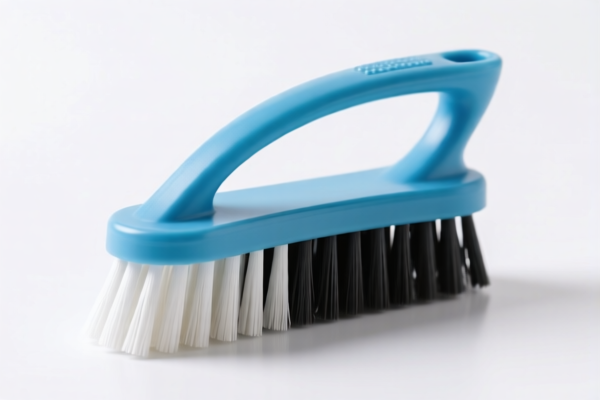
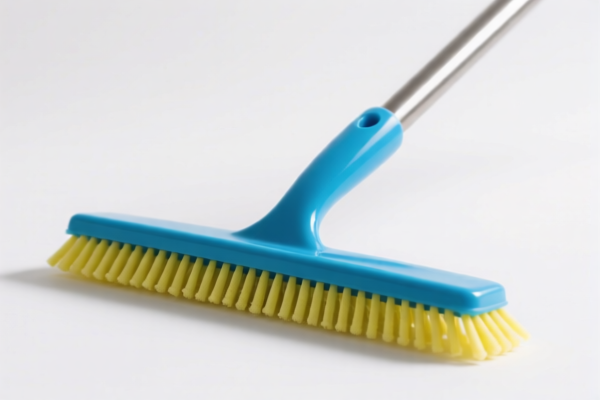


AI Analysis
🪣 Gutter Cleaning Brush
🌐 HS Code & Tariff Guide | 2026 Customs Clearance Masterclass | Strategic Import Planning
📌 One Product, Five HS Codes — Know the Difference to Avoid 70%+ Tariffs!
📦 一、Product Definition & Classification: What Is a Gutter Cleaning Brush?
A gutter cleaning brush is a handheld tool used for removing debris, leaves, and dirt from roof gutters. It typically features:
- A plastic or metal handle (often extendable for reach),
- A brush head made of plastic bristles, steel wire, or nylon filaments,
- Designed for manual cleaning, not power tools.
⚠️ Key Classification Clue:
- If the brush head is made of plastic bristles → likely 9603.40.40.60 or 9603.90.80.50
- If the handle is steel or iron, and the tool is used for cleaning → likely 8205.59.55.60 or 8205.51.75.00
- If the brush is made entirely of plastic, including bristles and handle → 3926.90.99.89🔍 Critical Insight:
The material composition and intended use determine the HS code — not just the name.
📌 二、HS Code Breakdown (2026 Official Tariff Table)
| HS Code | Product Description | Key Features | Material Clue |
|---|---|---|---|
3926.90.99.89 |
Other plastic articles, with plastic bristles or handle | All-plastic brush, no metal parts | ✅ Plastic bristles + plastic handle |
8205.59.55.60 |
Other hand tools, non-cutting, with iron or steel components | Steel-reinforced handle, used for cleaning | ✅ Iron/steel core in handle |
9603.40.40.60 |
Paints, varnishes, brushes for painting or coating | Paint brush-style, used for coatings | ✅ Bristles for liquid application |
8205.51.75.00 |
Other hand tools, for manual cleaning, with metal parts | Handheld cleaning tool, steel components | ✅ Metal handle + cleaning function |
9603.90.80.50 |
Brooms, brushes, for cleaning, steel/aluminum/copper components | Heavy-duty cleaning brush, steel/aluminum/copper added | ✅ Metal parts + cleaning purpose |
📌 Why This Matters:
A plastic-only brush = 14% tariff
A steel-handled brush = 40.3% tariff
A brush with steel/aluminum/copper = 70.3% tariff — YES, 70%+
💰 三、2026 Tariff Breakdown (U.S. Import Rules — China Origin)
🎯 1. 3926.90.99.89 — Plastic Brush (All-Plastic)
| Item | Detail |
|---|---|
| Base Duty | 5.3% |
| Additional Tariff | 7.5% (Section 301) |
| Section 122 Tariff | 10% (Section 122 of U.S. Trade Act) |
| Total Tariff | 22.8% |
| Tax Calculation | CIF × 22.8% |
| De Minimis Exemption? | ❌ No (denied) |
| Legal Basis | Section 301: 9903.88.01 → Section 122: 9903.01.24 → HS: 3926.90.99.89 |
📌 Why 22.8%?
- 5.3% is standard for plastic products, - 7.5% is from Section 301 (China Trade War), - 10% is from Section 122 (Emergency Economic Powers Act) — applies to all China-origin goods.
🎯 2. 8205.59.55.60 — Non-Bladed Hand Tool (Steel/Fe Components)
| Item | Detail |
|---|---|
| Base Duty | 5.3% |
| Additional Tariff | 25.0% (Section 301) |
| Section 122 Tariff | 10% |
| Total Tariff | 40.3% |
| Tax Calculation | CIF × 40.3% |
| De Minimis? | ❌ No |
| Legal Basis | Section 301: 9903.88.01 → Section 122: 9903.01.24 → HS: 8205.59.55.60 |
📌 Why 40.3%?
- 5.3% base, - 25% Section 301 (higher for tools with metal), - 10% Section 122 — applies to all metal-containing goods from China.
🎯 3. 9603.40.40.60 — Paint/Coating Brush (Non-Cleaning)
| Item | Detail |
|---|---|
| Base Duty | 4.0% |
| Additional Tariff | 0.0% |
| Section 122 Tariff | 10% |
| Total Tariff | 14.0% |
| Tax Calculation | CIF × 14.0% |
| De Minimis? | ❌ No |
| Legal Basis | Section 122: 9903.01.24 → HS: 9603.40.40.60 |
📌 Why Only 14%?
- No Section 301 tariff (not a "tool"), - But 10% Section 122 still applies — even for brushes used in cleaning if misclassified.⚠️ Danger Zone:
If you misclassify a gutter brush as a paint brush, you avoid 25% Section 301, but still pay 10% Section 122 — 14% total.
🎯 4. 8205.51.75.00 — Hand Cleaning Tool (Manual Use)
| Item | Detail |
|---|---|
| Base Duty | 3.7% |
| Additional Tariff | 25.0% (Section 301) |
| Section 122 Tariff | 10% |
| Total Tariff | 38.7% |
| Tax Calculation | CIF × 38.7% |
| De Minimis? | ❌ No |
| Legal Basis | Section 301: 9903.88.01 → Section 122: 9903.01.24 → HS: 8205.51.75.00 |
📌 Why 38.7%?
- 3.7% base (lower than other tools), - 25% Section 301 (for cleaning tools), - 10% Section 122 — still applies.
🎯 5. 9603.90.80.50 — Broom/Brush for Cleaning (Steel/Aluminum/Copper Added)
| Item | Detail |
|---|---|
| Base Duty | 2.8% |
| Additional Tariff | 7.5% (Section 301) |
| Section 122 Tariff | 10% |
| Steel/Aluminum/Copper Surcharge | 50% (Extra penalty for metal content) |
| Total Tariff | 70.3% |
| Tax Calculation | CIF × 70.3% |
| De Minimis? | ❌ No |
| Legal Basis | Section 301: 9903.88.01 → Section 122: 9903.01.24 → Metal Surcharge: 9903.88.01 |
📌 Why 70.3%?
- 2.8% base, - 7.5% Section 301, - 10% Section 122, - 50% EXTRA surcharge for steel, aluminum, or copper components — this is the worst-case scenario!💥 This is the "Gold Standard" of High Tariffs — 70%+ on a $10 brush = $7 tax!
🛠️ 四、Customs Clearance Best Practices (Real-World Tips)
✅ 1. Documentation Checklist (Must-Have)
| Document | Required? | Why |
|---|---|---|
| ✅ Product Photos (with handle, bristles, metal parts) | ✔️ | Prove material composition |
| ✅ Material Test Report (Plastic vs. Metal) | ✔️ | Prove no steel/aluminum/copper |
| ✅ Bill of Lading & Commercial Invoice | ✔️ | Accurate description |
| ✅ Packing List | ✔️ | Show full kit (brush + extension pole?) |
| ✅ Certificate of Origin (CO) | ✔️ | If from Vietnam/Mexico, can avoid 301/122 |
| ✅ Technical Specification Sheet | ✔️ | Define intended use: "for gutter cleaning", not "painting" |
✅ 2.申报技巧 (Smart Labeling)
🔥 "Plastic = Low Tax, Metal = High Tax — Label Right, Pay Less!"
| Scenario | Correct HS Code | Wrong Code | Risk |
|---|---|---|---|
| All-plastic brush | 3926.90.99.89 |
8205.59.55.60 |
+17.5% tax |
| Steel handle brush | 8205.51.75.00 |
9603.90.80.50 |
+31.6% tax |
| Brush with aluminum parts | 9603.90.80.50 |
3926.90.99.89 |
+57.5% tax + penalties |
✅ Pro Tip:
If your brush has any metal, do NOT claim it’s "plastic only" — you’ll be caught.
✅ 3. Special Cases
| Situation | Solution |
|---|---|
| Brush with extendable pole (metal) | Classify as 8205.51.75.00 (cleaning tool) — 38.7% |
| Brush with steel bristles | Must be 9603.90.80.50 — 70.3% |
| Brush made in Vietnam/Mexico | Can apply for IEEPA exemption — 0% or 5% |
| Brush used for paint (not cleaning) | Use 9603.40.40.60 — 14% |
🌍 五、Global Market Tariff Comparison (2026)
| Country | Recommended HS Code | Tariff | Certification | Notes |
|---|---|---|---|---|
| 🇺🇸 USA | 3926.90.99.89 |
22.8% (China) | None | 70.3% if metal! |
| 🇨🇳 China | 3926.90.99.89 |
5% | CCC | No extra tax |
| 🇪🇺 EU | 9603.90.80.50 |
0% (if CE) | CE | No 301/122 |
| 🇦🇺 Australia | 9603.90.80.50 |
5% | RCM | No extra |
| 🇯🇵 Japan | 9603.90.80.50 |
0% | PSE | No extra |
📌 Key Insight:
- Only the U.S. applies 301 + 122 + metal surcharge. - China, EU, Australia, Japan do NOT apply these extra tariffs.
📌 六、Common Mistakes & How to Avoid Them
❌ Mistake 1: Calling a steel-handled brush "plastic"
👉 Result: 22.8% → 70.3% → +47.5% tax + penalties
❌ Mistake 2: Misclassifying a gutter brush as a paint brush
👉 Result: 14% instead of 38.7% → but still 10% Section 122 applies
❌ Mistake 3: Not disclosing metal content in invoice
👉 Result: Customs audit → seizure + fines
✅ Correct Labeling Example:
“Gutter Cleaning Brush, Plastic Bristles, Fiberglass Handle, No Metal Components, Intended for Roof Gutter Cleaning”
🎯 七、Final Verdict: How to Save Thousands in Tariffs
🔥 Rule of Thumb:
- Plastic-only = 22.8% (Best case)
- Metal handle = 38.7%–40.3%
- Steel/aluminum/copper = 70.3% → Avoid at all costs!🚨 Red Flag:
If your brush has any metal, do not ship to the U.S. from China — switch to Vietnam/Mexico.
📣 Take Action Now!
📞 Contact a U.S. Customs Broker + Apply for HS Code Pre-Ruling
🚀 Use a non-China origin (Vietnam/Mexico) to avoid 301 + 122
📊 Get a material test report before shipment
✨ Professional Importing Starts with Accurate Classification!
💼 One wrong HS code = $10,000 in extra taxes.
✅ Get it right — save money, avoid delays, stay compliant!
📢 Your Gutter Brush. Your Tariff. Your Risk.
👉 Classify Right. Pay Less. Ship Faster.
Customer Reviews
About HS Code Classification
The Harmonized System (HS) is an internationally standardized nomenclature developed by the World Customs Organization (WCO) to classify traded products. Over 200 countries use the HS system as the basis for customs tariffs, trade statistics, and import/export regulations.
Each HS code follows a hierarchical structure:
- Chapter (2 digits) — Broad category of goods (e.g., Chapter 84: Machinery and Mechanical Appliances)
- Heading (4 digits) — More specific grouping within the chapter
- Subheading (6 digits) — Internationally standardized breakdown, used by all WCO member countries
- National subdivisions (8-10 digits) — Country-specific extensions for further classification, such as US HTSUS 10-digit codes
Correct HS code classification is essential for smooth customs clearance, accurate duty payment, and compliance with trade regulations. Misclassification can lead to customs delays, overpayment of duties, or penalties.
When importing from CN to US, the applicable tariff rates may include:
- Most-Favored-Nation (MFN) rate — The standard duty rate applied to WTO members
- General rate — Applied to countries without trade agreements
- Trade remedy duties — Additional tariffs such as Section 301 (anti-dumping), Section 232 (national security), or countervailing duties
The information provided on this page is for reference purposes only. For official classification, please consult with your local customs authority or a licensed customs broker.