天然水牛皮鞋底
CN → US| HS Code | Tariff Rate | Origin | Destination | Doc |
|---|---|---|---|---|
| 4104114060 | 15.0% | CN | US | Official Doc |
| 4104493060 | 12.4% | CN | US | Official Doc |
| 6406906000 | 17.5% | CN | US | Official Doc |
| 6406200000 | 20.2% | CN | US | Official Doc |
| 4107994000 | 12.5% | CN | US | Official Doc |
| 4107196050 | 15.0% | CN | US | Official Doc |
Product Images
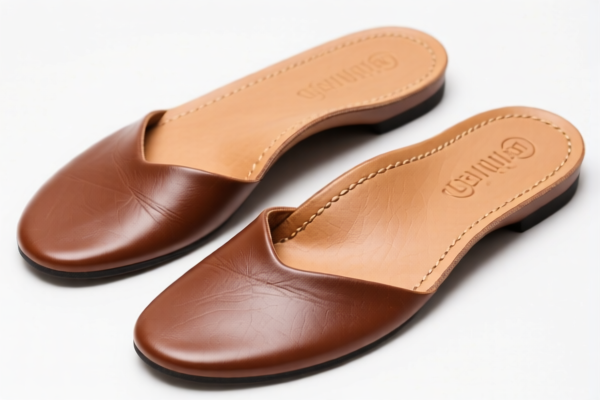


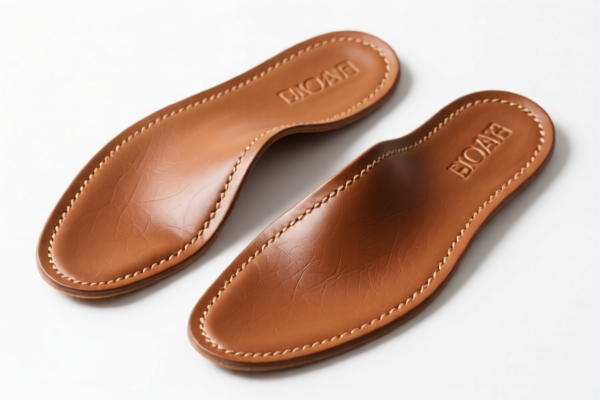
AI Analysis
🐂 Natural Water Buffalo Leather Shoe Soles
🌐 HS Code Reference & Customs Clearance Guide | 2026 Latest Tariff Analysis | Professional Clearance Strategy
📌 1. Product Definition and Classification: Do You Really Understand "Water Buffalo Leather Soles"?
Natural water buffalo leather shoe soles are high-quality footwear components made from the hides of water buffaloes. In international trade, they are classified based on their processing level, shape, and specific use. The key distinction lies in whether they are classified as finished leather for shoes (specifically sole leather) or as other processed leather products.
⚠️ Key Classification Distinction:
- If the leather is tanned specifically for use as shoe soles, with specific thickness and hardness, it falls under Sole Leather (HS 4107 or 4104).
- If it is a general-purpose leather product or semi-finished part, it may fall under Other Leather Articles (HS 4107.99 or 4104.49).
- Crucial Note: Misclassification can lead to significant tariff differences (from 12.4% to 19.9%) due to US trade policies.
📦 2. HS Code Classification Details (2026 Latest Tariff Authority Reference)
| HS Code | Product Description | Application Scenario | Reason for Classification | Total Tax Rate (China Origin) |
|---|---|---|---|---|
4104.49.30.60 |
Other Tanned Buffalo Leather Soles | General sole leather, not fully defined as "sole leather" in Ch 41 Note 1 | Classified under "Other" tanned leather articles for footwear; less specific than 4107 | 12.4% |
4107.19.60.50 |
Natural Buffalo Leather Sole Leather | Fully compliant with "Sole Leather" definition (tanned, specific thickness/hardness) | Meets Chapter 41 Note 1 definition of Sole Leather explicitly | 15.0% |
4104.11.40.60 |
Natural Buffalo Leather (Shoe Sole Use) | Tanned leather, shape is "skin/leather", intended for soles | Classified as tanned leather rather than processed sole leather; fits "Animal Tanned Leather" category | 15.0% |
4107.99.40.00 |
Other Processed Leather Articles | Leather processing products, shape used as sole | Classified as general processed leather articles; not specifically "sole leather" per strict definition | 12.5% |
4101.90.35.00 |
Semi-finished/Part Processing | Semi-finished parts, components | Classified as "Other" processed raw materials/parts; often misclassified as unprocessed or semi-processed | 19.9% |
🔍 Critical Insight:
-4107.19.60.50and4104.11.40.60carry the highest base tariffs (5%) before additions.
-4104.49.30.60has the lowest base tariff (2.4%), making it potentially cheaper if compliant.
-4101.90.35.00incurs an additional 7.5% tariff due to "Section 301" or similar trade restrictions on certain processed leather parts.
- All categories are subject to a 10% "122 Clause" tariff (US-China trade policy surcharge).
💰 3. 2026 Latest Tariff Rate Breakdown (Including Surcharges & Policy Add-ons)
✅ Applicable Country: United States (US)
✅ Origin: China (CN)
✅ Effective Date: November 10, 2025 onwards (for subsequent imports)
🎯 1. 4104.49.30.60 — Other Tanned Buffalo Leather Soles
| Item | Content |
|---|---|
| Base Tariff | 2.4% (ad valorem) |
| Section 301 Surcharge | 0.0% |
| 122 Clause Surcharge | +10% |
| Total Tax Rate | 12.4% |
| Tax Calculation | CIF Value × 12.4% |
| De Minimis Exemption | ❌ Not Eligible |
| Legal Basis Path | HTSUS:4104.49.30.60 → USITC:Footnote 122 |
📌 Explanation:
- This code falls under "Other" tanned leather articles.
- The 122 Clause (likely referring to specific US-China trade action lists) adds 10%.
- No Section 301 surcharge applies here, keeping the total relatively low compared to others.
🎯 2. 4107.19.60.50 — Natural Buffalo Leather Sole Leather
| Item | Content |
|---|---|
| Base Tariff | 5.0% |
| Section 301 Surcharge | 0.0% |
| 122 Clause Surcharge | +10% |
| Total Tax Rate | 15.0% |
| Tax Calculation | CIF Value × 15.0% |
| De Minimis Exemption | ❌ Not Eligible |
| Legal Basis Path | HTSUS:4107.19.60.50 → USITC:Footnote 122 |
📌 Note:
- This is the most accurate classification if the product meets the strict definition of Sole Leather (Chapter 41 Note 1).
- Despite a higher base rate (5%), no Section 301 surcharge applies.
- Total 15.0% is higher than4104.49.30.60due to the 2.6% base difference.
🎯 3. 4104.11.40.60 — Natural Buffalo Leather (Shoe Sole Use)
| Item | Content |
|---|---|
| Base Tariff | 5.0% |
| Section 301 Surcharge | 0.0% |
| 122 Clause Surcharge | +10% |
| Total Tax Rate | 15.0% |
| Tax Calculation | CIF Value × 15.0% |
| De Minimis Exemption | ❌ Not Eligible |
| Legal Basis Path | HTSUS:4104.11.40.60 → USITC:Footnote 122 |
📌 Note:
- Classified as tanned leather, not processed sole leather.
- Same total rate as4107.19.60.50due to identical base and surcharge structure.
🎯 4. 4107.99.40.00 — Other Processed Leather Articles
| Item | Content |
|---|---|
| Base Tariff | 2.5% |
| Section 301 Surcharge | 0.0% |
| 122 Clause Surcharge | +10% |
| Total Tax Rate | 12.5% |
| Tax Calculation | CIF Value × 12.5% |
| De Minimis Exemption | ❌ Not Eligible |
| Legal Basis Path | HTSUS:4107.99.40.00 → USITC:Footnote 122 |
📌 Note:
- Low base rate (2.5%) but slightly higher total than4104.49.30.60due to the 0.1% base difference.
- Suitable for leather products that are processed but not strictly "sole leather."
🎯 5. 4101.90.35.00 — Semi-finished/Part Processing
| Item | Content |
|---|---|
| Base Tariff | 2.4% |
| Section 301 Surcharge | +7.5% |
| 122 Clause Surcharge | +10% |
| Total Tax Rate | 19.9% |
| Tax Calculation | CIF Value × 19.9% |
| De Minimis Exemption | ❌ Not Eligible |
| Legal Basis Path | HTSUS:4101.90.35.00 → USITC:Footnote 122 + USITC:Footnote 301 |
📌 Critical Warning:
- This code incurs a 7.5% Section 301 surcharge, making it the most expensive option.
- Only use if the product is clearly a semi-finished part and not a finished sole.
- High risk of misclassification if the product is actually a finished sole.
🛠️ 4. Customs Clearance Practical Advice (Real-World Pitfall Avoidance Guide)
✅ 1. Required Documents Checklist (All Mandatory)
| Document | Must Provide | Description |
|---|---|---|
| ✅ Product Specification Sheet | ✔️ | Include material (100% Buffalo Leather), thickness, hardness, tanning method. |
| ✅ Product Photos (Including Label) | ✔️ | Clear images showing the sole shape, texture, and any brand/markings. |
| ✅ Commercial Invoice | ✔️ | Must specify "Natural Water Buffalo Leather Shoe Sole" and HS Code. |
| ✅ Packing List | ✔️ | Detail package dimensions and weight to avoid discrepancies. |
| ✅ Certificate of Origin (CO) | ✔️ | Required for US import; verify if any trade exemptions apply (none for China origin in this case). |
| ✅ Tanning Process Description | ✔️ | Crucial for proving it meets "Sole Leather" definition if claiming 4107. |
✅ 2. Declaration Tips (Key Mantras)
🔥 "Accurate Description, Correct Code, Tariff Saved!"
| Scenario | Correct Declaration | Wrong Practice |
|---|---|---|
| Finished Sole Leather | 4107.19.60.50 or 4104.11.40.60 |
Misclassified as 4104.49.30.60 → 2.6% overpayment |
| General Leather Article | 4104.49.30.60 or 4107.99.40.00 |
Misclassified as 4101.90.35.00 → 7.5% extra surcharge |
| Semi-finished Part | 4101.90.35.00 |
Misclassified as sole leather → Potential penalty for misdeclaration |
| Name on Invoice | "Natural Water Buffalo Leather Shoe Sole" | Vague terms like "Leather Part" → Customs Delay |
✅ 3. Special Case Handling
| Scenario | Handling Advice |
|---|---|
| OEM Custom Soles | Provide client orders + design specs to prove intended use as footwear soles. |
| Mixed Material Soles | If not 100% buffalo leather, reclassify under appropriate mixed-material codes. |
| Sole with Embedded Components | If it has rubber/plastic inserts, it may fall under Chapter 64 (Footwear), not Leather. |
| Pre-Clearance Ruling | Highly Recommended: Apply for a US CBP Advance Ruling to lock in the HS Code and avoid disputes. |
🌍 5. Global Major Market Clearance Comparison (2026 Latest)
| Country/Region | Recommended HS Code | Tariff (China Origin) | Certification Requirement | Remarks |
|---|---|---|---|---|
| 🇺🇸 United States | 4107.19.60.50 |
15.0% | None Specific | High scrutiny on "Sole Leather" definition. |
| 🇨🇳 China (Export) | 4107.19.60.50 |
0% (Export) | None | No export tax for leather soles. |
| 🇪🇺 European Union | 4107.19.60.50 |
5.0% | REACH (if chemicals involved) | No 122 Clause surcharge. |
| 🇦🇺 Australia | 4107.19.60.50 |
5.0% | None | Free Trade Agreement may apply (check NZ/China FTA). |
| 🇯🇵 Japan | 4107.19.60.50 |
5.0% | JIS Standards | No additional surcharges. |
📌 Conclusion:
- The US imposes the highest effective tariff (15.0%) due to the 122 Clause surcharge.
- EU, Australia, and Japan have lower base tariffs and no similar surcharges, making them more cost-effective markets for Chinese leather soles.
- US Market Risk: High due to trade policies; ensure accurate classification to avoid the 19.9% penalty tier.
📌 6. Common Mistakes & Pitfall Avoidance Guide (Lessons from Experience)
❌ Mistake 1: Classifying finished sole leather as 4101.90.35.00 (Semi-finished Part)
👉 Consequence: Paying an extra 7.5% Section 301 surcharge unnecessarily.
👉 Fix: Ensure the product meets the definition of "processed leather article" but not "semi-finished raw material."
❌ Mistake 2: Claiming 4104.49.30.60 for products that strictly qualify as "Sole Leather" (4107.19.60.50)
👉 Consequence: Underpayment of 2.6% base tariff; risk of customs audit and back taxes.
👉 Fix: If the product meets Chapter 41 Note 1 "Sole Leather" criteria, use 4107.
❌ Mistake 3: Vague Invoice Description ("Leather Parts")
👉 Consequence: Customs delay, potential reclassification, and penalties.
👉 Fix: Use precise terms: "Natural Water Buffalo Leather Shoe Sole, Tanned, Unlined."
❌ Mistake 4: Ignoring the 122 Clause Surcharge
👉 Consequence: Underestimating landed cost by 10%.
👉 Fix: Always add 10% to any leather import from China to the US.
✅ Correct Approach:
"Natural Water Buffalo Leather Shoe Sole, Tanned, 3mm Thickness, Unlined, For Footwear Manufacturing"
🎯 7. Conclusion: Professional Declaration Saves Money!
🎯 Remember the Mantra:
🔹 "Sole Leather = 15%, Other Leather = 12.4-12.5%, Semi-Part = 19.9%!"
🔹 "122 Clause = 10% Always!"
🔹 "HS Code Choice = Tariff Difference of 7.5%!"
📌 Pro Tip:
If your soles are imported from Vietnam, Thailand, or Malaysia, you may qualify for lower tariffs or exemptions from the 122 Clause.
Apply for a US CBP Advance Ruling before shipment to confirm the correct HS Code and avoid clearance risks.
📣 Immediate Action:
📞 Contact a licensed US Customs Broker
📄 Provide Product Photos + Specifications
🚀 Ensure Accurate Classification, Smooth Clearance, and Maximized Profit!
✨ Professional Clearance Starts with Precise Classification!
💼 Every Dollar of Tariff Saved is Pure Profit!
Customer Reviews
About HS Code Classification
The Harmonized System (HS) is an internationally standardized nomenclature developed by the World Customs Organization (WCO) to classify traded products. Over 200 countries use the HS system as the basis for customs tariffs, trade statistics, and import/export regulations.
Each HS code follows a hierarchical structure:
- Chapter (2 digits) — Broad category of goods (e.g., Chapter 84: Machinery and Mechanical Appliances)
- Heading (4 digits) — More specific grouping within the chapter
- Subheading (6 digits) — Internationally standardized breakdown, used by all WCO member countries
- National subdivisions (8-10 digits) — Country-specific extensions for further classification, such as US HTSUS 10-digit codes
Correct HS code classification is essential for smooth customs clearance, accurate duty payment, and compliance with trade regulations. Misclassification can lead to customs delays, overpayment of duties, or penalties.
When importing from CN to US, the applicable tariff rates may include:
- Most-Favored-Nation (MFN) rate — The standard duty rate applied to WTO members
- General rate — Applied to countries without trade agreements
- Trade remedy duties — Additional tariffs such as Section 301 (anti-dumping), Section 232 (national security), or countervailing duties
The information provided on this page is for reference purposes only. For official classification, please consult with your local customs authority or a licensed customs broker.