女士或女童睡衣和睡袍
CN → US| HS Code | Tariff Rate | Origin | Destination | Doc |
|---|---|---|---|---|
| 6114303070 | 32.4% | CN | US | Official Doc |
| 6208911010 | 25.0% | CN | US | Official Doc |
| 6208920010 | 33.5% | CN | US | Official Doc |
| 6108920030 | 33.5% | CN | US | Official Doc |
| 6114200060 | 28.3% | CN | US | Official Doc |
Product Images
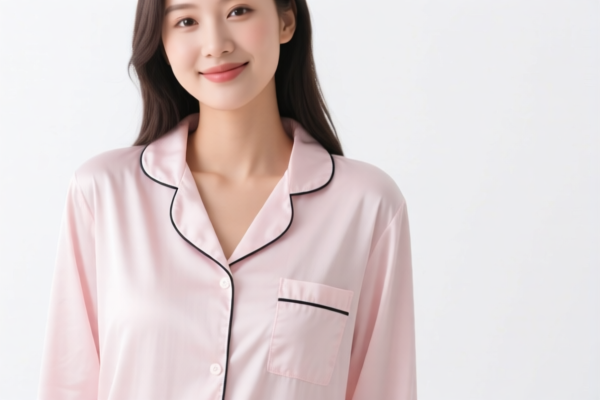
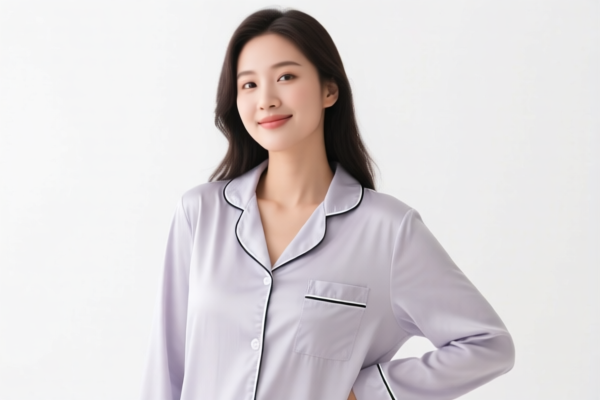
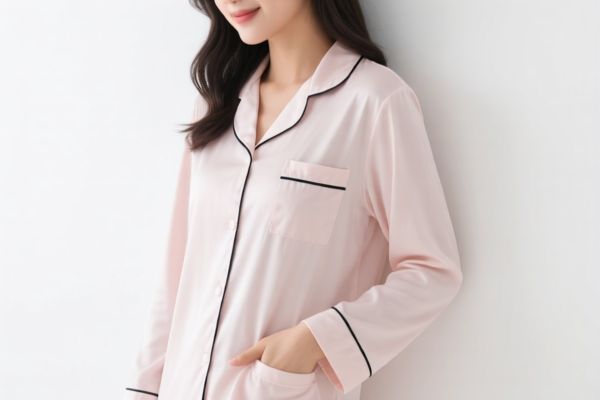

AI Analysis
👗 Women’s & Girls’ Nightwear & Robes (Pyjamas & Robes)
🌐 HS Code Reference & Clearance Guide | 2026 Latest Tariff Analysis | Strategic Compliance Strategy
📌 I. Product Definition & Classification: Do You Truly Understand "Nightwear"?
Nightwear and robes for women and girls are intimate apparel items designed for sleeping, lounging, or dressing gown purposes. In international trade, classification depends strictly on two factors:
1. Manufacturing Process: Knitted (K/N) vs. Non-Knitted (Woven/Other).
2. Material Composition: Cotton vs. Man-made Fibers vs. Other Textiles.
⚠️ Key Distinction Points:
- Knitted (61xx): Includes jerseys, tricot, lace, and elastic knits. Usually softer, stretchier.
- Non-Knitted (62xx): Includes woven fabrics (cotton, silk, synthetic blends). Usually crisper, structured.
- Robes vs. Pajamas: Both fall under similar headings, but specific sub-codes distinguish by material.
📦 II. HS Code Classification Details (2026 Authoritative Tariff Schedule)
Based on the provided data, here are the precise HS Codes for Women’s/Girls’ Nightwear and Robes:
| HS Code | Product Description | Material | Manufacturing Process | Total Tax Rate (US/CN) |
|---|---|---|---|---|
6114.30.30.70 |
Women’s/Girls’ Robes & Morning Gowns | Man-made Fibers | Knitted or Crocheted | 32.4% |
6208.91.10.10 |
Women’s/Girls’ Robes & Morning Gowns | Cotton | Non-Knitted (Woven) | 25.0% |
6208.92.00.10 |
Women’s/Girls’ Robes & Morning Gowns | Other Textile Materials | Non-Knitted (Woven) | 33.5% |
6108.92.00.30 |
Women’s/Girls’ Robes & Morning Gowns | Man-made Fibers OR Cotton | Knitted or Crocheted | 33.5% |
6114.20.00.60 |
Women’s/Girls’ Robes & Morning Gowns | Cotton or Non-Conflicting Material | Knitted or Crocheted | 28.3% |
🔍 Critical Note:
-6108.92.00.30is a broader category covering both Man-made Fibers AND Cotton if knitted.
-6114.20.00.60specifically targets Cotton or other non-conflicting knitted materials, with a lower base tariff (10.8%) compared to the general "Other" knitted category (16.0%).
-6208.91.10.10is the only Non-Knitted category with a low base tariff (7.5%), but it is strictly for Cotton.
💰 III. 2026 Latest Tariff Rate Breakdown (Including Surtaxes & Policy Add-ons)
✅ Applicable Country: United States (US)
✅ Origin: China (CN)
✅ Effective Date: Ongoing (Includes Section 301, Section 122, and Base Tariffs)
The total tax rate consists of three components:
1. Base Tariff (MFN): Standard WTO rate.
2. Section 301 Surtax (7.5%): Ongoing trade war tariff.
3. Section 122 Tariff (10%): Specific US trade provision for certain textiles.
🎯 1. 6114.30.30.70 —— Knitted, Man-made Fibers
| Item | Content |
|---|---|
| Base Tariff | 14.9% |
| Section 301 Surtax | +7.5% |
| Section 122 Tariff | +10.0% |
| Total Tax Rate | 32.4% |
| Calculation | CIF Value × 32.4% |
| De Minimis Exemption | ❌ No (High tariff prevents de minimis benefit) |
📌 Explanation:
- Knitted items made from synthetic fibers (polyester, nylon, etc.) face a higher base rate (14.9%) than cotton knitted items.
- Total 32.4% is significant. Ensure accurate material declaration.
🎯 2. 6208.91.10.10 —— Non-Knitted, Cotton
| Item | Content |
|---|---|
| Base Tariff | 7.5% |
| Section 301 Surtax | +7.5% |
| Section 122 Tariff | +10.0% |
| Total Tax Rate | 25.0% |
| Calculation | CIF Value × 25.0% |
| De Minimis Exemption | ❌ No |
📌 Explanation:
- Cotton woven (non-knitted) has the lowest base tariff (7.5%) among all listed categories.
- This is the most cost-effective HS code for pure cotton nightwear if woven.
🎯 3. 6208.92.00.10 —— Non-Knitted, Other Textile Materials
| Item | Content |
|---|---|
| Base Tariff | 16.0% |
| Section 301 Surtax | +7.5% |
| Section 122 Tariff | +10.0% |
| Total Tax Rate | 33.5% |
| Calculation | CIF Value × 33.5% |
| De Minimis Exemption | ❌ No |
📌 Explanation:
- "Other textile materials" (e.g., silk, wool, viscose blends not classified as man-made) have the highest base tariff (16.0%).
- Total 33.5% is the highest among non-knitted items. Avoid this if possible by optimizing material composition.
🎯 4. 6108.92.00.30 —— Knitted, Man-made OR Cotton
| Item | Content |
|---|---|
| Base Tariff | 16.0% |
| Section 301 Surtax | +7.5% |
| Section 122 Tariff | +10.0% |
| Total Tax Rate | 33.5% |
| Calculation | CIF Value × 33.5% |
| De Minimis Exemption | ❌ No |
📌 Explanation:
- This is a catch-all for knitted items that are NOT specifically classified under6114.20.00.60(Cotton) or6114.30.30.70(Man-made).
- High base rate (16.0%) makes this expensive. Try to classify under6114.20.00.60if cotton is confirmed.
🎯 5. 6114.20.00.60 —— Knitted, Cotton or Other Non-Conflicting Material
| Item | Content |
|---|---|
| Base Tariff | 10.8% |
| Section 301 Surtax | +7.5% |
| Section 122 Tariff | +10.0% |
| Total Tax Rate | 28.3% |
| Calculation | CIF Value × 28.3% |
| De Minimis Exemption | ❌ No |
📌 Explanation:
- This is the best rate for Knitted items.
- If your nightwear is knitted cotton, use this code!
- Total 28.3% is lower than6114.30.30.70(32.4%) and6108.92.00.30(33.5%).
🛠️ IV. Clearance Practical Advice (Pitfall Avoidance Guide)
✅ 1. Preparation Checklist (Must-Have Documents)
| Document | Required? | Purpose |
|---|---|---|
| ✅ Product Specification Sheet | ✔️ | Must detail: Fabric type (e.g., 100% Cotton Knit), weight, closure type. |
| ✅ Fabric Swatch / Lab Test | ✔️ | Crucial! Proves whether fabric is Knitted or Woven, and material content. |
| ✅ Product Photos | ✔️ | Front/back view, showing labels, tags, and construction. |
| ✅ Commercial Invoice | ✔️ | Must specify "Women's Cotton Knit Nightgown" – NOT just "Clothing". |
| ✅ Packing List | ✔️ | Details quantity, weight, and packaging. |
| ✅ Origin Certificate (CO) | ✔️ | Confirms CN origin to apply correct surtaxes. |
✅ 2. Declaration Strategy (Key Rules)
🔥 “Knit vs. Weave, Cotton vs. Synthetic, Name it Right!”
| Scenario | Correct HS Code | Incorrect Practice | Consequence |
|---|---|---|---|
| Knit Cotton Robe | 6114.20.00.60 (28.3%) |
Misdeclare as 6208.91.10.10 (25.0%) |
Under-declaration → Penalty + Back Taxes |
| Woven Cotton Pajamas | 6208.91.10.10 (25.0%) |
Misdeclare as 6114.30.30.70 (32.4%) |
Over-declaration → Unnecessary Cost |
| Polyester Knit Gown | 6114.30.30.70 (32.4%) |
Misdeclare as 6114.20.00.60 (28.3%) |
Under-declaration → Penalty + Back Taxes |
| Silk Woven Robe | 6208.92.00.10 (33.5%) |
Misdeclare as 6208.91.10.10 (25.0%) |
Under-declaration → Penalty + Back Taxes |
✅ 3. Special Cases & Tips
| Case | Handling Advice |
|---|---|
| Mixed Material (e.g., 80% Cotton, 20% Polyester) | If Knitted: Usually classified as Cotton (6114.20.00.60) if cotton is dominant. Verify with HS General Rules of Interpretation. |
| Set of Pajamas (Top + Bottom) | Declare as a set. If knitted cotton, use 6114.20.00.60. Do NOT split into separate items. |
| Lingerie vs. Nightwear | Thin, sheer, or decorative pieces may be classified as Lingerie (6212 or 6108). Ensure description clarifies "Sleepwear/Nightwear" function. |
| Seasonal Import | Tariffs remain the same year-round, but ensure inventory records match shipment dates to avoid storage fees at US ports. |
🌍 V. Global Market Comparison (2026 Latest)
| Country/Region | Recommended HS Code | Tariff (US Origin) | Tariff (CN Origin) | Certification Required |
|---|---|---|---|---|
| 🇺🇸 USA | 6114.20.00.60 (Knit Cotton) |
Low Base | High (32-33%) | None (General) |
| 🇨🇳 China | 6114.20.00.60 |
10.8% | 10.8% | None |
| 🇪🇺 EU | 6108.92 / 6114.20 |
12% | 12% | REACH, Textile Labeling |
| 🇬🇧 UK | 6108.92 / 6114.20 |
12% | 12% | UKCA, Textile Labeling |
| 🇯🇵 Japan | 6108.92 / 6114.20 |
12% | 12% | FFI Standards |
📌 Conclusion:
- The US is the most complex market due to Section 301 and Section 122 add-ons.
- China-origin goods face 25-33.5% total tariffs.
- Knitted Cotton (6114.20.00.60) is the cheapest option (28.3%) for the US.
- Woven Cotton (6208.91.10.10) is the second cheapest (25.0%) for the US.
📌 VI. Common Errors & Pitfall Guide (Lessons Learned)
❌ Error 1: Misidentifying Knit vs. Woven
👉 Consequence: Wrong HS Code → Under/Over-payment → Customs Audit.
✅ Fix: Always provide fabric swatch or knit structure photo.
❌ Error 2: Vague Material Description ("Textile")
👉 Consequence: Customs may assign highest tariff (33.5%) by default.
✅ Fix: Specify "100% Cotton Knit Jersey" or "Polyester Woven Satin".
❌ Error 3: Ignoring Section 122 Tariff
👉 Consequence: Budgeting fails → Profit Margin Erosion.
✅ Fix: Include 10% Section 122 in all cost calculations.
❌ Error 4: Mixing Lingerie and Nightwear
👉 Consequence: Classification error for decorative vs. functional items.
✅ Fix: Use clear labels: "Nightgown" vs. "Brassiere".
🎯 VII. Conclusion: Precise Classification Saves Money!
🎯 Remember the Rule:
🔹 "Knit Cotton: 28.3% (Best Knit)"
🔹 "Woven Cotton: 25.0% (Best Overall)"
🔹 "Polyester/Other: 32-33.5% (Expensive)"
🔹 "Always Declare Section 122: +10%"
📌 Pro Tip:
If your product is Knitted Cotton, use
6114.20.00.60.
If your product is Woven Cotton, use6208.91.10.10.
These two offer the lowest total tax burden for Chinese-origin goods in the US.
📣 Immediate Action:
📞 Verify fabric composition with your supplier.
📸 Take clear photos of fabric texture (knit loops vs. woven threads).
📝 Select the correct HS Code based on Process + Material.
🚀 Smooth Clearance, Higher Profits!
✨ Professional Clearance, Starts with Accurate Classification!
💼 Every Percentage Point of Tariff Matters!
Customer Reviews
About HS Code Classification
The Harmonized System (HS) is an internationally standardized nomenclature developed by the World Customs Organization (WCO) to classify traded products. Over 200 countries use the HS system as the basis for customs tariffs, trade statistics, and import/export regulations.
Each HS code follows a hierarchical structure:
- Chapter (2 digits) — Broad category of goods (e.g., Chapter 84: Machinery and Mechanical Appliances)
- Heading (4 digits) — More specific grouping within the chapter
- Subheading (6 digits) — Internationally standardized breakdown, used by all WCO member countries
- National subdivisions (8-10 digits) — Country-specific extensions for further classification, such as US HTSUS 10-digit codes
Correct HS code classification is essential for smooth customs clearance, accurate duty payment, and compliance with trade regulations. Misclassification can lead to customs delays, overpayment of duties, or penalties.
When importing from CN to US, the applicable tariff rates may include:
- Most-Favored-Nation (MFN) rate — The standard duty rate applied to WTO members
- General rate — Applied to countries without trade agreements
- Trade remedy duties — Additional tariffs such as Section 301 (anti-dumping), Section 232 (national security), or countervailing duties
The information provided on this page is for reference purposes only. For official classification, please consult with your local customs authority or a licensed customs broker.