女士或女童睡袍和晨衣
CN → US| HS Code | Tariff Rate | Origin | Destination | Doc |
|---|---|---|---|---|
| 6114303070 | 32.4% | CN | US | Official Doc |
| 6208911010 | 25.0% | CN | US | Official Doc |
| 6208920010 | 33.5% | CN | US | Official Doc |
| 6108920030 | 33.5% | CN | US | Official Doc |
| 6114200060 | 28.3% | CN | US | Official Doc |
Product Images
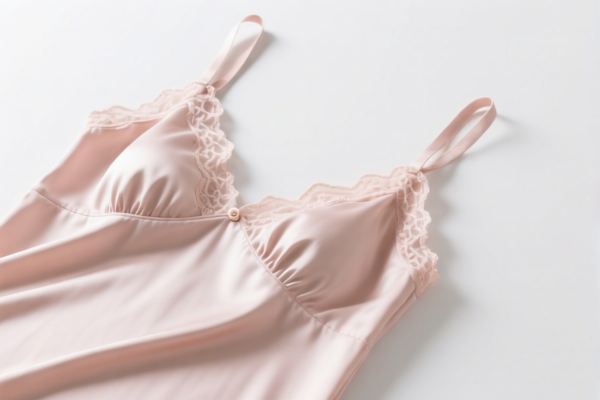
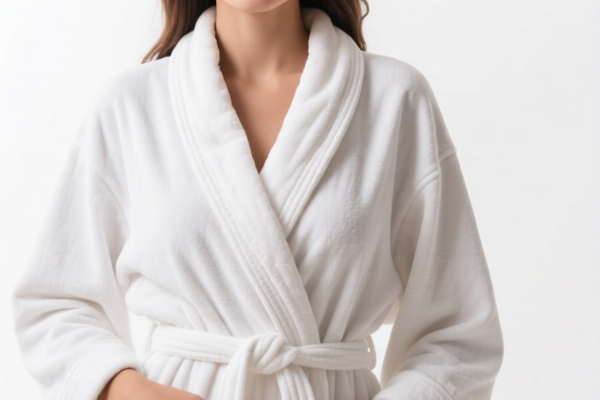
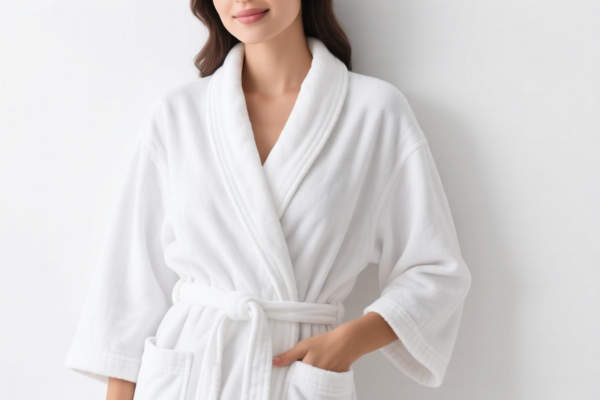
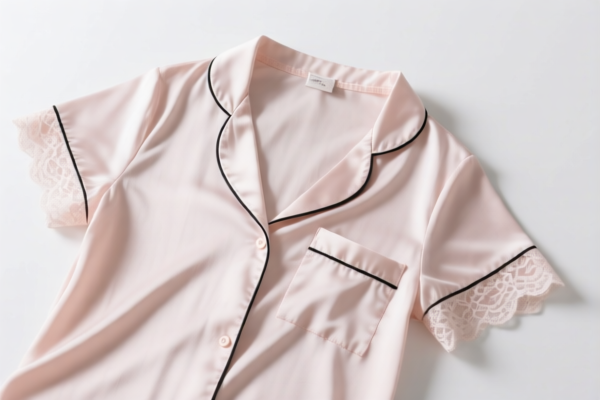
AI Analysis
🛌 Women's & Girls' Robes & Morning Coats: The Ultimate HS Code & Tariff Guide (2026 Update)
🌐 HS Code Classification & Clearance Strategy | Precision Tax Breakdown | Professional Customs Strategy
📌 I. Product Definition: What Exactly Are "Robes" and "Morning Coats"?
In international trade, "Women's or Girls' Robes and Morning Coats" refer to loose-fitting outer garments worn for comfort, sleeping, or leisure at home. They are distinct from pajamas (two-piece sets) and bathrobes (specifically for post-bath drying, though often overlapping in classification).
Key characteristics include: 1. Material: Can be Knitted/Crocheted (knitwear) or Non-Knitted (woven/textile). 2. Composition: Made from Cotton, Man-made Fibers (Polyester, Nylon, etc.), or other textiles. 3. Usage: Primarily for home wear, sleep, or lounging.
⚠️ Critical Distinction:
- Knitted/Crocheted (HS 61xx): Fabric is knitted (stretchy, looped structure).
- Non-Knitted (HS 62xx): Fabric is woven (static, flat structure).
- Incorrect Classification Risk: Misidentifying knit vs. woven can lead to massive duty discrepancies (e.g., 25% vs. 33.5%).
📦 II. HS Code Classification Matrix (2026 Latest Tariff Schedule)
Below is the precise mapping based on the provided data. All items are subject to US Import Tariffs (assuming US destination based on the 122-Clause and Section 301/IEEPA context in the source data).
| HS Code | Product Description | Material | Knitting Status | Total Tax Rate |
|---|---|---|---|---|
6114.30.30.70 |
Women's/Girls' Robes & Morning Coats | Man-made Fibers | ✅ Knitted/Crocheted | 32.4% |
6208.91.10.10 |
Women's/Girls' Robes & Morning Coats | Cotton | ❌ Non-Knitted (Woven) | 25.0% |
6208.92.00.10 |
Women's/Girls' Robes & Morning Coats | Man-made Fibers | ❌ Non-Knitted (Woven) | 33.5% |
6108.92.00.30 |
Women's/Girls' Robes & Morning Coats | Man-made Fibers OR Cotton | ✅ Knitted/Crocheted | 33.5% |
6114.20.00.60 |
Women's/Girls' Robes & Morning Coats | Cotton (or other non-conflict) | ✅ Knitted/Crocheted | 28.3% |
🔍 Key Insight:
- Knitted Cotton (6114.20...) is cheaper than Knitted Man-made (6108.92...or6114.30...) in terms of base duty, but total tax varies due to specific sub-positions.
- Woven Man-made (6208.92...) is the most expensive at 33.5%.
- Woven Cotton (6208.91...) is the cheapest at 25.0%.
💰 III. Detailed Tariff Breakdown (The "Hidden" Costs)
All products listed above are subject to three layers of tariffs if originating from China and importing into the USA:
🧩 The Formula:
Total Tax = Base Duty + Section 301 Additional Duty + Section 122 Duty
Let's break down each HS Code:
🎯 1. 6114.30.30.70 (Knitted, Man-made)
- Base Duty: 14.9%
- Section 301 Duty: 7.5%
- Section 122 Duty: 10.0%
- Total: 32.4%
- Legal Path:
USITC:6114.30.30.70→Footnote: Section 301→Footnote: Section 122
💡 Analysis: High base duty due to synthetic materials. Section 122 applies if imported from certain designated countries (often China-related transit).
🎯 2. 6208.91.10.10 (Woven, Cotton)
- Base Duty: 7.5%
- Section 301 Duty: 7.5%
- Section 122 Duty: 10.0%
- Total: 25.0%
- Legal Path:
USITC:6208.91.10.10→Footnote: Section 301→Footnote: Section 122
💡 Analysis: Most Cost-Effective Option. Cotton has a lower base duty (7.5%) compared to synthetics. Ideal for cost-sensitive shipments.
🎯 3. 6208.92.00.10 (Woven, Man-made)
- Base Duty: 16.0%
- Section 301 Duty: 7.5%
- Section 122 Duty: 10.0%
- Total: 33.5%
- Legal Path:
USITC:6208.92.00.10→Footnote: Section 301→Footnote: Section 122
💡 Analysis: Highest Cost. Woven synthetics face the highest base duty (16%). Avoid if possible unless product specifications require it.
🎯 4. 6108.92.00.30 (Knitted, Man-made or Cotton)
- Base Duty: 16.0%
- Section 301 Duty: 7.5%
- Section 122 Duty: 10.0%
- Total: 33.5%
- Legal Path:
USITC:6108.92.00.30→Footnote: Section 301→Footnote: Section 122
💡 Analysis: Surprisingly high. Even if the robe is Cotton, if classified under
6108.92(Knitted), it hits 16% base duty. Check if6114.20(28.3%) is applicable instead for cotton knits!
🎯 5. 6114.20.00.60 (Knitted, Cotton or Other Non-Conflict)
- Base Duty: 10.8%
- Section 301 Duty: 7.5%
- Section 122 Duty: 10.0%
- Total: 28.3%
- Legal Path:
USITC:6114.20.00.60→Footnote: Section 301→Footnote: Section 122
💡 Analysis: A sweet spot for Knitted Cotton. Lower base duty than
6108.92. Use this for knitted cotton robes to save ~5.2% compared to6108.92.
🛠️ IV. Clearance Practical Advice (Avoiding Customs Traps)
✅ 1. Documentation Checklist
| Document | Requirement | Why It Matters |
|---|---|---|
| Commercial Invoice | Must specify "Robes/Morning Coats", not "Pajamas" or "Nightgowns" | Incorrect naming leads to misclassification penalties. |
| Fabric Swatch/Test Report | Confirm Knitted vs. Woven and Material Composition (Cotton % vs. Synthetic %) | Determines HS Code. A 60% Cotton/40% Polyester blend affects classification. |
| Photos | Clear images of the garment, label, and stitching | Customs officers verify "Knitted" vs. "Woven" visually. |
| Country of Origin | Must be clearly stated | Triggers Section 122 and 301 duties. |
✅ 2. Critical Classification Tips
🔥 "Knit vs. Woven is King: Get it wrong, pay more!"
| Scenario | Correct HS Code | Wrong HS Code | Consequence |
|---|---|---|---|
| Cotton Robe, Knitted | 6114.20.00.60 (28.3%) |
6108.92.00.30 (33.5%) |
Overpaid by 5.2% |
| Polyester Robe, Knitted | 6114.30.30.70 (32.4%) |
6208.92.00.10 (33.5%) |
Overpaid by 1.1% |
| Cotton Robe, Woven | 6208.91.10.10 (25.0%) |
6208.92.00.10 (33.5%) |
Overpaid by 8.5% |
⚠️ Warning:
- Do NOT classify as "Pajamas" (6107or6211). Pajamas are two-piece sets. Robes are single-piece outer garments. - If the garment is partially knitted (e.g., knitted body, woven sleeves), consult a specialist. Usually, the principal material/structure dictates classification.
✅ 3. Section 122 & 301 Mitigation Strategies
- Section 122 (10%): Applies to goods from China (and sometimes transshipped).
- Strategy: Ensure supply chain transparency. If goods are transshipped through Vietnam/Malaysia, ensure substantial transformation occurs there to claim non-Chinese origin.
- Section 301 (7.5%): Applies to most Chinese textile imports.
- Strategy: No easy exemption for textiles. Factor this into pricing.
🌍 V. Global Market Comparison (2026)
| Destination | HS Code | Base Duty | Additional Duties (China) | Total Effective Rate | Notes |
|---|---|---|---|---|---|
| 🇺🇸 USA | 6208.91.10.10 |
7.5% | +17.5% (301+122) | 25.0% | Cheapest option |
| 🇺🇸 USA | 6208.92.00.10 |
16.0% | +17.5% (301+122) | 33.5% | Most expensive |
| 🇪🇺 EU | 6208.91/92 | ~12% | 0% | ~12% | No 301/122 |
| 🇨🇳 China | 6208.91/92 | 5-9% | 0% | ~7% | Domestic/Import to China |
| 🇬🇧 UK | 6208.91/92 | ~12% | 0% | ~12% | Post-Brexit rules apply |
📌 Conclusion:
- USA is the highest-cost market due to叠加 tariffs (301 + 122).
- Opt for Woven Cotton (6208.91.10.10) to minimize US duties to 25%.
- Avoid Woven Man-made (6208.92.00.10) unless necessary, as it hits 33.5%.
📌 VI. Common Errors & Pitfalls (Learn from Others' Mistakes)
❌ Error 1: Calling a robe a "Nightgown"
👉 Result: May be classified under 6108.31 or 6208.91 with different duties. Customs may reassess, causing delays.
❌ Error 2: Ignoring "Knitted" vs. "Woven"
👉 Result: Knitted items (61xx) often have different base duties than Woven (62xx). A 5% base duty difference becomes massive at scale.
❌ Error 3: Failing to declare Section 122 origin
👉 Result: If the goods are from China but declared as "Made in Vietnam" without proof, it constitutes fraud, leading to seizures and fines.
✅ Best Practice:
"Women's Cotton Robe, Knitted, 100% Cotton, For Home Wear, Model XYZ, Made in China"
🎯 VII. Conclusion: Optimize Your Luggage Charge!
🎯 Remember the Golden Rules:
🔹 "Woven Cotton Wins: 25% is the sweet spot."
🔹 "Knitted Cotton: Use6114.20(28.3%), not6108.92(33.5%)."
🔹 "Synthetics are Expensive: Avoid Woven Man-made (33.5%) if possible."
🔹 "Section 122 is Inevitable for China: Budget 10% extra."
📌 Pro Tip:
If you are exporting large volumes, apply for an Advance Ruling from US Customs and Border Protection (CBP) for your specific product design. This locks in the HS Code and duty rate, providing certainty for financial planning.
📣 Immediate Action:
📞 Verify Fabric Composition with your supplier.
🖼️ Take Photos of the garment's structure.
📝 Choose6208.91.10.10(Woven Cotton) for the best duty rate if feasible.
🚀 Clear Customs Smoothly, Protect Margins, and Sleep Well!
✨ Precision Classification is Profit Protection!
💼 Every 1% Tax Saved is 1% Pure Profit!
Customer Reviews
About HS Code Classification
The Harmonized System (HS) is an internationally standardized nomenclature developed by the World Customs Organization (WCO) to classify traded products. Over 200 countries use the HS system as the basis for customs tariffs, trade statistics, and import/export regulations.
Each HS code follows a hierarchical structure:
- Chapter (2 digits) — Broad category of goods (e.g., Chapter 84: Machinery and Mechanical Appliances)
- Heading (4 digits) — More specific grouping within the chapter
- Subheading (6 digits) — Internationally standardized breakdown, used by all WCO member countries
- National subdivisions (8-10 digits) — Country-specific extensions for further classification, such as US HTSUS 10-digit codes
Correct HS code classification is essential for smooth customs clearance, accurate duty payment, and compliance with trade regulations. Misclassification can lead to customs delays, overpayment of duties, or penalties.
When importing from CN to US, the applicable tariff rates may include:
- Most-Favored-Nation (MFN) rate — The standard duty rate applied to WTO members
- General rate — Applied to countries without trade agreements
- Trade remedy duties — Additional tariffs such as Section 301 (anti-dumping), Section 232 (national security), or countervailing duties
The information provided on this page is for reference purposes only. For official classification, please consult with your local customs authority or a licensed customs broker.