女士牛仔裤
CN → US| HS Code | Tariff Rate | Origin | Destination | Doc |
|---|---|---|---|---|
| 6204626010 | 26.4% | CN | US | Official Doc |
| 6104621020 | 27.8% | CN | US | Official Doc |
| 6211421010 | 25.6% | CN | US | Official Doc |
| 6211431010 | 33.5% | CN | US | Official Doc |
| 6204621511 | 34.1% | CN | US | Official Doc |
Product Images
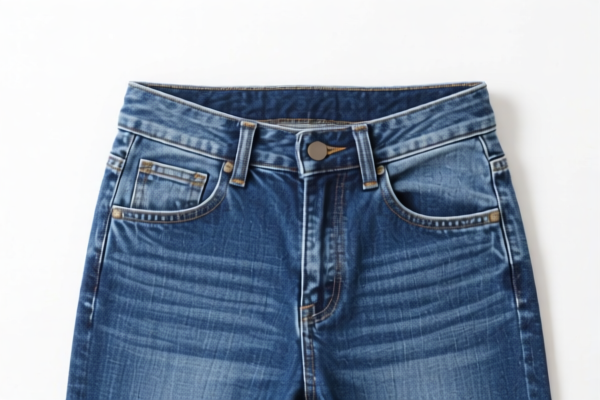
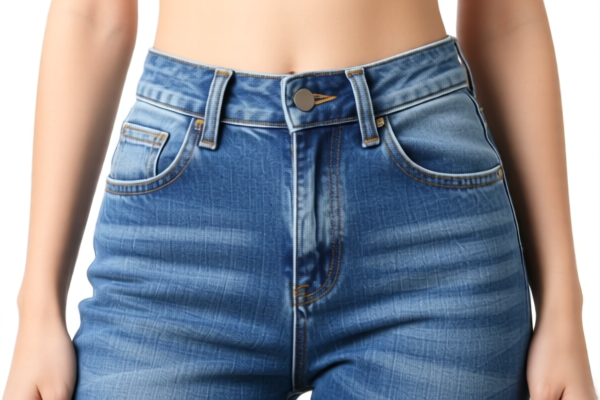
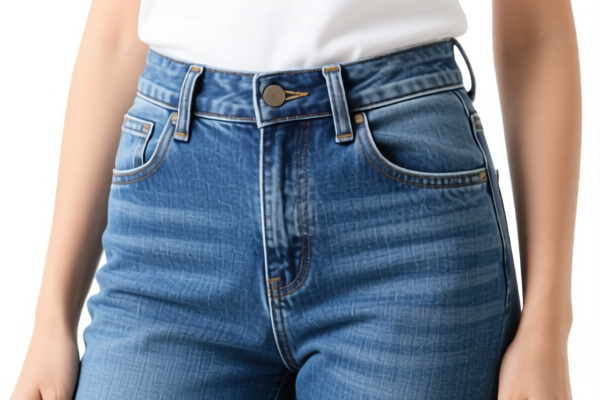
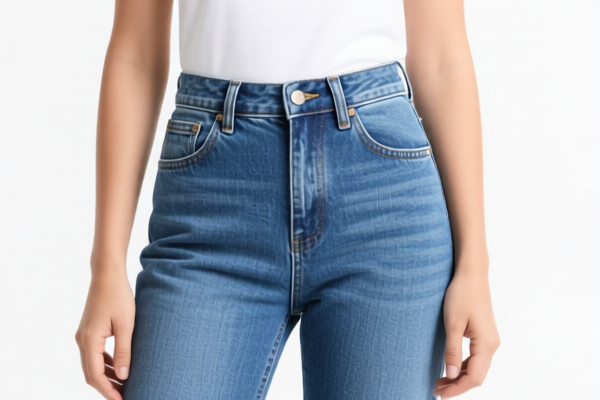
AI Analysis
👖 Women’s Denim Jeans (Female Denim Trousers)
🌐 HS Code Reference & Customs Clearance Guide | 2026 Latest Tariff Analysis | Professional Clearance Strategy
📌 I. Product Definition and Classification: Do You Really Understand "Women’s Jeans"?
Women’s denim jeans are a staple garment in global trade, but their classification depends heavily on manufacturing method (knitted vs. woven) and material composition. In international trade, they are primarily categorized under Chapter 62 (Woven) or Chapter 61 (Knitted/Hooked). Misclassification leads to significant tariff differences and customs delays.
⚠️ Key Distinction Point:
- Woven Denim (Non-knitted): The traditional "jean" fabric (indigo-dyed, twill weave). Falls under Chapter 62.
- Knitted/Hooked Denim: Stretch denim made via knitting processes. Falls under Chapter 61.
- Backpack/Overalls Style: If the garment is a "playsuit" or "overalls" rather than standard trousers, it may fall under a different sub-heading (e.g., 6204.62 vs. 6211.42).
📦 II. HS Code Classification Details (2026 Latest Tariff Authority对照)
Based on the provided <DATA> for Women’s Jeans/Overalls (Cotton/Denim), here are the specific HS Codes and their corresponding tax profiles:
| HS Code | Product Description | Material/Type | Total Tax Rate |
|---|---|---|---|
6204.62.60.10 |
Women’s Overalls/Pinafores, Cotton Denim | Woven, Cotton Denim | 26.4% |
6104.62.10.20 |
Women’s Overalls/Pinafores, Knitted/Hooked, Cotton | Knitted, Cotton | 27.8% |
6211.42.10.10 |
Other Women’s Apparel, Cotton (Includes Overalls) | Woven, Cotton | 25.6% |
6211.43.10.10 |
Other Women’s Apparel, Synthetic Fibers (Includes Overalls) | Woven, Synthetic | 33.5% |
6204.62.15.11 |
Women’s Jeans Trousers, Cotton Denim | Woven, Cotton Denim | 34.1% |
🔍 Key Insight:
- Standard Jeans (Trousers style) are most accurately classified under6204.62.15.11(34.1% total tax).
- Overalls/Playsuits (Back-strap style) fall under6204.62.60.10(26.4%) or6211.42.10.10(25.6%), offering lower tax rates.
- Knitted Denim (High-stretch jeans) falls under6104.62.10.20(27.8%).
- Synthetic Blends (Polyester/Cotton mixes) incur the highest tax rate at 33.5% (6211.43.10.10).
💰 III. 2026 Latest Tariff Rate Breakdown (Including Surcharges)
✅ Applicable Country: USA (US)
✅ Origin: China (CN)
✅ Effective Date: 2025 November 10 onwards (Including subsequent imports)
🎯 1. 6204.62.15.11 —— Women’s Jeans (Cotton Denim, Woven)
| Item | Detail |
|---|---|
| Base Tariff | 16.6% |
| Trade War Surcharge | 7.5% |
| Section 301 Surcharge | 10% (Section 122 Clause) |
| Total Tax Rate | 34.1% |
| Tax Calculation | CIF Value × 34.1% |
| De Minimis Exemption | ❌ Not Available |
| Legal Basis Path | Base: 6204.62.15.11 → Surcharge: 7.5% → Sec 301: 10% |
📌 Explanation:
- This is the standard classification for traditional woven cotton denim jeans.
- The high total rate (34.1%) is due to the combination of base duties and multiple surcharges (Section 301 + Additional Tariffs).
- No de minimis exemption: Small packages are still subject to full duty.
🎯 2. 6204.62.60.10 —— Women’s Overalls/Pinafores (Cotton Denim, Woven)
| Item | Detail |
|---|---|
| Base Tariff | 8.9% |
| Trade War Surcharge | 7.5% |
| Section 301 Surcharge | 10% |
| Total Tax Rate | 26.4% |
| Tax Calculation | CIF Value × 26.4% |
| De Minimis Exemption | ❌ Not Available |
| Legal Basis Path | Base: 6204.62.60.10 → Surcharge: 7.5% → Sec 301: 10% |
📌 Explanation:
- If the product is structurally an overall (one-piece garment with shoulder straps, no pants split at crotch) rather than standard jeans, it may qualify for this lower base rate (8.9%).
- Potential Savings: 7.7% lower total tax compared to standard jeans (6204.62.15.11).
🎯 3. 6211.42.10.10 —— Other Women’s Apparel (Cotton, Includes Overalls)
| Item | Detail |
|---|---|
| Base Tariff | 8.1% |
| Trade War Surcharge | 7.5% |
| Section 301 Surcharge | 10% |
| Total Tax Rate | 25.6% |
| Tax Calculation | CIF Value × 25.6% |
| De Minimis Exemption | ❌ Not Available |
| Legal Basis Path | Base: 6211.42.10.10 → Surcharge: 7.5% → Sec 301: 10% |
📌 Explanation:
- This code covers "Other" woven cotton women’s garments, including certain styles of overalls or coveralls that don’t fit neatly into 6204.
- Lowest Base Rate: 8.1% is the lowest base tariff among the options.
- Optimization Tip: If the design allows, classifying as "Other Apparel" (6211) instead of "Jeans" (6204) can save 8.5% in total tax.
🎯 4. 6104.62.10.20 —— Women’s Knitted/Hooked Overalls (Cotton)
| Item | Detail |
|---|---|
| Base Tariff | 10.3% |
| Trade War Surcharge | 7.5% |
| Section 301 Surcharge | 10% |
| Total Tax Rate | 27.8% |
| Tax Calculation | CIF Value × 27.8% |
| De Minimis Exemption | ❌ Not Available |
| Legal Basis Path | Base: 6104.62.10.20 → Surcharge: 7.5% → Sec 301: 10% |
📌 Explanation:
- For knitted denim (high stretch, jersey-like denim).
- Tax rate is moderate (27.8%), higher than woven overalls but lower than woven jeans.
🎯 5. 6211.43.10.10 —— Other Women’s Apparel (Synthetic Fiber, Includes Overalls)
| Item | Detail |
|---|---|
| Base Tariff | 16.0% |
| Trade War Surcharge | 7.5% |
| Section 301 Surcharge | 10% |
| Total Tax Rate | 33.5% |
| Tax Calculation | CIF Value × 33.5% |
| De Minimis Exemption | ❌ Not Available |
| Legal Basis Path | Base: 6211.43.10.10 → Surcharge: 7.5% → Sec 301: 10% |
📌 Explanation:
- Applies to synthetic fiber blends (e.g., Polyester/Cotton).
- Highest Base Rate: 16.0% leads to a high total tax of 33.5%.
- Recommendation: Avoid if possible; stick to 100% Cotton or natural fiber blends to reduce base duty.
🛠️ IV. Customs Clearance Practical Advice (Battle-Hardened Pitfall Guide)
✅ 1. Documentation Checklist (All Required)
| Document | Mandatory | Notes |
|---|---|---|
| ✅ Product Specification Sheet | ✔️ | Must specify: Weave type (Woven/Knitted), Composition (100% Cotton vs. Blend), Style (Jeans vs. Overalls). |
| ✅ Construction Diagram | ✔️ | Critical for distinguishing between "Jeans" (split legs) and "Overalls" (one-piece). |
| ✅ Product Photos (Front/Back/Label) | ✔️ | Show seams, belt loops, and label content. |
| ✅ Commercial Invoice | ✔️ | Must clearly state: "Women’s Cotton Denim Jeans" or "Women’s Cotton Denim Overalls". |
| ✅ Packing List | ✔️ | Ensure items are not split across multiple HS codes unless necessary. |
| ✅ Bill of Lading/Airway Bill | ✔️ | Consistency with invoice data. |
✅ 2. Declaration Tips (Key Mantras)
🔥 "Jeans are Woven, Overalls are One-Piece, Knit is Stretch, Synthetics are Expensive!"
| Scenario | Correct HS Code | Wrong Declaration | Consequence |
|---|---|---|---|
| Traditional Blue Jeans | 6204.62.15.11 |
Declared as "Trousers" (6204.63) | Potential re-classification + fines |
| Denim Overalls | 6204.62.60.10 |
Declared as "Jeans" | Overpaying tax (26.4% vs 34.1%) |
| Stretch Knit Jeans | 6104.62.10.20 |
Declared as Woven Jeans | Customs may reject entry or audit |
| Polyester-Cotton Blend | 6211.43.10.10 |
Declared as Cotton | Base rate jumps from 8.1% to 16.0% |
📌 Critical Warning:
- Jeans vs. Overalls: Visually, if the garment has separate leg openings at the crotch, it’s Jeans (6204.62.15.11). If it’s a single piece with shoulder straps and no crotch split, it’s Overalls (6204.62.60.10or6211).
- Material Composition: Be precise. "Denim" is a fabric type, not a material. Must specify Cotton vs. Synthetic. Mislabeling synthetic as cotton triggers higher duties.
✅ 3. Special Cases
| Situation | Handling Advice |
|---|---|
| OEM Private Label | Provide design sketches and tech packs to prove construction (Jeans vs. Overalls). |
| Mixed Styles in One Shipment | DO NOT MIX. Declare Jeans and Overalls separately. Mixed shipments cause delays and potential penalties. |
| "Jeans-Style" Overalls | If the product looks like jeans but is technically an overall, declare as Overalls with proof of construction to save 7.7% tax. |
| Sample Shipments | Even samples are subject to 34.1% tax for jeans. No de minimis for China-origin goods. |
🌍 V. Global Market Clearance Comparison (2026 Latest)
| Country/Region | Recommended HS Code | Base Duty | Total Tax (China Origin) | Notes |
|---|---|---|---|---|
| 🇺🇸 USA | 6204.62.15.11 (Jeans) |
16.6% | 34.1% | High Section 301 + Add. Tariffs |
| 🇺🇸 USA | 6204.62.60.10 (Overalls) |
8.9% | 26.4% | Optimal Strategy for overalls |
| 🇨🇳 China | 6204.62.15.11 |
19.0% | 19.0% | No additional surcharges |
| 🇪🇺 EU | 6204.62.15.11 |
12.0% | 12.0% | No Section 301 equivalent |
| 🇬🇧 UK | 6204.62.15.11 |
12.0% | 12.0% | Post-Brexit standard tariff |
📌 Conclusion:
- USA is the most expensive market for women’s denim due to layered tariffs.
- Classification Strategy Matters: Switching from "Jeans" to "Overalls" (if design allows) can save 7.7% in total duty.
- Material Matters: Cotton is cheaper than Synthetic blends (8.1% vs 16.0% base duty).
📌 VI. Common Errors & Pitfalls (Blood & Tears Lessons)
❌ Error 1: Declaring "Overalls" as "Jeans"
👉 Consequence: You pay 34.1% instead of 26.4%. You lose profit margin for no reason.
❌ Error 2: Declaring "Synthetic Denim" as "Cotton"
👉 Consequence: Base duty jumps from 8.1% to 16.0%. Total tax increases by 7.9%. Customs may seize goods for misdeclaration.
❌ Error 3: Ignoring "Knitted" vs. "Woven"
👉 Consequence: If you declare knitted jeans as woven (Chapter 62), customs will reclassify to Chapter 61, causing delays and potential penalties.
❌ Error 4: Using Generic Terms Like "Women’s Pants"
👉 Consequence: Ambiguous description leads to customs officer discretion, which often defaults to the highest duty rate or requires additional documentation.
✅ Correct Approach:
"Women’s Woven Cotton Denim Jeans, Blue, Size 28-34, Model XYZ"
OR
"Women’s Woven Cotton Denim Overalls, Indigo, Size M-L, Model ABC"
🎯 VII. Conclusion: Professional Declaration, Save Money, Clear Quickly!
🎯 Remember the Mantra:
🔹 "Jeans = Woven Cotton = 34.1% Tax"
🔹 "Overalls = Woven Cotton = 26.4% Tax"
🔹 "Knit Denim = 27.8% Tax"
🔹 "Synthetic = 33.5% Tax"
🔹 "Choose Overalls if Design Allows, Save 7.7% Instantly!"
📌 Pro Tip:
If your product is denim-style overalls, ensure your tech pack highlights the one-piece construction to justify classification under 6204.62.60.10 or 6211.42.10.10. This simple declaration change can significantly reduce landed costs.
📣 Immediate Action:
📞 Consult with a professional customs broker
📄 Prepare detailed construction diagrams
🚀 Optimize HS Code selection to minimize tariff liability
✨ Professional Clearance Starts with Precise Classification!
💼 Every Percent Saved is Profit Gained!
Customer Reviews
About HS Code Classification
The Harmonized System (HS) is an internationally standardized nomenclature developed by the World Customs Organization (WCO) to classify traded products. Over 200 countries use the HS system as the basis for customs tariffs, trade statistics, and import/export regulations.
Each HS code follows a hierarchical structure:
- Chapter (2 digits) — Broad category of goods (e.g., Chapter 84: Machinery and Mechanical Appliances)
- Heading (4 digits) — More specific grouping within the chapter
- Subheading (6 digits) — Internationally standardized breakdown, used by all WCO member countries
- National subdivisions (8-10 digits) — Country-specific extensions for further classification, such as US HTSUS 10-digit codes
Correct HS code classification is essential for smooth customs clearance, accurate duty payment, and compliance with trade regulations. Misclassification can lead to customs delays, overpayment of duties, or penalties.
When importing from CN to US, the applicable tariff rates may include:
- Most-Favored-Nation (MFN) rate — The standard duty rate applied to WTO members
- General rate — Applied to countries without trade agreements
- Trade remedy duties — Additional tariffs such as Section 301 (anti-dumping), Section 232 (national security), or countervailing duties
The information provided on this page is for reference purposes only. For official classification, please consult with your local customs authority or a licensed customs broker.