女士睡裙
CN → US| HS Code | Tariff Rate | Origin | Destination | Doc |
|---|---|---|---|---|
| 6108320010 | 33.5% | CN | US | Official Doc |
| 6108920030 | 33.5% | CN | US | Official Doc |
| 6208291000 | 18.6% | CN | US | Official Doc |
| 6208299030 | 24.6% | CN | US | Official Doc |
| 6104499060 | 23.1% | CN | US | Official Doc |
Product Images


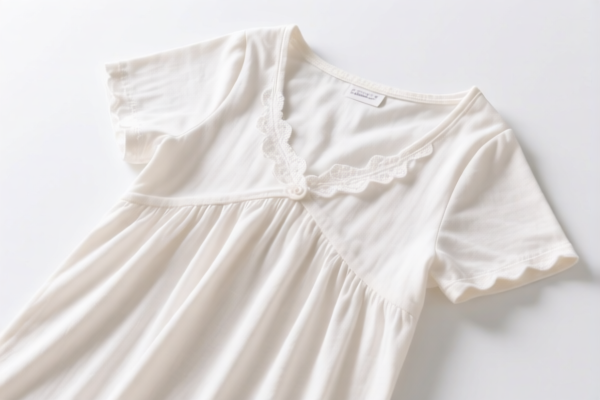
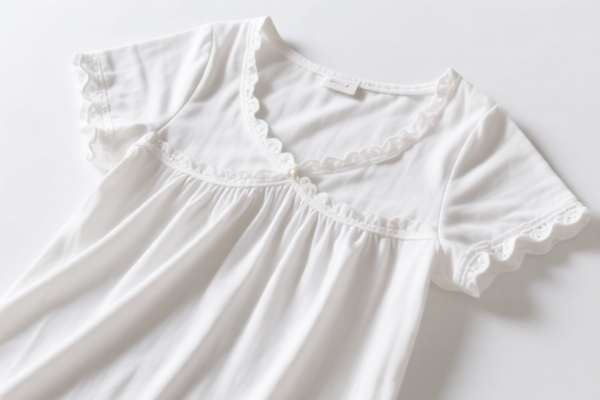
AI Analysis
👘 Ladies' Nightgowns: The Ultimate HS Code & Duty Breakdown (2026 Edition)
🌐 Global Trade & Customs Decoded | 2026 Tariff Guide for Women's Sleepwear | Professional Clearance Strategy
📌 I. Product Definition & Classification: Do You Really Know "Ladies' Nightgown"?
Ladies' Nightgowns (睡裙) are essential items in the global women's sleepwear market, falling under Chapter 61 (Knitted) or Chapter 62 (Woven) of the Harmonized System (HS). The critical distinction lies in manufacturing method (Knitted vs. Woven) and material composition (Silk, Man-made, or Other).
Key Classification Logic: * Knitted/Crocheted (针织/钩编): Made on knitting machines (looped yarn). Typically softer, stretchy. → Chapter 61 * Woven (梭织): Made on looms (warp & weft interlacing). Typically smoother, structured. → Chapter 62 * Material Matters: Silk, Man-made fibers (Polyester/Nylon), or "Other" (Cotton, blends).
⚠️ Critical Differentiator:
- Satin Finish? Often implies Man-made fibers (Chiffon, Satin, Rayon) → 6108.32.00.10 / 6108.92.00.30.
- Pure Silk? → 6208.29.10.00 (Special lower duty).
- Other Materials (Cotton/Wool blend)? → 6104.49.90.60 / 6208.29.90.30.
📦 II. Detailed HS Code Breakdown (2026 Authorized Tariff Reference)
| HS Code | Product Description (Chinese Summary) | Material/Type | Application Scenario |
|---|---|---|---|
6108.32.00.10 |
Satin Nightgown, Knitted/Crocheted, Man-made Fibers | Knitted + Man-made | Shiny, stretchy satin pajamas (Most Common) |
6108.92.00.30 |
Nightgown, Knitted/Crocheted, Man-made Fibers | Knitted + Man-made | Non-satin knitted sleepwear (Cotton/Poly blends) |
6208.29.10.00 |
Nightgown, Woven, Silk or Artificial Silk | Woven + Silk | Luxury silk pajamas, high-end evening wear |
6208.29.90.30 |
Nightgown, Woven, Other Textile Materials | Woven + Other | Woven cotton, linen, or mixed fiber sleepwear |
6104.49.90.60 |
Nightgown, Knitted/Crocheted, Other Textile Materials | Knitted + Other | Knitted cotton or wool blends not fitting "Man-made" |
🔍 Key Reminders:
- Satin is usually a finish, not a fiber. Unless specified as "Real Silk," satin is often Man-made → 6108.32.00.10.
- Knitted vs. Woven is the primary tax discriminator. A "silk" nightgown that is knitted falls under Chapter 61, while a "silk" nightgown that is woven falls under Chapter 62.
- 6108.92.00.30 covers knitted items not specifically listed under 6108.32 (e.g., non-satin).
💰 III. 2026 Tariff Rate Analysis (Including Base, Add-on, and Section 122)
✅ Applicable Country: United States (US)
✅ Origin: China (CN)
✅ Effective Date: Based on 2026 tariff policies (Section 301 & Section 122)
🎯 1. 6108.32.00.10 & 6108.92.00.30 — Knitted Nightgowns (Man-made Fibers)
(Includes Satin & non-satin knitted items)
| Item | Details |
|---|---|
| Base Duty | 16.0% (Standard US MFN Rate) |
| Section 301 Add-on | +7.5% (USITC "China Add-on") |
| Section 122 Add-on | +10.0% (Specific 122 Clause on Textiles) |
| Total Tariff | 33.5% |
| Calculation | CIF Value × 33.5% |
| De Minimis Exemption | ❌ NO (High-risk classification for textile textiles) |
| Legal Path | HTSUS:6108.32.00.10 → Section 301 → Section 122 |
📌 Explanation:
- 16.0% is the standard Base Tariff.
- 7.5% is the Section 301 "Add-on" tariff specifically targeting Chinese textiles.
- 10.0% is the Section 122 tariff, a targeted clause for specific textile categories.
- Total: 33.5% — This is a high-cost category.
🎯 2. 6208.29.10.00 — Woven Nightgowns (Silk/Artificial Silk)
(The "Luxury" Category)
| Item | Details |
|---|---|
| Base Duty | 1.1% (Low base rate for Silk) |
| Section 301 Add-on | +7.5% |
| Section 122 Add-on | +10.0% |
| Total Tariff | 18.6% |
| Calculation | CIF Value × 18.6% |
| De Minimis Exemption | ❌ NO |
| Legal Path | HTSUS:6208.29.10.00 → Section 301 → Section 122 |
📌 Strategy:
- While the base duty is low (1.1%), the Section 122 (10%) and 301 (7.5%) still apply.
- Total: 18.6% is significantly cheaper than knitted man-made options, making Silk a cost-effective choice if the material is genuine.
🎯 3. 6208.29.90.30 — Woven Nightgowns (Other Materials)
| Item | Details |
|---|---|
| Base Duty | 7.1% |
| Section 301 Add-on | +7.5% |
| Section 122 Add-on | +10.0% |
| Total Tariff | 24.6% |
| Calculation | CIF Value × 24.6% |
| De Minimis Exemption | ❌ NO |
🎯 4. 6104.49.90.60 — Knitted Nightgowns (Other Materials)
(e.g., Cotton Knits, Wool)
| Item | Details |
|---|---|
| Base Duty | 5.6% |
| Section 301 Add-on | +7.5% |
| Section 122 Add-on | +10.0% |
| Total Tariff | 23.1% |
| Calculation | CIF Value × 23.1% |
| De Minimis Exemption | ❌ NO |
⚠️ Total Tariff Range: 18.6% (Silk) to 33.5% (Man-made Knitted).
Section 122 is the dominant cost driver across all categories, adding a flat 10% regardless of the base rate.
🛠️ IV. Customs Clearance Practical Advice (Avoiding Pitfalls)
✅ 1. Material & Construction Verification Checklist
| Document | Requirement | Why It Matters |
|---|---|---|
| Fiber Content Label | ✅ Mandatory (e.g., "100% Polyester", "100% Silk") | Determines if it's 6108.32 (Man-made) or 6208.29.10 (Silk). |
| Construction Method | ✅ Knitted vs. Woven | Knitted = Chapter 61 (Higher base duty); Woven = Chapter 62. |
| Finish Description | ✅ Satin? | "Satin" usually implies Man-made unless "Real Silk" is stated. |
| Sample Swatch | ✅ Physical Sample | Customs may request a physical sample to verify fiber content via microscopy. |
✅ 2. Declaration Strategy (The "Satin" Trap)
🔥 Golden Rule: "Do not lie about 'Satin' or 'Silk'!"
| Scenario | Correct Declaration | Wrong Declaration | Consequence |
|---|---|---|---|
| Polyester Satin | HS: 6108.32.00.10Desc: "Knitted Satin Nightgown, Man-made" |
HS: 6208.29.10.00Desc: "Silk Nightgown" |
Seizure + Fraud Penalty! (High base duty 1.1% vs 16% + 10% penalties) |
| Cotton Knit | HS: 6104.49.90.60 |
HS: 6108.32.00.10 |
Misclassification → 23.1% vs 33.5% (Potential overpayment) |
| Silk Woven | HS: 6208.29.10.00 |
HS: 6208.29.90.30 |
18.6% vs 24.6% (Overpayment, but no penalty) |
📌 Note: The term "Satin" describes a weave/finish, not a fiber. If you sell "Satin Nightgowns" made of Polyester, you must declare under
6108.32.00.10(33.5% duty), not the Silk category.
✅ 3. Special Section 122 Clauses
| Clause | Impact |
|---|---|
| Section 122 | Applies +10% to ALL textile apparel categories listed in the DATA, regardless of fiber or knit/woven status. |
| Section 301 | Applies +7.5% to Chinese-origin textiles. |
| De Minimis | NO exemption for these HS Codes. Even small shipments must pay the full 33.5% or 18.6%. |
🌍 V. Global Market Comparison (2026)
| Country | Recommended HS Code | Base Duty | Section 301 | Section 122 | Total Duty |
|---|---|---|---|---|---|
| 🇺🇸 USA | 6108.32.00.10 (Satin) |
16.0% | +7.5% | +10.0% | 33.5% |
| 🇪🇺 EU | 6108.32.00.10 |
12.0% | - | - | 12.0% (No Section 122) |
| 🇯🇵 Japan | 6108.32.00.10 |
15.0% | - | - | 15.0% |
| 🇨🇦 Canada | 6108.32.00.10 |
14.0% | - | - | 14.0% |
| 🇬🇧 UK | 6108.32.00.10 |
12.5% | - | - | 12.5% |
📌 Conclusion:
- USA is the most expensive market due to the Section 122 (+10%) and Section 301 (+7.5%)叠加 (stacking).
- Total US Duty (33.5%) is nearly 3x the base duty.
- Silk Woven (6208.29.10.00) offers the lowest duty in the US at 18.6%, but is still higher than EU/UK/Japan rates.
📌 VI. Common Errors & Pitfalls (Don't Make These Mistakes!)
❌ Error 1: Mislabeling "Satin" as "Silk"
👉 Result: Claiming 6208.29.10.00 (18.6%) for a Polyester satin nightgown.
👉 Consequence: Audited + Back Taxes (33.5% - 18.6%) + Penalties.
❌ Error 2: Ignoring the "Knitted" vs. "Woven" Distinction
👉 Result: Declaring a Knitted nightgown as Woven.
👉 Consequence: Customs may reject the declaration, causing delays.
❌ Error 3: Assuming De Minimis Applies
👉 Result: Trying to ship under $800 (de minimis) without checking the tariff.
👉 Consequence: Seizure of goods for textile products (Section 122 goods are often restricted from de minimis).
🎯 VII. Final Takeaway: Smart Clearing Strategy
🎯 Remember:
🔹 "Satin = Man-made (Usually) = 33.5%"
🔹 "Silk = Woven = 18.6%"
🔹 "Section 122 = 10% Flat Tax on ALL Chinese Textiles"
🔹 "No De Minimis = Full Duty on Every Shipment!"
📌 Pro Tip:
If your nightgowns are 100% Silk and Woven, declare 6208.29.10.00 to save 15% in total duty compared to synthetic satin.
If they are Polyester Satin, prepare for the 33.5% burden. Consider supply chain diversification (e.g., sourcing from Vietnam) to avoid Section 301/122 tariffs.
📣 Immediate Action:
📞 Verify Fiber Content before shipping!
📄 Use Precise Descriptions: "Knitted Satin Nightgown, Man-made Fibers" or "Woven Silk Nightgown".
🚀 Calculate CIF × 33.5% for budgeting.
✨ Professional Customs Clearance Starts with Accurate Classification!
💼 Your Cost Efficiency Depends on Getting the HS Code Right!
Customer Reviews
About HS Code Classification
The Harmonized System (HS) is an internationally standardized nomenclature developed by the World Customs Organization (WCO) to classify traded products. Over 200 countries use the HS system as the basis for customs tariffs, trade statistics, and import/export regulations.
Each HS code follows a hierarchical structure:
- Chapter (2 digits) — Broad category of goods (e.g., Chapter 84: Machinery and Mechanical Appliances)
- Heading (4 digits) — More specific grouping within the chapter
- Subheading (6 digits) — Internationally standardized breakdown, used by all WCO member countries
- National subdivisions (8-10 digits) — Country-specific extensions for further classification, such as US HTSUS 10-digit codes
Correct HS code classification is essential for smooth customs clearance, accurate duty payment, and compliance with trade regulations. Misclassification can lead to customs delays, overpayment of duties, or penalties.
When importing from CN to US, the applicable tariff rates may include:
- Most-Favored-Nation (MFN) rate — The standard duty rate applied to WTO members
- General rate — Applied to countries without trade agreements
- Trade remedy duties — Additional tariffs such as Section 301 (anti-dumping), Section 232 (national security), or countervailing duties
The information provided on this page is for reference purposes only. For official classification, please consult with your local customs authority or a licensed customs broker.