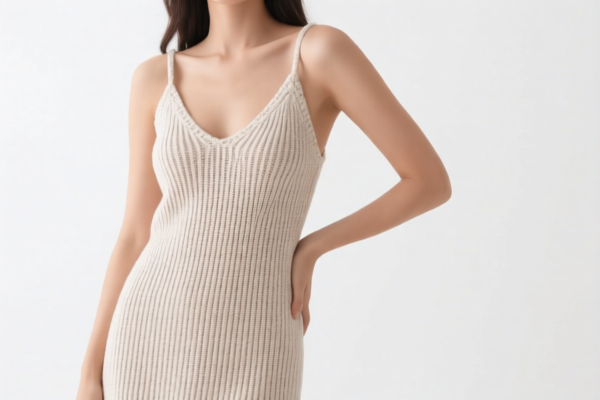
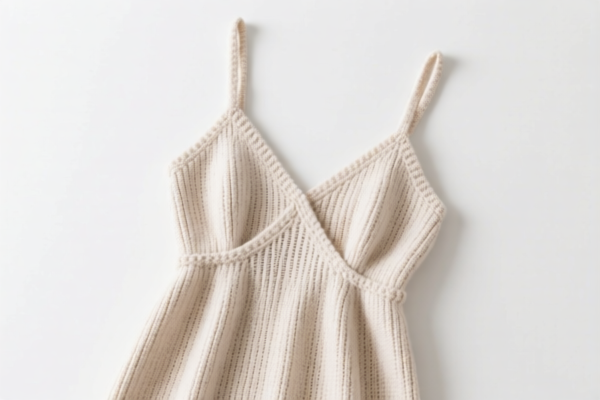
女士针织睡裙
CN → US| HS Code | Tariff Rate | Origin | Destination | Doc |
|---|---|---|---|---|
| 6104432010 | 33.5% | CN | US | Official Doc |
| 6204444010 | 33.5% | CN | US | Official Doc |
| 6204434030 | 33.5% | CN | US | Official Doc |
| 6114303070 | 32.4% | CN | US | Official Doc |
| 6114200060 | 28.3% | CN | US | Official Doc |
Product Images


AI Analysis
👘 Women's Knitted Nightgown (Women's Knitted Dress)
🌐 HS Code Reference & Customs Clearance Guide | 2026 Latest Tariff Analysis | Professional Entry Strategy
📌 I. Product Definition & Classification: What Exactly is a "Knitted Nightgown"?
A Women's Knitted Nightgown is a garment primarily designed for sleep or loungewear at home. In international trade, it falls under Chapter 61 (Articles of Apparel and Clothing Accessories, Knitted or Crocheted). The critical classification factors are: 1. Knitted Construction: It is not woven (woven garments fall under Chapter 62). 2. Gender: Women's/Men's (here: Women's). 3. Function: Sleepwear/Loungewear vs. Daywear.
⚠️ Key Distinction:
- If it is Woven (e.g., cotton flannel, silk blend woven fabric) → It falls under Chapter 62 (e.g., 6204.43/6204.44).
- If it is Knitted (e.g., jersey, fleece, tricot) → It falls under Chapter 61.
- Note: The provided data implies a mix of knitted and potentially woven classifications depending on specific material and duty interpretations. We will analyze all provided HS Codes below.
📦 II. HS Code Classification Details (2026 Latest Tariff Reference)
| HS Code | Product Description | Material/Logic | Total Tax Rate | Tax Breakdown |
|---|---|---|---|---|
6204.44.40.10 |
Women's Knitted Dress (Woven Chapter Conflict Note) | Synthetic fiber or Cotton | 33.5% | Base: 16.0%, Section 301: 7.5%, 122 Clause: 10% |
6104.43.20.10 |
Women's Knitted Dress | Knitted/Crocheted | 33.5% | Base: 16.0%, Section 301: 7.5%, 122 Clause: 10% |
6114.20.00.60 |
Knitted Dress (Cotton Assumed) | Knitted (Cotton inferred) | 28.3% | Base: 10.8%, Section 301: 7.5%, 122 Clause: 10% |
6114.30.30.70 |
Knitted Dress (Other Fiber) | Knitted (Other fiber inferred) | 32.4% | Base: 14.9%, Section 301: 7.5%, 122 Clause: 10% |
6204.43.40.30 |
Women's Dress (Other) | Synthetic/Natural Fiber | 33.5% | Base: 16.0%, Section 301: 7.5%, 122 Clause: 10% |
🔍 Critical Observation:
- Chapter 61 vs. Chapter 62: Technically, "Knitted" should be Chapter 61 (6104,6114). Codes6204.44.40.10and6204.43.40.30are in Chapter 62 (Woven). However, some classifiers may misclassify knitted sleepwear as woven if the fabric structure is ambiguous or if specific "nightgown" exceptions apply. Always verify fabric construction (knitted vs. woven) to avoid misclassification penalties. - Material Matters: Cotton (6114.20) often has a lower base tariff (10.8%) compared to synthetic fibers (6104.43or6204at 16.0%).
💰 III. 2026 Latest Tariff Rate Details (Including Surcharges & Policy Add-ons)
✅ Applicable Country: USA (US)
✅ Origin: China (CN)
✅ Effective Date: Post-2025 (Includes ongoing tariffs)
🎯 1. 6104.43.20.10 / 6204.44.40.10 / 6204.43.40.30 – Higher Base Tariff Items
| Item | Content |
|---|---|
| Base Tariff | 16.0% (Ad Valorem) |
| Section 301 Tariff | +7.5% (From USITC Footnote 9903.01.24/25) |
| Section 122 Clause Tariff | +10% (Specific policy surcharge for certain apparel/textiles) |
| Total Tariff Rate | 33.5% |
| Tax Calculation | CIF Value × 33.5% |
| De Minimis Exemption | ❌ Not Eligible (Value > $800 threshold does not exempt from these specific duties; also, apparel often excluded from 321/321A benefits if high value) |
| Legal Basis Path | IEEPA:9903.01.24 → USITC:6104.43.20.10 → FOOTNOTE:9903.01.25 |
📌 Explanation:
- The 16.0% base rate is standard for many women's knitted/woven dresses from China. - The 7.5% Section 301 is the standard additional duty on many Chinese textile/apparel items. - The 10% Section 122 is a specific surcharge applied to certain textile products. - Total 33.5% is a significant cost driver.
🎯 2. 6114.20.00.60 – Cotton Knitted Dress (Lower Base)
| Item | Content |
|---|---|
| Base Tariff | 10.8% (Ad Valorem) |
| Section 301 Tariff | +7.5% |
| Section 122 Clause Tariff | +10% |
| Total Tariff Rate | 28.3% |
| Tax Calculation | CIF Value × 28.3% |
| De Minimis Exemption | ❌ Not Eligible |
| Legal Basis Path | IEEPA:9903.01.24 → USITC:6114.20.00.60 → FOOTNOTE:9903.01.25 |
📌 Note:
- If your nightgown is 100% Cotton, you can potentially classify under6114.20.00.60, saving 5.2% in total duty compared to synthetic options. - Verification Required: Must provide fabric composition label and mill certificate proving cotton content.
🎯 3. 6114.30.30.70 – Other Knitted Dress (Mixed Fiber)
| Item | Content |
|---|---|
| Base Tariff | 14.9% |
| Section 301 Tariff | +7.5% |
| Section 122 Clause Tariff | +10% |
| Total Tariff Rate | 32.4% |
| Tax Calculation | CIF Value × 32.4% |
| Legal Basis Path | IEEPA:9903.01.24 → USITC:6114.30.30.70 |
📌 Note:
- This code is a "catch-all" for knitted dresses not specified elsewhere (e.g., synthetic blends). It falls between the cotton and high-base synthetic rates.
🛠️ IV. Customs Clearance Practical Advice (Real-World Pitfall Avoidance)
✅ 1. Required Documentation Checklist (Non-Negotiable)
| Document | Mandatory? | Explanation |
|---|---|---|
| ✅ Product Specification Sheet | ✔️ | Must clearly state: "Nightgown," "Knitted," Gender, Material % |
| ✅ Fabric Composition Label | ✔️ | Proof of Cotton vs. Synthetic is critical for rate difference (10.8% vs 16.0%) |
| ✅ Product Photos | ✔️ | Show full garment, close-up of knit structure, and tags |
| ✅ Commercial Invoice | ✔️ | Must describe as "Women's Knitted Cotton Nightgown" or similar |
| ✅ Packing List | ✔️ | Weight, dimensions, quantity |
| ✅ Certificate of Origin (CO) | ✔️ | Essential for claiming any potential FTA benefits (if applicable) |
✅ 2. Classification Strategy (Key Tips)
🔥 "Know Your Fiber, Know Your Rate!"
| Scenario | Correct HS Code | Wrong Code | Risk |
|---|---|---|---|
| 100% Cotton Knitted Nightgown | 6114.20.00.60 (28.3%) |
6104.43.20.10 (33.5%) |
Overpaying by 5.2% |
| Polyester/Spandex Knitted Nightgown | 6104.43.20.10 (33.5%) |
6114.20.00.60 |
Underpaying → Penalties + Back Taxes |
| Woven Nightgown (e.g., Flannel) | 6204.44.40.10 (33.5%) |
6104.43.20.10 |
Misclassification → Delay/Seizure |
| Knitted Pajama Set (Top+Bottom) | Not covered (Separate codes) | 6104.43.20.10 |
Pajama sets have different codes than single dresses |
✅ 3. Special Situations
| Situation | Handling Advice |
|---|---|
| Sample vs. Bulk | Samples under $800 may qualify for Section 321 (De Minimis), but Section 301 and 122 duties may still apply depending on current CBP rulings. Verify current de minimis status for textiles. |
| Mixed Materials | If >50% cotton → Use Cotton code (6114.20). If >50% synthetic → Use Synthetic code (6104 or 6114.30). Never guess; provide exact % composition. |
| Branded Goods | Ensure brand name matches invoice. Counterfeit goods lead to immediate seizure. |
| Sleepwear vs. Daywear | If the garment is also marketed as a "dressing gown" or "robe," it might fall under different codes (6108 or 6208). Ensure description matches primary function. |
🌍 V. Global Market Comparison (2026 Latest)
| Country/Region | Recommended HS Code | Tariff Rate (China Origin) | Certification | Notes |
|---|---|---|---|---|
| 🇺🇸 USA | 6104.43.20.10 / 6114.20.00.60 |
28.3% – 33.5% | FCC (not applicable), CPSIA (if for kids) | High Tariff due to Section 301 + 122 |
| 🇨🇳 China | 6104.43.20.10 |
10% (Import) | CCC (not applicable for apparel) | Low import duty, but focus on export compliance |
| 🇪🇺 EU | 6104.43 |
12% (General) | CE (not for apparel), REACH | No Section 301/122 equivalent |
| 🇬🇧 UK | 6104.43 |
12% | UKCA (not for apparel) | Post-Brexit rules apply |
| 🇯🇵 Japan | 6104.43 |
18.0% | PSE (not for apparel) | Higher base rate but no US-style surcharges |
📌 Conclusion:
- USA is the most expensive market for knitted nightgowns from China due to the 33.5% total effective rate.
- Cotton content is your best friend: Reduces base rate by 5.2%.
- Documentation is Key: Precise material declaration is the only way to ensure the lowest valid rate.
📌 VI. Common Errors & Pitfall Guide (Lessons Learned)
❌ Error 1: Misclassifying Knitted as Woven
👉 Consequence: Wrong HS Code (6204 vs 6104). Even if rates are similar (33.5%), it triggers additional scrutiny and potential penalties for incorrect declaration.
❌ Error 2: Ignoring Material Composition
👉 Consequence: Assuming all knitted dresses are 33.5%. If 100% Cotton, you could have paid 28.3%. Overpayment of 5.2% is avoidable.
❌ Error 3: Failing to Specify "Nightgown"
👉 Consequence: If labeled simply "Dress," CBP may classify as daywear. If daywear, same code, but if it's a "Robe" or "Pajama Set," code changes. Ambiguity leads to delays.
❌ Error 4: Not Accounting for Section 122
👉 Consequence: Assuming only Base + Section 301. The 10% Section 122 is often overlooked. Total 33.5% is the real cost.
✅ Correct Approach:
"Women's Knitted Cotton Nightgown, 100% Cotton, Jersey Knit, Pink, Size M, HS 6114.20.00.60"
🎯 VII. Conclusion: Precision in Classification Saves Money!
🎯 Remember These Rules:
🔹 "Knitted = Chapter 61, Woven = Chapter 62"
🔹 "Cotton is Cheaper (28.3%) than Synthetic (33.5%)"
🔹 "Always Include Section 301 (7.5%) and Section 122 (10%)"
🔹 "Total Duty = Base + 7.5% + 10%"
📌 Pro Tip:
If your nightgown is not made in China (e.g., Bangladesh, Vietnam), Section 301 and Section 122 do not apply.
- Vietnam/Bangladesh Origin: Tariff may be just Base Rate (10.8%-16.0%), saving 17-22% in duties.
- Consider Supply Chain Diversification if US tariffs are too high.
📣 Immediate Action:
📞 Consult a licensed customs broker + Provide fabric composition certificate + Verify Section 122 applicability
🚀 Let your nightgowns pass smoothly, reduce costs, and boost profits!
✨ Professional customs clearance starts with accurate classification!
💼 Every percentage point counts!
Customer Reviews
About HS Code Classification
The Harmonized System (HS) is an internationally standardized nomenclature developed by the World Customs Organization (WCO) to classify traded products. Over 200 countries use the HS system as the basis for customs tariffs, trade statistics, and import/export regulations.
Each HS code follows a hierarchical structure:
- Chapter (2 digits) — Broad category of goods (e.g., Chapter 84: Machinery and Mechanical Appliances)
- Heading (4 digits) — More specific grouping within the chapter
- Subheading (6 digits) — Internationally standardized breakdown, used by all WCO member countries
- National subdivisions (8-10 digits) — Country-specific extensions for further classification, such as US HTSUS 10-digit codes
Correct HS code classification is essential for smooth customs clearance, accurate duty payment, and compliance with trade regulations. Misclassification can lead to customs delays, overpayment of duties, or penalties.
When importing from CN to US, the applicable tariff rates may include:
- Most-Favored-Nation (MFN) rate — The standard duty rate applied to WTO members
- General rate — Applied to countries without trade agreements
- Trade remedy duties — Additional tariffs such as Section 301 (anti-dumping), Section 232 (national security), or countervailing duties
The information provided on this page is for reference purposes only. For official classification, please consult with your local customs authority or a licensed customs broker.