女式外套
CN → US| HS Code | Tariff Rate | Origin | Destination | Doc |
|---|---|---|---|---|
| 6202302050 | 26.4% | CN | US | Official Doc |
| 4303100060 | 39.0% | CN | US | Official Doc |
| 6202404500 | 24.6% | CN | US | Official Doc |
| 6114301020 | 45.7% | CN | US | Official Doc |
| 6114200010 | 20.8% | CN | US | Official Doc |
Product Images
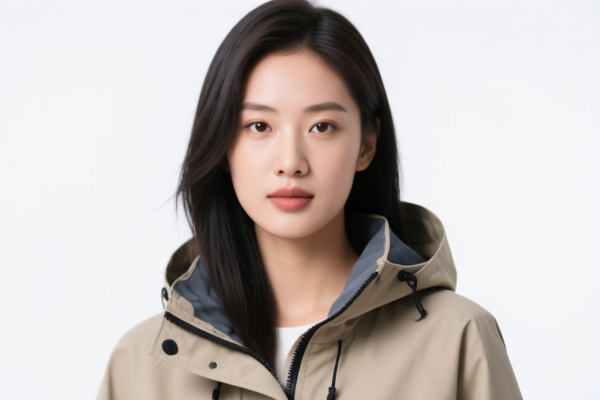
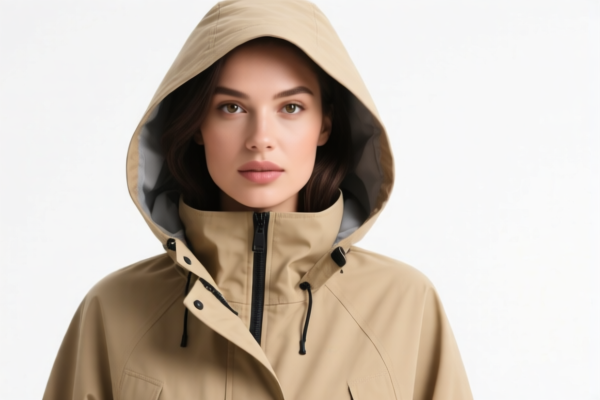
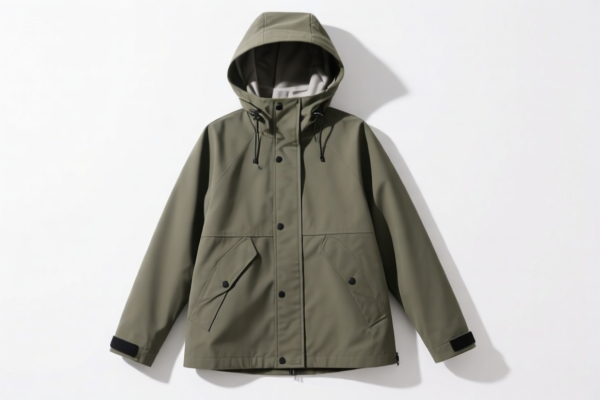

AI Analysis
🧥 Women's Windbreakers (Outerwear for Women)
🌐 HS Code Reference & Customs Clearance Guide | 2026 Latest Tariff Analysis | Professional Clearance Strategy
📌 I. Product Definition & Classification: Do You Really Know "Women's Windbreakers"?
Women's windbreakers are lightweight, protective outer garments designed to shield against wind, light rain, or cold. In international trade, the material composition is the single most critical factor determining the HS Code and, consequently, the tariff rate.
Two Primary Material Categories:
1. Non-Knitted (Woven) Fabrics: Traditional construction, often cotton or synthetic woven fibers.
* HS Chapter: 62
2. Knitted or Crocheted Fabrics: Stretchable, often synthetic or cotton blends.
* HS Chapter: 61
⚠️ Key Distinction Point:
- If the garment is knitted (stretchy, looped structure) → Falls under Chapter 61 (e.g.,6114).
- If the garment is woven (flat, non-stretch structure) → Falls under Chapter 62 (e.g.,6202).
- Cotton vs. Synthetic: Within each chapter, cotton and synthetic fibers have vastly different base tariffs, leading to significant cost differences.
📦 II. HS Code Classification Details (2026 Latest Tariff Authority Comparison)
Based on the provided data, here are the five specific HS Codes for Women's Windbreakers, categorized by material and construction.
| HS Code | Product Description | Material Inference | Construction Type | Total Tax Rate* |
|---|---|---|---|---|
6202.30.40.00 |
Women's windbreakers | Cotton | Woven (Non-knitted) | 23.7% |
6114.30.10.20 |
Women's windbreakers | Synthetic/Artificial Fibers | Knitted/Crocheted | 45.7% |
6202.40.45.00 |
Women's windbreakers | Artificial Fibers | Woven (Non-knitted) | 24.6% |
6114.20.00.10 |
Women's windbreakers | Knitted Cotton | Knitted/Crocheted | 20.8% |
6104.33.20.00 |
Women's windbreakers | Synthetic Fibers | Knitted/Crocheted | 45.7% |
🔍 Key Insight:
- Cotton Woven (6202.30.40.00) offers a moderate tax rate (23.7%).
- Knitted Cotton (6114.20.00.10) offers the lowest tax rate (20.8%) among all listed options because it avoids the high "Section 301" additional duties.
- Synthetic/Artificial Fibers attract the highest penalties, totaling 45.7% for knitted items and 24.6% for woven artificial fibers.
💰 III. 2026 Latest Tariff Rate Breakdown (Including Additional Taxes & Policy Surcharges)
✅ Applicable Country: United States (US)
✅ Origin: China (CN)
✅ Effective Date: Current rates apply for imports subject to Section 301 and Section 122 measures.
🎯 1. 6202.30.40.00 — Women's Windbreakers (Woven, Cotton)
| Item | Detail |
|---|---|
| Base Tariff | 6.2% |
| Section 301 Additional Tariff | +7.5% |
| Section 122 Tariff | +10% |
| Total Effective Rate | 23.7% |
| Tax Calculation | CIF Value × 23.7% |
| De Minimis Exemption | ❌ Not Applicable (Deny De Minimis) |
| Legal Basis | Standard HTSUS + Section 301 Footnotes + Section 122 Authority |
📌 Explanation:
- Base Tariff (6.2%): Standard Most Favored Nation (MFN) rate for woven women's outerwear.
- Section 301 (7.5%): Additional tariff on Chinese goods, widely applied to apparel.
- Section 122 (10%): Additional tariff specifically targeting certain textile/apparel items from China to protect domestic manufacturing.
- Total: 23.7%. This is a moderate-high burden, primarily driven by the two punitive tariffs.
🎯 2. 6114.30.10.20 — Women's Windbreakers (Knitted, Synthetic/Artificial Fibers)
| Item | Detail |
|---|---|
| Base Tariff | 28.2% |
| Section 301 Additional Tariff | +7.5% |
| Section 122 Tariff | +10% |
| Total Effective Rate | 45.7% |
| Tax Calculation | CIF Value × 45.7% |
| De Minimis Exemption | ❌ Not Applicable (Deny De Minimis) |
| Legal Basis | Standard HTSUS + Section 301 Footnotes + Section 122 Authority |
📌 Warning:
- Base Tariff (28.2%): Knitted synthetic women's outerwear has a very high base rate compared to woven items.
- Total: 45.7%. This is the highest possible rate in this dataset.
- Impact: Nearly half of the product value is paid in taxes. Avoid this classification if possible.
🎯 3. 6202.40.45.00 — Women's Windbreakers (Woven, Artificial Fibers)
| Item | Detail |
|---|---|
| Base Tariff | 7.1% |
| Section 301 Additional Tariff | +7.5% |
| Section 122 Tariff | +10% |
| Total Effective Rate | 24.6% |
| Tax Calculation | CIF Value × 24.6% |
| De Minimis Exemption | ❌ Not Applicable (Deny De Minimis) |
| Legal Basis | Standard HTSUS + Section 301 Footnotes + Section 122 Authority |
📌 Note:
- Base Tariff (7.1%): Lower than synthetic knitted items, but still subject to Section 122.
- Total: 24.6%. Similar to the cotton woven option, but slightly higher due to the base rate difference.
🎯 4. 6114.20.00.10 — Women's Windbreakers (Knitted, Cotton)
| Item | Detail |
|---|---|
| Base Tariff | 10.8% |
| Section 301 Additional Tariff | 0.0% |
| Section 122 Tariff | +10% |
| Total Effective Rate | 20.8% |
| Tax Calculation | CIF Value × 20.8% |
| De Minimis Exemption | ❌ Not Applicable (Deny De Minimis) |
| Legal Basis | Standard HTSUS + Section 122 Authority (No Section 301) |
📌 Optimization Opportunity:
- Base Tariff (10.8%): Reasonable for cotton.
- Section 301 (0.0%): Crucial Advantage! Knitted cotton items may be exempt from or not included in the 7.5% Section 301 list, saving 7.5% compared to synthetic or woven alternatives.
- Total: 20.8%. This is the lowest tax rate in the dataset.
- Recommendation: If your product is made of knitted cotton, ensure you classify it here to save significant costs.
🎯 5. 6104.33.20.00 — Women's Windbreakers (Knitted, Synthetic Fibers)
| Item | Detail |
|---|---|
| Base Tariff | 28.2% |
| Section 301 Additional Tariff | +7.5% |
| Section 122 Tariff | +10% |
| Total Effective Rate | 45.7% |
| Tax Calculation | CIF Value × 45.7% |
| De Minimis Exemption | ❌ Not Applicable (Deny De Minimis) |
| Legal Basis | Standard HTSUS + Section 301 Footnotes + Section 122 Authority |
📌 Warning:
- Identical tax structure to6114.30.10.20.
- Total: 45.7%.
- Why? Synthetic knitted women's outerwear is heavily penalized in both base tariffs and additional duties.
🛠️ IV. Customs Clearance Practical Advice (Real-World Pitfall Guide)
✅ 1. Preparation Checklist (Missing Documents = Delays)
| Document | Required | Explanation |
|---|---|---|
| ✅ Product Spec Sheet | ✔️ | Must clearly state fiber content (e.g., "100% Cotton" or "95% Poly, 5% Spandex"). |
| ✅ Fabric Swatch/Photo | ✔️ | Customs may require physical proof to distinguish Woven vs. Knitted. |
| ✅ Commercial Invoice | ✔️ | Description must match HS Code logic (e.g., "Knitted Women's Windbreaker"). |
| ✅ Bill of Lading/Air Waybill | ✔️ | Standard shipping documents. |
| ✅ Country of Origin Certificate | ✔️ | Essential for proving Chinese origin and calculating Section 301/122. |
✅ 2. Declaration Strategy (Key Mantra)
🔥 “Material is King, Weave is Queen, Label Accurate, Tax Saved!”
| Scenario | Correct Declaration | Wrong Practice |
|---|---|---|
| Knitted Cotton | 6114.20.00.10 |
Misdeclaring as Woven → Risk of audit + penalties |
| Woven Cotton | 6202.30.40.00 |
Misdeclaring as Synthetic → Higher base rate error |
| Synthetic (Any) | 6114... or 6202.40... |
Claiming "Cotton" → Fraud/Smuggling charges |
| Mixed Material | Check % weight | Guessing → Incorrect HS Code |
📌 Critical Reminder:
- Woven vs. Knitted: If the fabric has "stretch" and loops, it is likely Knitted (Chapter 61). If it is flat and non-stretch, it is Woven (Chapter 62).
- Cotton vs. Synthetic: Check the care label. "Cotton" vs. "Polyester/Nylon/Spandex" changes the base tariff by 10-20%.
✅ 3. Special Circumstances
| Situation | Handling Advice |
|---|---|
| OEM/Private Label | Ensure the brand owner's info is clear, but the product description must focus on material/construction. |
| Set/Bundle | If sold with pants/jackets, the whole set may be classified as "set" or the principal item. Check HTSUS Rule of 3. |
| Sub-2500 De Minimis | ❌ Not Applicable. Section 122 and Section 301 items are explicitly excluded from Section 321 (De Minimis) relief. Taxes must be paid at entry. |
| Section 122 Exemptions | Some cotton items may qualify for exemptions if specific criteria are met. Verify with a customs broker. |
🌍 V. Global Market Comparison (2026 Latest)
| Country/Region | Recommended HS Code | Tariff (China Origin) | Certification | Remarks |
|---|---|---|---|---|
| 🇺🇸 USA | 6114.20.00.10 (Knit Cotton) |
20.8% | None | Lowest rate among US options. |
| 🇺🇸 USA | 6114.30.10.20 (Knit Synth) |
45.7% | None | Highest penalty. Avoid if possible. |
| 🇪🇺 EU | 6202 / 6114 | 12% | CE (if tech apparel) | No Section 301/122. Lower base. |
| 🇨🇳 China | 6202 / 6114 | 10-16% | N/A | Base import tariff only. |
| 🇨🇦 Canada | 6202 / 6114 | 16-18% | N/A | No extra punitive tariffs. |
📌 Conclusion:
- The US market is uniquely punitive due to Section 301 and Section 122.
- Knitted Cotton (6114.20.00.10) is the strategic choice for US imports to minimize duty (20.8% vs 45.7%).
📌 VI. Common Mistakes & Pitfalls (Lessons Learned)
❌ Mistake 1: Classifying Synthetic Knitted items as Cotton Woven to lower taxes.
👉 Consequence: Customs audit, seizure, and fines. Evidence (labels, swatches) will prove misclassification.
❌ Mistake 2: Assuming De Minimis ($800) applies to windbreakers.
👉 Consequence: Shipment held at border. Section 122 items never qualify for De Minimis relief.
❌ Mistake 3: Ignoring the Woven vs. Knitted distinction.
👉 Consequence: Wrong chapter (61 vs 62). Base tariffs differ by 20%+ (28.2% vs 6.2%).
❌ Mistake 4: Not disclosing Chinese Origin accurately.
👉 Consequence: Avoids Section 301 initially, but flagged later → Back taxes + penalties.
✅ Correct Approach:
"Women's Knitted Cotton Windbreaker, 100% Cotton, Knitted Fabric, Model XYZ, Origin: China"
HS Code:6114.20.00.10
Rate: 20.8%
🎯 VII. Conclusion: Smart Classification, Profit Protection!
🎯 Remember the Mantra:
🔹 "Knit Cotton is King (20.8%)"
🔹 "Woven Cotton is Queen (23.7%)"
🔹 "Synthetic is the Villain (45.7%)"
🔹 "Section 122 & 301: Pay Up or Plan Ahead!"
📌 Pro Tip:
If you are importing large volumes, consider supply chain diversification. Products originating from Vietnam, India, or Bangladesh may enjoy 0% Section 301 duties, drastically reducing costs regardless of HS Code.
📣 Immediate Action:
📞 Consult a licensed customs broker for an Advance Ruling on your specific fabric samples.
📦 Ensure your care labels accurately reflect material content to match the HS Code declaration.
🚀 Optimize your fabric choice (Knitted Cotton > Woven Cotton > Synthetic) to save up to 25% in taxes!
✨ Professional clearance starts with precise classification!
💼 Every percentage point saved is pure profit!
Customer Reviews
About HS Code Classification
The Harmonized System (HS) is an internationally standardized nomenclature developed by the World Customs Organization (WCO) to classify traded products. Over 200 countries use the HS system as the basis for customs tariffs, trade statistics, and import/export regulations.
Each HS code follows a hierarchical structure:
- Chapter (2 digits) — Broad category of goods (e.g., Chapter 84: Machinery and Mechanical Appliances)
- Heading (4 digits) — More specific grouping within the chapter
- Subheading (6 digits) — Internationally standardized breakdown, used by all WCO member countries
- National subdivisions (8-10 digits) — Country-specific extensions for further classification, such as US HTSUS 10-digit codes
Correct HS code classification is essential for smooth customs clearance, accurate duty payment, and compliance with trade regulations. Misclassification can lead to customs delays, overpayment of duties, or penalties.
When importing from CN to US, the applicable tariff rates may include:
- Most-Favored-Nation (MFN) rate — The standard duty rate applied to WTO members
- General rate — Applied to countries without trade agreements
- Trade remedy duties — Additional tariffs such as Section 301 (anti-dumping), Section 232 (national security), or countervailing duties
The information provided on this page is for reference purposes only. For official classification, please consult with your local customs authority or a licensed customs broker.