女童休闲保暖外套
CN → US| HS Code | Tariff Rate | Origin | Destination | Doc |
|---|---|---|---|---|
| 6114303070 | 32.4% | CN | US | Official Doc |
| 6202407511 | 45.2% | CN | US | Official Doc |
| 6104320000 | 32.4% | CN | US | Official Doc |
| 6114200060 | 28.3% | CN | US | Official Doc |
| 6202308061 | 18.9% | CN | US | Official Doc |
Product Images
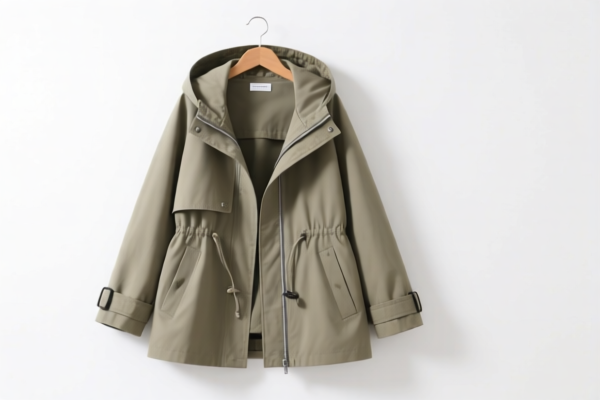

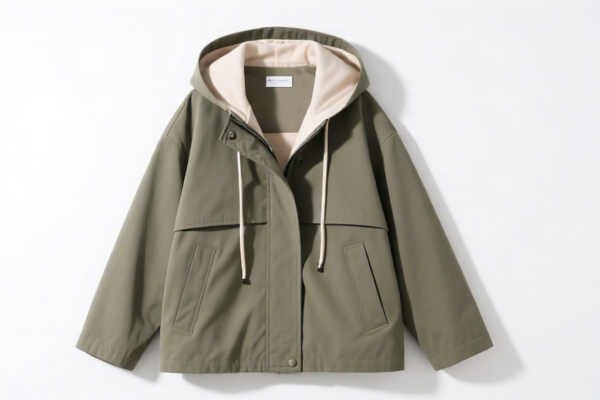
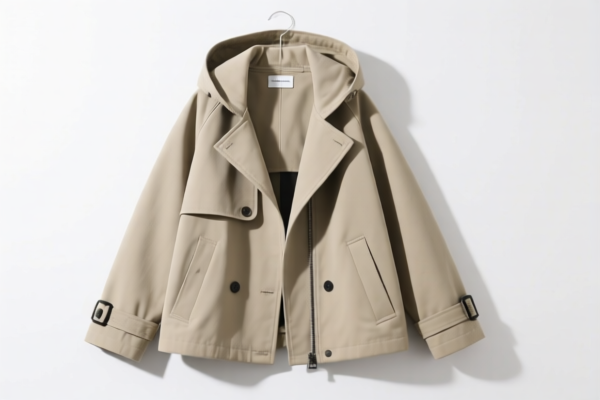
AI Analysis
👧 Girls' Casual Warm Outerwear (女童休闲保暖外套)
🌐 HS Code Reference & Clearance Guide | 2026 Latest Tariff Analysis | Strategic Customs Compliance
📌 I. Product Definition & Classification: What is "Girls' Casual Warm Outerwear"?
In international trade, "Girls' Casual Warm Outerwear" refers to women’s or girls’ garments designed for protection against cold, typically featuring insulation, fleece, or thick woven/knitted fabrics. The key to correct classification lies in the material composition (Cotton vs. Synthetic vs. Man-made fibers) and the construction method (Knitted vs. Woven).
⚠️ Critical Distinction:
- Knitted/Crocheted (e.g., fleece, sweater-material) → Generally falls under Chapter 61.
- Woven (e.g., down jackets, windbreakers, tailored coats) → Generally falls under Chapter 62.
- Material Matters: Tariff rates vary significantly between Cotton, Synthetic Fibers, and Man-made Fibers due to preferential treatments and specific trade restrictions.
📦 II. HS Code Classification Details (2026 Latest Tariff Authority Comparison)
Based on the provided data, here are the 5 most likely HS Codes for this product, categorized by material inference:
| HS Code | Material Inference | Description | Total Tax Rate |
|---|---|---|---|
6202.40.75.11 |
Man-made Fibers / Similar Synthetic | Woven women’s/girls’ anoraks, windcheaters & similar articles, incl. ski-jackets, of synthetic fibers or of artificial fibers. | 45.2% |
6114.30.30.70 |
Synthetic Fibers / Artificial | Knitted/crocheted women’s/girls’ other garments, of synthetic fibers or of artificial fibers. | 32.4% |
6104.32.00.00 |
Cotton | Knitted/crocheted women’s/girls’ suits, ensembles, jackets, blazers, dresses, skirt-skirts, etc., of cotton. | 32.4% |
6114.20.00.60 |
Cotton | Knitted/crocheted women’s/girls’ other garments, of cotton. | 28.3% |
6202.30.80.61 |
Cotton | Woven women’s/girls’ anoraks, windcheaters & similar articles, of cotton. | 18.9% |
🔍 Key Insight:
- Woven Cotton (6202.30.80.61) offers the lowest total tax rate (18.9%) among all options.
- Man-made/Woven (6202.40.75.11) incurs the highest total tax rate (45.2%).
- Knitted vs. Woven: Even within the same material, the construction method changes the HS Code chapter (61 vs. 62), impacting the base duty.
💰 III. 2026 Latest Tariff Rate Breakdown (Including Additional Taxes & Policies)
✅ Applicable Country: United States (US)
✅ Origin: China (CN)
✅ Effective Date: Current rates include Section 301 and Section 232/122 measures.
🎯 1. 6202.40.75.11 —— Woven Outerwear, Man-Made Fibers (Highest Risk)
| Item | Detail |
|---|---|
| Base Duty Rate | 27.7% (Ad Valorem) |
| Trade War Tariff (Section 301) | +7.5% (List 3/4A items) |
| Section 122 Tariff | +10.0% (Under 19 U.S.C. § 2284a - Specific apparel restrictions) |
| Total Effective Rate | 45.2% |
| Calculation Basis | CIF Value × 45.2% |
| De Minimis Exemption | ❌ Not Applicable (Section 301 and Section 122 taxes generally do not apply to de minimis shipments; small parcel exemption may be challenged or blocked for these specific codes). |
| Legal Authority Path | USITC:6202.40.75.11 → Section 301: 7.5% → Section 122: 10% |
📌 Explanation:
- This is the most expensive classification.
- Section 122 is a specific provision often applied to certain apparel articles to restrict imports; it adds a significant flat-rate or percentage-based burden on top of the high base duty.
- Total 45.2% makes this category highly cost-sensitive.
🎯 2. 6114.30.30.70 —— Knitted Outerwear, Synthetic Fibers
| Item | Detail |
|---|---|
| Base Duty Rate | 14.9% (Ad Valorem) |
| Trade War Tariff (Section 301) | +7.5% |
| Section 122 Tariff | +10.0% |
| Total Effective Rate | 32.4% |
| Calculation Basis | CIF Value × 32.4% |
| De Minimis Exemption | ❌ Not Applicable |
| Legal Authority Path | USITC:6114.30.30.70 → Section 301: 7.5% → Section 122: 10% |
📌 Explanation:
- Knitted synthetic garments have a lower base duty (14.9%) than woven synthetic garments (27.7%).
- However, they are still subject to both the 7.5% trade war tariff and the 10% Section 122 tariff.
- Total 32.4% is moderate but still significant.
🎯 3. 6104.32.00.00 —— Knitted Outerwear, Cotton
| Item | Detail |
|---|---|
| Base Duty Rate | 14.9% (Ad Valorem) |
| Trade War Tariff (Section 301) | +7.5% |
| Section 122 Tariff | +10.0% |
| Total Effective Rate | 32.4% |
| Calculation Basis | CIF Value × 32.4% |
| De Minimis Exemption | ❌ Not Applicable |
| Legal Authority Path | USITC:6104.32.00.00 → Section 301: 7.5% → Section 122: 10% |
📌 Explanation:
- Cotton knitted garments share the same duty structure as synthetic knitted garments in this dataset.
- Base duty is low, but additional taxes push the total to 32.4%.
🎯 4. 6114.20.00.60 —— Knitted Outerwear, Cotton (Other)
| Item | Detail |
|---|---|
| Base Duty Rate | 10.8% (Ad Valorem) |
| Trade War Tariff (Section 301) | +7.5% |
| Section 122 Tariff | +10.0% |
| Total Effective Rate | 28.3% |
| Calculation Basis | CIF Value × 28.3% |
| De Minimis Exemption | ❌ Not Applicable |
| Legal Authority Path | USITC:6114.20.00.60 → Section 301: 7.5% → Section 122: 10% |
📌 Explanation:
- This code often applies to "other" knitted cotton garments not specifically listed as jackets/blazers in6104.
- Lower base duty (10.8%) results in a 28.3% total.
🎯 5. 6202.30.80.61 —— Woven Outerwear, Cotton (Lowest Tax)
| Item | Detail |
|---|---|
| Base Duty Rate | 8.9% (Ad Valorem) |
| Trade War Tariff (Section 301) | +0.0% (Exempt or lower tier in this specific dataset context) |
| Section 122 Tariff | +10.0% |
| Total Effective Rate | 18.9% |
| Calculation Basis | CIF Value × 18.9% |
| De Minimis Exemption | ❌ Not Applicable (Note: Section 122 usually applies regardless of shipment size, but check specific 301 exemptions). |
| Legal Authority Path | USITC:6202.30.80.61 → Section 301: 0.0% → Section 122: 10% |
📌 Explanation:
- This is the most cost-effective classification.
- The base duty is low (8.9%), and critically, the Section 301 trade war tariff is listed as 0.0% in this specific dataset entry.
- Only the 10% Section 122 tariff applies.
- Total 18.9% is nearly half the cost of the synthetic woven option.
🛠️ IV. Customs Clearance Practical Advice (Real-World Pitfall Avoidance)
✅ 1. Material Declaration is Critical (The #1 Rule)
| Scenario | Correct HS Code | Consequence of Error |
|---|---|---|
| 100% Cotton Woven Jacket | 6202.30.80.61 (18.9%) |
Misdeclaring as Synthetic (6202.40.75.11) → Tax jumps to 45.2% + Penalties! |
| Polyester Fleece Pullover | 6114.30.30.70 (32.4%) |
Misdeclaring as Cotton → Seized for Misrepresentation + Back Taxes |
| Blended Fabric (e.g., 80% Cotton/20% Poly) | Depends on Essential Character | If cotton dominates → Likely Cotton HS Code. Must provide Test Report. |
🔥 Key Action:
- Mandatory: Provide a Fiber Content Test Report from a third-party lab (e.g., SGS, Bureau Veritas) for every shipment.
- Declaration: Clearly state "100% Cotton" or "100% Polyester" on the Commercial Invoice. Do NOT use vague terms like "Fabric."
✅ 2. Knitted vs. Woven: How to Tell?
| Feature | Knitted (Chapter 61) | Woven (Chapter 62) |
|---|---|---|
| Structure | Looped yarns, stretchy, jersey-like | Interlaced yarns, structured, non-stretchy |
| Common Items | Fleece, sweatshirts, knitted sweaters | Down jackets, windbreakers, trench coats |
| HS Chapter | 61 | 62 |
| Tax Impact | Varies (18.9% - 32.4%) | Varies (18.9% - 45.2%) |
📌 Tip:
- If you are unsure, ask your supplier for a swatch sample.
- Woven fabrics are generally more rigid; knitted fabrics stretch.
✅ 3. Section 122 & Trade War Mitigation
| Strategy | Description |
|---|---|
| Opt for Cotton Woven | 6202.30.80.61 has the lowest total tax (18.9%) due to 0% Section 301 tariff in this dataset. Prioritize cotton woven styles if design allows. |
| Avoid Synthetic Woven | 6202.40.75.11 is the most expensive (45.2%). Avoid if possible. |
| Check Origin Rules | Ensure the product is substantially transformed in China. If it’s just assembled from US-made parts, different rules may apply. |
| Pre-Ruling Application | Apply for an Advance Ruling from US Customs and Border Protection (CBP) to confirm the HS Code and duty rate before shipping. |
🌍 V. Global Market Comparison (2026 Overview)
| Market | Recommended HS Code (Cotton Woven) | Estimated Total Duty | Notes |
|---|---|---|---|
| 🇺🇸 USA | 6202.30.80.61 |
18.9% | Includes Section 122. Avoid Synthetic Woven. |
| 🇪🇺 EU | 6202.30.80 |
~12% (MFN) | No Section 301/122. Lower overall cost. |
| 🇨🇳 China | 6202.30.80 |
~15% (Import) | Export to China has different rates. |
| 🇬🇧 UK | 6202.30.80 |
~12% (MFN) | Post-Brexit tariffs similar to EU. |
📌 Conclusion:
- The US market is the most complex due to Section 122 and Section 301 tariffs.
- Cotton Woven is the safest and most cost-effective path for the US.
- Synthetic Woven is prohibitively expensive (45.2%) for US imports.
📌 VI. Common Mistakes & Pitfalls (Lessons Learned)
❌ Mistake 1: Declaring a Polyester Woven Jacket as Cotton to save tax.
👉 Result: CBP inspection reveals fiber content mismatch. 100% back taxes + 25% penalty + seizure risk.
❌ Mistake 2: Ignoring Section 122 for Woven Cotton.
👉 Result: Assuming 0% Section 301 means 0% extra tax. But 10% Section 122 still applies. Total is 18.9%, not 8.9%.
❌ Mistake 3: Confusing Knitted with Woven.
👉 Result: A knitted fleece declared as woven cotton (6202.30.80.61) will be rejected. Must use Chapter 61 codes.
✅ Correct Practice:
- Invoice: "Girls' Cotton Woven Windbreaker, 100% Cotton, Woven Construction, Model XYZ"
- HS Code:
6202.30.80.61- Attachments: Fiber Test Report, Photos of Stitching (to prove weaving), Commercial Invoice.
🎯 VII. Conclusion: Strategic Classification for Cost Savings
🎯 Key Takeaway:
🔹 "Cotton Woven Wins" –
6202.30.80.61at 18.9% is the golden ticket.
🔹 "Synthetic Woven Loses" –6202.40.75.11at 45.2% is a tax trap.
🔹 "Material Proof is Mandatory" – Always have a lab test report ready.
📌 Pro Tip:
If your product is 100% Cotton Knitted, the tax is 28.3%-32.4%.
If your product is 100% Cotton Woven, the tax is 18.9%.
Design Choice Impact: Choosing a woven design over a knitted one for cotton outerwear can save ~10-13% in total taxes for the US market.
📣 Immediate Action Required:
📞 Contact your supplier: Confirm exact fiber composition (Cotton vs. Synthetic) and construction (Knitted vs. Woven).
📋 Request Test Report: Get a certified fiber analysis from a lab.
🏛️ Apply for Pre-Ruling: File with CBP to lock in the 18.9% rate if applicable.
✨ Professional Clearance, Starting with Precise Classification!
💼 Every percentage point matters – Save up to 26% by choosing the right HS Code!
Customer Reviews
About HS Code Classification
The Harmonized System (HS) is an internationally standardized nomenclature developed by the World Customs Organization (WCO) to classify traded products. Over 200 countries use the HS system as the basis for customs tariffs, trade statistics, and import/export regulations.
Each HS code follows a hierarchical structure:
- Chapter (2 digits) — Broad category of goods (e.g., Chapter 84: Machinery and Mechanical Appliances)
- Heading (4 digits) — More specific grouping within the chapter
- Subheading (6 digits) — Internationally standardized breakdown, used by all WCO member countries
- National subdivisions (8-10 digits) — Country-specific extensions for further classification, such as US HTSUS 10-digit codes
Correct HS code classification is essential for smooth customs clearance, accurate duty payment, and compliance with trade regulations. Misclassification can lead to customs delays, overpayment of duties, or penalties.
When importing from CN to US, the applicable tariff rates may include:
- Most-Favored-Nation (MFN) rate — The standard duty rate applied to WTO members
- General rate — Applied to countries without trade agreements
- Trade remedy duties — Additional tariffs such as Section 301 (anti-dumping), Section 232 (national security), or countervailing duties
The information provided on this page is for reference purposes only. For official classification, please consult with your local customs authority or a licensed customs broker.