女童休闲运动外套
CN → US| HS Code | Tariff Rate | Origin | Destination | Doc |
|---|---|---|---|---|
| 6210205010 | 24.6% | CN | US | Official Doc |
| 6210205020 | 24.6% | CN | US | Official Doc |
| 6114200046 | 28.3% | CN | US | Official Doc |
| 6114303054 | 32.4% | CN | US | Official Doc |
| 6110202049 | 34.0% | CN | US | Official Doc |
Product Images
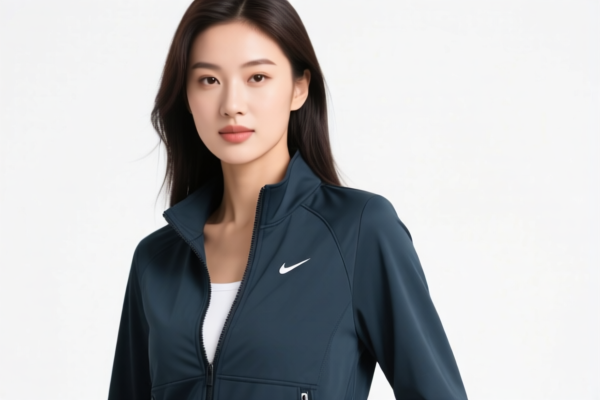
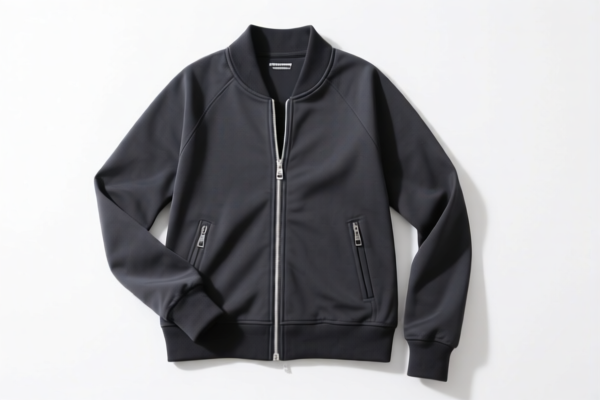


AI Analysis
👧🏃♀️ Girls' Casual & Sporty Outerwear (女童休闲运动外套)
🌐 HS Code Reference & Customs Clearance Guide | 2026 Latest Tariff Analysis | Professional Customs Strategy
📌 Part I: Product Definition & Classification — Do You Really Know "Girls' Outerwear"?
Girls' casual and sporty outerwear covers a wide range of garments, from windbreakers to fleece jackets. In international trade, the correct classification depends heavily on the material composition and the specific garment structure (e.g., whether it resembles a coat, a jumpsuit, or a sweater). Misclassification can lead to significant duty discrepancies due to varying "Section 301" and "Section 122" additional tariffs.
⚠️ Key Distinction Points:
- Knitted (Chapter 61) vs. Woven (Chapter 62): Is the fabric knitted or woven? This is the primary divider. - Material: Cotton, Synthetic Fibers (Polyester/Nylon), or Artificial Fibers? - Style: Is it a structured coat, a casual jacket, or a one-piece/coverall style?
📦 Part II. HS Code Classification Details (2026 Latest Tariff Authority对照)
| HS Code | Product Description (Summary) | Material Inference | Garment Type/Structure |
|---|---|---|---|
6210.20.50.10 |
Girls' Coat/Jacket | Man-made or Natural Fibers | Coat, Jacket, & Similar Articles |
6210.20.50.20 |
Girls' Coat/Jacket | Man-made or Other Fibers | Casual Performance/Outdoor Wear |
6114.20.00.46 |
Girls' Hooded Jacket | Cotton | Similar to Onesies/Jumpsuits |
6114.30.30.54 |
Girls' Hooded Jacket | Synthetic or Artificial Fibers | Jumpsuits, Workwear & Similar |
6110.20.20.49 |
Girls' Jacket/Sweatshirt | Cotton | For Girls (Knitted) |
🔍 Important Note:
- Chapter 62 (Woven) codes (6210.20) typically have lower base tariffs but are subject to specific "coat/jacket" rules. - Chapter 61 (Knitted) codes (6114,6110) vary significantly based on whether the item is classified as a "jacket" (6114) or a "sweatshirt/sweater" (6110). - Cotton generally attracts higher base tariffs compared to synthetic fibers in some categories.
💰 Part III. 2026 Latest Tariff Rate Breakdown (Including Additional Taxes)
✅ Applicable Country: United States (US)
✅ Origin: China (CN)
✅ Effective Time: Current rates apply including Section 301 and Section 122 levies.
🎯 1. 6210.20.50.10 — Girls' Coat/Jacket (Woven, General)
| Item | Content |
|---|---|
| Base Tariff | 7.1% (ad valorem) |
| Section 301 Add-on | +7.5% |
| Section 122 Add-on | +10% |
| Total Tax Rate | 24.6% |
| Calculation | CIF Value × 24.6% |
| De Minimis Exemption | ❌ Not Eligible (High tariff items usually excluded) |
| Legal Basis | Standard HTSUS 6210 + USITC Footnotes for 301/122 |
📌 Explanation:
- This code applies to woven coats/jackets where the material is inferred as man-made or natural fibers but doesn't fit specific outdoor/casual sub-codes. - Total Burden: Nearly 25% of the product value.
🎯 2. 6210.20.50.20 — Girls' Coat/Jacket (Woven, Outdoor/Casual)
| Item | Content |
|---|---|
| Base Tariff | 7.1% |
| Section 301 Add-on | +7.5% |
| Section 122 Add-on | +10% |
| Total Tax Rate | 24.6% |
| Calculation | CIF Value × 24.6% |
| De Minimis Exemption | ❌ Not Eligible |
| Legal Basis | Same as above; distinction is in material inference (Man-made/Other) |
📌 Note:
- Despite the description "Casual Performance/Outdoor," the tariff rate is identical to the general coat code because the base rate and additional levies are aligned for this subset under the current data.
🎯 3. 6114.20.00.46 — Girls' Hooded Jacket (Knitted, Cotton)
| Item | Content |
|---|---|
| Base Tariff | 10.8% |
| Section 301 Add-on | +7.5% |
| Section 122 Add-on | +10% |
| Total Tax Rate | 28.3% |
| Calculation | CIF Value × 28.3% |
| De Minimis Exemption | ❌ Not Eligible |
| Legal Basis | HTSUS:6114.20.00.46 + Trade Footnotes |
📌 Explanation:
- Knitted cotton garments often have higher base tariffs than woven counterparts. - The structure is considered "similar to jumpsuits/onesies," which may trigger different scrutiny compared to standard jackets.
🎯 4. 6114.30.30.54 — Girls' Hooded Jacket (Knitted, Synthetic/Artificial)
| Item | Content |
|---|---|
| Base Tariff | 14.9% |
| Section 301 Add-on | +7.5% |
| Section 122 Add-on | +10% |
| Total Tax Rate | 32.4% |
| Calculation | CIF Value × 32.4% |
| De Minimis Exemption | ❌ Not Eligible |
| Legal Basis | HTSUS:6114.30.30.54 + Trade Footnotes |
📌 Warning:
- This is the highest base tariff (14.9%) among the listed codes. - Applies to knitted synthetic/artificial fiber jackets classified as workwear/jumpsuit styles.
🎯 5. 6110.20.20.49 — Girls' Jacket/Sweatshirt (Knitted, Cotton)
| Item | Content |
|---|---|
| Base Tariff | 16.5% |
| Section 301 Add-on | +7.5% |
| > Section 122 Add-on | +10% |
| Total Tax Rate | 34.0% |
| Calculation | CIF Value × 34.0% |
| De Minimis Exemption | ❌ Not Eligible |
| Legal Basis | HTSUS:6110.20.20.49 + Trade Footnotes |
📌 Critical Alert:
- This is the most expensive classification at 34.0%. - Likely applies when a cotton knit garment is classified as a "Sweatshirt/Sweater" (6110) rather than a Jacket (6114), or due to specific origin/material rules.
🛠️ Part IV. Customs Clearance Practical Advice (Real-World Pitfall Guide)
✅ 1. Preparation Checklist (Non-negotiable)
| Document | Required | Explanation |
|---|---|---|
| ✅ Tech Pack / Spec Sheet | ✔️ | Must detail fabric composition (e.g., "100% Cotton" vs. "95% Poly, 5% Spandex") and construction (Knitted vs. Woven). |
| ✅ Photos | ✔️ | Clear shots of the garment, including zippers, hoods, and tags. Helps distinguish "Jacket" from "Sweatshirt." |
| ✅ Commercial Invoice | ✔️ | Accurately describe as "Girls' Knitted/Woven Jacket." Avoid vague terms like "Clothing." |
| ✅ Labeling | ✔️ | Fiber content label must match the declared HS code material. Discrepancies cause delays. |
| ✅ Origin Certificate | ✔️ | Confirm Country of Origin (China) to apply correct Section 301/122 rates. |
✅ 2. Classification Strategy (Key Rules)
🔥 "Fabric First, Structure Second, Material Third!"
| Scenario | Correct HS Code Family | Wrong Action | Consequence |
|---|---|---|---|
| Woven Jacket (e.g., Windbreaker) | 6210.20 |
Classify as Knitted 6110 |
Base rate error (7.1% vs 16.5%) → Audit risk. |
| Knitted Cotton Hoodie/Jacket | 6110 (Sweatshirt) or 6114 (Jacket) |
Misclassify as Synthetic | Base rate jumps from 10.8% to 14.9%+ → Higher duty. |
| Synthetic Knitted Jacket | 6114.30 or 6110.30 |
Declare as Woven | Structure mismatch → Customs may reclassify and penalize. |
| "Jumpsuit" Style Hoodie | 6114 |
Declare as Standard Jacket | May fall under different sub-codes with different duties. |
✅ 3. Special Cases & Mitigation
| Situation | Handling Advice |
|---|---|
| Mixed Material | If the fabric is a blend (e.g., Cotton/Poly), classification depends on which fiber dominates by weight. Be precise. |
| Accessories | If the jacket has removable liners or hoods, declare the main garment. Don't split unless instructed. |
| Sample vs. Bulk | Ensure samples match bulk production. Customs may use samples to verify fiber content. |
| Section 122 Impact | The +10% Section 122 tariff applies broadly to certain Chinese apparel. Budget for this regardless of HS code choice. |
🌍 Part V. Global Market Comparison (2026 Latest)
| Country/Region | Recommended HS Code | Tariff (China Origin) | Certification | Notes |
|---|---|---|---|---|
| 🇺🇸 USA | Varies by Material | 24.6% - 34.0% | CPSIA (if <12 yrs), Prop 65 | High additional tariffs (301/122) make US market costly. |
| 🇨🇳 China | Varies | 7% - 16.5% | GB Standards | No Section 301/122. Lower entry barrier. |
| 🇪🇺 EU | Varies (61/62) | 12% - 17% | CE (if special), REACH | No Section 301/122. Standard MFN rates apply. |
| 🇬🇧 UK | Varies | 12% - 17% | UKCA | Post-Brexit rules similar to EU but separate certification. |
| 🇨🇦 Canada | Varies | 17.5% | CFIA (if natural fibers) | High base tariff, but no Section 301/122. |
📌 Conclusion:
- The USA is the most expensive market due to Section 301 and Section 122 add-ons. - Cotton items in the US face higher base tariffs than synthetics in some knitted categories. - Woven outerwear (6210) is generally more tax-efficient than Knitted Cotton (6110) in the US context.
📌 Part VI. Common Errors & Pitfalls (Lessons Learned)
❌ Error 1: Confusing "Knitted" with "Woven"
👉 Consequence: Wrong Chapter (61 vs 62). If Customs determines the item is knitted but you declared woven (6210), you may face penalties for misdeclaration.
❌ Error 2: Under-declaring Fiber Content
👉 Consequence: If you declare "Polyester" but lab tests show "Cotton," the duty jumps from ~24.6% to ~34.0%. Back-tariffs + penalties!
❌ Error 3: Ignoring Section 122 Tariffs
👉 Consequence: Some importers only account for Section 301 (7.5%). Forgetting the +10% Section 122 leads to a 10% shortfall in revenue/cost estimation.
❌ Error 4: Vague Product Descriptions
👉 Consequence: "Girls' Jacket" is insufficient. Use "Girls' Knitted Cotton Hooded Jacket" to help Customs verify the HS code quickly.
✅ Correct Practice:
"Girls' Knitted Hooded Jacket, 100% Cotton, for ages 4-8, Model XYZ, CPSIA Compliant"
🎯 Part VII. Conclusion: Precision in Classification Saves Money!
🎯 Remember the Mantra:
🔹 "Woven or Knitted? Cotton or Synthetic? Check the Base Rate!"
🔹 "US Market? Add 301 (7.5%) + 122 (10%) to EVERYTHING!"
🔹 "Don't guess the HS Code. Test the fabric. Save the margin!"
📌 Pro Tip:
If your goods are re-exported or transshipped through Vietnam or Mexico, ensure no substantial transformation occurs that would change the origin. Otherwise, the US Section 301/122 tariffs will still apply.
📣 Immediate Action:
📞 Contact a Licensed Customs Broker
📦 Provide Detailed Tech Packs & Fiber Analysis
🚀 Apply for Advance Rulings if volume is high
✨ Professional Customs Clearance Starts with Accurate Classification!
💼 Your Profit Margin Depends on Your HS Code Strategy!
Customer Reviews
About HS Code Classification
The Harmonized System (HS) is an internationally standardized nomenclature developed by the World Customs Organization (WCO) to classify traded products. Over 200 countries use the HS system as the basis for customs tariffs, trade statistics, and import/export regulations.
Each HS code follows a hierarchical structure:
- Chapter (2 digits) — Broad category of goods (e.g., Chapter 84: Machinery and Mechanical Appliances)
- Heading (4 digits) — More specific grouping within the chapter
- Subheading (6 digits) — Internationally standardized breakdown, used by all WCO member countries
- National subdivisions (8-10 digits) — Country-specific extensions for further classification, such as US HTSUS 10-digit codes
Correct HS code classification is essential for smooth customs clearance, accurate duty payment, and compliance with trade regulations. Misclassification can lead to customs delays, overpayment of duties, or penalties.
When importing from CN to US, the applicable tariff rates may include:
- Most-Favored-Nation (MFN) rate — The standard duty rate applied to WTO members
- General rate — Applied to countries without trade agreements
- Trade remedy duties — Additional tariffs such as Section 301 (anti-dumping), Section 232 (national security), or countervailing duties
The information provided on this page is for reference purposes only. For official classification, please consult with your local customs authority or a licensed customs broker.