女童休闲马甲
CN → US| HS Code | Tariff Rate | Origin | Destination | Doc |
|---|---|---|---|---|
| 6209205050 | 26.8% | CN | US | Official Doc |
| 6111303000 | 49.5% | CN | US | Official Doc |
| 6110303030 | 49.5% | CN | US | Official Doc |
| 6209909000 | 20.3% | CN | US | Official Doc |
| 6111303000 | 49.5% | CN | US | Official Doc |
Product Images
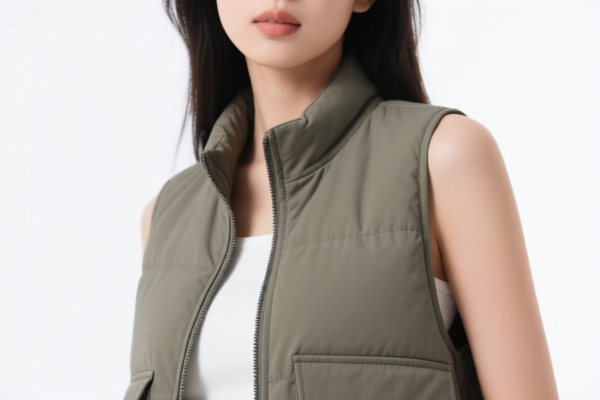

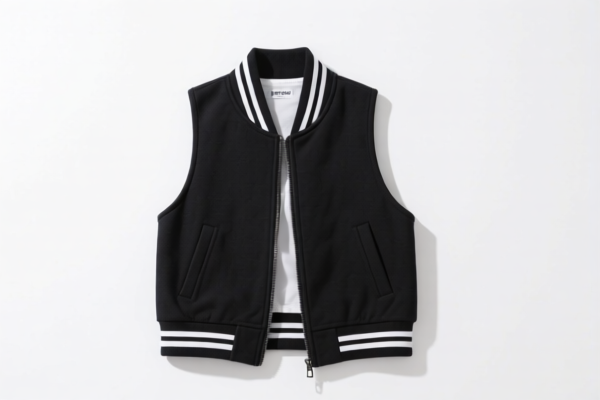
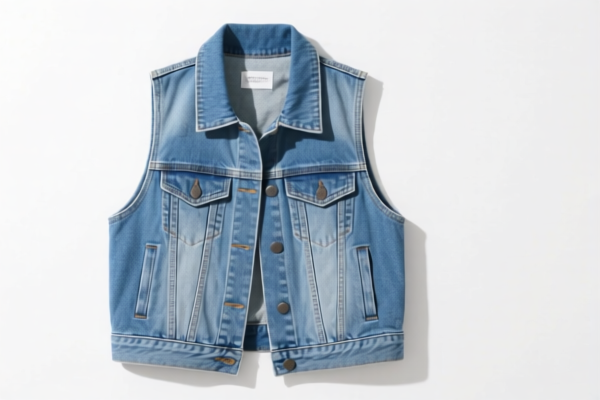
AI Analysis
👗 Girls' Casual Vest (女童休闲马甲)
🌐 HS Code Reference & Clearance Guide | 2026 Latest Tariff Analysis | Professional Customs Strategy
📌 I. Product Definition & Classification: What Exactly Is a "Girls' Casual Vest"?
A "Girls' Casual Vest" is a sleeveless garment designed for female children, typically worn as an outer layer or mid-layer. In international trade, classification hinges on three critical factors: 1. Material Composition: Is it Cotton, Synthetic Fiber, or Knitted? 2. Construction Method: Is it Knitted (编结) or Woven (机织)? 3. Specific Sub-category: Does it fall under "Baby" categories or general "Other" categories?
⚠️ Key Classification Logic:
- Knitted vs. Woven: This is the primary divider.
- Knitted (针织) → Chapter 61 (61xx.xx)
- Woven (机织) → Chapter 62 (62xx.xx)
- Material:
- Synthetic Fiber (合成纤维) → Usually higher base tariff.
- Cotton/Cotton Blend (棉/棉混纺) → Varies significantly by HS code.
📦 II. HS Code Classification Details (2026 Latest Tariff Authorities)
Based on the provided data, here are the four possible HS Codes for "Girls' Casual Vest," along with their specific tax implications.
| HS Code | Product Description | Material/Type | Total Tax Rate | Key Distinction |
|---|---|---|---|---|
| 6209.20.50.50 | Girls' Garment, Vest Type | Cotton or Blend (Inferred) | 26.8% | Woven, Cotton-dominant, "Other" category. Lowest Tax Option. |
| 6111.30.30.00 | Girls' Garment, Vest/Top Type | Synthetic or Cotton Blend | 49.5% | Knitted, Fits "Infant/Children" specific requirement. Highest Tax Option. |
| 6110.30.30.30 | Girls' Garment, Vest Type | Synthetic Fiber | 49.5% | Knitted, Synthetic. "Other" category under knitted. High Tax. |
| 6209.90.90.00 | Girls' Garment, Vest Type | Textile Material (No Conflict) | 20.3% | Woven, "Other" textile material. Lowest Base Tariff (2.8%). |
🔍 Critical Insight:
- Cheapest Route:6209.90.90.00(Total 20.3%) has the lowest base tariff (2.8%), but requires strict material verification.
- Most Common/Predictable:6209.20.50.50(Total 26.8%) is likely if the vest is primarily Cotton.
- Avoid if Possible:6111and6110codes (Total 49.5%) have a high Base Tariff of 32%, making them significantly more expensive to import.
💰 III. 2026 Latest Tariff Rate Breakdown (Including Surcharges & Policy Add-ons)
✅ Applicable Country: United States (US)
✅ Origin: China (CN)
✅ Effective Date: November 10, 2025 onwards
🎯 1. 6209.20.50.50 —— Woven Girls' Vest (Cotton/Blend)
The "Sweet Spot" for Cotton-based products.
| Item | Detail |
|---|---|
| Base Tariff | 9.3% |
| Section 301 Surcharge (China) | +7.5% |
| Section 122 Tariff | +10% |
| Total Effective Tax | 26.8% |
| Calculation | CIF Value × 26.8% |
| De Minimis Exemption? | ❌ No (Deny De Minimis for Section 301/122 goods from China) |
| Legal Basis Path | USITC:6209.20.50.50 → Section 301: 7.5% → Section 122: 10% |
📌 Explanation:
- This code benefits from a moderate base tariff (9.3%).
- While the surcharges (7.5% + 10%) are fixed, the lower base rate keeps the total 26.8%, which is 22.7 percentage points lower than the synthetic/knitted options.
🎯 2. 6111.30.30.00 —— Knitted Girls' Vest (Infant/Child Category)
High Tax due to "Infant" classification and Synthetic Base.
| Item | Detail |
|---|---|
| Base Tariff | 32.0% |
| Section 301 Surcharge (China) | +7.5% |
| Section 122 Tariff | +10% |
| Total Effective Tax | 49.5% |
| Calculation | CIF Value × 49.5% |
| De Minimis Exemption? | ❌ No |
| Legal Basis Path | USITC:6111.30.30.00 → Section 301: 7.5% → Section 122: 10% |
📌 Warning:
- The 32.0% Base Tariff is extremely high.
- Even though Section 301 (7.5%) and Section 122 (10%) are the same as other codes, the total tax nearly doubles compared to the cotton-woven option.
🎯 3. 6110.30.30.30 —— Knitted Girls' Vest (Synthetic Fiber)
Similar to above, but categorized under "Other" knitted items.
| Item | Detail |
|---|---|
| Base Tariff | 32.0% |
| Section 301 Surcharge (China) | +7.5% |
| Section 122 Tariff | +10% |
| Total Effective Tax | 49.5% |
| Calculation | CIF Value × 49.5% |
| De Minimis Exemption? | ❌ No |
| Legal Basis Path | USITC:6110.30.30.30 → Section 301: 7.5% → Section 122: 10% |
📌 Note:
- Synthesized fibers (Polyester, Nylon, etc.) in knitted forms for children are heavily taxed.
- If your vest is made of Polyester or Acrylic, you will likely fall into this 49.5% bracket.
🎯 4. 6209.90.90.00 —— Woven Girls' Vest (Other Textile)
The "Low Base Tariff" Hidden Gem.
| Item | Detail |
|---|---|
| Base Tariff | 2.8% |
| Section 301 Surcharge (China) | +7.5% |
| Section 122 Tariff | +10% |
| Total Effective Tax | 20.3% |
| Calculation | CIF Value × 20.3% |
| De Minimis Exemption? | ❌ No |
| Legal Basis Path | USITC:6209.90.90.00 → Section 301: 7.5% → Section 122: 10% |
📌 Opportunity:
- This code has the lowest Base Tariff (2.8%).
- Crucial: You must ensure the product fits the "Other Textile Material" description and does not violate any specific material exclusions.
- Potential Savings: Compared to the 49.5% rate, this saves 29.2% on the CIF value.
🛠️ IV. Practical Clearance Advice (Pitfall Avoidance Guide)
✅ 1. Documentation Checklist (Non-Negotiable)
| Document | Required? | Purpose |
|---|---|---|
| ✅ Product Specification Sheet | ✔️ | Must clearly state Fiber Composition (e.g., "100% Cotton" vs. "65% Poly/35% Cotton"). |
| ✅ Tech Pack / Structure Diagram | ✔️ | To prove Knitted vs. Woven construction. |
| ✅ Clear Product Photos | ✔️ | Show label, stitching, and overall style (Vest vs. Top). |
| ✅ Commercial Invoice | ✔️ | Must match HS Code description exactly (e.g., "Girls' Woven Vest"). |
| ✅ Origin Certificate | ✔️ | Proof of China origin triggers Section 301/122. |
| ✅ Packing List | ✔️ | Item count, weight, dimensions. |
✅ 2. Declaration Strategy (Key Mantra)
🔥 "Material First, Construction Second, Name Precise, Tax Reduced!"
| Scenario | Correct Declaration | Wrong Declaration |
|---|---|---|
| 100% Cotton Vest | 6209.20.50.50 (26.8%) |
Declare as Synthetic → 49.5% |
| Polyester Vest | 6110.30.30.30 or 6111.30.30.00 (49.5%) |
Declare as Cotton → Customs Penalty/Downgrade |
| Vest with Zipper | Ensure it doesn't look like a "Jacket" | Misdeclare as Jacket → Different HS Code, higher risk |
| Unisex Vest | Declare as "Girls' Vest" if marketed to girls | Declare as "Adult Unisex" → Wrong Chapter (61/62 vs 61/62 adult codes) |
✅ 3. Special Cases
| Situation | Handling Advice |
|---|---|
| Blended Materials | Use the ** predominant fiber** by weight. If Cotton > 50%, lean towards 6209.20. If Synthetic > 50%, lean towards 6110/6111. |
| "Infant" vs. "Child" | 6111 is for infants (typically < 2 years). If the vest is for older children, 6110 or 6209 is more appropriate. Misclassification leads to fines. |
| Section 122 Impact | Remember, Section 122 (10%) applies regardless of the base tariff. It adds 10% to the CIF value. |
| Section 301 Impact | The 7.5% surcharge is mandatory for China-origin goods. No exemption for most apparel. |
🌍 V. Global Market Clearance Comparison (2026 Latest)
| Country/Region | Recommended HS Code | Total Tax (China Origin) | Certification | Notes |
|---|---|---|---|---|
| 🇺🇸 USA | 6209.90.90.00 |
20.3% | CPSIA, ASTM F963 | Lowest US Duty. Requires strict children's product certification. |
| 🇨🇳 China | 6209.20.50.50 |
~14-20% (Est.) | CCC (if applicable) | No Section 301/122. Base tariff ~9.3%. |
| 🇪🇺 EU | 6110/6209 |
~12-16% | CE, REACH | No Section 122. VAT varies by country. |
| 🇦🇺 Australia | 6209.90.90.00 |
~5-10% | ACCC Standards | Lower duties. GST applies. |
| 🇯🇵 Japan | 6209.20.50.50 |
~14-17% | PSE (if electronic, unlikely) | Lower base duties. |
📌 Conclusion:
- USA is the most complex due to Section 301 (7.5%) and Section 122 (10%).
- EU, China, Australia, Japan do NOT have these punitive surcharges.
- If possible, diversify supply chain to Vietnam/Mexico to avoid Section 301/122 (though Section 301 may still apply to specific categories).
📌 VI. Common Errors & Pitfall Guide (Blood & Tears Lessons)
❌ Mistake 1: Declaring a Polyester vest as Cotton
👉 Consequence: Customs reclassifies to 6110/6111 → Tax jumps from 26.8% to 49.5% + Penalties!
❌ Mistake 2: Ignoring Section 122 (10%) in cost calculation
👉 Consequence: Budget overrun. Many exporters forget this 10% is add-on, not included in base tariff.
❌ Mistake 3: Misclassifying Knitted as Woven
👉 Consequence: 6209 vs 6110/6111. Wrong chapter → Shipment held at port for inspection.
❌ Mistake 4: Using vague descriptions like "Kids' Clothes"
👉 Consequence: Customs will assess highest possible rate (often 49.5%) due to lack of clarity.
✅ Correct Practice:
"Girls' Woven Vest, 100% Cotton, Sleeveless, Size 6-8, Model ABC, CPSIA Compliant"
🎯 VII. Conclusion: Precise Classification Saves Money!
🎯 Remember the Mantra:
🔹 "Cotton Woven = 26.8% | Synthetic Knit = 49.5% | Other Woven = 20.3%"
🔹 "Material is King, Construction is Queen, Name is Key!"
🔹 "Section 122 adds 10%, Section 301 adds 7.5%, Don't Forget!"
📌 Pro Tip:
- If your vest is made of Synthetic Fiber, try to see if it can be classified under 6209.90.90.00 (Woven) if it is indeed woven, rather than 6110 (Knitted).
- Always apply for an Advance Ruling from CBP if you are unsure about the Knitted vs. Woven classification.
- Ensure CPSIA compliance is ready, as children's apparel faces strict safety inspections in the US.
📣 Act Now:
📞 Contact a professional customs broker + Provide material specs + Apply for HS Code Advance Ruling
🚀 Let your Girls' Vest clear smoothly, avoid 49.5% traps, and maximize profit!
✨ Professional Clearance Starts with Precise Classification!
💼 Every cent of tax is worth calculating precisely!
Customer Reviews
About HS Code Classification
The Harmonized System (HS) is an internationally standardized nomenclature developed by the World Customs Organization (WCO) to classify traded products. Over 200 countries use the HS system as the basis for customs tariffs, trade statistics, and import/export regulations.
Each HS code follows a hierarchical structure:
- Chapter (2 digits) — Broad category of goods (e.g., Chapter 84: Machinery and Mechanical Appliances)
- Heading (4 digits) — More specific grouping within the chapter
- Subheading (6 digits) — Internationally standardized breakdown, used by all WCO member countries
- National subdivisions (8-10 digits) — Country-specific extensions for further classification, such as US HTSUS 10-digit codes
Correct HS code classification is essential for smooth customs clearance, accurate duty payment, and compliance with trade regulations. Misclassification can lead to customs delays, overpayment of duties, or penalties.
When importing from CN to US, the applicable tariff rates may include:
- Most-Favored-Nation (MFN) rate — The standard duty rate applied to WTO members
- General rate — Applied to countries without trade agreements
- Trade remedy duties — Additional tariffs such as Section 301 (anti-dumping), Section 232 (national security), or countervailing duties
The information provided on this page is for reference purposes only. For official classification, please consult with your local customs authority or a licensed customs broker.