女童传统棉质短裤
CN → US| HS Code | Tariff Rate | Origin | Destination | Doc |
|---|---|---|---|---|
| 6110202049 | 34.0% | CN | US | Official Doc |
| 6104220050 | 0.0% | CN | US | Official Doc |
| 6104622060 | 32.4% | CN | US | Official Doc |
| 6203424561 | 34.1% | CN | US | Official Doc |
| 6204628066 | 34.1% | CN | US | Official Doc |
Product Images
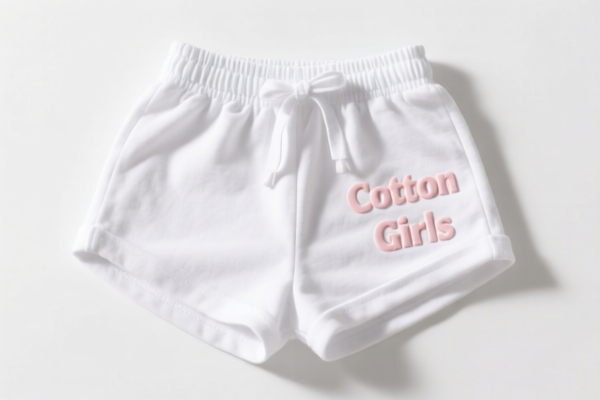
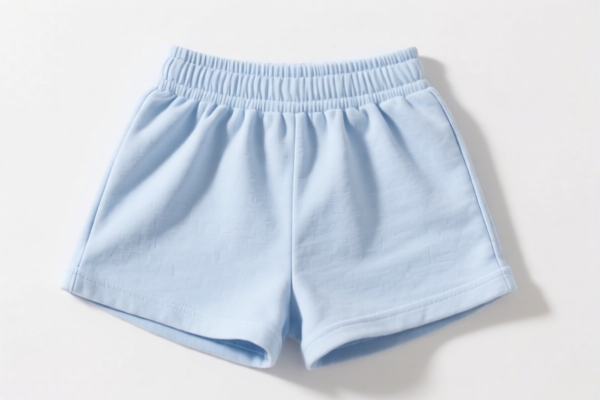
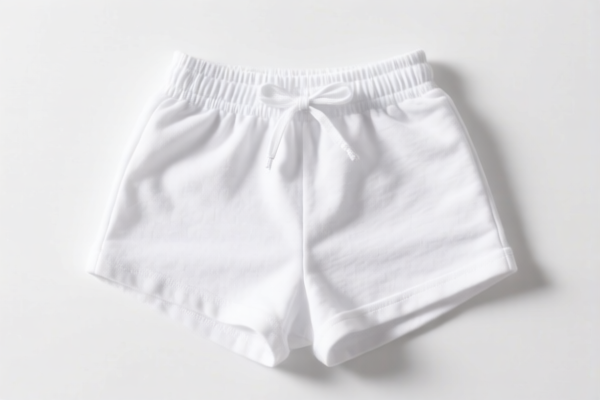
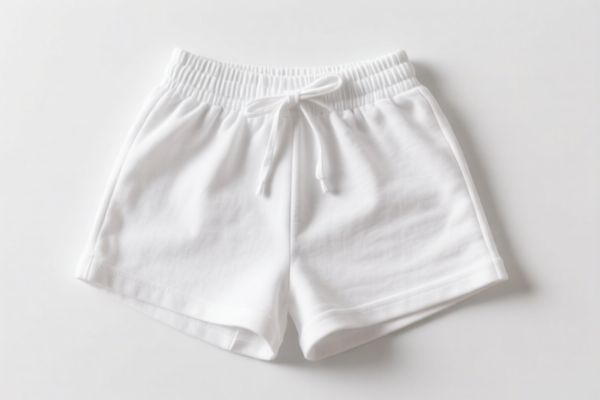
AI Analysis
👶 Girls' Traditional Cotton Shorts (女童传统棉质短裤)
🌐 HS Code Reference & Customs Clearance Guide | 2026 Latest Tariff Analysis | Professional Clearance Strategy
📌 I. Product Definition & Classification: Understanding "Girls' Cotton Shorts"
Girls' traditional cotton shorts are essential wardrobe items for children, designed for comfort, breathability, and durability. In international trade, classification depends heavily on the manufacturing process (knitted vs. woven) and the specific material composition (pure cotton vs. blends).
Key Classification Logic: * Knitted/Crocheted (针织/钩编): Belongs to Chapter 61. * Woven (机织): Belongs to Chapter 62. * Material: Must be "Of Cotton" or "Mainly of Cotton."
⚠️ Critical Distinction:
- If the fabric is knitted (stretchy, looped structure) → Refer to Chapter 61 (e.g.,6110or6104).
- If the fabric is woven (flat, non-stretchy structure) → Refer to Chapter 62 (e.g.,6203or6204).
- Misclassification Risk: Mixing up "Knitted" and "Woven" leads to immediate rejection or heavy fines.
📦 II. HS Code Classification Details (Based on Provided Data)
The provided data outlines five potential HS codes for girls' cotton shorts. Below is the detailed breakdown of why each code applies and its associated tax implications.
| HS Code | Product Description (Summary) | Manufacturing/Style | Total Tax Rate | Key Tax Details |
|---|---|---|---|---|
6110.20.20.49 |
Hand-knitted Cotton Shorts for Girls | Knitted/Crocheted; Pure Cotton | 34.0% | Base: 16.5% Additional: 7.5% Section 301 (122): 10% |
6104.22.00.50 |
Cotton Shorts for Girls (Ensemble Component) | Knitted; Part of an Ensemble | Variable + 17.5% | Base: Rate of individual garment if sold separately Additional: 7.5% Section 301 (122): 10% |
6104.62.20.60 |
Knitted/Crocheted Cotton Shorts for Girls | Knitted/Crocheted; Pure Cotton | 32.4% | Base: 14.9% Additional: 7.5% Section 301 (122): 10% |
6203.42.45.61 |
Cotton Shorts for Girls (Woven) | Woven; Pure Cotton | 34.1% | Base: 16.6% Additional: 7.5% Section 301 (122): 10% |
6204.62.80.66 |
Women's/Girls' Cotton Blend Shorts | Woven; Cotton Blend | 34.1% | Base: 16.6% Additional: 7.5% Section 301 (122): 10% |
🔍 Analysis of Variance:
- Chapter 61 (Knitted) vs Chapter 62 (Woven): The base tariff differs slightly (14.9%–16.6%).
- Section 301 Tariff: All listed codes incur an additional 10% tax (labeled as "122条款关税" in the data, likely referring to specific US trade act provisions or Section 301 lists).
- Additional Tax: A consistent 7.5% additional tax applies to all entries.
- Ensemble Rule (6104.22.00.50): If the shorts are part of a "wardrobe ensemble" (e.g., short suit), the tax is calculated based on the individual garment's rate if sold separately, plus the additional taxes.
💰 III. 2026 Latest Tariff Rate Detailed Explanation
✅ Applicable Context: Based on the tax details provided (Base + Additional + 122/Section 301), this reflects a high-tariff regime, likely for imports into the USA or similar markets with specific trade restrictions on Chinese textiles.
🎯 1. 6110.20.20.49 & 6104.62.20.60 (Knitted Cotton Shorts)
- Scenario: Pure cotton, knitted/crocheted.
- Tax Breakdown:
- Base Tariff: 14.9% – 16.5%
- Additional Tax: 7.5%
- Section 122/301 Tariff: 10%
- Total Effective Rate: 32.4% – 34.0%
- Explanation: Knitted cotton shorts are generally taxed between 14.9% and 16.5% as a base. The "Additional Tax" of 7.5% is a specific surcharge (possibly anti-dumping or countervailing duty, or a specific category levy). The "122 Clause" adds a flat 10%.
🎯 2. 6203.42.45.61 & 6204.62.80.66 (Woven Cotton/Blend Shorts)
- Scenario: Woven fabrics, including blends.
- Tax Breakdown:
- Base Tariff: 16.6%
- Additional Tax: 7.5%
- Section 122/301 Tariff: 10%
- Total Effective Rate: 34.1%
- Explanation: Woven goods often have a slightly higher base tariff (16.6%) compared to some knitted items. The additional and surcharge taxes remain constant.
🎯 3. 6104.22.00.50 (Ensemble Component)
- Scenario: Shorts that are part of a larger garment ensemble.
- Tax Breakdown:
- Base Tariff: "The rate applicable to each garment in the ensemble if separately..."
- Additional Tax: 7.5%
- Section 122/301 Tariff: 10%
- Explanation: This code applies when the shorts are not sold independently but as part of a set. The customs authority will calculate the base tax as if the shorts were bought alone. The final rate is highly dependent on the specific base rate of the garment class, plus the mandatory 17.5% in additional taxes (7.5% + 10%).
🛠️ IV. Customs Clearance Practical Advice
✅ 1. Preparation Checklist (Essential Documents)
| Document | Required? | Description |
|---|---|---|
| ✅ Product Composition Label | ✔️ | Must clearly state "100% Cotton" or "Cotton Blend %" and "Knitted/Woven". |
| ✅ Fabric Swatch/Photo | ✔️ | To prove whether the fabric is knitted (looped) or woven (flat). |
| ✅ Commercial Invoice | ✔️ | Must match the HS Code description exactly (e.g., "Knitted Cotton Shorts for Girls"). |
| ✅ Packing List | ✔️ | Item count, weight, and dimensions. |
| ✅ Ensemble Declaration | (If applicable) | If using 6104.22.00.50, provide proof that the shorts are part of an ensemble. |
✅ 2. Declaration Strategy (Key Tips)
🔥 “Material & Structure Define the Code: Cotton + Knitted = 61; Cotton + Woven = 62”
| Situation | Correct Declaration | Incorrect Declaration | Consequence |
|---|---|---|---|
| Knitted Cotton Shorts | 6110.20.20.49 or 6104.62.20.60 |
6203... (Woven Code) |
Wrong classification → Penalty + Back Taxes |
| Woven Cotton Shorts | 6203.42.45.61 |
6110... (Knitted Code) |
Wrong classification → Delay + Inspection |
| Cotton Blend Shorts | 6204.62.80.66 |
6110... (Pure Cotton) |
Over/Under-declaration → Fine |
| Ensemble Component | 6104.22.00.50 |
6110... (Separate Item) |
Incorrect tax base calculation |
✅ 3. Special Cases
| Situation | Handling Advice |
|---|---|
| OEM/Private Label | Ensure the invoice reflects the actual manufacturer and product specs. |
| Mixed Containers | If shipping multiple types of children's clothing, ensure each HS Code is correctly segregated. |
| "Traditional" Style | If "Traditional" implies cultural embroidery or special weaving, ensure the base material is still classified correctly (Cotton). |
| Age Group | Confirm "Girls" vs. "Women". 6104/6204 often cover "Girls" sizes, while 6104/6204 might also cover women. Ensure the size and style match the "Girls" category to avoid misclassification. |
🌍 V. Global Market Comparison (2026 Outlook)
| Country/Region | Recommended HS Code | Approx. Base Tariff | Notes |
|---|---|---|---|
| 🇺🇸 USA | 6110.20.20.49 / 6203.42.45.61 |
32.4% – 34.1% | High additional taxes (7.5% + 10%) apply. |
| 🇨🇳 China | 6110.20.20.49 / 6203.42.45.61 |
~15-16% | No additional "122" tax. Lower overall cost. |
| 🇪🇺 EU | 6104.62.20.60 / 6204.62.80.66 |
12-16% | No Section 301 equivalent. |
| 🇦🇺 Australia | 6110.20.20.49 / 6203.42.45.61 |
~5-10% | GST applies on top. |
📌 Conclusion:
- The USA is the most costly market due to the 17.5%–18.5% in additional taxes (7.5% + 10%).
- China's domestic tariff or EU tariffs are significantly lower if the goods are not entering the US.
- Strategy: If targeting the US, consider supply chain diversification (e.g., producing in Vietnam or Cambodia) to potentially avoid "122/Section 301" tariffs.
📌 VI. Common Errors & Pitfalls (Lessons Learned)
❌ Error 1: Confusing "Knitted" with "Woven"
👉 Consequence: Customs will reclassify and apply the wrong base tariff. Knitted (61xx) and Woven (62xx) have different base rates.
❌ Error 2: Ignoring "Cotton Blend"
👉 Consequence: If the shorts are 50% cotton, 50% polyester, they might not qualify for "Pure Cotton" codes (6110.20.20.49). They may fall under 6204.62.80.66 or other blend categories, affecting the base rate.
❌ Error 3: Failing to Declare "Ensemble" Status
👉 Consequence: If the shorts are part of a set but declared as individual items, the tax calculation might be incorrect. Use 6104.22.00.50 if applicable.
❌ Error 4: Missing "122/301" Tariff Awareness
👉 Consequence: Underestimating the final landed cost. The 10% surcharge is mandatory for many Chinese-origin textile imports into the US.
✅ Correct Practice:
"Girls' Knitted Cotton Shorts, 100% Cotton, White, Size 6, Model XYZ, Made in China"
🎯 VII. Conclusion: Precision in Classification Saves Money!
🎯 Remember the Mantra:
🔹 "Knitted is 61, Woven is 62."
🔹 "Cotton Base, 10% Surcharge."
🔹 "7.5% Additional Tax Always."
📌 Pro Tip:
If your goods are destined for the US, calculate the total tariff as Base + 17.5% (7.5% + 10%). For example, a $100 pair of shorts could incur $32.40 – $34.10 in duties alone.
Consider Advance Rulings from CBP (Customs and Border Protection) to confirm the correct HS Code before shipping.
📣 Immediate Action:
📞 Consult a licensed customs broker.
📄 Verify fabric composition (Knitted vs. Woven).
🚀 Plan for the 32.4% – 34.1% total tariff cost in your pricing strategy!
✨ Professional Clearance Starts with Accurate Classification!
💼 Every Percent Saved is Pure Profit!
Customer Reviews
About HS Code Classification
The Harmonized System (HS) is an internationally standardized nomenclature developed by the World Customs Organization (WCO) to classify traded products. Over 200 countries use the HS system as the basis for customs tariffs, trade statistics, and import/export regulations.
Each HS code follows a hierarchical structure:
- Chapter (2 digits) — Broad category of goods (e.g., Chapter 84: Machinery and Mechanical Appliances)
- Heading (4 digits) — More specific grouping within the chapter
- Subheading (6 digits) — Internationally standardized breakdown, used by all WCO member countries
- National subdivisions (8-10 digits) — Country-specific extensions for further classification, such as US HTSUS 10-digit codes
Correct HS code classification is essential for smooth customs clearance, accurate duty payment, and compliance with trade regulations. Misclassification can lead to customs delays, overpayment of duties, or penalties.
When importing from CN to US, the applicable tariff rates may include:
- Most-Favored-Nation (MFN) rate — The standard duty rate applied to WTO members
- General rate — Applied to countries without trade agreements
- Trade remedy duties — Additional tariffs such as Section 301 (anti-dumping), Section 232 (national security), or countervailing duties
The information provided on this page is for reference purposes only. For official classification, please consult with your local customs authority or a licensed customs broker.