女童工作背心
CN → US| HS Code | Tariff Rate | Origin | Destination | Doc |
|---|---|---|---|---|
| 6110202079 | 34.0% | CN | US | Official Doc |
| 6109100065 | 34.0% | CN | US | Official Doc |
| 6207913020 | 23.6% | CN | US | Official Doc |
| 6110202035 | 34.0% | CN | US | Official Doc |
| 6114200046 | 28.3% | CN | US | Official Doc |
Product Images

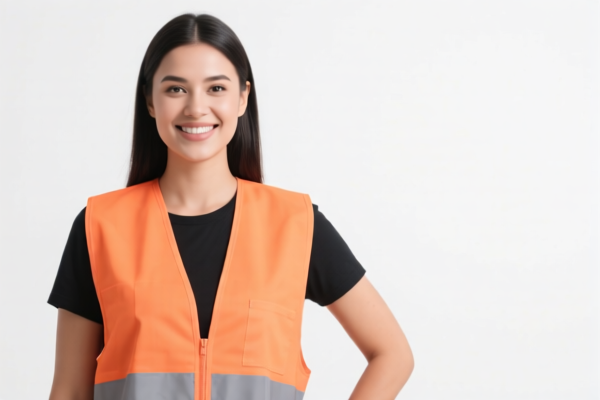
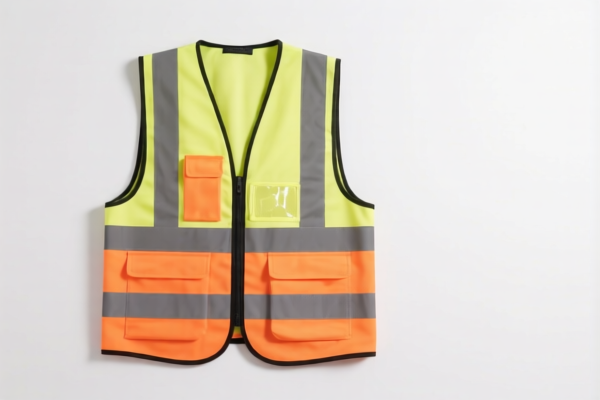
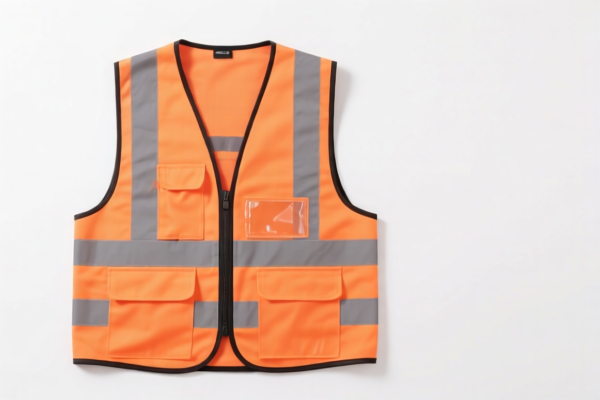
AI Analysis
👕 Girls' Work Vests (女童工作背心)
🌐 HS Code Reference & Customs Clearance Guide | 2026 Latest Tariff Analysis | Professional Strategy
📌 I. Product Definition & Classification: What is a "Girls' Work Vest"?
A "Girls' Work Vest" refers to sleeveless garments designed for young females, characterized by a vest shape, typically made of cotton or cotton-blend fabrics. In international trade, classification depends heavily on the knitted vs. woven nature of the fabric and whether it is considered a "sweater/vest" or a "shirt/garment."
Key Distinction Points: - Knitted/ Crocheted (Chapter 61): If the vest is made from knitted fabric (e.g., jersey, ribbed), it falls under Chapter 61. If it resembles a sweater or has a specific "vest" construction, it may be classified as a knitted vest. - Woven (Chapter 62): If the vest is made from woven fabric (e.g., oxford, denim, flannel), it falls under Chapter 62. It is generally treated as a type of shirt or other garments.
⚠️ Critical Note:
- Knitted Vests often attract higher duties due to specific US trade policies (Section 301 & IEEPA).
- Woven Vests may have slightly lower base rates but are still subject to significant additional tariffs.
- "Work Vest" implies durability and functionality, but customs primarily looks at fabric composition and manufacturing process (knit vs. woven), not just the intended use.
📦 II. HS Code Classification Details (2026 Latest Tariff Reference)
Based on the provided <DATA>, here are the four possible HS Codes and their tax implications:
| HS Code | Product Description | Material | Type | Total Tax Rate | Tax Details |
|---|---|---|---|---|---|
| 6110.20.20.79 | Girls' Cotton Knitted Vest | 100% Cotton | Knitted Vest | 34.0% | Base: 16.5%, Sec 301: 7.5%, IEEPA 122: 10% |
| 6109.10.00.65 | Girls' Cotton Knitted T-Shirt/Vest | Cotton | Knitted T-Shirt | 34.0% | Base: 16.5%, Sec 301: 7.5%, IEEPA 122: 10% |
| 6207.91.30.20 | Girls' Woven Cotton Vest | Cotton | Woven Garment | 23.6% | Base: 6.1%, Sec 301: 7.5%, IEEPA 122: 10% |
| 6110.20.20.35 | Girls' Cotton Knitted Vest | Cotton | Knitted Vest | 34.0% | Base: 16.5%, Sec 301: 7.5%, IEEPA 122: 10% |
🔍 Analysis of Differences: - 6110 vs 6109: Both are knitted (Chapter 61) and carry 34% total tax. The difference lies in the specific subheading:
6110is for "sweaters, pullovers, cardigans... vests," while6109is for "T-shirts, singlets, and other vests." For customs purposes, if it looks like a T-shirt/singlet,6109is used; if it’s a more structured knit vest,6110is used. Tax is identical. - 6207: This is a woven garment (Chapter 62). It has a lower total tax rate (23.6%) because the base duty is lower (6.1% vs 16.5%). However, it is still subject to the same additional tariffs.
💰 III. Detailed Tariff Breakdown (2026 Latest Rates)
✅ Applicable Country: USA (US)
✅ Origin: China (CN)
✅ Effective Date: November 10, 2025 (and subsequent imports)
🎯 1. Knitted Cotton Vests (HS Codes: 6110.20.20.79, 6109.10.00.65, 6110.20.20.35)
Total Tax Rate: 34.0%
| Item | Content |
|---|---|
| Base Duty | 16.5% (ad valorem) |
| Section 301 Additional Duty | +7.5% |
| IEEPA Section 122 Duty | +10.0% |
| Total Effective Rate | 34.0% |
| Calculation | CIF Value × 34% |
| De Minimis Exemption | ❌ NOT Eligible (Denied) |
| Legal Path | USITC:6110.20.20.79 → FOOTNOTE:301 → IEEPA:122 |
📌 Explanation:
- Knitted cotton garments from China face a high total burden.
- The 16.5% base duty is relatively high for apparel.
- The 7.5% Section 301 and 10% IEEPA 122 are mandatory additions for Chinese origin.
- No de minimis exemption: Even small packages are subject to full duty.
🎯 2. Woven Cotton Vest (HS Code: 6207.91.30.20)
Total Tax Rate: 23.6%
| Item | Content |
|---|---|
| Base Duty | 6.1% (ad valorem) |
| Section 301 Additional Duty | +7.5% |
| IEEPA Section 122 Duty | +10.0% |
| Total Effective Rate | 23.6% |
| Calculation | CIF Value × 23.6% |
| De Minimis Exemption | ❌ NOT Eligible (Denied) |
| Legal Path | USITC:6207.91.30.20 → FOOTNOTE:301 → IEEPA:122 |
📌 Explanation:
- Woven garments have a lower base duty (6.1%) compared to knitted ones (16.5%).
- However, the additional tariffs (7.5% + 10%) remain the same.
- This results in a 10.4% total tax savings compared to knitted vests.
- Strategy: If possible, consider woven fabrics (e.g., cotton twill, oxford) instead of knitted jersey to reduce duty burden.
🛠️ IV. Customs Clearance Practical Advice
✅ 1. Document Checklist (Mandatory)
| Document | Required | Notes |
|---|---|---|
| ✅ Product Specification Sheet | ✔️ | Must clearly state: Fabric composition (e.g., 100% Cotton), Knit/Woven type, Gender (Girls), Age Range. |
| ✅ Fabric Composition Label | ✔️ | Photo of the garment’s care label showing material % and country of origin. |
| ✅ Commercial Invoice | ✔️ | Must describe item as "Girls' Cotton Vest" or "Girls' Cotton Woven Vest," NOT just "Clothing." |
| ✅ Packing List | ✔️ | Detail items per carton, weight, and dimensions. |
| ✅ Origin Certificate | ✔️ | If applicable, but since it’s China-origin, it will be subject to tariffs. |
| ✅ Front/Back Photos | ✔️ | To prove it’s a vest and not a full shirt or dress. |
✅ 2. Declaration Tips (Critical for Accuracy)
🔥 "Knit or Woven? Declare Clearly! Misclassification leads to audits and penalties."
| Scenario | Correct HS Code | Incorrect HS Code | Consequence |
|---|---|---|---|
| Knitted Jersey Vest | 6110.20.20.79 or 6109.10.00.65 |
6207.91.30.20 |
Under-declared tax: 34% vs 23.6%. Risk of penalty + back duty. |
| Woven Oxford Vest | 6207.91.30.20 |
6110.20.20.79 |
Over-paid tax: You paid 34% instead of 23.6%. Hard to reclaim. |
| Mixed Material (e.g., 95% Cotton/5% Spandex Knit) | 6110.20.20.79 |
N/A | Spandex doesn’t change the chapter if cotton is principal fiber. |
✅ 3. Special Considerations
| Situation | Recommendation |
|---|---|
| "Work Vest" vs. "Fashion Vest" | Customs does not distinguish by "work" or "fashion." It distinguishes by knit vs. woven. Focus on fabric type. |
| Age Group (Girls) | Ensure the description includes "Girls" or "Girls'." Misdeclaring as "Women's" may lead to different regulatory checks (e.g., flammability standards). |
| Cotton Content | If cotton is <10%, it may fall under different subheadings. For 100% or high cotton content, these codes apply. |
| De Minimis (Section 321) | ❌ NOT APPLICABLE. Section 301 and IEEPA tariffs are not exempt under the $800 de minimis rule for Chinese goods. Every shipment pays duty. |
🌍 V. Global Market Comparison (2026)
| Market | Recommended HS Code | Total Tax Rate (China Origin) | Key Certification | Notes |
|---|---|---|---|---|
| 🇺🇸 USA | 6207.91.30.20 (Woven) |
23.6% | CPSIA (Children’s Product Safety) | Best option: Lower duty than knitted. |
| 🇺🇸 USA | 6110.20.20.79 (Knit) |
34.0% | CPSIA | Higher duty. Avoid if possible. |
| 🇨🇳 China | 6207.91.30.20 |
~8-10% | CCC (if applicable) | No additional tariffs. |
| 🇪🇺 EU | 6109.10 or 6207.91 |
~12% | CE/REACH | No Section 301/IEEPA tariffs. |
| 🇬🇧 UK | 6109.10 or 6207.91 |
~12% | UKCA | Post-Brexit rules apply. |
📌 Conclusion:
- USA is the most expensive market for Chinese-made girls' vests due to Section 301 and IEEPA tariffs.
- Woven vests (6207) are more cost-effective than knitted vests (6110/6109) in the US market.
- CPSIA compliance is mandatory for all children’s apparel imported to the US.
📌 VI. Common Mistakes & Pitfalls
❌ Mistake 1: Declaring a knitted vest as "Woven" to save tax
👉 Consequence: Customs inspection will reveal fabric type → Penalty + Back Duty + Possible Fraud Charges.
❌ Mistake 2: Ignoring "Girls" designation
👉 Consequence: May be classified under "Women's" or "Unisex," leading to CPSIA non-compliance if it’s for children under 12.
❌ Mistake 3: Assuming de minimis exemption applies
👉 Consequence: Small e-commerce shipments from China still pay 23.6%-34% duty. Do not expect free entry.
❌ Mistake 4: Vague description "Cotton Vest"
👉 Consequence: Customs will request detailed info → Delays in clearance.
✅ Correct Description: "Girls' 100% Cotton Woven Vest, Style XYZ, Size 8, Origin China"
🎯 VII. Conclusion: Professional Declaration, Cost Savings
🎯 Remember:
🔹 "Knitted vs. Woven determines the base duty. 16.5% vs 6.1%."
🔹 "Additional tariffs (17.5%) are fixed. Total: 34% (Knit) vs 23.6% (Woven)."
🔹 "De minimis does NOT apply. Every shipment pays."
📌 Pro Tip:
If you can source woven cotton fabric (e.g., oxford, twill) instead of knitted jersey, you can save 10.4% in duties on the US market. This is a significant margin for low-margin apparel.
📣 Immediate Action:
📞 Verify Fabric Type: Knit or Woven?
📝 Declare Accurately: Use specific HS Code based on fabric.
📄 Ensure CPSIA Compliance: Test report required for children’s apparel.
🚀 Plan for Duties: Budget for 23.6% (Woven) or 34% (Knit) in your cost model.
✨ Precision in classification saves money in clearance!
💼 Your profit margin depends on correct HS code selection!
Customer Reviews
About HS Code Classification
The Harmonized System (HS) is an internationally standardized nomenclature developed by the World Customs Organization (WCO) to classify traded products. Over 200 countries use the HS system as the basis for customs tariffs, trade statistics, and import/export regulations.
Each HS code follows a hierarchical structure:
- Chapter (2 digits) — Broad category of goods (e.g., Chapter 84: Machinery and Mechanical Appliances)
- Heading (4 digits) — More specific grouping within the chapter
- Subheading (6 digits) — Internationally standardized breakdown, used by all WCO member countries
- National subdivisions (8-10 digits) — Country-specific extensions for further classification, such as US HTSUS 10-digit codes
Correct HS code classification is essential for smooth customs clearance, accurate duty payment, and compliance with trade regulations. Misclassification can lead to customs delays, overpayment of duties, or penalties.
When importing from CN to US, the applicable tariff rates may include:
- Most-Favored-Nation (MFN) rate — The standard duty rate applied to WTO members
- General rate — Applied to countries without trade agreements
- Trade remedy duties — Additional tariffs such as Section 301 (anti-dumping), Section 232 (national security), or countervailing duties
The information provided on this page is for reference purposes only. For official classification, please consult with your local customs authority or a licensed customs broker.