女童轻便外套
CN → US| HS Code | Tariff Rate | Origin | Destination | Doc |
|---|---|---|---|---|
| 6114200046 | 28.3% | CN | US | Official Doc |
| 6114303054 | 32.4% | CN | US | Official Doc |
| 6110202049 | 34.0% | CN | US | Official Doc |
| 6110303025 | 49.5% | CN | US | Official Doc |
| 6202407511 | 45.2% | CN | US | Official Doc |
Product Images
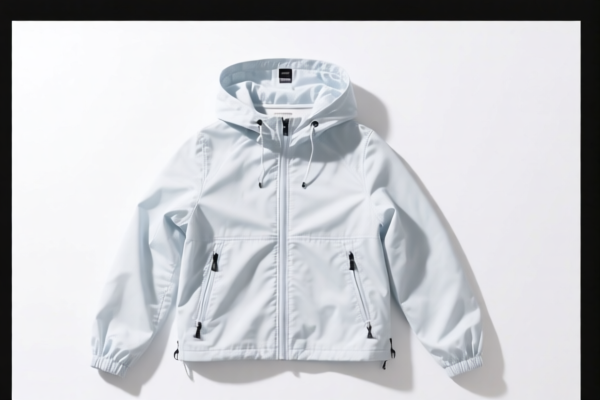
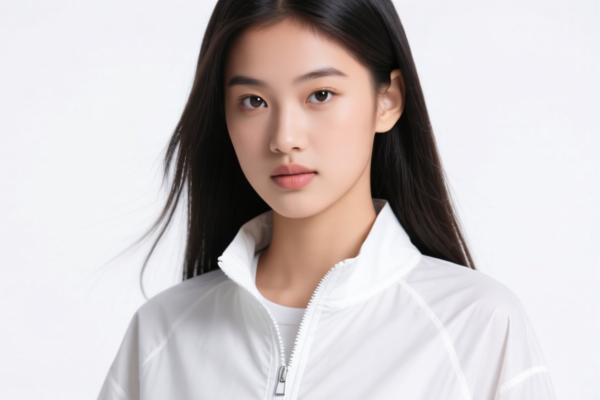

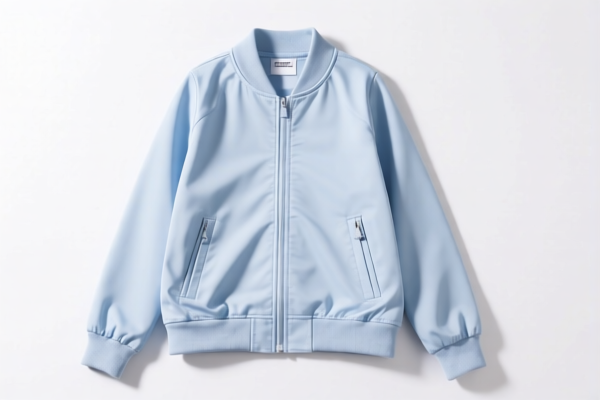
AI Analysis
👗 Lightweight Girls' Outerwear: HS Code Classification & US Customs Strategy
🌐 HS Code Reference & Clearance Guide | 2026 Latest Tariff Analysis | Professional Clearance Strategy
📌 One, Product Definition & Classification: What is "Lightweight Girls' Outerwear"?
In international trade, "Girls' Lightweight Outerwear" is a broad category primarily defined by material composition and knitting/weaving structure. The US Customs and Border Protection (CBP) distinguishes between these items based on whether they are knitted (针织) or woven (梭织), and if they are made from cotton (棉) or synthetic fibers (人造纤维).
⚠️ Key Distinction Points: - Knitted vs. Woven: If the fabric is knitted (stretched, looped), it falls under Chapter 61. If it is woven (interlaced threads, like denim or trench coat material), it falls under Chapter 62. - Material: - Cotton: Higher base tariffs often apply unless specific quotas or exemptions exist. - Synthetic (Polyester/Nylon): Often subject to higher base tariffs due to competitive pressures, but heavily impacted by Section 301/122 duties. - Construction: Hooded jackets (连帽) vs. Zip-up cardigans (开衫/运动衫).
📦 Two, HS Code Classification Matrix (2026 Latest Tariff Alignment)
Based on the provided data, here are the four primary classification paths for "Lightweight Girls' Outerwear" entering the US market.
| HS Code | Product Description | Inferred Material | Key Feature |
|---|---|---|---|
6114.20.00.46 |
Girls' Hooded Jacket | Cotton Knitted | Lightweight, knitted, hooded |
6114.30.30.54 |
Girls' Hooded Jacket | Synthetic Fibers | Lightweight, knitted, hooded (Polyester/Nylon) |
6110.20.20.49 |
Girls' Jacket/Cardigan | Cotton | Knitted sweater-style or cardigan |
6110.30.30.25 |
Girls' Jacket/Pullover | Synthetic/Common Textile | Knitted pullover or synthetic blend |
6202.40.75.11 |
Girls' Casual Light Jacket | Synthetic Fibers | Woven (Non-knitted), lightweight, casual |
🔍 Critical Note: - Chapter 61 (61xx.xx): Applies to knitted or crocheted garments. Most "lightweight" jackets for girls (hoodies, windbreakers with knit lining) fall here. - Chapter 62 (62xx.xx): Applies to woven garments (e.g., rain jackets, windbreakers, trench coats). Note that
6202.40.75.11is the only woven option in the dataset, carrying a distinct tariff structure.
💰 Three, 2026 US Tariff Rate Breakdown (Including Duties & Additional Taxes)
✅ Applicable Country: United States (US) ✅ Origin: China (CN) (Implied by the high surtax structure: 7.5% + 10%) ✅ Effective Time: Current regulations including Section 301 and Section 122 tariffs.
🎯 1. 6114.20.00.46 – Cotton Knitted Hooded Jacket
Best for: Natural fiber, breathable, lightweight hoodies.
| Item | Detail |
|---|---|
| Base Tariff | 10.8% |
| Section 301 Surcharge | 7.5% (Standard additional duty) |
| Section 122 Tariff | 10% (Specific tariff for certain Chinese imports) |
| Total Tax Rate | 28.3% |
| Tax Calculation | CIF Value × 28.3% |
| De Minimis Exemption | ❌ No (Section 301 and 122 duties do not qualify for $800 de minimis exemption if declared separately or if values exceed thresholds for specific categories; generally high-risk for low-value shipments). |
| Legal Path | USITC:6114.20.00.46 → SECTION301:7.5% → SECTION122:10% |
📌 Analysis: - This is the lowest tax rate among the options in the dataset. - Strategy: If your product is cotton-based, this is the most cost-effective classification. Ensure the label clearly states "100% Cotton" or the appropriate blend to avoid misclassification.
🎯 2. 6114.30.30.54 – Synthetic Knitted Hooded Jacket
Best for: Polyester/Nylon windbreakers, synthetic hoodies.
| Item | Detail |
|---|---|
| Base Tariff | 14.9% |
| Section 301 Surcharge | 7.5% |
| Section 122 Tariff | 10% |
| Total Tax Rate | 32.4% |
| Tax Calculation | CIF Value × 32.4% |
| De Minimis Exemption | ❌ No |
| Legal Path | USITC:6114.30.30.54 → SECTION301:7.5% → SECTION122:10% |
📌 Analysis: - Synthetic fibers carry a higher base tariff (14.9% vs 10.8% for cotton). - Risk: High competition from domestic synthetic producers leads to higher base rates.
🎯 3. 6110.20.20.49 – Cotton Knitted Jacket/Cardigan
Best for: Sweater jackets, cardigans, pullovers made of cotton.
| Item | Detail |
|---|---|
| Base Tariff | 16.5% |
| Section 301 Surcharge | 7.5% |
| Section 122 Tariff | 10% |
| Total Tax Rate | 34.0% |
| Tax Calculation | CIF Value × 34.0% |
| De Minimis Exemption | ❌ No |
| Legal Path | USITC:6110.20.20.49 → SECTION301:7.5% → SECTION122:10% |
📌 Analysis: -
6110refers to "Sweaters, pullovers, cardigans." - If the item looks like a jacket but is structured like a sweater (knitted, open front), it may fall here. The base rate is higher than6114(general knitted garments).
🎯 4. 6110.30.30.25 – Synthetic Knitted Jacket/Pullover
Best for: Synthetic sweater-jackets or high-weight knitted outerwear.
| Item | Detail |
|---|---|
| Base Tariff | 32.0% |
| Section 301 Surcharge | 7.5% |
| Section 122 Tariff | 10% |
| Total Tax Rate | 49.5% |
| Tax Calculation | CIF Value × 49.5% |
| De Minimis Exemption | ❌ No |
| Legal Path | USITC:6110.30.30.25 → SECTION301:7.5% → SECTION122:10% |
📌 Analysis: - Highest Tax Rate in the dataset. - Avoidance Strategy: Do not classify lightweight windbreakers here. This code is for heavier knitted garments (sweaters). Misclassifying a lightweight jacket as a heavy sweater to avoid other codes is risky and incorrect.
🎯 5. 6202.40.75.11 – Woven Synthetic Casual Jacket
Best for: Non-knitted, woven jackets (e.g., rain jackets, windbreakers with woven shell).
| Item | Detail |
|---|---|
| Base Tariff | 27.7% |
| Section 301 Surcharge | 7.5% |
| Section 122 Tariff | 10% |
| Total Tax Rate | 45.2% |
| Tax Calculation | CIF Value × 45.2% |
| De Minimis Exemption | ❌ No |
| Legal Path | USITC:6202.40.75.11 → SECTION301:7.5% → SECTION122:10% |
📌 Analysis: - Chapter 62 (Woven) generally has higher base tariffs for synthetic goods than Chapter 61 (Knitted) in this specific dataset. - Key Difference: If the jacket has a woven outer shell (not stretchy knit), it MUST go to Chapter 62. Misclassifying a woven item as knitted is a common audit trigger.
🛠️ Four, Clearance Practical Advice (Actionable Tips)
✅ 1. Documentation Checklist (Essential for CBP)
| Document | Requirement | Reason |
|---|---|---|
| Product Specification Sheet | ✔️ Required | Must state: Material % (Cotton vs. Synthetic), Knit Type (Weft/Warp), Garment Type (Hooded/Cardigan). |
| Tech Pack / Diagram | ✔️ Recommended | Shows construction (e.g., "Knitted Hood" vs. "Sewn Hood") to prove Chapter 61 vs 62. |
| Commercial Invoice | ✔️ Required | Must explicitly state: "Girls' Lightweight Outerwear, [Material], Knitted/Woven". |
| Label Photo | ✔️ Required | CBP often checks the fiber content label on the garment itself. |
| Country of Origin | ✔️ Required | Confirm "Made in China" triggers Section 301/122. If produced elsewhere, tariffs may differ. |
✅ 2. Classification Strategy (Do's and Don'ts)
| Scenario | Correct Approach | Wrong Approach | Consequence |
|---|---|---|---|
| Cotton Hoodie | Use 6114.20.00.46 (28.3%) |
Use 6110.20.20.49 (34.0%) |
Overpaying 5.7% |
| Polyester Windbreaker | Use 6114.30.30.54 (32.4%) if KnittedOR 6202.40.75.11 (45.2%) if Woven |
Assume all are same tax | Wrong tax = Audit/Fine |
| Sweater-Jacket | Use 6110 codes |
Use 6114 (General) |
Misclassification risk |
| De Minimis ($800) | Not Recommended for these items | Trying to split into multiple < $800 packages | CBP scrutinizes "de minimis" abuse for Section 301 goods; risk of detention and reverse entry. |
🔥 Pro Tip: "Material is King, Structure is Queen!" - If it’s Knitted + Cotton →
6114.20.00.46(Lowest Tax: 28.3%) - If it’s Knitted + Synthetic →6114.30.30.54(Medium Tax: 32.4%) - If it’s Woven + Synthetic →6202.40.75.11(High Tax: 45.2%)
✅ 3. Addressing Section 122 and 301 Tariffs
- Section 301 (7.5%): Applies to almost all textile/apparel goods from China. Non-negotiable for CN origin.
- Section 122 (10%): This is a specific surcharge often applied to certain textile products from China. It is additive.
- Total Burden: The combination of Base + 301 + 122 makes US imports expensive.
- Mitigation:
- Substantial Transformation: If components are sourced from Vietnam/Mexico and assembly happens there, the Origin may change, potentially avoiding Section 301/122. (Requires strict proof of transformation).
- HS Code Optimization: Ensure you are not in
6110(Sweater) if it qualifies as6114(General Knitted).6114has lower base rates.
🌍 Five, Global Market Comparison (2026 Outlook)
| Region | Recommended HS Code | Estimated Total Duty (CN Origin) | Key Certification |
|---|---|---|---|
| 🇺🇸 USA | 6114.20.00.46 (Best Case) |
28.3% | CPSC (CPSIA) for children's items |
| 🇨🇳 China | 6114.20.00.46 |
~10-15% (Domestic Trade) | CCC (if applicable) |
| 🇪🇺 EU | 6114.20.00.90 (Similar) | ~12% + VAT | CE, REACH, Flammability |
| 🇬🇧 UK | 6114.20.00.90 | ~12% + VAT | UKCA, Flammability |
📌 Conclusion: - The US market is the most expensive due to the additive nature of Section 301 and Section 122 tariffs. - Cotton Knitted (
6114.20.00.46) is the most tariff-efficient path for lightweight outerwear.
📌 Six, Common Mistakes & Pitfalls (Lessons Learned)
❌ Mistake 1: Classifying a Woven jacket as Knitted to get a lower rate. 👉 Result: CBP rejects the entry, fines + storage fees. Test fabric stretch to prove knit vs. woven.
❌ Mistake 2: Ignoring Section 122. 👉 Result: Under-declaration leads to post-entry audits and penalty interest. Always add 10% if origin is China.
❌ Mistake 3: Mislabeling Fiber Content. 👉 Result: If invoice says "Polyester" but sample is "Cotton," CBP may re-classify and demand higher duties or detain goods. Ensure labels match HS code material requirements.
❌ Mistake 4: Using De Minimis for Section 301 goods. 👉 Result: Since 2024/2025, CBP has cracked down on "de minimis" abuse for Chinese textile goods. High risk of seizure. Declare formally.
✅ Correct Practice:
"Girls' Lightweight Knitted Cotton Hooded Jacket, Model XYZ, 100% Cotton, Made in China. Declared under HS 6114.20.00.46."
🎯 Seven, Conclusion: Strategic Sourcing for Cost Savings
🎯 Remember the Tax Hierarchy:
🔹 Cheapest: Cotton Knitted (
6114.20.00.46) @ 28.3% 🔹 Medium: Synthetic Knitted (6114.30.30.54) @ 32.4% 🔹 Expensive: Woven Synthetic (6202.40.75.11) @ 45.2% 🔹 Most Expensive: Synthetic Knitted Sweater (6110.30.30.25) @ 49.5%
📌 Pro Tip:
If your product is a synthetic hoodie, consider if it can be redesigned with a cotton blend or 100% cotton to utilize the lower base tariff of
6114.20.00.46. The 5.7% difference is significant on high-volume shipments.
📣 Immediate Action:
📞 Consult a Licensed Customs Broker: Provide fabric swatches and tech packs for a formal Advance Ruling. 🚀 Optimize Your Supply Chain: Consider non-China origins if margins cannot absorb the 40-50% total duty burden.
✨ Professional Clearance Starts with Precise Classification! 💼 Your Profit Margin Depends on This 28.3% vs. 49.5% Gap!
Customer Reviews
About HS Code Classification
The Harmonized System (HS) is an internationally standardized nomenclature developed by the World Customs Organization (WCO) to classify traded products. Over 200 countries use the HS system as the basis for customs tariffs, trade statistics, and import/export regulations.
Each HS code follows a hierarchical structure:
- Chapter (2 digits) — Broad category of goods (e.g., Chapter 84: Machinery and Mechanical Appliances)
- Heading (4 digits) — More specific grouping within the chapter
- Subheading (6 digits) — Internationally standardized breakdown, used by all WCO member countries
- National subdivisions (8-10 digits) — Country-specific extensions for further classification, such as US HTSUS 10-digit codes
Correct HS code classification is essential for smooth customs clearance, accurate duty payment, and compliance with trade regulations. Misclassification can lead to customs delays, overpayment of duties, or penalties.
When importing from CN to US, the applicable tariff rates may include:
- Most-Favored-Nation (MFN) rate — The standard duty rate applied to WTO members
- General rate — Applied to countries without trade agreements
- Trade remedy duties — Additional tariffs such as Section 301 (anti-dumping), Section 232 (national security), or countervailing duties
The information provided on this page is for reference purposes only. For official classification, please consult with your local customs authority or a licensed customs broker.