女童防护连体衣
CN → US| HS Code | Tariff Rate | Origin | Destination | Doc |
|---|---|---|---|---|
| 6209303010 | 33.5% | CN | US | Official Doc |
| 6111206010 | 25.6% | CN | US | Official Doc |
| 6110909071 | 23.5% | CN | US | Official Doc |
| 6110909073 | 23.5% | CN | US | Official Doc |
| 6209205030 | 26.8% | CN | US | Official Doc |
Product Images
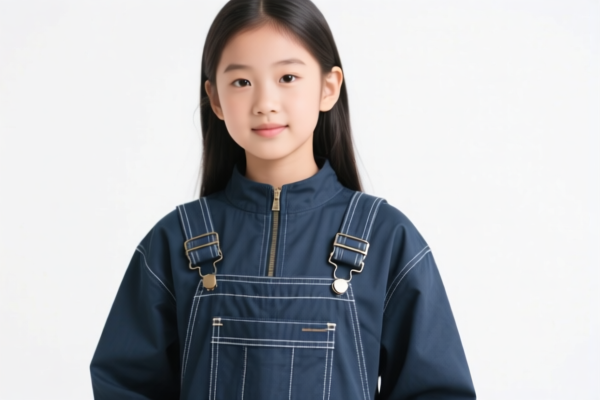
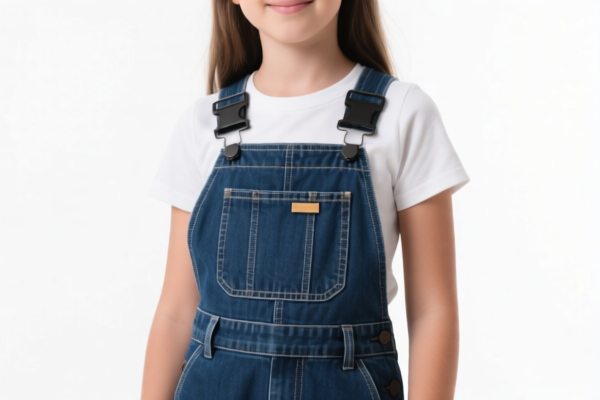
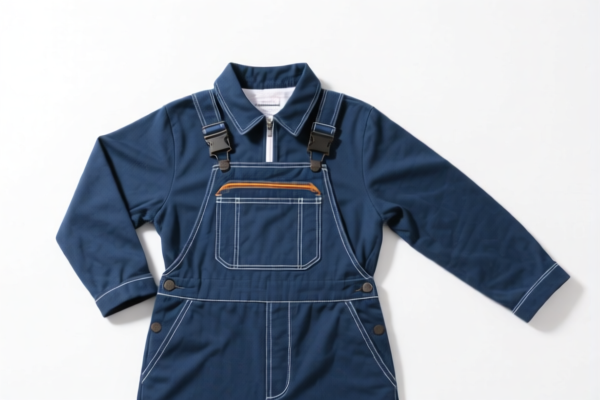

AI Analysis
👶 Girl's Protective Onesie (女童防护连体衣)
🌐 HS Code Reference & Customs Clearance Guide | 2026 Latest Tariff Analysis | Professional Clearance Strategy
📌 I. Product Definition & Classification: Do You Really Understand "Protective Onesies"?
A Girl's Protective Onesie is a form-fitting, one-piece garment designed for infants and young girls, often intended for hygiene, protection against cold, or medical/post-surgical recovery. In international trade, the classification depends heavily on: 1. Knitted vs. Woven: Is it knitted (stretchy, soft) or woven (structured, durable)? 2. Material Composition: Cotton, Synthetic Fibers, or Other Textiles? 3. Specific Purpose: Is it strictly for infants (usually under 2 years) or older girls?
⚠️ Key Classification Point:
- If it is Knitted and for Infants → Likely Chapter 61, Heading 6111 or 6110.
- If it is Woven and for Infants → Likely Chapter 62, Heading 6209.
- "Protective" does not automatically change the HS code; it is still classified as "Garments and Clothing Accessories." The material and knitting method are the decisive factors.
📦 II. HS Code Classification Details (2026 Latest Tariff Authority Comparison)
| HS Code | Product Description | Application Scenario | Knitting Method | Material Inference |
|---|---|---|---|---|
6111.20.60.10 |
Babies' garments & clothing accessories, knitted/knitted, of cotton | Infant onesies, sleep suits, protective wear | ✅ Knitted | Cotton (Most Common) |
6110.90.90.71 |
Sweaters, pullovers, etc., knitted/knitted, of other textile materials | Older girl's knitwear, possibly loose-fitting protective layer | ✅ Knitted | Other Textiles (Synthetic/Blend) |
6110.90.90.73 |
Sweaters, pullovers, etc., knitted/knitted, of other textile materials | Similar to above, specific sub-category for other materials | ✅ Knitted | Other Textiles (Non-Cotton) |
6209.20.50.30 |
Babies' garments & clothing accessories, woven, of cotton | Woven onesies, durable protective coveralls | ❌ Woven | Cotton |
6209.30.30.10 |
Babies' garments & clothing accessories, woven, of synthetic fibers | Woven protective suits, rain gear for babies | ❌ Woven | Synthetic Fibers |
🔍 Important Reminder:
- Infant usually refers to children under 2 years old. If the "girl" is older (e.g., 3+ years), it may fall under general women's/girls' clothing (Chapter 61/62 without the 6209/6111 infant headings). However, the provided data suggests infant/young child focus.
- "Protective" is often interpreted as standard outerwear or sleepwear for infants unless it is specialized medical PPE (which would be different). Here, it is treated as baby apparel.
💰 III. 2026 Latest Tariff Rate Details (Including Additional Taxes & Policy Surcharges)
✅ Applicable Country: United States (US)
✅ Origin: China (CN)
✅ Effective Date: From November 10, 2025 (including subsequent imports)
🎯 1. 6111.20.60.10 —— Babies' Knitted Cotton Garments
| Item | Content |
|---|---|
| Base Duty Rate | 8.1% (ad valorem) |
| USITC Additional Duty | +7.5% |
| Section 122 Tariff | +10% |
| Total Tax Rate | 25.6% |
| Tax Calculation | CIF Value × 25.6% |
| De Minimis Eligibility | ❌ No (Typically, textiles >$800 may face scrutiny, but specific rules apply) |
| Legal Basis Path | USITC:6111.20.60.10 → Section 122: 10% → USITC Add-on: 7.5% |
📌 Explanation:
- This is the most common classification for cotton baby onesies.
- The 25.6% total rate includes base tariff + political surcharges.
- Cotton is sensitive to trade tensions, hence the 122 clause.
🎯 2. 6110.90.90.71 & 6110.90.90.73 —— Knitted Garments of Other Textile Materials
| Item | Content |
|---|---|
| Base Duty Rate | 6.0% (ad valorem) |
| USITC Additional Duty | +7.5% |
| Section 122 Tariff | +10% |
| Total Tax Rate | 23.5% |
| Tax Calculation | CIF Value × 23.5% |
| De Minimis Eligibility | ❌ No |
| Legal Basis Path | USITC:6110.90.90.71/73 → Section 122: 10% → USITC Add-on: 7.5% |
📌 Note:
- These codes apply if the garment is knitted but made of non-cotton materials (e.g., polyester, acrylic, blends).
- Slightly lower base rate (6.0% vs 8.1%) but same surcharges.
- "Other Textile Materials" often includes synthetics, which may have different duty implications depending on specific sub-headings.
🎯 3. 6209.20.50.30 —— Woven Cotton Babies' Garments
| Item | Content |
|---|---|
| Base Duty Rate | 9.3% (ad valorem) |
| USITC Additional Duty | +7.5% |
| Section 122 Tariff | +10% |
| Total Tax Rate | 26.8% |
| Tax Calculation | CIF Value × 26.8% |
| De Minimis Eligibility | ❌ No |
| Legal Basis Path | USITC:6209.20.50.30 → Section 122: 10% → USITC Add-on: 7.5% |
📌 Explanation:
- If the onesie is woven (not knitted) and cotton, it falls here.
- Higher base rate (9.3%) due to woven textiles often having different trade policies.
🎯 4. 6209.30.30.10 —— Woven Synthetic Babies' Garments
| Item | Content |
|---|---|
| Base Duty Rate | 16.0% (ad valorem) |
| USITC Additional Duty | +7.5% |
| Section 122 Tariff | +10% |
| Total Tax Rate | 33.5% |
| Tax Calculation | CIF Value × 33.5% |
| De Minimis Eligibility | ❌ No |
| Legal Basis Path | USITC:6209.30.30.10 → Section 122: 10% → USITC Add-on: 7.5% |
📌 Warning:
- This is the highest tax rate among the options.
- Woven synthetic garments are often viewed as more durable/industrial, hence higher base duties.
- Avoid this classification unless the product is definitively woven and synthetic.
🛠️ IV. Customs Clearance Practical Advice (Battle-Hardened Pitfall Guide)
✅ 1. Required Documentation Checklist (Missing Any = Delay)
| Document | Must Provide | Description |
|---|---|---|
| ✅ Product Spec Sheet | ✔️ | Material composition (e.g., 100% Cotton), knitting method (knitted/woven), age group |
| ✅ Fabric Swatch/Test Report | ✔️ | Proof of material composition (Cotton vs. Synthetic) |
| ✅ Product Photos | ✔️ | Clear images of the entire garment, tags, and any "protective" features |
| ✅ Commercial Invoice | ✔️ | Must specify "Infant Onesie" or "Baby Protective Garment," not just "Clothing" |
| ✅ Packing List | ✔️ | Item count, weight, dimensions |
| ✅ Origin Certificate | ✔️ | If claiming any exemptions (though unlikely for China-origin under 122) |
✅ 2. Declaration Tips (Key Mantra)
🔥 "Material First, Knitting Second, Age Specific, Tax Clear!"
| Scenario | Correct Declaration | Wrong Practice |
|---|---|---|
| Cotton, Knitted, Infant | 6111.20.60.10 |
Misdeclare as woven → 26.8% |
| Polyester, Knitted, Infant | 6110.90.90.71/73 |
Misdeclare as cotton → 25.6% |
| Cotton, Woven, Infant | 6209.20.50.30 |
Misdeclare as knitted → 25.6% |
| Synthetic, Woven, Infant | 6209.30.30.10 |
Misdeclare as knitted → 23.5% (Risk of penalty) |
📌 Critical:
- Do not use vague terms like "Protective Suit" without specifying material.
- Do not assume "Knitted" if it's woven. The texture and stretch must match.
- Age Range: Ensure the product is marketed for infants (under 2) to qualify for Chapter 61/62 infant headings. If for older girls, codes change entirely (e.g., 6109, 6117).
✅ 3. Special Case Handling
| Scenario | Handling Advice |
|---|---|
| "Protective" Medical Garments | If for post-surgery (e.g., elbow protection), may require medical device classification (Chapter 90), but usually still apparel if soft fabric. |
| Multi-Material Garments | Classify based on the principal material (by weight). If mixed, use the material that gives essential character. |
| Sets (Onesie + Hat) | Declared together as "Set." The HS code is determined by the component giving essential character (usually the onesie). |
| Samples | If value <$800, de minimis may apply, but textiles are often excluded from de minimis in certain US contexts. Verify current CBP rules. |
🌍 V. Global Market Customs Comparison (2026 Latest)
| Country/Region | Recommended HS Code | Duty Rate (China Origin) | Certification Requirements | Notes |
|---|---|---|---|---|
| 🇺🇸 USA | 6111.20.60.10 (Cotton Knitted) |
25.6% | CPSIA, Prop 65 | High tariffs due to Section 122 & 301 |
| 🇨🇳 China | 6111.20.60.10 |
8.1% | CCC (if applicable) | No additional political surcharges |
| 🇪🇺 EU | 6111.20.60.10 |
8% - 12% | CE, REACH, OEKO-TEX | Lower political tariffs, but high compliance costs |
| 🇯🇵 Japan | 6111.20.60.10 |
8% - 12% | PSE, STC | Moderate duties |
| 🇬🇧 UK | 6111.20.60.10 |
8% - 12% | UKCA, REACH | Post-Brexit rules apply |
📌 Conclusion:
- The US market is the most expensive due to political tariffs (25.6% vs 8.1% base).
- China/EU/UK have lower political surcharges but stricter safety/chemical compliance (OEKO-TEX, CPSIA).
- Always prioritize material accuracy to avoid misclassification penalties.
📌 VI. Common Errors & Pitfall Guide (Lessons Learned)
❌ Error 1: Declaring "Knitted" for a Woven Garment
👉 Consequence: Incorrect HS Code → Overpayment (25.6% vs 33.5%) or Underpayment (Audit Risk)
❌ Error 2: Not Specifying Material (Cotton vs. Synthetic)
👉 Consequence: Customs may assign the highest duty rate (33.5%) for synthetic woven as a default.
❌ Error 3: Ignoring Age Range
👉 Consequence: If the garment is for a 3-year-old, it may not qualify as "Infant" (Chapter 61/62 infant headings), leading to misclassification.
❌ Error 4: Vague Description "Protective Onesie"
👉 Consequence: CBP requests additional information → Delayed Clearance + Storage Fees.
✅ Correct Practice:
"Baby Girl's Knitted Cotton Onesie, Protective Sleepsuit, 100% Cotton, Size 0-3M, CPSIA Compliant"
🎯 VII. Conclusion: Professional Declaration, Save Time & Money!
🎯 Remember the Mantra:
🔹 "Cotton Knitted = 25.6%, Synthetic Woven = 33.5%, Material is King!"
🔹 "HS Code Determines Tax, Misclassification Costs You Double!"
📌 Pro Tip:
If your onesies are originating from Vietnam, Bangladesh, or India, you may qualify for lower duties under various trade agreements. Always verify the country of origin on your commercial invoice.
📣 Immediate Action:
📞 Contact a Professional Broker + Provide Material Test Report + Apply for CBP Advance Ruling
🚀 Ensure your onesies clear customs smoothly, efficiently, and profitably!
✨ Professional Clearance Starts with Accurate Classification!
💼 Every Cent of Tax is Worth Calculating Precisely!
Customer Reviews
About HS Code Classification
The Harmonized System (HS) is an internationally standardized nomenclature developed by the World Customs Organization (WCO) to classify traded products. Over 200 countries use the HS system as the basis for customs tariffs, trade statistics, and import/export regulations.
Each HS code follows a hierarchical structure:
- Chapter (2 digits) — Broad category of goods (e.g., Chapter 84: Machinery and Mechanical Appliances)
- Heading (4 digits) — More specific grouping within the chapter
- Subheading (6 digits) — Internationally standardized breakdown, used by all WCO member countries
- National subdivisions (8-10 digits) — Country-specific extensions for further classification, such as US HTSUS 10-digit codes
Correct HS code classification is essential for smooth customs clearance, accurate duty payment, and compliance with trade regulations. Misclassification can lead to customs delays, overpayment of duties, or penalties.
When importing from CN to US, the applicable tariff rates may include:
- Most-Favored-Nation (MFN) rate — The standard duty rate applied to WTO members
- General rate — Applied to countries without trade agreements
- Trade remedy duties — Additional tariffs such as Section 301 (anti-dumping), Section 232 (national security), or countervailing duties
The information provided on this page is for reference purposes only. For official classification, please consult with your local customs authority or a licensed customs broker.