女装连体裤
CN → US| HS Code | Tariff Rate | Origin | Destination | Doc |
|---|---|---|---|---|
| 6114909040 | 15.6% | CN | US | Official Doc |
| 6114303054 | 32.4% | CN | US | Official Doc |
| 6104692030 | 45.7% | CN | US | Official Doc |
| 6114303052 | 32.4% | CN | US | Official Doc |
| 6204692810 | 46.1% | CN | US | Official Doc |
Product Images
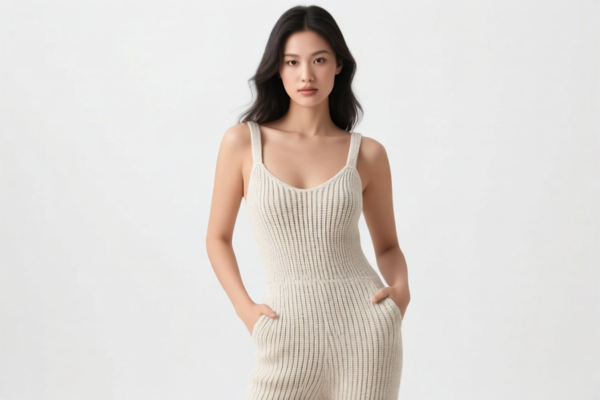
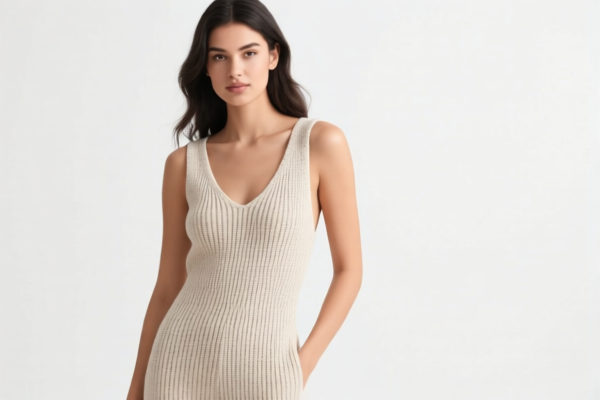
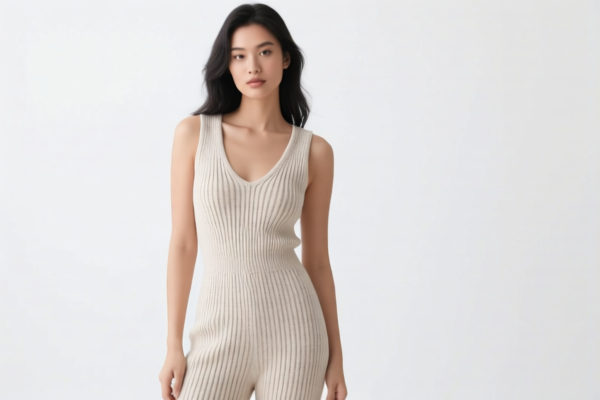
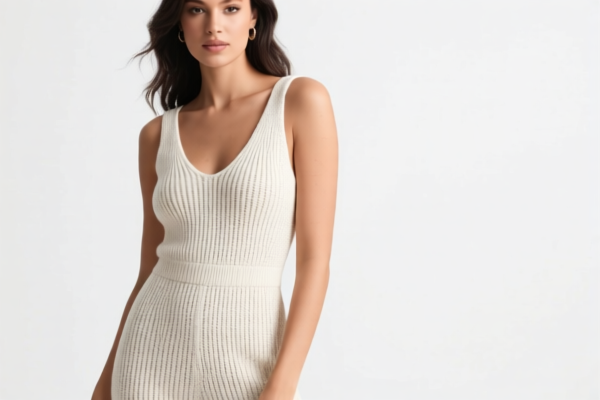
AI Analysis
👗 Women's Jumpsuits & Rompers (Women's Coveralls)
🌐 HS Code Reference & Customs Clearance Guide | 2024/2025 Latest Tariff Analysis | Professional Entry Strategy
📌 I. Product Definition & Classification: Do You Really Know "Women's Jumpsuits"?
Women's jumpsuits (often referred to as coveralls, rompers, or bodysuits depending on the cut) are one-piece garments covering the torso and legs. In international trade, classification is not just about the shape but strictly follows the material composition and specific design features.
Two Main Categories: 1. Knitted or Crocheted (Chapter 61): Made from knitted fabrics (stretchy, jersey, etc.). Usually classified under 6114. 2. Woven (Chapter 62): Made from woven fabrics (cotton, polyester, viscose/rayon, etc.). Usually classified under 6104 or 6204.
⚠️ Key Distinction Point:
- If the garment is Knitted → Look at 6114 (Other knitted/crocheted garments).
- If the garment is Woven and made of Man-made Fibers (like Viscose/Rayon) → It often falls under 6104 (Woven suits) or 6204 (Woven trousers) depending on specific US Customs rulings.
- Viscose (Rayon) is legally considered a "Man-made Fiber" in HS classification, not "Natural Fiber."
📦 II. HS Code Classification Details (Based on Provided Data)
| HS Code | Product Description | Material/Type | Total Tax Rate |
|---|---|---|---|
6114.90.90.40 |
Women's Jumpsuit, classified as knitted garment | Knitted (Textile material, unspecified fiber type in summary) | 15.6% |
6114.30.30.54 |
Women's Jumpsuit, classified by Man-made/Non-Wool fiber | Man-made Fiber (Knitted) | 32.4% |
6104.69.20.30 |
Women's Viscose Jumpsuit, classified as woven trousers | Viscose (Rayon) (Woven Trousers) | 45.7% |
6114.30.30.52 |
Women's Viscose Jumpsuit, classified by Jumpsuit form & Man-made fiber | Viscose (Rayon) (Knitted Jumpsuit) | 32.4% |
6204.69.28.10 |
Women's Viscose Jumpsuit, classified as Woven Trousers for Women | Viscose (Rayon) (Woven Trousers) | 46.1% |
🔍 Critical Note:
- Viscose/Rayon is the most common material for trendy women's jumpsuits. It triggers higher tariffs if classified as "Trousers" (Chapter 61/62) compared to "Other Garments" (Chapter 61) in some cases, but here the Man-made fiber status is the primary driver for the 32%+ base rates. - The difference between 32.4% and 45%+ often hinges on whether Customs views the item as a "Jumpsuit" (6114) or effectively as "Trousers with a Top" (6104/6204). 6114.30 is generally the "correct" home for true jumpsuits, but misclassification as trousers (6104/6204) leads to significantly higher taxes.
💰 III. 2024/2025 Latest Tariff Rate Breakdown (Including Surcharges)
✅ Applicable Country: United States (US)
✅ Origin: China (CN)
✅ Effective Time: Current rates including Section 301 and Section 122 provisions.
🎯 1. 6114.90.90.40 — Other Knitted Garments (Non-Man-made/Wool specific)
| Item | Details |
|---|---|
| Base Duty | 5.6% |
| Section 301 Surcharge | 0.0% (Note: Based on provided data, this specific code may have an exemption or lower tier, but generally check current 301 lists) |
| Section 122 Surcharge | 10.0% |
| Total Tax Rate | 15.6% |
| Calculation | CIF Value × 15.6% |
| De Minimis Eligibility | ❌ No (Section 321 de minimis usually excludes China-origin textile/apparel from low-value exemptions under current enforcement trends, or strictly limited. Note: Check latest CBP guidance on Section 321 for apparel.) |
| Legal Basis Path | HTSUS:6114.90.90.40 → Section 122 |
📌 Explanation:
- This is the lowest tax bracket among the options provided. - It applies to knitted garments that do not fall under the specific "Man-made fiber" categories listed in other codes, or potentially blends where the primary fiber triggers this subheading. - Key Advantage: Significantly lower total duty compared to viscose/woven equivalents.
🎯 2. 6114.30.30.54 & 6114.30.30.52 — Knitted Jumpsuits (Man-made Fiber / Viscose)
| Item | Details |
|---|---|
| Base Duty | 14.9% |
| Section 301 Surcharge | 7.5% |
| Section 122 Surcharge | 10.0% |
| Total Tax Rate | 32.4% |
| Calculation | CIF Value × 32.4% |
| De Minimis Eligibility | ❌ No |
| Legal Basis Path | HTSUS:6114.30.30 → Section 301 (7.5%) → Section 122 (10%) |
📌 Explanation:
- Viscose is a man-made fiber. Knitted viscose jumpsuits fall here. - The 7.5% Section 301 is the critical differentiator here. Many textile products from China face this surcharge. - Code .52 vs .54: Both have the same tax rate (32.4%). The difference is in the specific sub-description (.52 for viscose jumpsuit form, .54 for general man-made). Always use .52 if it is specifically Viscose for accuracy, but the cost is identical.
🎯 3. 6104.69.20.30 & 6204.69.28.10 — Woven Trousers (Viscose/Rayon)
| Item | Details |
|---|---|
| Base Duty | 28.2% (.30) / 28.6% (.10) |
| Section 301 Surcharge | 7.5% |
| Section 122 Surcharge | 10.0% |
| Total Tax Rate | 45.7% (.30) / 46.1% (.10) |
| Calculation | CIF Value × 45.7%/46.1% |
| De Minimis Eligibility | ❌ No |
| Legal Basis Path | HTSUS:6104/6204 → Section 301 (7.5%) → Section 122 (10%) |
📌 Warning:
- These codes classify the jumpsuit as "Trousers" rather than a "Jumpsuit" or "Other Garment." - This results in a Base Duty of ~28%, which is nearly double the base duty of the knitted man-made jumpsuit (14.9%). - Risk: Customs may reclassify a "Jumpsuit" as "Trousers" if the top part is not considered a full shirt/jacket, leading to a sudden 14% increase in total duties.
🛠️ IV. Customs Clearance Practical Advice (Best Practices)
✅ 1. Document Preparation Checklist (Mandatory)
| Document | Required | Description |
|---|---|---|
| ✅ Product Description | ✔️ | Must clearly state "Women's Knitted Jumpsuit" or "Women's Woven Viscose Jumpsuit." Avoid vague terms like "One-piece garment." |
| ✅ Composition Label | ✔️ | Exact fiber content (e.g., 95% Viscose, 5% Elastane). |
| ✅ Tech Pack / Construction Diagram | ✔️ | Crucial: Show how the top and bottom are connected. Are they separate pieces sewn together, or one piece? This determines Chapter 61 vs 62. |
| ✅ Photos | ✔️ | Front, back, and close-up of the fabric weave (knit vs. woven). |
| ✅ Commercial Invoice | ✔️ | Must match the HS Code selected. |
| ✅ Country of Origin | ✔️ | Confirm China origin to apply correct Section 122/301 rates. |
✅ 2. Classification Strategy (Key Pitfalls)
🔥 "Fabric Type Dictates Base Duty, Design Dictates Chapter!"
| Scenario | Recommended HS Code | Why? |
|---|---|---|
| Knitted, Viscose/Rayon Jumpsuit | 6114.30.30.52 |
It is a Knitted garment (Ch 61). Viscose is man-made. Lower base duty (14.9%) than woven. |
| Knitted, Cotton Jumpsuit | Check 6114.90.90.40 or 6104/6204 equivalents |
If it fits 6114.90.90.40, it’s only 15.6% total. Very competitive. |
| Woven, Viscose Jumpsuit | 6104.69.20.30 or 6204.69.28.10 |
Woven viscose is treated as Trousers (Ch 61/62). High base duty (28%+). |
| Oversized "Jumpsuit" looking like Trousers | Risk of 6204.69.28.10 |
If the top is minimal (e.g., tank top style), Customs may view it as trousers with a belt/suspenders. |
⚠️ Critical Tip:
If your product is Knitted, fight for Chapter 61 (6114).
If it is Woven, you are likely stuck in Chapter 62 (or 6104 if it has a jacket-like top), which carries much higher duties.
Do NOT misclassify Woven Jumpsuits as Knitted — Customs scans fabric samples.
✅ 3. Special Considerations for Section 122 & 301
| Clause | Impact |
|---|---|
| Section 301 (7.5%) | Applies to Man-made Fiber products from China. Avoids if the product is 100% Wool or Silk (rare for jumpsuits). |
| Section 122 (10%) | Broad Surcharge on many textile/apparel imports from China. Likely applies to ALL codes in this data set. |
| Total Liability | Always calculate Base + 301 + 122. Ignoring Section 122 is the #1 cause of clearance delays and penalties. |
🌍 V. Global Market Comparison (Snapshot)
| Market | Recommended HS Code | Est. Total Duty (China Origin) | Notes |
|---|---|---|---|
| 🇺🇸 USA | 6114.30.30.52 |
32.4% | Includes Section 301 + Section 122. Highest barrier. |
| 🇺🇸 USA | 6114.90.90.40 |
15.6% | If material allows (e.g., cotton blend), significant savings. |
| 🇨🇳 China (Export) | N/A | 0% | No export duty. |
| 🇪🇺 EU | 6114.30.30 |
~12% | No Section 301/122. Standard MFN rate applies. |
| 🇨🇦 Canada | 6114.30.30 |
~12% | No Section 301/122. CUSMA benefits may apply. |
📌 Conclusion for US Importers:
The 15.6% rate for6114.90.90.40is the "Goldilocks" zone if your fabric is suitable.
The 32.4% rate for Viscose Knitted (6114.30.30.52) is the standard for popular fashion jumpsuits.
The 45%+ rates for Woven/Viscose are punitive and should be avoided by choosing knitted materials if possible.
📌 VI. Common Mistakes & Pitfalls (Lessons Learned)
❌ Mistake 1: Classifying a Viscose Knitted jumpsuit as 6204 (Woven Trousers).
👉 Result: Tax jumps from 32.4% to 46.1%. You overpaid by 13.7% per unit.
❌ Mistake 2: Assuming "De Minimis" applies to these items.
👉 Result: Section 321 exemptions are heavily restricted for China-origin textile/apparel. Expect duties at every entry.
❌ Mistake 3: Ignoring Section 122.
👉 Result: Even if Base Duty is 5%, the 10% Section 122 surcharge adds up. Total cost is never just Base Duty.
❌ Mistake 4: Vague Description "Women's Clothing."
👉 Result: CBP will request additional info, causing 7-14 day delays. Use specific terms: "Knitted Viscose Jumpsuit."
✅ Correct Declaration Example:
"WOMEN'S KNITTED VISCOSE JUMPSUIT, 95% VISCOSE/5% SPANDEX, MODEL #123, ORIGIN CHINA"
→ HS Code:6114.30.30.52→ Total Duty: 32.4%
🎯 VII. Conclusion: Precision Saves Money!
🎯 Key Takeaways:
🔹 Knitted is King: If you can make the jumpsuit knitted, you stay in Chapter 61, which often has lower base duties than Woven Chapter 62.
🔹 Viscose = Man-made: Do not treat Viscose as "Natural." It triggers the 7.5% Section 301 surcharge.
🔹 Section 122 is Universal: Assume 10% is added to almost all textile imports from China to the US.
🔹 Best Case Scenario:6114.90.90.40(15.6%) if material allows.
🔹 Standard Fashion Scenario:6114.30.30.52(32.4%) for Viscose Knitted.
📣 Immediate Action Plan:
1. Confirm Fabric: Is it Knit or Woven?
2. Confirm Fiber: Is it Viscose/Rayon (Man-made) or Cotton/Wool?
3. Select Code: Use 6114.30.30.52 for Viscose Knitted, or 6114.90.90.40 if eligible.
4. Calculate Cost: Apply 32.4% or 15.6% to your CIF value.
5. File Entry: Ensure "Section 122" and "Section 301" boxes are checked correctly to avoid CBP flags.
✨ Smart Classification, Lower Duties, Faster Clearance!
💼 Your Profit Margin Depends on Your HS Code Choice!
Customer Reviews
About HS Code Classification
The Harmonized System (HS) is an internationally standardized nomenclature developed by the World Customs Organization (WCO) to classify traded products. Over 200 countries use the HS system as the basis for customs tariffs, trade statistics, and import/export regulations.
Each HS code follows a hierarchical structure:
- Chapter (2 digits) — Broad category of goods (e.g., Chapter 84: Machinery and Mechanical Appliances)
- Heading (4 digits) — More specific grouping within the chapter
- Subheading (6 digits) — Internationally standardized breakdown, used by all WCO member countries
- National subdivisions (8-10 digits) — Country-specific extensions for further classification, such as US HTSUS 10-digit codes
Correct HS code classification is essential for smooth customs clearance, accurate duty payment, and compliance with trade regulations. Misclassification can lead to customs delays, overpayment of duties, or penalties.
When importing from CN to US, the applicable tariff rates may include:
- Most-Favored-Nation (MFN) rate — The standard duty rate applied to WTO members
- General rate — Applied to countries without trade agreements
- Trade remedy duties — Additional tariffs such as Section 301 (anti-dumping), Section 232 (national security), or countervailing duties
The information provided on this page is for reference purposes only. For official classification, please consult with your local customs authority or a licensed customs broker.