奶瓶
CN → US| HS Code | Tariff Rate | Origin | Destination | Doc |
|---|---|---|---|---|
| 7013993000 | 26.5% | CN | US | Official Doc |
| 7013492090 | 32.5% | CN | US | Official Doc |
| 3924900500 | 20.6% | CN | US | Official Doc |
| 3924104000 | 13.4% | CN | US | Official Doc |
| 3923300010 | 38.0% | CN | US | Official Doc |
Product Images
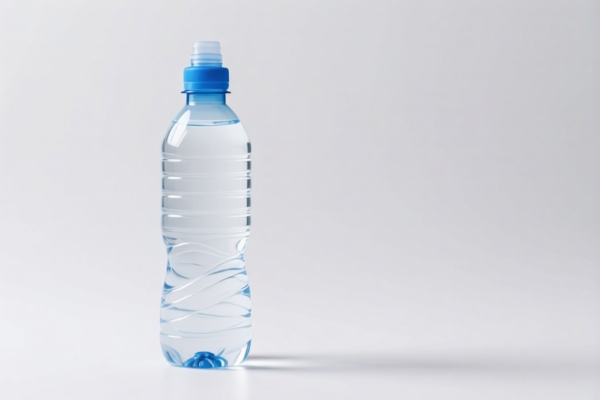
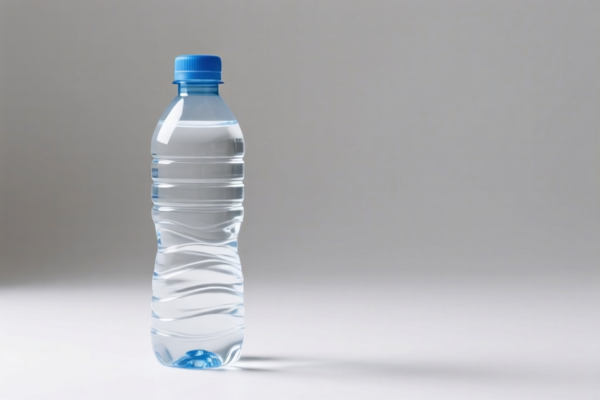
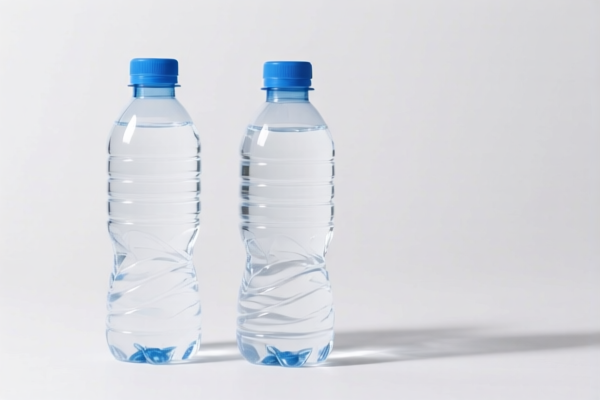
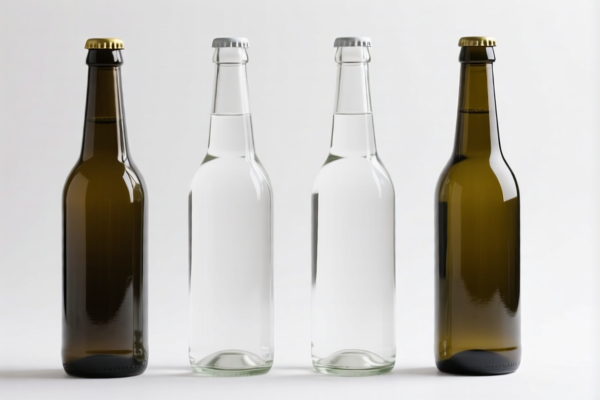
AI Analysis
🍼 Baby Bottles (Infant Feeding Bottles) – Comprehensive HS Code & Tariff Guide (2026 Update)
🌐 HS Code Classification & Customs Clearance Strategy | 2026 Tariff Deep Dive | Expert-Level Compliance Advice
📌 One-Stop Guide for Importers, Exporters & Supply Chain Managers
📦 I. Product Definition & Classification: What Exactly Is a "Baby Bottle"?
A baby bottle is a container designed primarily for feeding infants or young children, typically made from glass or plastic, and used for milk, formula, or water. These bottles are often paired with teats (nipples) and screw caps, and may include anti-colic vents or temperature indicators.
⚠️ Critical Distinction:
- If the bottle is used solely for feeding infants → classified under 3924.10.40.00 / 3924.90.05.00
- If the bottle is used for general kitchen/tableware purposes (e.g., water, juice, storage) → classified under 7013.49.20.90 / 7013.99.30.00
- If it’s a plastic bottle for packaging or feeding → may fall under 3923.30.00.10🔍 Key Factor:
Intended Use determines the HS Code — not material alone.
🧩 II. HS Code Breakdown (2026 Official Tariff Table – U.S. Customs)
| HS Code | Product Description | Primary Use | Material | Includes Driver/Control? |
|---|---|---|---|---|
7013.99.30.00 |
Glass baby bottles, for feeding or tableware use | Infant feeding / kitchen use | Glass | ❌ No |
7013.49.20.90 |
Glass or plastic baby bottles, for kitchen or tableware | Tableware / kitchen use | Glass / Plastic | ❌ No |
3924.90.05.00 |
Plastic baby bottles, for infant feeding | Infant feeding only | Plastic | ❌ No |
3924.10.40.00 |
Plastic baby bottles, for infant feeding utensils | Baby feeding utensils | Plastic | ❌ No |
3923.30.00.10 |
Plastic bottles for packaging or feeding | General use / feeding | Plastic | ❌ No |
📌 Important Note:
- All bottles must be declared with clear intent — whether for infant feeding or general tableware/kitchen use. - Misclassification leads to tariff overpayment, penalties, or seizure.
💰 III. 2026 U.S. Tariff Breakdown (Including附加 Taxes)
✅ Applicable Country: United States (US)
✅ Origin: China (CN)
✅ Effective Date: November 10, 2025 (including future imports)
🎯 1. 7013.99.30.00 – Glass Baby Bottles (Feeding or Tableware)
| Item | Detail |
|---|---|
| Base Duty | 9.0% (ad valorem) |
| Section 301 Additional Tariff | 7.5% (from USITC) |
| Section 122 Tariff (IEEPA) | 10.0% (from International Emergency Economic Powers Act) |
| Total Effective Duty | 26.5% |
| Tax Calculation | CIF Value × 26.5% |
| De Minimis Threshold | ❌ Not applicable (denied under U.S. de minimis rules) |
| Legal Basis Path | IEEPA:9903.01.25 → USITC:7013.99.30.00 → FOOTNOTE:9903.88.01 |
📌 Explanation:
- Section 301 (7.5%) applies to goods from China under the U.S.-China trade war tariffs. - Section 122 (10%) is an emergency tariff under IEEPA for strategic goods. - Total = 26.5% — moderate but still significant for glass bottles.
🎯 2. 7013.49.20.90 – Glass or Plastic Baby Bottles (Kitchen/Tableware Use)
| Item | Detail |
|---|---|
| Base Duty | 22.5% |
| Section 301 Additional Tariff | 0.0% |
| Section 122 Tariff (IEEPA) | 10.0% |
| Total Effective Duty | 32.5% |
| Tax Calculation | CIF × 32.5% |
| De Minimis Threshold | ❌ Not applicable |
| Legal Basis Path | IEEPA:9903.01.24 → USITC:7013.49.20.90 → FOOTNOTE:9903.88.01 |
📌 Why Higher?
- This code applies to non-infant-specific bottles used in kitchen or tableware. - Higher base duty (22.5%) reflects non-essential or non-medical classification. - IEEPA 10% still applies due to China origin.⚠️ Red Flag:
If a bottle is marketed as "for kitchen use", even if used for feeding, it may be reclassified here — risk of 32.5%.
🎯 3. 3924.90.05.00 – Plastic Baby Bottles (Infant Feeding Only)
| Item | Detail |
|---|---|
| Base Duty | 3.1% |
| Section 301 Additional Tariff | 7.5% |
| Section 122 Tariff (IEEPA) | 10.0% |
| Total Effective Duty | 20.6% |
| Tax Calculation | CIF × 20.6% |
| De Minimis Threshold | ❌ Not applicable |
| Legal Basis Path | IEEPA:9903.01.25 → USITC:3924.90.05.00 → FOOTNOTE:9903.88.01 |
📌 Why Lower?
- Infant feeding is considered essential and health-related. - Lower base duty (3.1%) reflects critical product status. - Still subject to IEEPA 10% and Section 301 7.5% due to China origin.✅ Best Option for Plastic Bottles:
Use this code only if the bottle is clearly for infant feeding — not for storage or kitchen use.
🎯 4. 3924.10.40.00 – Plastic Baby Bottles (Infant Feeding Utensils)
| Item | Detail |
|---|---|
| Base Duty | 3.4% |
| Section 301 Additional Tariff | 0.0% |
| Section 122 Tariff (IEEPA) | 10.0% |
| Total Effective Duty | 13.4% |
| Tax Calculation | CIF × 13.4% |
| De Minimis Threshold | ❌ Not applicable |
| Legal Basis Path | IEEPA:9903.01.24 → USITC:3924.10.40.00 → FOOTNOTE:9903.88.01 |
📌 Why Lowest?
- No Section 301 tariff (0.0%) — likely due to health necessity. - IEEPA 10% still applies. - Base duty only 3.4% → most favorable for plastic infant bottles.✅ Recommended for:
Bottles explicitly marketed as "baby feeding utensils" with teats, caps, and feeding design.
🎯 5. 3923.30.00.10 – Plastic Bottles (Packaging or Feeding Use)
| Item | Detail |
|---|---|
| Base Duty | 3.0% |
| Section 301 Additional Tariff | 25.0% |
| Section 122 Tariff (IEEPA) | 10.0% |
| Total Effective Duty | 38.0% |
| Tax Calculation | CIF × 38.0% |
| De Minimis Threshold | ❌ Not applicable |
| Legal Basis Path | IEEPA:9903.01.25 → USITC:3923.30.00.10 → FOOTNOTE:9903.88.01 |
📌 Why So High?
- Section 301 tariff = 25% — highest rate in the list. - This code applies to general-purpose plastic bottles — not infant-specific. - IEEPA 10% applies. - Total = 38% — extremely high.⚠️ Danger Zone:
If a bottle is not clearly for infant feeding, or is marketed as "storage" or "packaging", it may be reclassified here — risk of 38% duty.
🛠️ IV. Customs Clearance Best Practices (Pro Tips to Avoid Penalties)
✅ 1. Required Documentation (Must-Have)
| Document | Required? | Purpose |
|---|---|---|
| ✅ Commercial Invoice | ✔️ | Must state "Baby Bottle for Infant Feeding" or "Kitchen Tableware" |
| ✅ Product Photos (with label) | ✔️ | Show teat, cap, brand, model, size |
| ✅ Technical Specs | ✔️ | Material, capacity, intended use, safety certifications |
| ✅ Certificate of Origin (CO) | ✔️ | Prove origin (China, Vietnam, Mexico, etc.) |
| ✅ Safety Certificates | ✔️ | FDA, CPSC, ASTM F963, BPA-free proof |
| ✅ Packing List | ✔️ | Show bottle + teat + cap + packaging |
| ✅ Product Labeling (in English) | ✔️ | Must include "For Infant Use" or "Not for Feeding" |
✅ 2.申报技巧(Key Rules to Remember)
🔥 "Use Case Defines Code – Not Material!"
| Scenario | Correct HS Code | Wrong Code | Risk |
|---|---|---|---|
| Bottle with teat, marketed as "for baby milk" | 3924.10.40.00 or 3924.90.05.00 |
3923.30.00.10 |
38% tariff |
| Bottle used for juice/water, no teat | 7013.49.20.90 |
3924.10.40.00 |
32.5% vs 13.4% → +19% |
| Glass bottle, no feeding use | 7013.99.30.00 |
3924.10.40.00 |
26.5% vs 13.4% → +13% |
| Plastic bottle, for storage only | 3923.30.00.10 |
3924.10.40.00 |
38% vs 13.4% → +24.6% |
✅ Pro Tip:
Use "intended use" in the invoice and label — e.g.,
- ✅ "For Infant Feeding Only – BPA-Free, FDA-Compliant"
- ❌ "For Kitchen Use – Not for Babies"
✅ 3. Special Cases & Risk Mitigation
| Case | Solution |
|---|---|
| Bottle with interchangeable parts (teats, caps) | Declare as "Complete Feeding Set" → use 3924.10.40.00 |
| Bottle sold with feeding guide or formula | Still use 3924.10.40.00 — intended use is key |
| Bottle from Vietnam/Mexico | Apply for IEEPA exemption → 0% IEEPA tariff |
| Bottle with anti-colic design | Still use 3924.10.40.00 — no extra tax |
| Bottle used in hospitals/clinics | Can apply for medical exemption — requires documentation |
🌍 V. Global Market Comparison (2026)
| Country | Recommended HS Code | Tariff | Certification | Notes |
|---|---|---|---|---|
| 🇺🇸 USA | 3924.10.40.00 |
13.4% (China) | FDA, CPSC | IEEPA 10% applies |
| 🇨🇳 China | 3924.10.40.00 |
5% | CCC | No additional tariffs |
| 🇪🇺 EU | 3924.10.40.00 |
0% (if CE) | CE, REACH | No IEEPA/301 |
| 🇦🇺 Australia | 3924.10.40.00 |
5% | RCM | No IEEPA |
| 🇯🇵 Japan | 3924.10.40.00 |
0% | PSE | No IEEPA |
📌 Insight:
- Only the U.S. applies IEEPA and Section 301 tariffs. - China-origin products face the highest risk. - Vietnam/Mexico origin can avoid IEEPA — strongly recommended.
📌 VI. Common Mistakes & How to Avoid Them (Real Cases)
❌ Mistake 1: Declaring a plastic bottle for juice as 3924.10.40.00
👉 Result: Re-classified to 3923.30.00.10 → 38% tariff → $10k+ penalty
❌ Mistake 2: Using "glass bottle" in invoice without specifying "for feeding"
👉 Result: Classified as 7013.49.20.90 → 32.5% vs 26.5% → +6%
❌ Mistake 3: Not providing product photos or labeling
👉 Result: Customs delays, request for additional info → 10+ days delay
❌ Mistake 4: Selling "baby bottle set" but declaring only bottle
👉 Result: Missing teat/cap → rejection or partial clearance
✅ Correct Way:
"Plastic Baby Bottle Set, 240ml, BPA-Free, with Silicone Teat & Cap, For Infant Feeding Only, Model ABC, FDA & CPSC Certified"
🎯 VII. Final Verdict: How to Minimize Tariffs & Avoid Risk
🔹 For Plastic Infant Bottles: Use
3924.10.40.00→ 13.4% total
🔹 For Glass Feeding Bottles: Use7013.99.30.00→ 26.5%
🔹 Avoid3923.30.00.10at all costs → 38% tariff!✅ Best Strategy:
- Clearly state intended use in invoice and label
- Use Vietnam/Mexico origin to avoid IEEPA
- Get a pre-ruling (Advance Ruling) from U.S. Customs
- Hire a customs broker with infant product experience
📣 Call to Action: Act Now to Save Thousands!
📞 Contact a U.S. Customs Broker Today
🚀 Apply for HS Code Pre-Ruling (before shipment)
🌐 Switch to Vietnam/Mexico Production? → Save 10%+ in tariffs!
✨ Your Product. Your Profit. Your Peace of Mind.
💼 Accurate HS Code = Lower Duty = Faster Clearance = Higher ROI!
🔥 Remember:
"One wrong code can cost you 25% more in tariffs — don’t gamble with compliance!"
Customer Reviews
About HS Code Classification
The Harmonized System (HS) is an internationally standardized nomenclature developed by the World Customs Organization (WCO) to classify traded products. Over 200 countries use the HS system as the basis for customs tariffs, trade statistics, and import/export regulations.
Each HS code follows a hierarchical structure:
- Chapter (2 digits) — Broad category of goods (e.g., Chapter 84: Machinery and Mechanical Appliances)
- Heading (4 digits) — More specific grouping within the chapter
- Subheading (6 digits) — Internationally standardized breakdown, used by all WCO member countries
- National subdivisions (8-10 digits) — Country-specific extensions for further classification, such as US HTSUS 10-digit codes
Correct HS code classification is essential for smooth customs clearance, accurate duty payment, and compliance with trade regulations. Misclassification can lead to customs delays, overpayment of duties, or penalties.
When importing from CN to US, the applicable tariff rates may include:
- Most-Favored-Nation (MFN) rate — The standard duty rate applied to WTO members
- General rate — Applied to countries without trade agreements
- Trade remedy duties — Additional tariffs such as Section 301 (anti-dumping), Section 232 (national security), or countervailing duties
The information provided on this page is for reference purposes only. For official classification, please consult with your local customs authority or a licensed customs broker.