宠物鞋
CN → US| HS Code | Tariff Rate | Origin | Destination | Doc |
|---|---|---|---|---|
| 6405909060 | 22.5% | CN | US | Official Doc |
| 6405909030 | 22.5% | CN | US | Official Doc |
| 6307907500 | 14.3% | CN | US | Official Doc |
| 6307909891 | 24.5% | CN | US | Official Doc |
Product Images
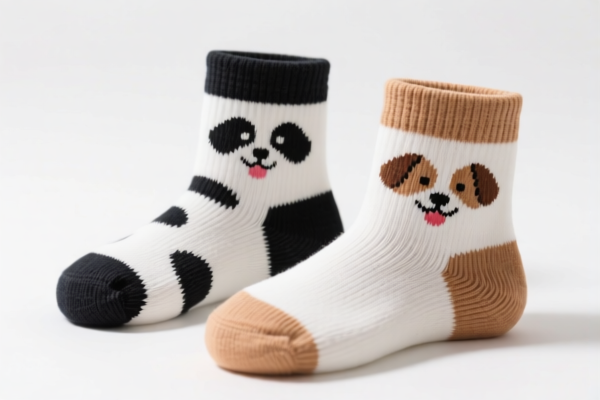
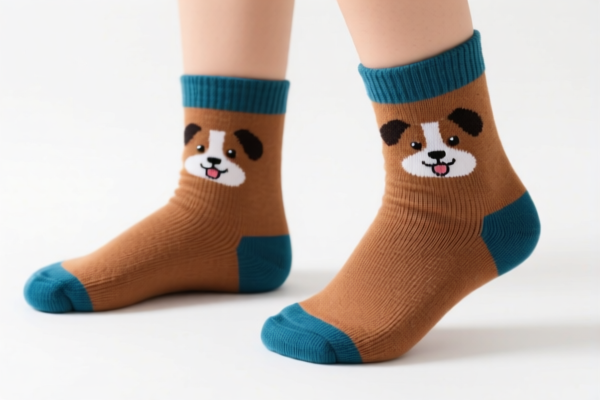
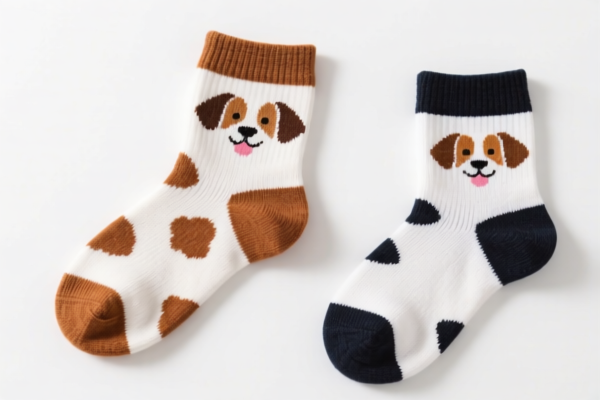
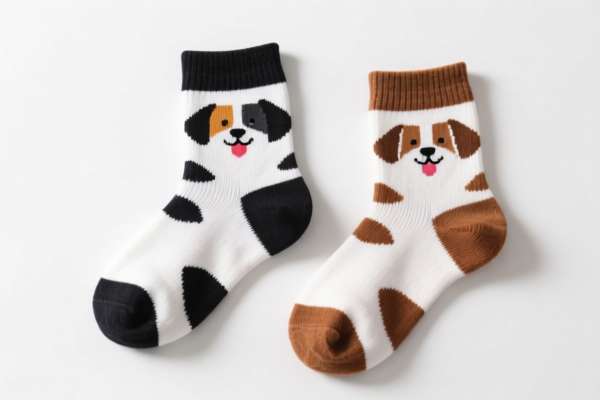
AI Analysis
🐾 Pet Shoes (Pet Footwear)
🌐 HS Code Reference & Customs Clearance Guide | 2024 Latest Tariff Analysis | Professional Clearance Strategy
📌 I. Product Definition & Classification: Do You Really Understand "Pet Shoes"?
Pet shoes are protective garments for animals' paws, designed to prevent injury, reduce slipping, or provide warmth in harsh weather. In international trade, their classification depends heavily on the primary material and structural composition. Since the input "Pet Shoes" does not specify the material, we must deduce the most likely HS Codes based on common manufacturing materials (Fabric, Rubber, or Composite).
⚠️ Key Distinction:
- If made primarily of Textiles/Fabric → Often grouped under Chapter 63 (Other Made-up Articles) or Chapter 64 (Footwear) depending on construction.
- If made primarily of Rubber/Plastic → Strictly falls under Chapter 64 (Footwear).
- If considered Animal Accessories → May fall under Chapter 42 (Articles of Leather).
📦 II. HS Code Classification Details (Based on Provided Data)
| HS Code | Product Description | Deduction Logic | Total Tax Rate |
|---|---|---|---|
6405.90.90.30 |
Other Footwear, with outer soles of rubber/plastic, uppers of textile materials | Inferred as common footwear material; classified under "Other Footwear" | 22.5% |
6307.90.75.00 |
Other made-up articles (Textile-based Pet Accessories) | Inferred as textile-made pet apparel/accessories | 14.3% |
6405.90.90.60 |
Other Footwear, uppers of textile materials | Classified as "Other" footwear under catch-all principles when material is unspecified | 22.5% |
6307.90.98.91 |
Other made-up articles (Finished Goods) | Classified as a finished manufactured good; no material conflict | 24.5% |
4201.00.60.00 |
Other articles for animals | Extended category of animal supplies/accessories | 37.8% |
🔍 Critical Observation:
- The tax burden varies significantly from 14.3% to 37.8%.
- Chapter 63 (Textile Accessories) generally offers lower tariffs than Chapter 64 (Footwear) or Chapter 42 (Animal Articles) in this specific dataset context.
- Misclassification can lead to overpayment or customs scrutiny.
💰 III. 2024 Latest Tariff Rate Breakdown (Detailed Tax Clauses)
✅ Context: Based on the provided data, these rates appear to include Basic Tariff, Additional Tariff (Section 301/Trade War), and Section 122 Tariffs.
✅ Origin: Likely China to US (given the "122 Clause" and "301" implications in the tax details).
🎯 1. 6405.90.90.30 & 6405.90.90.60 —— Footwear (Textile Upper)
| Item | Detail |
|---|---|
| Basic Tariff | 12.5% |
| Additional Tariff (Section 301) | 0.0% |
| Section 122 Tariff | 10.0% |
| Total Tax Rate | 22.5% |
| Tax Calculation | CIF Value × 22.5% |
| De Minimis Exemption | ❌ Not Applicable (Footwear usually excluded or high value) |
| Legal Path | HTSUS:6405.90.90 → Section 122: 10% |
📌 Explanation:
- These codes treat the item strictly as "Footwear".
- The 12.5% basic tariff applies to footwear with textile uppers.
- The 10% Section 122 is a specific surcharge applied to certain Chinese goods.
- Risk: If customs determines it's not "footwear" but "apparel," you might be underpaying, leading to penalties.
🎯 2. 6307.90.75.00 —— Made-up Textile Articles (Pet Apparel)
| Item | Detail |
|---|---|
| Basic Tariff | 4.3% |
| Additional Tariff (Section 301) | 0.0% |
| Section 122 Tariff | 10.0% |
| Total Tax Rate | 14.3% |
| Tax Calculation | CIF Value × 14.3% |
| De Minimis Exemption | ❌ Not Applicable |
| Legal Path | HTSUS:6307.90.75 → Section 122: 10% |
📌 Advantage:
- This is the lowest tax rate in the dataset.
- Classification as "Other Made-up Articles" (Chapter 63) instead of Footwear (Chapter 64) saves 8.2% in duties.
- Requirement: The product must be clearly defined as a textile accessory/apparel for pets, not structural footwear.
🎯 3. 6307.90.98.91 —— Other Made-up Articles
| Item | Detail |
|---|---|
| Basic Tariff | 7.0% |
| Additional Tariff (Section 301) | 7.5% |
| Section 122 Tariff | 10.0% |
| Total Tax Rate | 24.5% |
| Tax Calculation | CIF Value × 24.5% |
| De Minimis Exemption | ❌ Not Applicable |
| Legal Path | HTSUS:6307.90.98 → Section 301: 7.5% + Section 122: 10% |
📌 Risk:
- Higher than6307.90.75.00due to the 7.5% Section 301 additional tariff.
- Only choose if75.00is structurally inaccurate.
🎯 4. 4201.00.60.00 —— Other Articles for Animals
| Item | Detail |
|---|---|
| Basic Tariff | 2.8% |
| Additional Tariff (Section 301) | 25.0% |
| Section 122 Tariff | 10.0% |
| Total Tax Rate | 37.8% |
| Tax Calculation | CIF Value × 37.8% |
| De Minimis Exemption | ❌ Not Applicable |
| Legal Path | HTSUS:4201.00.60 → Section 301: 25% + Section 122: 10% |
📌 Warning:
- Highest Tax Rate.
- The 25% Section 301 tariff makes this category extremely expensive.
- Only use if the product is clearly an animal accessory (e.g., a dog collar with a shoe-like attachment) and not standalone footwear.
🛠️ IV. Customs Clearance Practical Advice (Battle-Tested Pitfall Avoidance)
✅ 1. Document Preparation Checklist
| Document | Mandatory? | Description |
|---|---|---|
| ✅ Product Specifications | ✔️ | Must specify Material Composition (e.g., "100% Polyester Upper, EVA Sole"). |
| ✅ Product Photos | ✔️ | Clear images showing sole attachment. If sole is rubber, customs may force Chapter 64. |
| ✅ Commercial Invoice | ✔️ | Description should match HS Code logic (e.g., "Textile Pet Booties"). |
| ✅ Packing List | ✔️ | Weight and dimensions. |
| ✅ Origin Certificate | ✔️ | To verify country of origin for Section 122/301 applicability. |
✅ 2. Classification Strategy (Key Mnemonic)
🔥 "Material Rules, Tariff Hides!"
| Scenario | Recommended HS Code | Reasoning |
|---|---|---|
| Soft, Fabric-only, no hard sole | 6307.90.75.00 |
Classified as textile accessory/apparel. Lowest Tax (14.3%). |
| Has a distinct Rubber/Plastic Sole | 6405.90.90.30 |
Classified as Footwear. Higher Basic Tariff (12.5%). |
| General "Pet Accessory" with mixed materials | 6307.90.98.91 |
Fallback for made-up articles, but higher due to Section 301. |
| Non-footwear Animal Item | 4201.00.60.00 |
Avoid unless necessary. Highest Tax (37.8%). |
⚠️ Critical Compliance Note:
- Do NOT declare fabric pet shoes as6405(Footwear) if they lack a structured sole. Customs may accept6307(Textile Article) if the structure is soft.
- Do NOT declare structured rubber-soled shoes as4201. This is a misclassification that triggers audits.
✅ 3. Special Handling Tips
| Situation | Advice |
|---|---|
| Dual Material (Fabric + Rubber Sole) | If the rubber sole is the essential character, classify as 6405. If fabric dominates, argue for 6307. |
| Section 122 Impact | All categories here are subject to a 10% Section 122 tariff. Ensure this is calculated in your landed cost. |
| Section 301 Variance | Notice 4201 and 6307.98.91 have 25% and 7.5% Section 301 tariffs respectively, while 6405 and 6307.75.00 show 0%. This makes 6307.90.75.00 the most strategic choice if legally defensible. |
🌍 V. Global Market Comparison (Based on Data Logic)
| Market | Recommended HS Code | Est. Total Tax | Notes |
|---|---|---|---|
| 🇺🇸 USA | 6307.90.75.00 |
14.3% | Best balance of cost and compliance if textile-based. |
| 🇺🇸 USA | 6405.90.90.30 |
22.5% | Standard footwear tariff. |
| 🇺🇸 USA | 4201.00.60.00 |
37.8% | Avoid due to high Section 301. |
📌 Conclusion:
- For US Imports,6307.90.75.00is the optimal code if the product can be legally classified as a textile-made article.
- The difference between 14.3% and 22.5% is significant for high-volume shipments.
📌 VI. Common Errors & Pitfall Avoidance
❌ Error 1: Declaring fabric shoes as 4201 to avoid "Footwear" scrutiny.
👉 Consequence: High tax (37.8%) and potential audit for misclassification.
❌ Error 2: Declaring rubber-soled shoes as 6307 (Textile).
👉 Consequence: Customs may reclassify to 6405 (22.5%) + back duties + penalties.
❌ Error 3: Ignoring Section 122.
👉 Consequence: All provided codes include a 10% surcharge. Failing to account for this leads to budget overruns.
✅ Correct Approach:
"Pet Shoe, Textile Upper, Non-Structural Sole, Model XYZ, 100% Polyester" →
6307.90.75.00
"Pet Boot, Rubber Sole, Textile Upper, Model ABC" →6405.90.90.30
🎯 VII. Conclusion: Precision in Classification Saves Money!
🎯 Remember:
🔹 "Soft & Textile? Think Chapter 63 (14.3%)."
🔹 "Hard Sole? Think Chapter 64 (22.5%)."
🔹 "Animal Accessory? Think Chapter 42 (37.8% - Avoid!)."
📌 Pro Tip:
If you have high-volume imports, consider negotiating material specifications to lean towards Textile (Chapter 63) where possible to maximize duty savings, provided the product design supports it.
📣 Immediate Action:
📞 Consult a Customs Broker to validate if your specific "Pet Shoe" design qualifies as a "Made-up Article" (
6307) vs. "Footwear" (6405).
🚀 Optimize Your Landed Cost today!
✨ Professional Clearance, Start with Accurate Classification!
💼 Every Percent Matters in Global Trade!
Customer Reviews
About HS Code Classification
The Harmonized System (HS) is an internationally standardized nomenclature developed by the World Customs Organization (WCO) to classify traded products. Over 200 countries use the HS system as the basis for customs tariffs, trade statistics, and import/export regulations.
Each HS code follows a hierarchical structure:
- Chapter (2 digits) — Broad category of goods (e.g., Chapter 84: Machinery and Mechanical Appliances)
- Heading (4 digits) — More specific grouping within the chapter
- Subheading (6 digits) — Internationally standardized breakdown, used by all WCO member countries
- National subdivisions (8-10 digits) — Country-specific extensions for further classification, such as US HTSUS 10-digit codes
Correct HS code classification is essential for smooth customs clearance, accurate duty payment, and compliance with trade regulations. Misclassification can lead to customs delays, overpayment of duties, or penalties.
When importing from CN to US, the applicable tariff rates may include:
- Most-Favored-Nation (MFN) rate — The standard duty rate applied to WTO members
- General rate — Applied to countries without trade agreements
- Trade remedy duties — Additional tariffs such as Section 301 (anti-dumping), Section 232 (national security), or countervailing duties
The information provided on this page is for reference purposes only. For official classification, please consult with your local customs authority or a licensed customs broker.