家具塑料垫
CN → US| HS Code | Tariff Rate | Origin | Destination | Doc |
|---|---|---|---|---|
| 3926301000 | 24.0% | CN | US | Official Doc |
| 3926305000 | 22.8% | CN | US | Official Doc |
| 9403994080 | 35.0% | CN | US | Official Doc |
| 9403993080 | 35.0% | CN | US | Official Doc |
Product Images
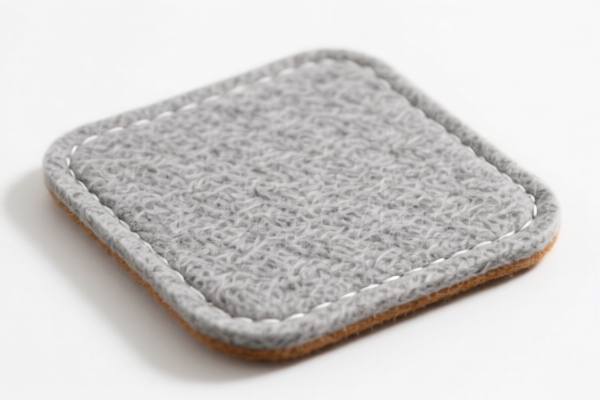
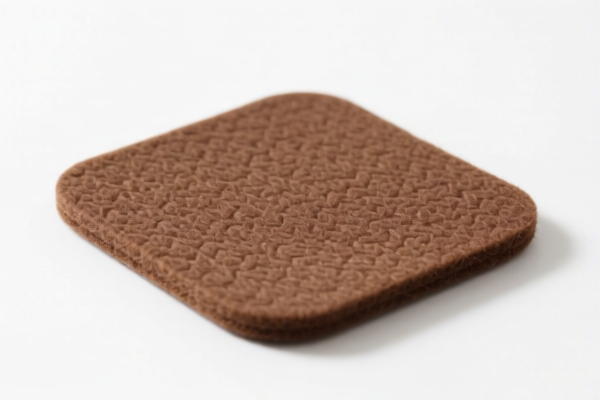
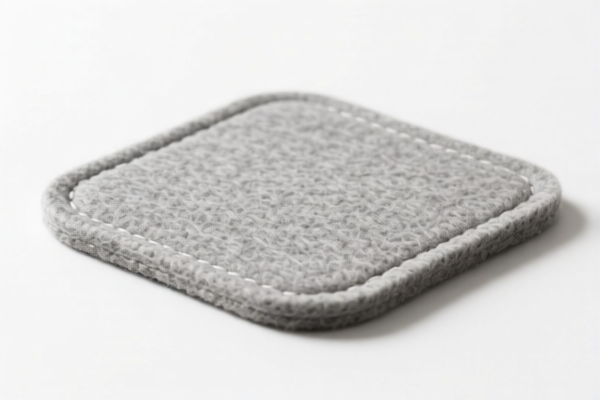

AI Analysis
🛋️ Plastic Furniture Pads / Glides (塑料家具垫/脚垫)
🌐 HS Code Reference & Clearance Guide | 2026 Latest Tariff Analysis | Professional Customs Strategy
📌 1. Product Definition & Classification: Do You Really Understand "Plastic Furniture Pads"?
Plastic furniture pads (often called glides, cups, or feet) are small components designed to protect flooring, stabilize furniture, or reduce noise. In international trade, their classification is highly sensitive to material composition, physical form, and specific intended use.
They are broadly categorized into two distinct groups in the provided data: 1. General Plastic Articles: Generic plastic parts not specific to a single furniture type or identified as minor accessories. 2. Parts of Furniture: Specific components attached to or intended for "Other Furniture" (heading 9403).
⚠️ Key Distinction Point:
- If the pad is a generic plastic item (e.g., unbranded, multi-purpose, or classified as a "part of furniture" under 3926) →归入 3926.30.x0.xx
- If the pad is specifically identified as a "part of other furniture" (heading 9403) → 归入 9403.99.xx.xx
📦 2. HS Code Classification Details (2026 Latest Tariff Authority Comparison)
| HS Code | Product Description | Applicable Scenario | Classification Logic |
|---|---|---|---|
3926.30.50.00 |
Other articles of plastic; Parts of furniture (General) | Standard plastic furniture accessories, glides, cups | ✅ Plastic Article (Heading 39) |
3926.30.10.00 |
Other articles of plastic; Parts of furniture (Specific) | Specific plastic furniture parts, slightly different regulatory sub-category | ✅ Plastic Article (Heading 39) |
9403.99.40.80 |
Parts of other furniture | Plastic pads explicitly classified as parts of "Other Furniture" | ✅ Furniture Part (Heading 94) |
9403.99.30.80 |
Parts of other furniture | Plastic pads explicitly classified as parts of "Other Furniture" (Variant) | ✅ Furniture Part (Heading 94) |
🔍 Crucial Reminder:
- The difference between 3926 and 9403 often lies in how customs officers interpret the "Specificity" of the part.
- 3926 covers "Articles of plastic... parts of furniture."
- 9403 covers "Parts of furniture."
- Misclassification Risk: Declaring a 9403 part as 3926 (or vice versa) may lead to incorrect tariff assessments if not justified by technical documentation.
💰 3. 2026 Latest Tariff Rate Details (Including Surtaxes & Policy Add-ons)
✅ Applicable Country: United States (US)
✅ Origin: China (CN)
✅ Effective Date: From 2025-11-10 onwards (including subsequent imports)
🎯 1. 3926.30.50.00 & 3926.30.10.00 —— Plastic Furniture Accessories (Plastic Material)
| Item | Content |
|---|---|
| Base Tariff | 5.3% (for .50) / 6.5% (for .10) (ad valorem) |
| Section 301 Surtax | +7.5% (Standard China Surcharge) |
| Section 122 Tariff | +10% (Specific China-related levy) |
| Total Effective Rate | 22.8% (for .50) / 24.0% (for .10) |
| Tax Calculation | CIF Value × 22.8% / 24.0% |
| De Minimis Eligibility | ❌ Not Eligible (High tax rate exceeds de minimis thresholds; strict enforcement) |
| Legal Basis Path | Base Tariff → Section 301: 7.5% → Section 122: 10% |
📌 Explanation:
- These codes fall under Chapter 39 (Plastics).
- The 7.5% is the standard Section 301 duty for many plastic articles.
- The 10% Section 122 tariff is a specific additional levy on certain Chinese goods.
- Total ~23-24% is moderate but significant. Proper classification is key to avoiding higher rates.
🎯 2. 9403.99.40.80 & 9403.99.30.80 —— Parts of Other Furniture (Plastic Material)
| Item | Content |
|---|---|
| Base Tariff | 0.0% (Free for many furniture parts) |
| Section 301 Surtax | +25.0% (Higher China Surcharge for Furniture Parts) |
| Section 122 Tariff | +10% (Specific China-related levy) |
| Total Effective Rate | 35.0% |
| Tax Calculation | CIF Value × 35.0% |
| De Minimis Eligibility | ❌ Not Eligible (High tax rate; strict enforcement) |
| Legal Basis Path | Base Tariff: 0% → Section 301: 25% → Section 122: 10% |
📌 Critical Warning:
- Although the Base Tariff is 0%, the Section 301 surcharge is 25% (higher than the 7.5% for plastic articles).
- This results in a Total Tax of 35%, which is significantly higher than the ~23% for the 3926 codes.
- Why? Customs often scrutinize "Parts of Furniture" (9403) more heavily for Chinese origin due to anti-dumping concerns in the furniture sector.
- Recommendation: If your product can be justified as a generic "Plastic Article" (3926) rather than a specific "Furniture Part" (9403), 3926 is financially superior (23% vs 35%).
🛠️ 4. Customs Clearance Operational Advice (Practical Pitfall Avoidance Guide)
✅ 1. Required Documentation Checklist (None are Optional)
| Document | Must Provide | Explanation |
|---|---|---|
| ✅ Product Specifications | ✔️ | Material (PP, PE, PVC, ABS?), Dimensions, Hardness, Load Capacity |
| ✅ Photos (Clear) | ✔️ | Show shape, any branding, installation method (sticky, screw-on, slip-on) |
| ✅ Commercial Invoice | ✔️ | Description: "Plastic Furniture Pad/Glide/Protector" |
| ✅ Origin Certificate (CO) | ✔️ | To confirm China origin for accurate surtax application |
| ✅ Packing List | ✔️ | Quantity, weight, dimensions of the shipment |
| ✅ HS Code Pre-Ruling (Optional but Recommended) | ✔️ | To confirm 3926 vs 9403 classification before shipping |
✅ 2. Declaration Strategy (Key Mantras)
🔥 “Material First, Function Second; 3926 Saves Money!”
| Scenario | Correct Declaration Approach | Incorrect Practice |
|---|---|---|
| Generic plastic pads, no brand | 3926.30.50.00 |
Declare as "Furniture Part" → 35% |
| Branded furniture accessory | 3926.30.50.00 (if generic enough) |
Over-specify as "Part of Chair X" → 35% |
| Part of a specific furniture item | 9403.99.xx.xx |
Under-specify to avoid duty → Audit Risk |
| Mixed materials (e.g., plastic + felt) | Check if plastic is essential feature | Misclassify as textile part → Wrong HS |
📌 Expert Tip:
- If the pad is not uniquely designed for a single piece of furniture (e.g., it’s a universal glide), argue for 3926 (Plastic Articles).
- If it is specifically molded for a specific chair/table model, customs may insist on 9403 (Parts of Furniture).
- Financial Impact: Choosing 3926 saves ~11-12% in duties.
✅ 3. Special Situations Handling
| Situation | Handling Advice |
|---|---|
| OEM Custom Molds | Provide mold diagrams to prove they are "Plastic Articles" rather than "Furniture Parts" if possible. |
| Sold as Set with Furniture | If imported with furniture, the pads may be considered "Parts of the Furniture" (9403). Check if the main furniture code already includes duties. |
| Low Value Shipment | Even if under $800 (de minimis), high tax codes (35%) may trigger extra scrutiny. Declare accurately. |
| Anti-Dumping Check | Ensure no AD/CVD orders apply to plastic furniture parts from China. (Currently, none widely known for basic pads, but verify). |
🌍 5. Global Market Clearance Comparison (2026 Latest)
| Country/Region | Recommended HS Code | Tariff (China Origin) | Certification | Notes |
|---|---|---|---|---|
| 🇺🇸 USA | 3926.30.50.00 |
22.8% | None | Avoid 9403 if possible (35%) |
| 🇺🇸 USA | 9403.99.40.80 |
35.0% | None | High duty due to furniture sector focus |
| 🇨🇳 China | 3926.30.50.00 |
5.3% | CCC (if applicable) | Lower base rate |
| 🇪🇺 EU | 3926.90.97 |
3.7% | CE/RoHS | Different HS structure |
| 🇬🇧 UK | 3926.90.90 |
3.7% | UKCA | Post-Brexit rules apply |
📌 Conclusion:
- USA is the most critical market due to Section 301 + Section 122 tariffs.
- 3926 is strongly preferred over 9403 for cost savings.
- Ensure your product description emphasizes "Plastic Article" rather than "Furniture Part" where legally permissible.
📌 6. Common Errors & Pitfalls (Blood Lessons)
❌ Error 1: Using "Furniture Part" in the description without justification
👉 Result: Customs classifies as 9403 → 35% tax instead of 23%.
❌ Error 2: Not specifying material composition
👉 Result: Customs may assign a generic high-duty code → Audit & Penalty.
❌ Error 3: Assuming all plastic items are de minimis exempt
👉 Result: High tax items are strictly enforced, even in small shipments.
✅ Correct Description Example:
"Universal Plastic Furniture Pad/Glide, Material: PP, Color: Black, Quantity: 100 pcs, HS: 3926.30.50.00"
🎯 7. Conclusion: Precision Classification = Maximized Profit!
🎯 Remember the Mantra:
🔹 "3926 for Plastic, 9403 for Furniture; 23% vs 35%, Choose Wisely!"
🔹 "Don't let 'Part of Furniture' cost you 12% more!"
📌 Pro Tip:
If your plastic pads are originating from Vietnam, Mexico, or Thailand, they may qualify for IEEPA Exemptions or lower Section 301 rates.
Recommendation: Apply for a Customs Ruling (PB Ruling) to confirm your specific product qualifies for 3926.30.50.00 before bulk shipment.
📣 Take Action Now:
📞 Consult a Licensed Customs Broker
📄 Provide Product Photos + Material Specs
🚀 Optimize Your HS Code, Save 12% in Duties, Boost Margins!
✨ Professional Clearance Starts with Precise Classification!
💼 Every Cent Counts in Global Trade!
Customer Reviews
About HS Code Classification
The Harmonized System (HS) is an internationally standardized nomenclature developed by the World Customs Organization (WCO) to classify traded products. Over 200 countries use the HS system as the basis for customs tariffs, trade statistics, and import/export regulations.
Each HS code follows a hierarchical structure:
- Chapter (2 digits) — Broad category of goods (e.g., Chapter 84: Machinery and Mechanical Appliances)
- Heading (4 digits) — More specific grouping within the chapter
- Subheading (6 digits) — Internationally standardized breakdown, used by all WCO member countries
- National subdivisions (8-10 digits) — Country-specific extensions for further classification, such as US HTSUS 10-digit codes
Correct HS code classification is essential for smooth customs clearance, accurate duty payment, and compliance with trade regulations. Misclassification can lead to customs delays, overpayment of duties, or penalties.
When importing from CN to US, the applicable tariff rates may include:
- Most-Favored-Nation (MFN) rate — The standard duty rate applied to WTO members
- General rate — Applied to countries without trade agreements
- Trade remedy duties — Additional tariffs such as Section 301 (anti-dumping), Section 232 (national security), or countervailing duties
The information provided on this page is for reference purposes only. For official classification, please consult with your local customs authority or a licensed customs broker.