家具罩
CN → US| HS Code | Tariff Rate | Origin | Destination | Doc |
|---|---|---|---|---|
| 6307909885 | 24.5% | CN | US | Official Doc |
| 6304910170 | 23.3% | CN | US | Official Doc |
| 6307909887 | 24.5% | CN | US | Official Doc |
| 6304920000 | 23.8% | CN | US | Official Doc |
| 9403991050 | 35.0% | CN | US | Official Doc |
Product Images
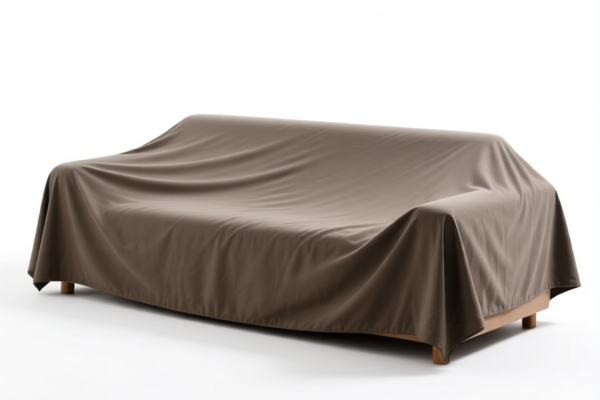
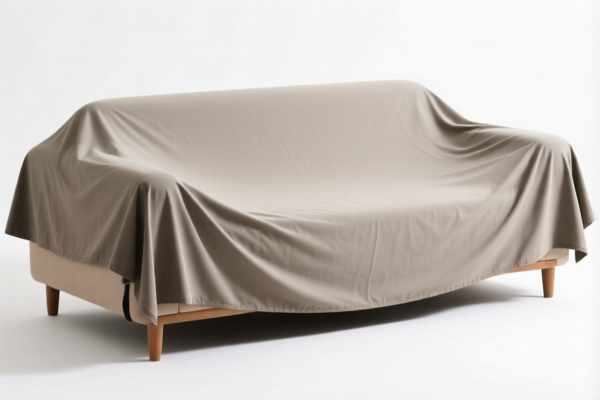
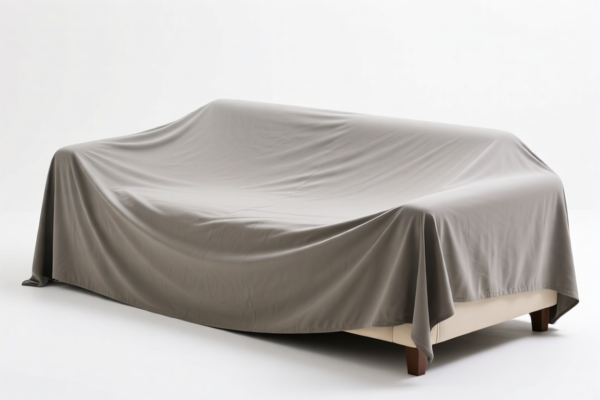
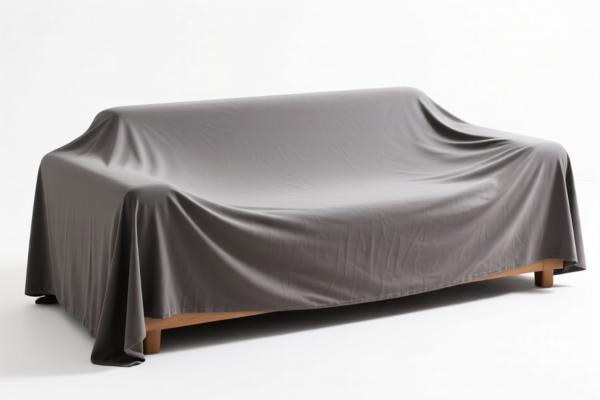
AI Analysis
🛋️ Furniture Covers (家具罩 / Household Textile Articles)
🌐 HS Code Reference & Clearance Guide | 2026 Latest Tariff Analysis | Professional Strategy for US-China Trade
📌 I. Product Definition & Classification: What Exactly Are "Furniture Covers"?
Furniture covers are textile products designed to protect, decorate, or cover upholstered furniture (sofas, chairs, beds, etc.). In international trade, they are primarily classified under Chapter 63 (Other made-up textile articles) or Chapter 94 (Furniture and parts thereof). The key distinction lies in the material structure (knitted vs. non-knitted) and specific usage description.
Key Classification Criteria: * Knitted/Crocheted (针织/钩编): Loose-fitting, stretchable, or decorative knitted throws/covers. * Made-up Articles (其他制成品): Sewn, tailored, or finished textile goods that do not fit specific knit categories. * Furniture Parts (家具零件): Pre-cut shapes specifically identified as parts of furniture (e.g., tailored slipcovers).
⚠️ Critical Distinction Point:
- If the item is knitted or crocheted, it generally falls under 6304.91.
- If it is a sewn/made-up article not specifically described elsewhere, it often falls under 6307.90 or 9403.99.
- Note on US Tariffs: All items in this list are subject to significant Section 301 (7.5%) and Section 122 (10%) additional tariffs on Chinese imports.
📦 II. HS Code Classification Details (2026 Latest Tariff Reference)
Based on the provided data, here are the specific HS Codes and their corresponding tax treatments for Furniture Covers:
| HS Code | Product Description | Material/Structure | Application | Total Tax Rate | Tax Breakdown |
|---|---|---|---|---|---|
6304.91.01.70 |
Knitted/Crocheted Furniture Covers | Fabric (Textile) | Furniture Cover | 23.3% | Base: 5.8% + Sec 301: 7.5% + Sec 122: 10% |
6304.92.00.00 |
Non-Knitted Furniture Covers | Cotton/Fabric | Furniture Cover | 23.8% | Base: 6.3% + Sec 301: 7.5% + Sec 122: 10% |
6307.90.98.87 |
Other Made-Up Articles | Artificial Fiber/Other | Furniture Cover | 24.5% | Base: 7.0% + Sec 301: 7.5% + Sec 122: 10% |
6307.90.98.85 |
Other Made-Up Articles | Cotton/Fiber Type | Furniture Cover | 24.5% | Base: 7.0% + Sec 301: 7.5% + Sec 122: 10% |
9403.99.10.50 |
Furniture Parts (Textile) | Textile Material (Pre-cut) | Furniture Slipcover | 35.0% | Base: 0.0% + Sec 301: 25.0% + Sec 122: 10% |
🔍 Key Observation:
- Chapter 63 (6304/6307) covers standard household textile articles. The base rates are moderate (5.8%-7.0%), but the 25% combined additional tariff makes the total effective rate high.
- Chapter 94 (9403) covers parts of furniture. While the Base Rate is 0%, the Section 301 tariff jumps to 25% (not 7.5%), resulting in the highest total tax rate of 35%.
- Misclassification Risk: Declaring a pre-cut slipcover as "Furniture Part" (9403) is significantly more expensive than declaring it as a "Made-up Article" (6307).
💰 III. 2026 Latest Tariff Rate Details (Including Surtaxes)
✅ Applicable Country: United States (US)
✅ Origin: China (CN)
✅ Effective Time: Current (Post-2025 adjustments)
🎯 1. 6304.91.01.70 & 6304.92.00.00 —— Knitted vs. Non-Knitted Covers
| Item | Content |
|---|---|
| Base Tariff | 5.8% (Knitted) / 6.3% (Non-Knitted) |
| Sec 301 Tariff | +7.5% |
| Sec 122 Tariff | +10.0% |
| Total Effective Rate | 23.3% (Knitted) / 23.8% (Non-Knitted) |
| Calculation Basis | CIF Value × Total Rate |
| De Minimis Exemption | ❌ Not Eligible |
| Legal Basis Path | HTSUS:6304.91/92 → USITC Footnotes → Trade Remedy Orders |
📌 Explanation:
- These are standard household textile articles.
- The tax difference (0.5%) depends solely on whether the fabric is knitted (elastic/stretchy) or woven/non-knitted.
- Strategy: Ensure the material composition is accurately declared to avoid customs disputes over knit vs. weave status.
🎯 2. 6307.90.98.87 & 6307.90.98.85 —— Other Made-Up Articles
| Item | Content |
|---|---|
| Base Tariff | 7.0% |
| Sec 301 Tariff | +7.5% |
| Sec 122 Tariff | +10.0% |
| Total Effective Rate | 24.5% |
| Calculation Basis | CIF Value × 24.5% |
| De Minimis Exemption | ❌ Not Eligible |
| Legal Basis Path | HTSUS:6307.90 → Residual Category |
📌 Explanation:
- Used for covers that don't fit the specific "knitted" definition or other subheadings.
- Common for synthetic fiber covers or mixed-material covers not classified under 6304.
🎯 3. 9403.99.10.50 —— Furniture Parts (High Risk/High Tax)
| Item | Content |
|---|---|
| Base Tariff | 0.0% |
| Sec 301 Tariff | +25.0% |
| Sec 122 Tariff | +10.0% |
| Total Effective Rate | 35.0% |
| Calculation Basis | CIF Value × 35.0% |
| De Minimis Exemption | ❌ Not Eligible |
| Legal Basis Path | HTSUS:9403.99 → Furniture Parts → Aggressive Surtax |
📌 Warning:
- Although the base rate is 0%, the Section 301 rate is 25%, not 7.5%.
- This applies to pre-cut, shaped, or tailored parts specifically identified as furniture components.
- Cost Impact: This is ~10% higher than standard textile classifications. Avoid this code unless the item is strictly defined as a "part" and not a "cover."
🛠️ IV. Clearance Practical Advice (Risk Avoidance Guide)
✅ 1. Documentation Checklist (Must-Have)
| Document | Required | Notes |
|---|---|---|
| ✅ Product Description | ✔️ | Must specify "Furniture Cover," "Sofa Slipcover," or "Chair Cover." |
| ✅ Material Composition | ✔️ | e.g., "100% Cotton Woven" vs. "Polyester Knitted." Crucial for 6304 vs 6307. |
| ✅ Photos | ✔️ | Show the item in use or flat-lay. Highlight seams, elasticity, or pre-cut shapes. |
| ✅ Commercial Invoice | ✔️ | Value must be accurate. Declared as "Textile Article" if possible to avoid 9403. |
| ✅ Packing List | ✔️ | Include quantity and weight. |
✅ 2. Classification Strategy (Key Tips)
🔥 “Knitted is 6304, Woven is 6307, Parts are 9403 (Avoid!)”
| Scenario | Recommended HS Code | Reason |
|---|---|---|
| Stretchy, Knitted Sofa Cover | 6304.91.01.70 |
Fits "Knitted or Crocheted" definition. Lowest base rate (5.8%). |
| Woven/Cotton Slipcover | 6304.92.00.00 |
Fits "Non-knitted" definition. Base rate 6.3%. |
| Synthetic/Other Made-up Cover | 6307.90.98.85 or .87 |
General "Made-up" category. Base rate 7.0%. |
| Pre-cut, Tailored Furniture Part | 9403.99.10.50 |
High Tax! Only use if it's strictly a "part" and not a general cover. |
📌 Strategic Advice:
- Avoid9403unless necessary: The 25% Sec 301 tariff makes it significantly more expensive.
- Be Precise About Material: Customs may reclassify "Knitted" as "Woven" if the fabric structure is unclear, potentially shifting from6304.91to6307(slight tax increase) or vice versa.
- Do Not Under-Declare: The total tax rate is high (~23-35%). Any discrepancy in value will lead to penalties.
✅ 3. Special Handling
| Situation | Recommendation |
|---|---|
| Mixed Material | Declare the dominant fiber. If mixed, use 6307.90 (Other Made-Up) as the safest fallback. |
| Custom Design | Provide design sketches. If it’s a "cover," emphasize the textile nature, not the furniture attachment. |
| Bulk Shipment | Ensure all units match the declared HS code. Mixed shipments can trigger audits. |
🌍 V. Global Market Comparison (2026)
| Region | Recommended HS Code | Approx. Total Tax (China Origin) | Remarks |
|---|---|---|---|
| 🇺🇸 USA | 6304.91.01.70 / 6307.90.98.87 |
23.3% - 24.5% | High additional tariffs (301+122). |
| 🇺🇸 USA | 9403.99.10.50 |
35.0% | Avoid if possible due to higher Sec 301 rate. |
| 🇪🇺 EU | 6304/6307 | ~0% - 12% | No Section 122/301 equivalent. Lower cost. |
| 🇨🇳 China | 6304/6307 | ~5% - 10% | Domestic consumption or re-export. |
📌 Conclusion:
- USA is the most expensive market for furniture covers due to layered tariffs.
- Clarity is key: Misclassifying a standard cover as a "furniture part" (9403) can increase costs by ~10%.
- Preparation: Provide clear material descriptions to ensure correct classification under Chapter 63.
📌 VI. Common Mistakes & Pitfalls
❌ Mistake 1: Declaring a knitted cover as 6307 (Other Made-Up)
👉 Consequence: Incorrect classification. Customs may reclassify to 6304.91 (23.3%) or 6304.92 (23.8%). While tax might be similar, it risks delays and penalties for inaccurate filing.
❌ Mistake 2: Declaring a general slipcover as 9403 (Furniture Part)
👉 Consequence: Tax jump from ~24% to 35%. You will pay an extra ~11% in tariffs unnecessarily.
❌ Mistake 3: Vague Description: "Textile Item"
👉 Consequence: Customs will assign the highest possible tax rate or request additional info, causing clearance delays.
✅ Correct Description Example:
"Knitted Polyester Sofa Cover, Used for Furniture Protection, HS 6304.91.01.70"
OR
"Woven Cotton Chair Cover, Household Textile Article, HS 6307.90.98.85"
🎯 VII. Conclusion: Precision Saves Money!
🎯 Remember the Formula:
🔹 Knitted = 6304.91 (23.3%)
🔹 Non-Knitted = 6304.92 (23.8%)
🔹 Other Made-Up = 6307.90 (24.5%)
🔹 Furniture Part = 9403.99 (35.0%) → AVOID IF POSSIBLE🔹 "Describe the Material, Not Just the Use."
🔹 "Part vs. Cover: The 11% Difference is Real."
📌 Pro Tip:
If you are importing to the US, always prefer Chapter 63 (6304/6307) over Chapter 94 (9403) for furniture covers. The lower Section 301 rate (7.5% vs 25%) makes a significant difference in your landed cost.
📣 Immediate Action:
📞 Verify Material Structure: Is it Knitted or Woven?
📝 Update Descriptions: Use "Knitted Fabric Cover" or "Woven Textile Cover" in invoices.
🚀 Optimize Costs: Avoid9403to save ~11% in tariffs.
✨ Professional Clearance Starts with Correct Classification!
💼 Your Profit Margin Depends on Accurate HS Codes!
Customer Reviews
About HS Code Classification
The Harmonized System (HS) is an internationally standardized nomenclature developed by the World Customs Organization (WCO) to classify traded products. Over 200 countries use the HS system as the basis for customs tariffs, trade statistics, and import/export regulations.
Each HS code follows a hierarchical structure:
- Chapter (2 digits) — Broad category of goods (e.g., Chapter 84: Machinery and Mechanical Appliances)
- Heading (4 digits) — More specific grouping within the chapter
- Subheading (6 digits) — Internationally standardized breakdown, used by all WCO member countries
- National subdivisions (8-10 digits) — Country-specific extensions for further classification, such as US HTSUS 10-digit codes
Correct HS code classification is essential for smooth customs clearance, accurate duty payment, and compliance with trade regulations. Misclassification can lead to customs delays, overpayment of duties, or penalties.
When importing from CN to US, the applicable tariff rates may include:
- Most-Favored-Nation (MFN) rate — The standard duty rate applied to WTO members
- General rate — Applied to countries without trade agreements
- Trade remedy duties — Additional tariffs such as Section 301 (anti-dumping), Section 232 (national security), or countervailing duties
The information provided on this page is for reference purposes only. For official classification, please consult with your local customs authority or a licensed customs broker.