家具脚
CN → US| HS Code | Tariff Rate | Origin | Destination | Doc |
|---|---|---|---|---|
| 3926305000 | 22.8% | CN | US | Official Doc |
| 3926301000 | 24.0% | CN | US | Official Doc |
| 7326190080 | 87.9% | CN | US | Official Doc |
| 7326908688 | 87.9% | CN | US | Official Doc |
Product Images
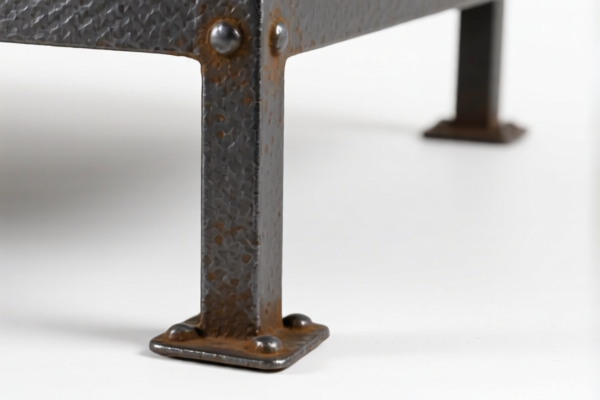

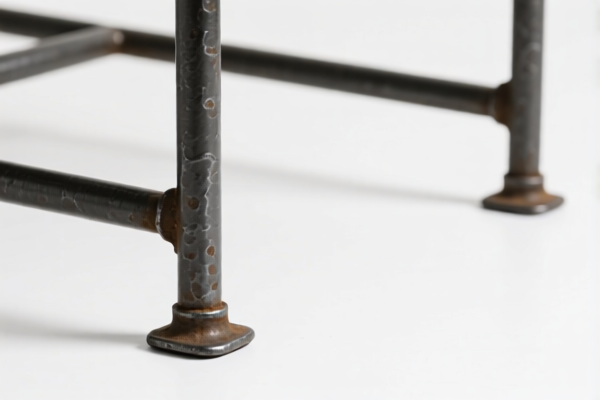

AI Analysis
🦶 Furniture Legs (Furniture Feet)
🌐 HS Code Reference & Clearance Guide | 2026 Latest Tariff Analysis | Professional Customs Strategy
📌 I. Product Definition & Classification: What Exactly Are "Furniture Legs"?
Furniture legs, often referred to as "feet," are the structural components that support furniture items such as tables, chairs, sofas, and cabinets. In international trade, their classification heavily depends on the material used. Misclassification leads to drastic tariff differences.
The Key Distinction:
- Plastic Parts: Classified under Chapter 39 (Articles of Plastics), specifically as parts of furniture or other plastic articles.
- Metal Parts (Steel/Iron): Classified under Chapter 73 (Articles of Iron or Steel), specifically as other articles of iron or steel.
⚠️ Critical Warning:
- Plastic legs are subject to low base tariffs but face moderate additional duties.
- Metal legs face massive additional tariffs (up to 87.9% total) due to steel/aluminum trade restrictions.
- Do not mix materials in one HS Code! If a leg is partly plastic and partly metal, complex rules apply, but usually, the essential character dictates the code.
📦 II. HS Code Classification Details (2026 Latest Tariff Authority Comparison)
Based on the provided data, here are the specific HS Codes for Furniture Legs, categorized by material:
| HS Code | Product Description | Material | Classification Logic |
|---|---|---|---|
| 3926.30.50.00 | Furniture legs, Plastic material; classified as furniture connectors/parts | Plastic | Classified under "Other articles of plastics" (Chapter 39). Specifically for plastic parts of furniture. |
| 3926.30.10.00 | Furniture legs, Material unspecified; classified as furniture utensil accessories | Unspecified/Mixed | Falls under "Furniture utensils" (Chapter 39). If material cannot be clearly defined as plastic, this code may be used, but 3926.30.50.00 is preferred for plastic. |
| 7326.19.00.80 | Furniture legs, Steel/Iron material; classified as other steel articles | Steel/Iron | Classified under "Other articles of iron or steel" (Chapter 73). Specifically for forged/stamped steel parts. |
| 7326.90.86.88 | Furniture legs, Iron/Steel material; classified as other steel articles | Iron/Steel | Classified under "Other articles of iron or steel" (Chapter 73). General category for steel furniture parts. |
🔍 Key Reminder:
- Plastic Legs (3926.30.50.00): The most common and cost-effective code for plastic furniture parts.
- Metal Legs (7326.19.00.80 / 7326.90.86.88): Subject to heavy additional tariffs due to Section 301 and "122 Clause" tariffs on steel/aluminum.
- Unspecified (3926.30.10.00): Use only if the material is truly ambiguous, but expect a slightly higher base tax than pure plastic.
💰 III. 2026 Latest Tariff Rate Breakdown (Including Additional Duties & Policy Surcharges)
✅ Applicable Country: United States (US)
✅ Origin: China (CN)
✅ Effective Date: 2025/2026 (Based on current trade policy)
🎯 1. 3926.30.50.00 —— Plastic Furniture Legs (Furniture Connectors)
| Item | Details |
|---|---|
| Base Tariff | 5.3% |
| Section 301 Additional Duty | 7.5% |
| 122 Clause Duty | 10% |
| Total Tariff Rate | 22.8% |
| Tax Calculation | CIF Value × 22.8% |
| De Minimis Exemption | ❌ Not Eligible (Usually, Section 301 goods are excluded from de minimis relief) |
| Legal Basis Path | HTSUS:3926.30.50 → USITC:301_List4A → TradePolicy:122Clause |
📌 Explanation:
- Plastic furniture parts are generally considered consumer goods.
- The 22.8% total rate is relatively moderate compared to metal products.
- 7.5% is the Section 301 tariff added in previous rounds.
- 10% is the specific "122 Clause" surcharge applied to certain plastic articles from China.
🎯 2. 3926.30.10.00 —— Unspecified Material Furniture Legs (Furniture Utensil Accessories)
| Item | Details |
|---|---|
| Base Tariff | 6.5% |
| Section 301 Additional Duty | 7.5% |
| 122 Clause Duty | 10% |
| Total Tariff Rate | 24.0% |
| Tax Calculation | CIF Value × 24.0% |
| De Minimis Exemption | ❌ Not Eligible |
| Legal Basis Path | HTSUS:3926.30.10 → USITC:301_List4A → TradePolicy:122Clause |
📌 Note:
- Slightly higher base tariff (6.5% vs 5.3%) because it is categorized under general "furniture utensils" rather than specific plastic parts.
- Same additional duties apply as above.
🎯 3. 7326.19.00.80 & 7326.90.86.88 —— Steel/Iron Furniture Legs (Other Steel Articles)
| Item | Details |
|---|---|
| Base Tariff | 2.9% |
| Section 301 Additional Duty | 25.0% |
| 122 Clause Duty | 10% |
| Steel/Aluminum Surcharge | +50% |
| Total Tariff Rate | 87.9% |
| Tax Calculation | CIF Value × 87.9% |
| De Minimis Exemption | ❌ Not Eligible |
| Legal Basis Path | HTSUS:7326.19/7326.90 → USITC:301_List4A → TradePolicy:122Clause → Steel/AluminumSection232/AdditionalDuties |
📌 CRITICAL WARNING:
- This is a HIGH-TARIFF category!
- 25% is the standard Section 301 tariff on steel products.
- 10% is the "122 Clause" surcharge.
- 50% is the special surcharge on Steel, Aluminum, and Copper products from China.
- Total: 87.9% is extremely high and significantly impacts profit margins.
- Do not import steel furniture legs without serious cost analysis.
🛠️ IV. Clearance Practical Advice (Combat Pitfall Guide)
✅ 1. Document Checklist (Essential)
| Document | Required | Explanation |
|---|---|---|
| ✅ Product Specification Sheet | ✔️ | Must clearly state Material (Plastic vs. Steel/Iron). This is the #1 factor for HS Code. |
| ✅ Material Composition Statement | ✔️ | For composite products, specify the percentage of plastic vs. metal. |
| ✅ Product Photos | ✔️ | Clear images showing the leg, material texture, and connection method. |
| ✅ Commercial Invoice | ✔️ | Must match the HS Code description exactly. |
| ✅ Packing List | ✔️ | Detail quantity and weight. |
| ✅ CE/FCC Certifications | ✔️ | If applicable (for plastic electronic furniture parts). |
✅ 2. Declaration Tips (Key Mantra)
🔥 "Material First, Code Second, Tax Will Lead!"
| Scenario | Correct Declaration | Wrong Declaration |
|---|---|---|
| Plastic Legs | 3926.30.50.00 (Plastic Parts) |
7326.19.00.80 → 87.9% Tax! |
| Steel Legs | 7326.19.00.80 (Steel Articles) |
3926.30.50.00 → Under-declaration Risk |
| Mixed Material | Consult Customs Broker | Guessing → Audit Risk |
✅ 3. Special Circumstances Handling
| Scenario | Handling Advice |
|---|---|
| Plastic-Coated Steel Legs | If the steel is the essential character, it may still be classified as Steel (7326), incurring 87.9% tax. If plastic is essential, it may be Plastic (3926), at 22.8%. Crucial to define "Essential Character". |
| Wooden Legs | Not in current data. Typically falls under 4420 or 9403 with different tariffs. Do not use plastic codes for wood! |
| Bamboo/Wooden Legs | Similar to wood. Requires proper Chapter 44 or 94 classification. |
| Adjustable Metal Legs | Still 7326. The adjustability does not change the material classification. |
🌍 V. Global Main Market Clearance Comparison (2026 Latest)
| Country/Region | Recommended HS Code | Tariff Rate (China Origin) | Certification Requirements | Notes |
|---|---|---|---|---|
| 🇺🇸 USA | 3926.30.50.00 (Plastic) |
22.8% | FCC/RoHS (if electronic) | Steel: 87.9% (Avoid if possible) |
| 🇺🇸 USA | 7326.19.00.80 (Steel) |
87.9% | None | High tariff due to steel/aluminum surcharges |
| 🇨🇳 China | 3926.30.50.00 |
Low (~5-10%) | CCC (if applicable) | No Section 301/122 penalties |
| 🇪🇺 EU | 3926.90 (Plastic) |
~4-6% | CE | No additional "122 Clause" type tariffs |
| 🇪🇺 EU | 7326.90 (Steel) |
~4-6% | CE | Steel tariffs are generally lower in EU than US |
📌 Conclusion:
- US Market: Plastic legs are FAR more cost-effective than steel legs due to the 87.9% tariff on steel.
- EU/China Market: Tariff differences between plastic and steel are minimal. Focus on CE/CCC compliance instead.
- Strategy: If exporting to the US, consider plastic-coated plastic legs or plastic-heavy designs to reduce duty burden.
📌 VI. Common Errors & Pitfalls (Blood Lessons)
❌ Error 1: Declaring steel legs as plastic to avoid tariffs
👉 Consequence: Customs audit, fines, and penalty taxes plus potential blacklisting.
Truth: Customs can request material tests (e.g., melt flow index, spectroscopy).
❌ Error 2: Using 3926.30.10.00 for clearly plastic legs
👉 Consequence: Slightly higher tax (24.0% vs 22.8%) and potential queries about "unspecified material."
Truth: Always use 3926.30.50.00 if the material is known to be plastic.
❌ Error 3: Ignoring the "122 Clause" and "Steel Surcharge"
👉 Consequence: Underestimating costs by up to 65% (22.8% vs 87.9%).
Truth: Always check the total tax rate including all additional duties.
✅ Correct Practice:
"Plastic Furniture Leg, Model XYZ, Material: ABS Plastic, Color: Black, Intended for: Office Chair"
vs.
"Steel Furniture Leg, Model ABC, Material: Carbon Steel, Finish: Chrome Plated, Intended for: Dining Table"
🎯 VII. Conclusion: Professional Declaration, Save Cost, Ensure Compliance!
🎯 Remember the Mantra:
🔹 "Plastic Legs: 22.8%, Steel Legs: 87.9%. Choose wisely, save big!"
🔹 "Material is Key. Code is Life. Tax is Cost."
📌 Pro Tip:
If you are designing furniture for the US market, consider using plastic, wood, or bamboo legs instead of steel to save ~65% in tariffs.
For steel legs, ensure you have a clear supply chain justification and cost-benefit analysis before shipping.
📣 Immediate Action:
📞 Contact your customs broker with material specifications.
🚀 Apply for Advance Ruling if unsure about mixed-material legs.
💼 Optimize your product design to meet the most favorable tariff rate!
✨ Professional Clearance Starts with Accurate Classification!
💼 Every Penny of Tariff Saved is Pure Profit!
Customer Reviews
About HS Code Classification
The Harmonized System (HS) is an internationally standardized nomenclature developed by the World Customs Organization (WCO) to classify traded products. Over 200 countries use the HS system as the basis for customs tariffs, trade statistics, and import/export regulations.
Each HS code follows a hierarchical structure:
- Chapter (2 digits) — Broad category of goods (e.g., Chapter 84: Machinery and Mechanical Appliances)
- Heading (4 digits) — More specific grouping within the chapter
- Subheading (6 digits) — Internationally standardized breakdown, used by all WCO member countries
- National subdivisions (8-10 digits) — Country-specific extensions for further classification, such as US HTSUS 10-digit codes
Correct HS code classification is essential for smooth customs clearance, accurate duty payment, and compliance with trade regulations. Misclassification can lead to customs delays, overpayment of duties, or penalties.
When importing from CN to US, the applicable tariff rates may include:
- Most-Favored-Nation (MFN) rate — The standard duty rate applied to WTO members
- General rate — Applied to countries without trade agreements
- Trade remedy duties — Additional tariffs such as Section 301 (anti-dumping), Section 232 (national security), or countervailing duties
The information provided on this page is for reference purposes only. For official classification, please consult with your local customs authority or a licensed customs broker.