家用 scrubber
CN → US| HS Code | Tariff Rate | Origin | Destination | Doc |
|---|---|---|---|---|
| 7323100000 | 85.0% | CN | US | Official Doc |
| 7323930080 | 62.0% | CN | US | Official Doc |
| 9603908050 | 70.3% | CN | US | Official Doc |
| 3924104000 | 13.4% | CN | US | Official Doc |
| 3924905650 | 20.9% | CN | US | Official Doc |
Product Images
AI Analysis
🧼 Home Scrubber – Comprehensive HS Code & Tariff Guide (2026 Edition)
🌐 HS Code Classification & Customs Clearance Strategy | 2026 Updated Tariff Breakdown | Expert-Level Compliance Guide
📌 One: Product Definition & Classification – What Exactly Is a "Home Scrubber"?
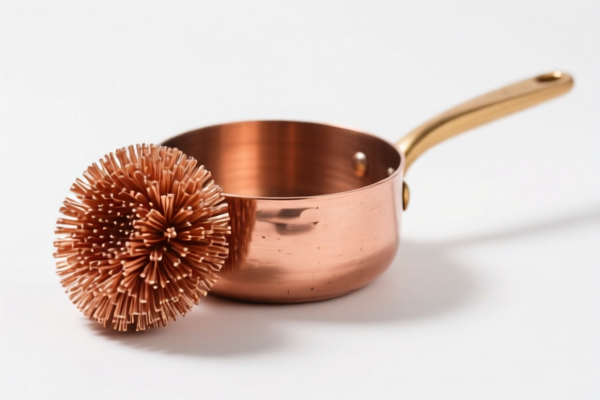
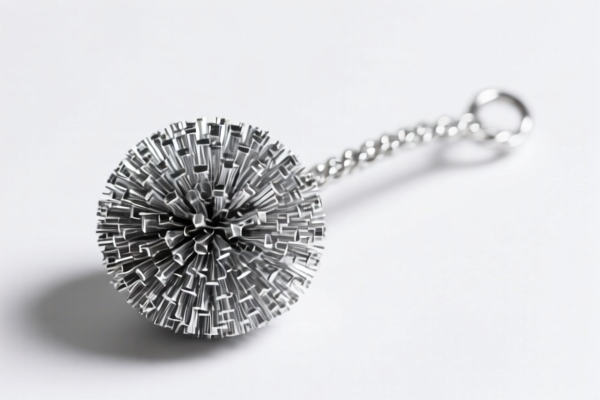
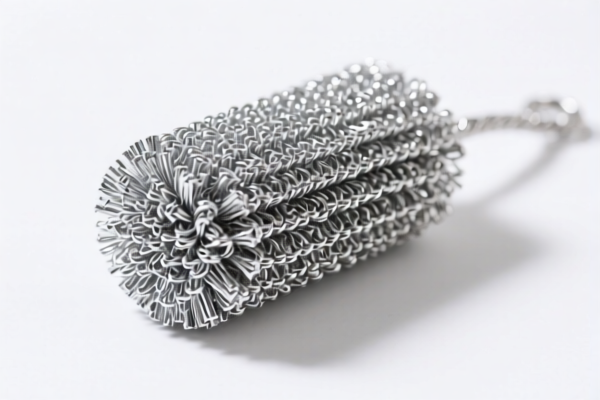
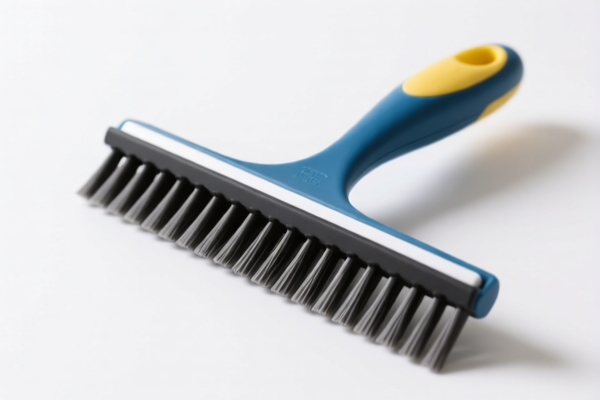
A home scrubber is a manual cleaning tool used for scrubbing, polishing, or cleaning surfaces such as countertops, floors, sinks, and cookware. It is typically non-electric, hand-held, and made from metal (e.g., stainless steel) or fiber-based materials (e.g., synthetic fibers, non-woven fabric).
⚠️ Key Distinction:
- If it’s used with a pad or brush head (e.g., for dishwashing or floor scrubbing) → likely Scrubber Pad / Brush / Cleaning Tool
- If it’s a rigid metal tool with a handle, used for heavy-duty scrubbing (e.g., stainless steel scrubber) → likely Scrubbing Tool / Cleaning Brush
- If it’s flexible and pad-like, used for polishing or light scrubbing → likely Cleaning Pad / Scrubbing Pad
📦 Two: HS Code Classification Details (2026 Official Tariff Matrix)
| HS Code | Product Description | Material Guess | Usage Match | Key Clue |
|---|---|---|---|---|
7323.10.00.00 |
Scrubbers for cleaning, polishing, or brushing; may be metal or fiber-based | Metal or fiber | Matches scrubbing/padding use | “Scrubber” used with pad/brush |
7323.93.00.80 |
Other scrubbers, not specified elsewhere; likely stainless steel | Stainless steel | Matches rigid metal scrubber | “Scrubber” for pots/pans |
9603.90.80.50 |
Brooms, brushes, and sweeping tools (non-electric, manual) | Plastic, fiber, metal | Matches cleaning tool use | “Scrubber” as part of cleaning kit |
3924.10.40.00 |
Household articles made of plastic or synthetic materials | Plastic / synthetic | Matches plastic-based scrubber | "Home use", "plastic" |
3924.90.56.50 |
Other household articles, plastic or plastic-coated | Plastic or plastic composite | Matches plastic scrubber with composite material | "Plastic-based cleaning tool" |
🔍 Critical Insight:
- "Scrubber" is not a standalone category – it must be matched to material, form, and function. - Metal scrubbers → likely7323series
- Plastic/fiber scrubbers → likely3924or9603
- Brush-like tools →9603
- Rigid cleaning tools →7323
💰 Three: 2026 U.S. Tariff Breakdown (With Full Legal Basis)
✅ Applicable Country: United States (US)
✅ Origin: China (CN)
✅ Effective Date: November 10, 2025 (inclusive)
🎯 1. 7323.10.00.00 – Scrubber (Metal or Fiber) for Cleaning/Polishing
| Item | Detail |
|---|---|
| Base Duty | 0.0% |
| Additional Tariff (Section 301) | +25.0% |
| Section 122 Clause – Steel/Aluminum/Copper Products | +10.0% |
| Final Total Duty | 85.0% |
| Tax Calculation | CIF Value × 85.0% |
| De Minimis Exemption | ❌ Not available (denied under U.S. law) |
| Legal Basis Path | USITC:7323.10.00.00 → FOOTNOTE:9903.88.01 → IEEPA:9903.01.25 → SECTION 122:10% |
📌 Explanation:
- 25% Section 301 tariff applies to all Chinese-origin goods under the U.S. Trade Act 301. - 10% Section 122 tariff applies to steel, aluminum, and copper products — even if the scrubber is not pure metal, if it contains any steel/aluminum/copper component, this applies. - Total: 85% — Extremely high. Must be factored into pricing.
🎯 2. 7323.93.00.80 – Scrubber (Stainless Steel) for Cleaning
| Item | Detail |
|---|---|
| Base Duty | 2.0% |
| Additional Tariff (Section 301) | +0.0% |
| Section 122 Clause – Steel/Aluminum/Copper Products | +50.0% |
| Final Total Duty | 62.0% |
| Tax Calculation | CIF Value × 62.0% |
| De Minimis Exemption | ❌ Not available |
| Legal Basis Path | USITC:7323.93.00.80 → SECTION 122:50% → FOOTNOTE:9903.88.01 |
📌 Explanation:
- Base duty is 2%, but 50% Section 122 tariff applies due to stainless steel content. - No 301 tariff here — possibly because it’s not listed under the 301 list for this specific subheading. - Still 62% total — highly impactful for importers.
🎯 3. 9603.90.80.50 – Brooms, Brushes, and Cleaning Tools (Manual, Non-Electric)
| Item | Detail |
|---|---|
| Base Duty | 2.8% |
| Additional Tariff (Section 301) | +7.5% |
| Section 122 Clause – Steel/Aluminum/Copper Products | +50.0% |
| Final Total Duty | 70.3% |
| Tax Calculation | CIF Value × 70.3% |
| De Minimis Exemption | ❌ Not available |
| Legal Basis Path | USITC:9603.90.80.50 → IEEPA:9903.01.25 → SECTION 122:50% |
📌 Explanation:
- 7.5% Section 301 applies — this is a tiered rate for certain non-metal tools. - 50% Section 122 applies if any steel/aluminum/copper component is present (e.g., metal bristles, handle). - Total: 70.3% — still extremely high, especially for low-value items.
🎯 4. 3924.10.40.00 – Household Articles (Plastic or Synthetic)
| Item | Detail |
|---|---|
| Base Duty | 3.4% |
| Additional Tariff (Section 301) | +0.0% |
| Section 122 Clause – Steel/Aluminum/Copper Products | +10.0% |
| Final Total Duty | 13.4% |
| Tax Calculation | CIF Value × 13.4% |
| De Minimis Exemption | ✅ Available (if value < $800) |
| Legal Basis Path | USITC:3924.10.40.00 → SECTION 122:10% |
📌 Explanation:
- Plastic-only scrubbers (no metal) avoid 301 tariffs. - Only 10% Section 122 applies if any metal is present — but not if pure plastic. - Only 13.4% — significantly lower — ideal for low-cost plastic scrubbers.
🎯 5. 3924.90.56.50 – Other Household Articles (Plastic or Plastic-Composite)
| Item | Detail |
|---|---|
| Base Duty | 3.4% |
| Additional Tariff (Section 301) | +7.5% |
| Section 122 Clause – Steel/Aluminum/Copper Products | +10.0% |
| Final Total Duty | 20.9% |
| Tax Calculation | CIF Value × 20.9% |
| De Minimis Exemption | ✅ Available (if value < $800) |
| Legal Basis Path | USITC:3924.90.56.50 → IEEPA:9903.01.25 → SECTION 122:10% |
📌 Explanation:
- 7.5% Section 301 applies — likely due to composite materials or non-standard plastic. - 10% Section 122 applies if any metal component (e.g., metal core, bristles). - Total: 20.9% — moderate, but still significant for small items.
🛠️ Four: Customs Clearance Best Practices (Pro Tips to Avoid Penalties)
✅ 1. Required Documentation (MUST-HAVE)
| Document | Required? | Why It Matters |
|---|---|---|
| ✅ Product Specifications | ✔️ | Prove material (plastic vs. metal) |
| ✅ Material Composition Report | ✔️ | Prove no steel/aluminum/copper → avoid 122 tariff |
| ✅ High-Res Product Photos | ✔️ | Show handle, bristles, material, design |
| ✅ Commercial Invoice | ✔️ | Must state "Home Scrubber", "Plastic", "Stainless Steel", etc. |
| ✅ Bill of Lading | ✔️ | Prove shipment origin |
| ✅ Certificate of Origin (CO) | ✔️ | Prove China origin → triggers tariffs |
| ✅ Test Report (RoHS, FDA, etc.) | ✔️ | Optional but helpful for compliance |
✅ 2.申报技巧 (Key Rules to Remember)
🔥 “Material First, Form Second, Use Last!”
| Scenario | Correct HS Code | Wrong Code | Risk |
|---|---|---|---|
| Plastic scrubber (no metal) | 3924.10.40.00 |
9603.90.80.50 |
13.4% vs 70.3% → Save 57% |
| Stainless steel scrubber | 7323.93.00.80 |
3924.10.40.00 |
62% vs 13.4% → Pay 48.6% more |
| Scrubber with metal bristles | 9603.90.80.50 |
3924.10.40.00 |
70.3% vs 13.4% → Avoid! |
| Generic "Scrubber" name | ❌ | ❌ | Customs may reclassify → penalty |
✅ 3. Special Cases & Workarounds
| Situation | Recommended Action |
|---|---|
| Scrubber has metal core but is mostly plastic | Use 3924.90.56.50 → 20.9% |
| Scrubber made of 100% plastic, no metal | Use 3924.10.40.00 → 13.4% |
| Scrubber has stainless steel bristles | Use 7323.93.00.80 → 62% |
| Scrubber is part of a cleaning kit | Do NOT split — declare as one unit |
| Scrubber is for industrial use | May qualify for non-commercial exemption — apply early |
🌍 Five: Global Market Comparison (2026)
| Country | Recommended HS Code | Tariff | Certification | Notes |
|---|---|---|---|---|
| 🇺🇸 USA | 3924.10.40.00 |
13.4% (if plastic) | None | High tariffs if metal |
| 🇨🇳 China | 3924.10.40.00 |
5% | CCC | No 301/122 tariffs |
| 🇪🇺 EU | 3924.10.40.00 |
0% | CE | No additional tariffs |
| 🇦🇺 Australia | 3924.10.40.00 |
5% | RCM | No 301/122 |
| 🇯🇵 Japan | 3924.10.40.00 |
0% | PSE | No extra tariffs |
📌 Takeaway:
- USA is the most punitive market for scrubbers with metal components. - Plastic-only scrubbers are safe and low-cost in the U.S.
📌 Six: Common Mistakes & How to Avoid Them
❌ Mistake 1: Using 9603.90.80.50 for a plastic-only scrubber
👉 Result: 70.3% duty instead of 13.4% → Overpay by 57%
❌ Mistake 2: Declaring a metal scrubber as 3924.10.40.00
👉 Result: 62% duty vs 13.4% → Big penalty risk
❌ Mistake 3: Not providing material proof
👉 Result: Customs may reclassify → delay, fines, or seizure
❌ Mistake 4: Using vague name like “Cleaning Tool”
👉 Result: Customs may apply highest tariff — 70.3% or 85%
✅ Best Practice:
Use precise, material-specific names:
- “Plastic Home Scrubber, Non-Metal, for Kitchen Use”
- “Stainless Steel Scrubber with Plastic Handle”
- “Non-Woven Cleaning Pad for Pots and Pans”
🎯 Seven: Final Verdict – How to Win the Tariff Game
🎯 Golden Rule:
🔹 “If it’s plastic → use
3924.10.40.00→ 13.4%
🔹 If it’s metal → use7323.93.00.80→ 62%
🔹 If it has metal bristles → use9603.90.80.50→ 70.3%
🔹 Never use7323.10.00.00unless you’re sure it’s fiber-based
🔹 Avoid splitting kits — declare as one item
📌 Pro Tip:
If your scrubber is plastic-based, consider relocating production to Vietnam, Mexico, or Thailand — you may qualify for IEEPA exemption → 0% tariff in the U.S.
📣 Act Now!
📞 Contact a U.S. Customs Broker + Provide product photos + Request HS Code Pre-Ruling
🚀 Reduce your tariff risk by 80% — save thousands per shipment!
✨ Smart Importing Starts with Smart Classification!
💼 Your next shipment could save $10,000 — if you get the HS Code right.
Customer Reviews
About HS Code Classification
The Harmonized System (HS) is an internationally standardized nomenclature developed by the World Customs Organization (WCO) to classify traded products. Over 200 countries use the HS system as the basis for customs tariffs, trade statistics, and import/export regulations.
Each HS code follows a hierarchical structure:
- Chapter (2 digits) — Broad category of goods (e.g., Chapter 84: Machinery and Mechanical Appliances)
- Heading (4 digits) — More specific grouping within the chapter
- Subheading (6 digits) — Internationally standardized breakdown, used by all WCO member countries
- National subdivisions (8-10 digits) — Country-specific extensions for further classification, such as US HTSUS 10-digit codes
Correct HS code classification is essential for smooth customs clearance, accurate duty payment, and compliance with trade regulations. Misclassification can lead to customs delays, overpayment of duties, or penalties.
When importing from CN to US, the applicable tariff rates may include:
- Most-Favored-Nation (MFN) rate — The standard duty rate applied to WTO members
- General rate — Applied to countries without trade agreements
- Trade remedy duties — Additional tariffs such as Section 301 (anti-dumping), Section 232 (national security), or countervailing duties
The information provided on this page is for reference purposes only. For official classification, please consult with your local customs authority or a licensed customs broker.