尿液测试杯
CN → US| HS Code | Tariff Rate | Origin | Destination | Doc |
|---|---|---|---|---|
| 3924900500 | 20.6% | CN | US | Official Doc |
| 3924104000 | 13.4% | CN | US | Official Doc |
| 9018390040 | 10.0% | CN | US | Official Doc |
| 9018390050 | 10.0% | CN | US | Official Doc |
| 3822190080 | 10.0% | CN | US | Official Doc |
Product Images
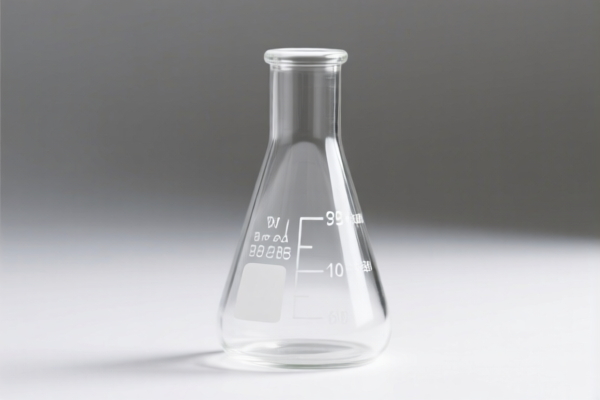
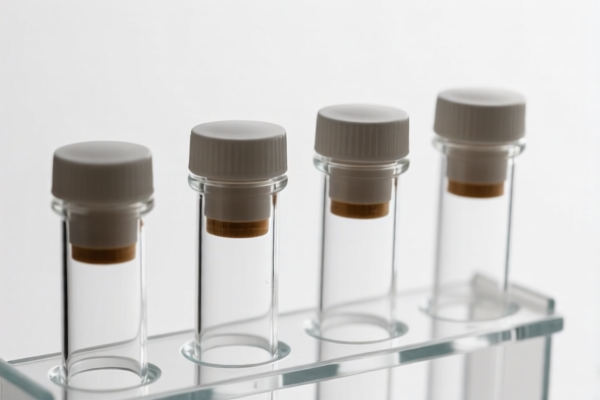

AI Analysis
🩸 Urine Test Cup (Medical & Hygiene Use)
🌐 HS Code Reference & Customs Clearance Guide | 2026 Updated Tariff Analysis | Expert-Level Import Strategy
📌 One, Product Definition & Classification: What Exactly Is a Urine Test Cup?
A urine test cup is a single-use, disposable container designed for collecting and storing urine samples in clinical, medical, or hygiene settings. It is commonly used in:
- Medical diagnostics (e.g., pregnancy tests, kidney function checks, UTI screening)
- Hospital & clinic laboratories
- Home health testing kits
- Workplace drug testing programs
- Nursing homes & elderly care facilities
⚠️ Key Classification Clue:
- If the cup is used solely for urine collection, and not part of a test strip or diagnostic kit, it falls under plastic sanitary or toiletry products or medical/clinical equipment depending on design and intended use.
📦 Two, HS Code Classification Details (2026 Updated Tariff Authority)
| HS Code | Product Description | Applicable Use Case | Material Assumption |
|---|---|---|---|
3924.10.40.00 |
Plastic sanitary or toiletware (e.g., urine cups, disposable toilet bowls) | General hygiene/medical collection; non-medical grade | Plastic (inferred) |
3924.90.05.00 |
Other plastic articles for hygiene or toilet use (e.g., baby nipples, finger covers) | Medical-grade hygiene accessories, especially if used in clinical or infant care | Plastic (inferred) |
9018.39.00.40 |
Other medical or surgical instruments and apparatus (e.g., drainage tubes, catheters) | Medical/clinical use, especially when used in patient care or diagnostic procedures | Plastic or rubber |
9018.39.00.50 |
Other medical or surgical instruments (non-electric) | Urine collection devices used in healthcare, including hospital-grade urine cups | Plastic or rubber |
🔍 Critical Insight:
-3924.10.40.00applies to standard disposable urine cups used in clinics or homes — not diagnostic devices, just containers. -9018.39.00.40/50applies when the cup is used in a clinical or medical context, especially if part of a larger medical system (e.g., catheter drainage setup). - Material inference is key: All are assumed to be plastic or rubber-based, which aligns with the HS subheadings.
💰 Three, 2026 Updated Tariff Breakdown (With Full Tax Clause Detail)
✅ Applicable Country: United States (US)
✅ Origin: China (CN)
✅ Effective Date: November 10, 2025 (and ongoing)
🎯 1. 3924.10.40.00 — Plastic Sanitary/Toiletware (Urine Cup)
| Item | Detail |
|---|---|
| Base Duty | 3.4% (ad valorem) |
| Additional Tariff (Section 301) | 0.0% |
| Section 122 Tariff (IEEPA) | 10.0% |
| Total Tax Rate | 13.4% |
| Tax Calculation | CIF Value × 13.4% |
| De Minimis Threshold | ❌ Not applicable (denied) |
| Legal Basis Path | IEEPA:9903.01.25 → Section 122:9903.01.24 → HS:3924.10.40.00 |
📌 Explanation:
- This is a standard plastic hygiene product — not a medical device. - The 10% Section 122 tariff applies to China-origin goods under the International Emergency Economic Powers Act (IEEPA). - No Section 301 (USITC) additional tariff — because it's not in the targeted list of high-tech or industrial goods.
🎯 2. 3924.90.05.00 — Other Plastic Hygiene Articles (e.g., Baby Nipples, Finger Covers)
| Item | Detail |
|---|---|
| Base Duty | 3.1% |
| Additional Tariff (Section 301) | 7.5% |
| Section 122 Tariff (IEEPA) | 10.0% |
| Total Tax Rate | 20.6% |
| Tax Calculation | CIF Value × 20.6% |
| De Minimis Threshold | ❌ Not applicable |
| Legal Basis Path | IEEPA:9901.25 → Section 301:9903.01.24 → HS:3924.90.05.00 |
📌 Explanation:
- This code is more restrictive due to Section 301 (USITC) 7.5% tariff. - Why? This category includes items used in medical or infant care, which are subject to higher scrutiny under the U.S. trade enforcement regime. - The 10% Section 122 tariff applies on top of the 7.5% — double the burden.
🎯 3. 9018.39.00.40 — Medical/Surgical Instruments (e.g., Drainage Tubes, Catheters)
| Item | Detail |
|---|---|
| Base Duty | 0.0% |
| Additional Tariff (Section 301) | 0.0% |
| Section 122 Tariff (IEEPA) | 10.0% |
| Total Tax Rate | 10.0% |
| Tax Calculation | CIF Value × 10.0% |
| De Minimis Threshold | ❌ Not applicable |
| Legal Basis Path | IEEPA:9903.01.25 → Section 122:9903.01.24 → HS:9018.39.00.40 |
📌 Explanation:
- This is medical-grade equipment, even if it's just a urine cup. - No base duty — because it’s classified as medical instrument. - Only 10% IEEPA tariff applies — lower than plastic hygiene items. - Best option if the cup is used in clinical or hospital settings.
🎯 4. 9018.39.00.50 — Other Medical Instruments (Non-Electric)
| Item | Detail |
|---|---|
| Base Duty | 0.0% |
| Additional Tariff (Section 301) | 0.0% |
| Section 122 Tariff (IEEPA) | 10.0% |
| Total Tax Rate | 10.0% |
| Tax Calculation | CIF Value × 10.0% |
| De Minimis Threshold | ❌ Not applicable |
| Legal Basis Path | IEEPA:9903.01.25 → Section 122:9903.01.24 → HS:9018.39.00.50 |
📌 Explanation:
- Same as 9018.39.00.40 — used for medical/clinical urine collection. - No base or Section 301 duty, only 10% IEEPA tariff. - Ideal for hospital-grade or diagnostic-use urine cups.
🛠️ Four, Customs Clearance Best Practices (Pro Tips to Avoid Penalties)
✅ 1. Required Documentation (Must-Have Checklist)
| Document | Required? | Notes |
|---|---|---|
| ✅ Product Specification Sheet | ✔️ | Include size, material (plastic/rubber), intended use |
| ✅ Medical Use Certificate (if applicable) | ✔️ | For 9018 codes — proves clinical purpose |
| ✅ Product Photos (with label) | ✔️ | Clear view of model number, brand, material |
| ✅ Third-Party Lab Report | ✔️ | FDA 510(k) (if medical), ISO 13485, CE, RoHS |
| ✅ Commercial Invoice | ✔️ | Must state: “Disposable Urine Collection Cup, Medical Grade” |
| ✅ Certificate of Origin (CO) | ✔️ | Critical for tariff eligibility |
| ✅ Packing List | ✔️ | Show quantity, packaging, and whether part of a kit |
✅ 2. Smart申报 Strategy (Key Rules to Remember)
🔥 "Use the right code — medical = lower tax, hygiene = higher tax!"
| Scenario | Correct HS Code | Why? |
|---|---|---|
| Home-use urine cup (non-medical) | 3924.10.40.00 |
Standard hygiene item — 13.4% total |
| Clinic or hospital urine cup (with medical use) | 9018.39.00.40 or 9018.39.00.50 |
Medical instrument — only 10% tax |
| Baby care urine cup (e.g., for infants) | 3924.90.05.00 |
Hygiene item with infant use — 20.6% |
| Urine cup with test strip inside | Do NOT use 3924 — may be classified as diagnostic kit (HS 9018.39.00.90 or 3822.00.00) |
Risk of misclassification |
✅ 3. Special Cases & Risk Mitigation
| Situation | Recommended Action |
|---|---|
| Urine cup used in drug testing programs | Use 9018.39.00.50 — proves medical/clinical use |
| Urine cup sold with test strip | Do not declare as hygiene item — risk of audit or seizure |
| Urine cup used in elderly care facilities | Use 9018.39.00.40 — if part of medical care |
| High-volume shipments | Apply for Advance Ruling (Pre-Approval) to lock in HS Code & tariff |
🌍 Five, Global Market Comparison (2026)
| Country/Region | Recommended HS Code | Tariff Rate | Certification Required | Notes |
|---|---|---|---|---|
| 🇺🇸 USA | 9018.39.00.40/50 |
10.0% (if medical) | FDA 510(k), CE, ISO 13485 | Best to use medical code |
| 🇨🇳 China | 3924.10.40.00 |
5% | CCC, RoHS | Lower tax for hygiene use |
| 🇪🇺 EU | 9018.39.00.40 |
0% (if CE compliant) | CE Marking, ISO 13485 | No additional tariffs |
| 🇦🇺 Australia | 9018.39.00.50 |
5% | RCM | No IEEPA tariff |
| 🇯🇵 Japan | 9018.39.00.50 |
0% | PSE | No extra duties |
📌 Key Takeaway:
- USA is the most complex — medical vs. hygiene determines 7.2% difference in tax. - Use9018codes to save 3.4% vs.3924codes.
📌 Six, Common Mistakes & How to Avoid Them (Real-World Risks)
❌ Mistake 1: Declaring a hospital urine cup as 3924.10.40.00
👉 Result: Pay 13.4% instead of 10.0% → 3.4% extra cost per shipment
❌ Mistake 2: Using 3924.90.05.00 for medical urine cups
👉 Result: 20.6% tax — double the burden due to Section 301
❌ Mistake 3: Not providing medical use proof for 9018 codes
👉 Result: Customs may reclassify → higher tax + delay + penalty
❌ Mistake 4: Declaring test strip + cup as a single item under 3924
👉 Result: Risk of seizure or audit — may be treated as a diagnostic kit
✅ Correct Declaration Example:
“Disposable Urine Collection Cup, Medical Grade, Plastic, Used in Clinical Settings, Model XYZ, CE & ISO 13485 Certified”
🎯 Seven, Final Verdict: Choose Wisely, Save Big!
🎯 Golden Rule:
🔹 If it’s used in a hospital, clinic, or medical setting → Use
9018.39.00.40or9018.39.00.50→ 10.0% tax
🔹 If it’s for home or hygiene use → Use3924.10.40.00→ 13.4% tax
🔹 Avoid3924.90.05.00unless absolutely necessary → 20.6% tax!
📌 Pro Tip:
✅ Apply for an Advance Ruling (Pre-Clearance) before large shipments — lock in the correct HS Code & tariff
✅ Use medical certification to justify9018classification — avoid audits and penalties
📣 Act Now!
📞 Contact a licensed U.S. Customs Broker + Submit product specs + Request HS Code Pre-Approval
🚀 Ensure your urine test cups clear customs fast, avoid fines, and save thousands in tariffs!
✨ Smart Classification = Lower Tax = Faster Shipment = Higher Profit!
💼 Your next shipment starts with the right HS Code!
Customer Reviews
About HS Code Classification
The Harmonized System (HS) is an internationally standardized nomenclature developed by the World Customs Organization (WCO) to classify traded products. Over 200 countries use the HS system as the basis for customs tariffs, trade statistics, and import/export regulations.
Each HS code follows a hierarchical structure:
- Chapter (2 digits) — Broad category of goods (e.g., Chapter 84: Machinery and Mechanical Appliances)
- Heading (4 digits) — More specific grouping within the chapter
- Subheading (6 digits) — Internationally standardized breakdown, used by all WCO member countries
- National subdivisions (8-10 digits) — Country-specific extensions for further classification, such as US HTSUS 10-digit codes
Correct HS code classification is essential for smooth customs clearance, accurate duty payment, and compliance with trade regulations. Misclassification can lead to customs delays, overpayment of duties, or penalties.
When importing from CN to US, the applicable tariff rates may include:
- Most-Favored-Nation (MFN) rate — The standard duty rate applied to WTO members
- General rate — Applied to countries without trade agreements
- Trade remedy duties — Additional tariffs such as Section 301 (anti-dumping), Section 232 (national security), or countervailing duties
The information provided on this page is for reference purposes only. For official classification, please consult with your local customs authority or a licensed customs broker.