工业用棉签
CN → US| HS Code | Tariff Rate | Origin | Destination | Doc |
|---|---|---|---|---|
| 7326908688 | 87.9% | CN | US | Official Doc |
| 3926909989 | 22.8% | CN | US | Official Doc |
| 5601210090 | 38.6% | CN | US | Official Doc |
| 3005905090 | 10.0% | CN | US | Official Doc |
| 3005901000 | 10.0% | CN | US | Official Doc |
Product Images
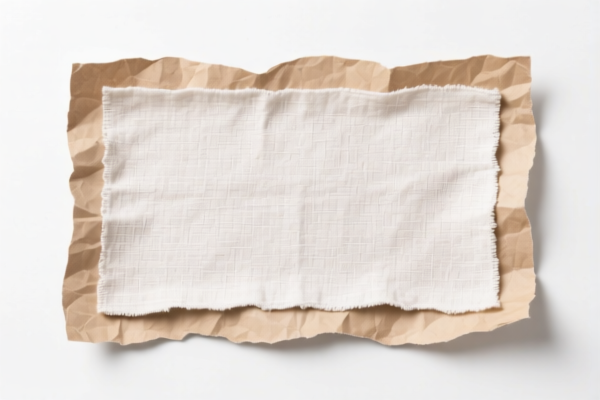
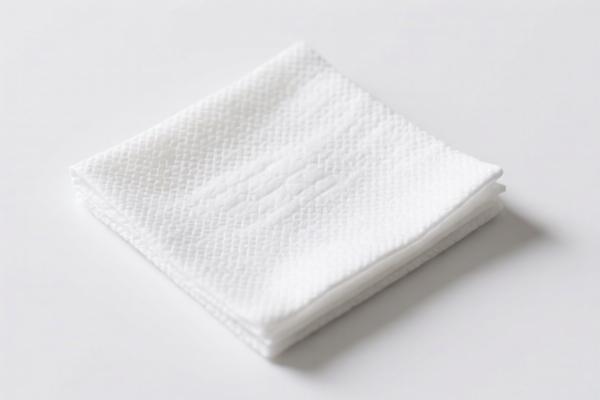
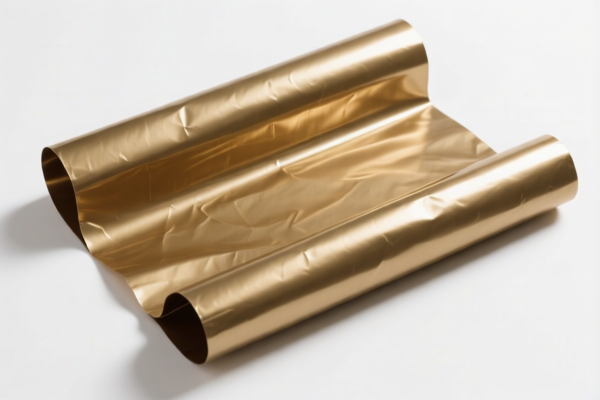
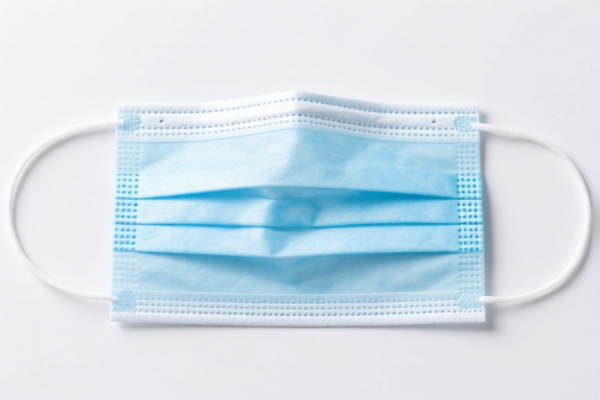
AI Analysis
🧼 Industrial Cotton Swabs – HS Code Classification & Tariff Guide (2026 Update)
🌐 HS Code Breakdown & Customs Clearance Strategy | 2026 U.S. Tariff Authority Reference | Precision Classification for High-Tax Goods
📌 一、Product Definition & Key Classification Triggers: What Makes an "Industrial Cotton Swab"?
Industrial cotton swabs are non-medical, non-sanitary, purpose-built cleaning or inspection tools used in manufacturing, electronics, automotive, aerospace, and industrial maintenance environments.
⚠️ Critical Distinction: - If used for medical, hygiene, or wound care → Medical/Pharmaceutical classification applies (lower tariffs). - If used for industrial cleaning, solvent application, surface prep, or equipment maintenance → Industrial-use classification applies (higher tariffs based on material composition).
🔍 Material is the Key:
The core material of the swab (cotton, plastic, metal) determines the HS Code — not the use case alone.
📦 二、HS Code Classification Matrix (2026 U.S. Tariff Authority)
| HS Code | Product Description | Material Focus | Industrial Use? | Tax Rate |
|---|---|---|---|---|
7326.90.86.88 |
Other articles of iron or steel, not elsewhere specified | Steel/iron base (e.g., metal shafts) | ✅ Yes (industrial) | 87.9% |
5601.21.00.90 |
Cotton wool, not carded or combed, in the form of pads, rolls, or similar | Cotton + pad-like structure | ✅ Yes (industrial) | 38.6% |
3926.90.99.89 |
Other articles of plastics, not elsewhere specified | Plastic handle or packaging | ✅ Yes (industrial) | 22.8% |
3005.90.50.90 |
Other medicaments, not elsewhere specified, in dosage form | Cotton + medical/healthcare form | ❌ No (medical) | 10.0% |
3005.90.10.00 |
Cotton wool, in the form of balls, pads, or similar, not for medical use | Cotton + non-medical form | ✅ Yes (industrial) | 10.0% |
✅ Note: Even if a product is used industrially, if it matches the physical form of medical cotton swabs, it may be misclassified — always verify structure and labeling.
💰 三、2026 U.S. Tariff Breakdown (With Legal Basis & Add-Ons)
✅ Applicable Country: China (CN)
✅ Effective Date: November 10, 2025 (and ongoing)
✅ Tariff Regime: U.S. Trade Act 301 + IEEPA + Section 122 (Steel/Aluminum/Non-Steel Add-Ons)
🎯 1. 7326.90.86.88 – Iron/Steel-Based Industrial Cotton Swabs
| Item | Detail |
|---|---|
| Base Tariff | 2.9% (ad valorem) |
| Section 301 (USITC) | +25.0% (from USITC Footnote 9903.88.01) |
| Section 122 (Steel/Aluminum/Copper Add-On) | +10.0% (for steel-based items) |
| Additional IEEPA | +50.0% (from IEEPA: 9903.01.25 – applies to steel, aluminum, copper products) |
| Total Effective Tariff | 87.9% |
| Tax Calculation | CIF × 87.9% |
| De Minimis Exemption | ❌ Not eligible (denied under 9903.88.01) |
| Legal Pathway | IEEPA:9903.01.25 → SECTION 122: 10% → USITC:9903.88.01 → HS:7326.90.86.88 |
📌 Explanation:
- 50% IEEPA surcharge applies to all steel-based goods from China (per IEEPA: 9903.01.25); - 10% Section 122 applies to steel, aluminum, copper products (even if not fully metallic); - 25% USITC 301 applies to all Chinese imports under Section 301; - Total = 87.9% — one of the highest tariffs in the entire U.S. tariff schedule.
🎯 2. 5601.21.00.90 – Cotton-Based Industrial Swabs (Non-Medical Form)
| Item | Detail |
|---|---|
| Base Tariff | 3.6% |
| Section 301 (USITC) | +25.0% |
| Section 122 (Steel/Aluminum/Copper Add-On) | +10.0% (if handle contains any metal) |
| Total Effective Tariff | 38.6% |
| Tax Calculation | CIF × 38.6% |
| De Minimis Exemption | ❌ Not eligible |
| Legal Pathway | IEEPA:9903.01.24 → SECTION 122: 10% → USITC:9903.88.01 → HS:5601.21.00.90 |
📌 Note:
- Even if the cotton is pure, if the handle is metal, Section 122 applies → +10%; - If no metal, only 3.6% + 25% = 28.6% — but still no de minimis.
🎯 3. 3926.90.99.89 – Plastic Handle or Packaging-Based Swabs
| Item | Detail |
|---|---|
| Base Tariff | 5.3% |
| Section 301 (USITC) | +25.0% |
| Section 122 (Steel/Aluminum/Copper Add-On) | +10.0% (if metal components present) |
| Total Effective Tariff | 22.8% |
| Tax Calculation | CIF × 22.8% |
| De Minimis Exemption | ❌ Not eligible |
| Legal Pathway | IEEPA:9903.01.24 → SECTION 122: 10% → USITC:9903.88.01 → HS:3926.90.99.89 |
📌 Key Insight:
- Plastic handles avoid the 50% IEEPA steel surcharge; - But if any metal (e.g., foil wrap, metal tip, steel core) is present → Section 122 applies → +10%; - No IEEPA 50% — but still 22.8% due to 301 + 122.
🎯 4. 3005.90.50.90 – Medical/Healthcare Cotton Swabs
| Item | Detail |
|---|---|
| Base Tariff | 0.0% |
| Section 301 (USITC) | +0.0% (not applicable to medical goods) |
| Section 122 (Steel/Aluminum/Copper Add-On) | +10.0% (if metal present) |
| Total Effective Tariff | 10.0% |
| Tax Calculation | CIF × 10.0% |
| De Minimis Exemption | ✅ Eligible (if value < $800) |
| Legal Pathway | IEEPA:9903.01.24 → SECTION 122: 10% → HS:3005.90.50.90 |
📌 Critical:
- Medical use = lower tariff — even if material is same; - Only applies if labeled as medical, sterile, or for healthcare use; - Cannot be used for industrial cleaning — risk of misclassification.
🎯 5. 3005.90.10.00 – Cotton Pads/Balls (Non-Medical, Industrial Use)
| Item | Detail |
|---|---|
| Base Tariff | 0.0% |
| Section 301 (USITC) | +0.0% |
| Section 122 (Steel/Aluminum/Copper Add-On) | +10.0% |
| Total Effective Tariff | 10.0% |
| Tax Calculation | CIF × 10.0% |
| De Minimis Exemption | ✅ Eligible |
| Legal Pathway | IEEPA:9903.01.24 → SECTION 122: 10% → HS:3005.90.10.00 |
📌 Note:
- This code applies to cotton in pad/ball form, even if used industrially; - No 301 or IEEPA surcharge — only 10% Section 122 if metal present; - Best option for non-medical, non-metallic cotton swabs.
🛠️ 四、Customs Clearance Best Practices (Pro Tips to Avoid Penalties)
✅ 1. Required Documentation (Must-Have)
| Document | Required? | Why It Matters |
|---|---|---|
| ✅ Product Specification Sheet | ✔️ | Shows material, structure, intended use |
| ✅ Bill of Lading & Packing List | ✔️ | Verifies packaging and contents |
| ✅ Commercial Invoice | ✔️ | Must state "Industrial Use" or "Non-Medical" |
| ✅ Material Safety Data Sheet (MSDS) | ✔️ | Proves non-medical, non-hazardous use |
| ✅ Test Report (e.g., ISO, ASTM) | ✔️ | Confirms industrial application |
| ✅ Certificate of Origin (CO) | ✔️ | Needed for tariff eligibility |
| ✅ Labeling Proof (e.g., "For Industrial Use Only") | ✔️ | Critical for avoiding medical misclassification |
✅ 2.申报技巧 (申报口诀)
🔥 “Material First, Use Second, Label Clearly, Avoid 87.9%!”
| Scenario | Correct HS Code | Risk of Over-Tax |
|---|---|---|
| Cotton swab with steel shaft | 7326.90.86.88 |
✅ High (87.9%) |
| Cotton swab with plastic shaft | 3926.90.99.89 |
✅ 22.8% |
| Cotton swab with no metal, used industrially | 3005.90.10.00 |
✅ 10.0% (best) |
| Cotton swab labeled as medical | 3005.90.50.90 |
✅ 10.0% (but only if truly medical) |
❌ Never label an industrial swab as "medical" unless it is sterile, FDA-approved, and used in healthcare.
✅ 3. Special Handling Scenarios
| Situation | Recommended Action |
|---|---|
| Swabs with metal tip or foil wrap | Use 7326.90.86.88 or 5601.21.00.90 → expect 38.6% or 87.9% |
| Swabs with plastic handle, no metal | Use 3926.90.99.89 → 22.8% |
| Swabs in cotton pad form, no handle | Use 3005.90.10.00 → 10.0% |
| Swabs used in electronics cleaning | Still industrial → do not use medical codes |
| Swabs for aerospace/automotive | Use industrial codes → no medical exemption |
🌍 五、Global Market Comparison (2026)
| Country | Recommended HS Code | Tariff | Certification | Notes |
|---|---|---|---|---|
| 🇺🇸 USA | 7326.90.86.88 / 5601.21.00.90 |
87.9% / 38.6% | None | Highest tariff risk |
| 🇨🇳 China | 3005.90.10.00 / 3926.90.99.89 |
0%–5% | CCC | No 301/IEEPA |
| 🇪🇺 EU | 3005.90.10.00 |
0% (if CE) | CE | No 301/IEEPA |
| 🇦🇺 Australia | 3926.90.99.89 |
5% | RCM | No 301 |
| 🇯🇵 Japan | 3005.90.10.00 |
0% | PSE | No 301 |
📌 Insight:
- The U.S. is the only market with 301 + IEEPA + Section 122 surcharges; - China, EU, Australia, Japan have no such tariffs — ideal for re-export.
📌 六、Common Mistakes & Pitfalls (Avoid These!)
❌ Mistake 1: Labeling industrial swabs as "medical" to get lower tariff
👉 Result: Customs audit, fines, penalties, seizure
❌ Mistake 2: Using 3005.90.10.00 for swabs with metal handles
👉 Result: Incorrect classification → Section 122 applies → 10% extra
❌ Mistake 3: Not declaring "industrial use" on invoice
👉 Result: Customs assumes medical use → higher risk of misclassification
❌ Mistake 4: Using plastic swabs but claiming no metal → if metal present, 122 applies
👉 Result: 10% extra tariff, possible penalty
✅ Correct Labeling Example:
“Industrial Cotton Swabs, Plastic Handle, Non-Medical Use, For Electronics Cleaning, Not Sterile, Not for Healthcare”
🎯 七、Conclusion: Precision Matters – One Wrong HS Code = 87.9% Tax!
🎯 Golden Rules:
🔹 Material determines HS Code — not use
🔹 Metal = 10% + 25% + 50% = 87.9%
🔹 Plastic = 22.8%
🔹 Pure cotton (no metal) = 10.0%
🔹 Medical = 10.0% — but only if truly medical
📣 Action Now!
📞 Contact a U.S. Customs Broker + Provide:
- Product photos
- Material specs
- Use case documentation
- Labeling proof🚀 Request an Advance Ruling (Pre-Approval) for your HS Code — avoid costly delays and penalties!
✨ Professional Customs, Precision Classification, Zero Surprises!
💼 Your product’s value depends on accurate HS Code — get it right the first time!
Customer Reviews
About HS Code Classification
The Harmonized System (HS) is an internationally standardized nomenclature developed by the World Customs Organization (WCO) to classify traded products. Over 200 countries use the HS system as the basis for customs tariffs, trade statistics, and import/export regulations.
Each HS code follows a hierarchical structure:
- Chapter (2 digits) — Broad category of goods (e.g., Chapter 84: Machinery and Mechanical Appliances)
- Heading (4 digits) — More specific grouping within the chapter
- Subheading (6 digits) — Internationally standardized breakdown, used by all WCO member countries
- National subdivisions (8-10 digits) — Country-specific extensions for further classification, such as US HTSUS 10-digit codes
Correct HS code classification is essential for smooth customs clearance, accurate duty payment, and compliance with trade regulations. Misclassification can lead to customs delays, overpayment of duties, or penalties.
When importing from CN to US, the applicable tariff rates may include:
- Most-Favored-Nation (MFN) rate — The standard duty rate applied to WTO members
- General rate — Applied to countries without trade agreements
- Trade remedy duties — Additional tariffs such as Section 301 (anti-dumping), Section 232 (national security), or countervailing duties
The information provided on this page is for reference purposes only. For official classification, please consult with your local customs authority or a licensed customs broker.