布面旅行包
CN → US| HS Code | Tariff Rate | Origin | Destination | Doc |
|---|---|---|---|---|
| 6307909891 | 24.5% | CN | US | Official Doc |
| 4202923131 | 52.6% | CN | US | Official Doc |
| 6307909875 | 17.0% | CN | US | Official Doc |
| 3923290000 | 38.0% | CN | US | Official Doc |
| 3923900080 | 38.0% | CN | US | Official Doc |
Product Images
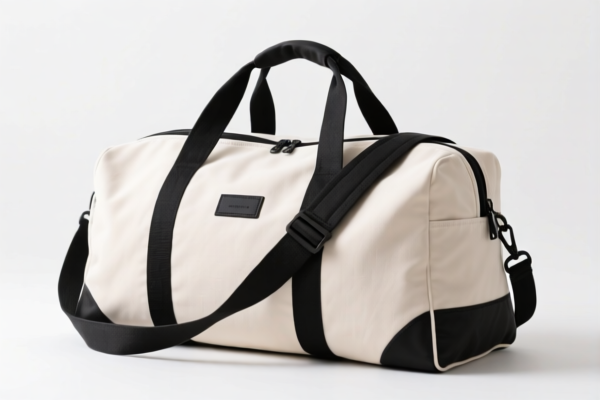
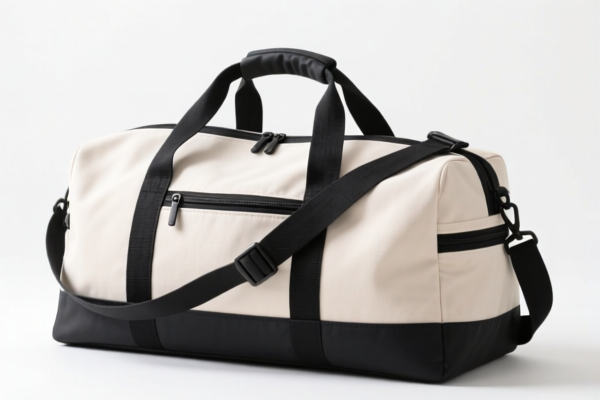
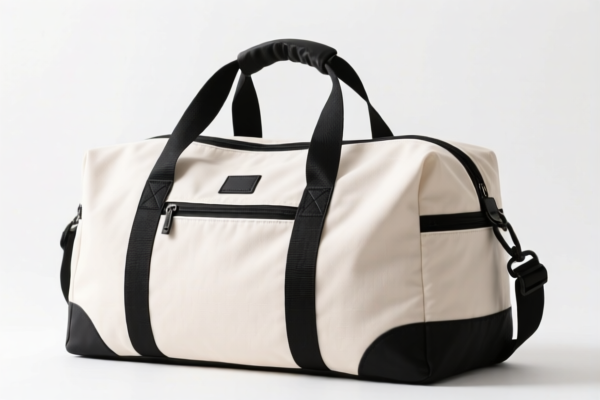
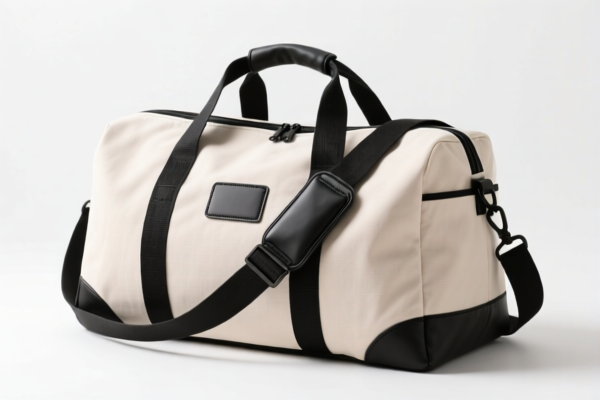
AI Analysis
👜 Fabric Travel Bags (Textile Luggage & Carry-ons)
🌐 HS Code Reference & Customs Clearance Guide | 2026 Latest Tariff Analysis | Professional Entry Strategy
📌 I. Product Definition & Classification: What Exactly Is a "Fabric Travel Bag"?
In international trade, "Fabric Travel Bags" (布面旅行包) are generally classified as finished goods used for carrying personal items during travel. The classification hinges heavily on the outer surface material (typically textiles like nylon, polyester, or canvas) and the specific form/function (duffel, backpack, suitcase, or packing organizer).
Under the Harmonized System (HS), these goods usually fall under two main categories: 1. Chapter 42 (Articles of Leather; Saddle Harness...): Specifically heading 4202, which covers travel goods, handbags, and similar containers, regardless of material (if they have an outer surface of textile materials). 2. Chapter 63 (Other Made Up Textile Articles): Specifically heading 6307, which covers "Other made up textile articles," including packing organizers or bags that do not fit the strict definition of "travel goods" in Ch. 42, or are considered "other finished goods."
⚠️ Key Distinction Point:
- If the item is a structured travel bag/suitcase/duffel with handles, zippers, and a specific travel function → Often classified under 4202.
- If the item is a packing cube, organizer, or generic storage bag without rigid structure → Often classified under 6307.
- If the item is primarily a plastic sack/bag (even if fabric-lined) → Classified under 3923 (Plastic articles for the conveyance of goods).
📦 II. HS Code Classification Details (2026 Latest Tariff Authority对照)
Based on the provided data for "Fabric Travel Bags" (布面旅行包), here are the potential HS codes, inferred material assumptions, and tax structures.
| HS Code | Summary & Inference | Material Assumption | Total Tax Rate | Tax Breakdown (US/China Origin Context) |
|---|---|---|---|---|
6307.90.98.91 |
Other Made-Up Textile Articles: Belongs to finished consumer goods, fits "other made-up goods" logic. | Textile (Fabric) | 24.5% | Base: 7.0% Section 301: 7.5% Section 122: 10% |
4202.92.31.31 |
Travel Goods / Bags: Matches travel use case and form; outer surface inferred as textile material. | Textile (Fabric) | 52.6% | Base: 17.6% Section 301: 25.0% Section 122: 10% |
6307.90.98.75 |
Other Made-Up Textile Articles: Finished consumer bag; falls under "other made-up goods" catch-all. | Textile (Fabric) | 17.0% | Base: 7.0% Section 301: 0.0% Section 122: 10% |
3923.29.00.00 |
Plastic Sacks/Bags: Form fits "sack/pouch" characteristics; inferred as plastic/synthetic fiber. | Plastic/Synthetic | 38.0% | Base: 3.0% Section 301: 25.0% Section 122: 10% |
3923.90.00.80 |
Other Plastic Articles: Packaging/container category; inferred as plastic/synthetic fiber catch-all. | Plastic/Synthetic | 38.0% | Base: 3.0% Section 301: 25.0% Section 122: 10% |
🔍 Critical Insight:
- The same product (Fabric Travel Bag) can be classified differently based on whether customs views it as a "Travel Good" (4202) or a "Packing/Storage Article" (6307), or if the material is deemed Plastic-heavy (3923). -4202.92.31.31carries the highest total tax burden (52.6%) due to a high base rate (17.6%). -6307.90.98.75offers the lowest total tax burden (17.0%) if classified as a "other textile article" with no Section 301 tariff (0%).
💰 III. 2026 Latest Tariff Rate Details (Detailed Breakdown)
✅ Applicable Country: United States (US)
✅ Origin: China (CN)
✅ Effective Time: Current 2026 Tariff Schedule
🎯 1. 6307.90.98.91 —— Other Made-Up Textile Articles (Packing/Storage Logic)
| Item | Detail |
|---|---|
| Base Tariff | 7.0% |
| Section 301 Tariff | 7.5% |
| Section 122 Tariff | 10.0% |
| Total Rate | 24.5% |
| Calculation | CIF Value × 24.5% |
| De Minimis Exemption | ❌ Not Eligible (High tariff rates usually exclude de minimis benefits for China origin under strict scrutiny) |
📌 Explanation:
- This classification assumes the item is a "made-up textile article" not specifically defined as a travel bag (Ch. 42). - The Section 122 (10%) is a new/additional tariff layer affecting many Chinese textile imports. - The Section 301 (7.5%) is a reduced portion of the original 25% tariffs for certain textile categories.
🎯 2. 4202.92.31.31 —— Travel Goods, Handbags, Suitcases (Textile Outer Surface)
| Item | Detail |
|---|---|
| Base Tariff | 17.6% |
| Section 301 Tariff | 25.0% |
| Section 122 Tariff | 10.0% |
| Total Rate | 52.6% |
| Calculation | CIF Value × 52.6% |
| De Minimis Exemption | ❌ Not Eligible |
📌 Explanation:
- This is the standard "Travel Bag" classification (Ch. 42). - High Risk: The base rate (17.6%) is significantly higher than Ch. 63 articles. - Section 301 (25%): Full 25% tariff applies to most textile travel goods from China. - Section 122 (10%): Additional layer on top. - Total 52.6% makes this the most expensive classification for exporters.
🎯 3. 6307.90.98.75 —— Other Made-Up Textile Articles (Low Tariff Option)
| Item | Detail |
|---|---|
| Base Tariff | 7.0% |
| Section 301 Tariff | 0.0% |
| Section 122 Tariff | 10.0% |
| Total Rate | 17.0% |
| Calculation | CIF Value × 17.0% |
| De Minimis Exemption | ❌ Not Eligible |
📌 Explanation:
- This is the most cost-effective classification if the product can be argued as a "packing organizer" or "non-structured textile bag" rather than a "travel suitcase." - Zero Section 301 Tariff (0%): Crucial savings! - Section 122 (10%): Still applies. - Strategy: Ensure product description emphasizes "packing," "organizer," or "storage" rather than "travel bag" or "suitcase."
🎯 4. 3923.29.00.00 & 3923.90.00.80 —— Plastic Sacks & Other Plastic Articles
| Item | Detail |
|---|---|
| Base Tariff | 3.0% |
| Section 301 Tariff | 25.0% |
| Section 122 Tariff | 10.0% |
| Total Rate | 38.0% |
| Calculation | CIF Value × 38.0% |
| De Minimis Exemption | ❌ Not Eligible |
📌 Explanation:
- Only applicable if the bag is primarily plastic-coated fabric or synthetic film. - Base Rate (3.0%) is low, but Section 301 (25%) brings the total to 38%. - Risk: If the bag is primarily textile (nylon/polyester canvas), misclassifying as plastic may lead to customs audits and penalties.
🛠️ IV. Customs Clearance Practical Advice (Pitfall Avoidance Guide)
✅ 1. Documentation Checklist (Essential)
| Document | Required | Notes |
|---|---|---|
| ✅ Product Specification Sheet | ✔️ | Must specify outer material (e.g., "100% Polyester Fabric") and inner lining. |
| ✅ Product Photos | ✔️ | Show structure: Is it rigid? Does it have wheels? Zippers? Handles? |
| ✅ Commercial Invoice | ✔️ | Description should match HS Code logic (e.g., "Textile Packing Cube" vs. "Travel Suitcase"). |
| ✅ Material Composition Label | ✔️ | Clear label: "Outer: 100% Nylon, Lining: 100% Polyester." |
| ✅ Packing List | ✔️ | Consistent with invoice. |
✅ 2. Declaration Strategy (Key Tactics)
🔥 "Structure Determines Code, Material Determines Rate!"
| Scenario | Recommended HS Code | Reasoning |
|---|---|---|
| Structured Suitcase/Duffel with handles, zippers, specific travel use | 4202.92.31.31 |
Fits Chapter 42 "Travel Goods" definition. High Tax (52.6%). |
| Packing Cubes, Organizers, Soft Storage Bags without rigid frame | 6307.90.98.75 |
Fits "Other Made-Up Textile Articles." Low Tax (17.0%). |
| Plastic-Coated Sacks or primarily plastic material | 3923.29.00.00 |
Fits "Plastic Sacks." Mid Tax (38.0%). |
| Generic Fabric Bags with ambiguous function | 6307.90.98.91 |
Fallback to "Other Textile Articles." Mid Tax (24.5%). |
⚠️ Warning:
- Do not misdeclare a rigid suitcase as a "packing bag" to save taxes. Customs may inspect and reclassify, leading to penalties and delays. - Section 122 Tariff (10%) applies to all the above categories for China-origin goods. You cannot avoid this by changing HS Code within the provided list.
✅ 3. Special Cases & Negotiation Points
| Case | Strategy |
|---|---|
| OEM Custom Bags | Provide design sheets showing "textile outer surface." If the product is a "packing cube," argue for 6307.90.98.75. |
| Hybrid Materials | If bag is 50% fabric, 50% leather → Likely 4202 (Leather dominates). If 100% fabric → 6307 or 4202 depending on function. |
| Plastic-Lined Fabric | If the plastic is only a lining/coating, argue for Textile (6307/4202). If it's a plastic sack with fabric print, argue for Plastic (3923). |
🌍 V. Global Market Comparison (2026)
| Market | Recommended HS Code | Est. Total Tax | Notes |
|---|---|---|---|
| 🇺🇸 USA | 6307.90.98.75 (if packing bag) |
17.0% | Lowest effective rate. |
| 🇺🇸 USA | 4202.92.31.31 (if suitcase) |
52.6% | Highest effective rate. |
| 🇪🇺 EU | 6307 / 4202 | Varies (0-12%) | No Section 122/301 equivalent. Lower base tariffs. |
| 🇨🇳 China | 6307 / 4202 | 5-13% | Low import duties for consumers. |
📌 Conclusion:
- The USA is the most challenging market due to Section 122 and Section 301 tariffs. - Strategy: If your product is a packing organizer, aggressively argue for6307.90.98.75(17.0%) instead of4202(52.6%).
📌 VI. Common Mistakes & Pitfalls (Lessons Learned)
❌ Mistake 1: Calling a "Suitcase" a "Travel Bag" and trying to use 6307
👉 Result: Customs rejects, reclassifies to 4202, applies 52.6% + penalties.
❌ Mistake 2: Ignoring Section 122 (10%)
👉 Result: Underestimating landed cost. All listed HS codes include this 10% surcharge.
❌ Mistake 3: Misidentifying Material
👉 Result: If bag is plastic-heavy, using 6307 (Textile) leads to audit. Use 3923 (Plastic) instead.
✅ Correct Practice:
"Polyester Packing Cubes, Set of 5, for Travel Luggage Organization" →
6307.90.98.75
"Hard-Shell Travel Suitcase, Polycarbonate with Textile Lining" →4202.92.31.31
🎯 VII. Conclusion: Smart Classification Saves Money!
🎯 Key Takeaway:
🔹 "Packing Cubes = 17% Tax"
🔹 "Suitcases = 52.6% Tax"
🔹 "Plastic Sacks = 38% Tax"
📌 Recommendation:
- If your product is a soft organizer, emphasize "Packing Cube," "Storage Bag," or "Organizer" in the description to aim for
6307.90.98.75.- If it is a structured bag, prepare for
4202.92.31.31costs.- Always include Section 122 (10%) in your cost calculations.
📣 Action Item:
📞 Consult with a licensed customs broker to review your product's structure and function.
🚀 Apply for a Binding Tariff Information (BTI) or Ruling if the classification is ambiguous.
💼 Optimize your product description to align with the lowest applicable HS Code (e.g.,6307.90.98.75).
✨ Professional Customs Clearance Starts with Precise Classification!
💼 Every Percentage Point Matters in Global Trade!
Customer Reviews
About HS Code Classification
The Harmonized System (HS) is an internationally standardized nomenclature developed by the World Customs Organization (WCO) to classify traded products. Over 200 countries use the HS system as the basis for customs tariffs, trade statistics, and import/export regulations.
Each HS code follows a hierarchical structure:
- Chapter (2 digits) — Broad category of goods (e.g., Chapter 84: Machinery and Mechanical Appliances)
- Heading (4 digits) — More specific grouping within the chapter
- Subheading (6 digits) — Internationally standardized breakdown, used by all WCO member countries
- National subdivisions (8-10 digits) — Country-specific extensions for further classification, such as US HTSUS 10-digit codes
Correct HS code classification is essential for smooth customs clearance, accurate duty payment, and compliance with trade regulations. Misclassification can lead to customs delays, overpayment of duties, or penalties.
When importing from CN to US, the applicable tariff rates may include:
- Most-Favored-Nation (MFN) rate — The standard duty rate applied to WTO members
- General rate — Applied to countries without trade agreements
- Trade remedy duties — Additional tariffs such as Section 301 (anti-dumping), Section 232 (national security), or countervailing duties
The information provided on this page is for reference purposes only. For official classification, please consult with your local customs authority or a licensed customs broker.