帆布托特包
CN → US| HS Code | Tariff Rate | Origin | Destination | Doc |
|---|---|---|---|---|
| 4202929100 | 52.6% | CN | US | Official Doc |
| 4202926091 | 41.3% | CN | US | Official Doc |
| 4202923120 | 52.6% | CN | US | Official Doc |
| 4202921500 | 41.3% | CN | US | Official Doc |
| 4202329300 | 52.6% | CN | US | Official Doc |
Product Images
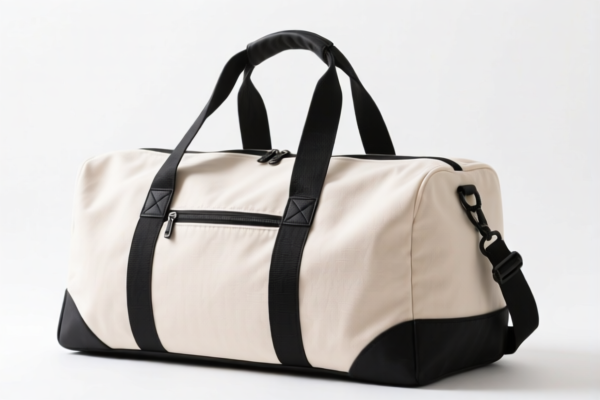
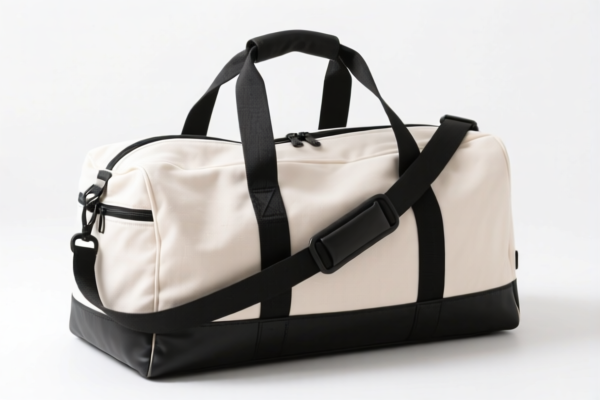
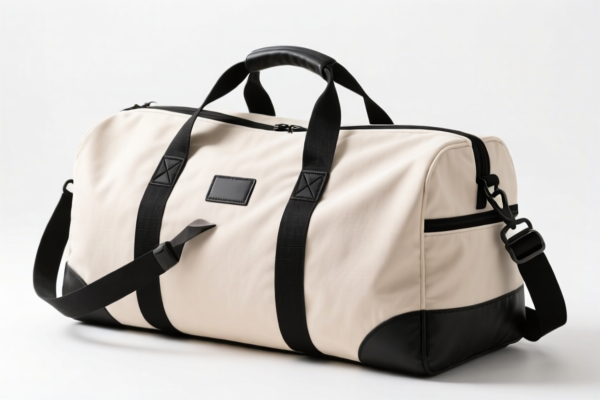
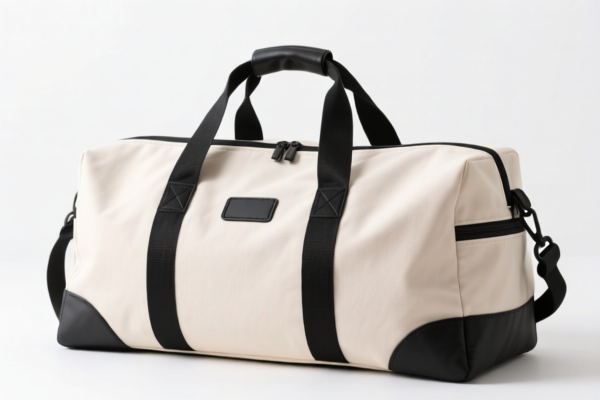
AI Analysis
👜 Canvas Tote Bags: The Ultimate HS Code & Taxation Guide (US Import 2026)
🌐 HS Code Reference & Customs Clearance Guide | 2026 Latest Tariff Breakdown | Professional Clearance Strategy
📌 I. Product Definition & Classification: Do You Really Understand "Canvas Tote Bags"?
Canvas tote bags are ubiquitous fashion accessories, promotional tools, and everyday carry items. In international trade, their classification is highly sensitive to material composition and specific design features. The U.S. Customs and Border Protection (CBP) distinguishes between:
- Cotton/Natural Fiber Bags: Classified under subheadings related to vegetable fiber products.
- Synthetic/Man-Made Fiber Bags: Classified under subheadings related to textile materials made of synthetic or artificial fibers.
⚠️ Key Distinction Point:
- If the bag is made primarily of Cotton Canvas → It often falls under 4202.92.60.91 or 4202.92.15.00 (depending on specific textile definitions and "other containers" vs. "travel bags").
- If the bag is made primarily of Synthetic/Man-Made Canvas (e.g., Polyester/ Nylon blend often mislabeled as canvas) → It falls under 4202.92.91.00 or 4202.92.31.20 or 4202.32.93.00 (Handbags/Containers).
- Crucial: The term "Canvas" alone is not sufficient for HS Code. The fiber content determines the tax bracket.
📦 II. HS Code Classification Details (2026 Latest Tariff Authority)
Based on the provided data for Canvas Tote Bags, here are the five possible HS Codes and their corresponding tax implications:
| HS Code | Product Description & Summary | Material/Category | Total Tax Rate |
|---|---|---|---|
4202.92.91.00 |
Handbags/Pouches Classified as handbags/bags. Material: Textile (Canvas). Fits synthetic or artificial fiber classification. |
Synthetic/Artificial Fiber | 52.6% |
4202.92.60.91 |
Other Containers Bag-like container. Material: Cotton Canvas. Other than retail jewelry boxes. |
Cotton (Vegetable Fiber) | 41.3% |
4202.92.15.00 |
Travel/Sport Bags Bag-like shape. Material: Cotton Plant Fiber. Fits definition of travel, sports, and similar bags. |
Cotton (Vegetable Fiber) | 41.3% |
4202.92.31.20 |
Handbags/Pouches Bag-like shape. Material: Textile (Canvas). Fits synthetic or artificial fiber classification. |
Synthetic/Artificial Fiber | 52.6% |
4202.32.93.00 |
Handbags/Containers Container. Material: Textile (Canvas). Fits artificial fiber or textile requirements. |
Synthetic/Artificial Fiber | 52.6% |
🔍 Critical Observation:
- Cotton Canvas bags (codes4202.92.60.91and4202.92.15.00) enjoy a lower total tax rate of 41.3%.
- Synthetic/Man-Made Canvas bags (codes4202.92.91.00,4202.92.31.20,4202.32.93.00) face a higher total tax rate of 52.6%.
- The difference of 11.3% is significant and depends entirely on your product's actual fiber content label.
💰 III. 2026 Latest Tariff Rate Breakdown (Including Surtaxes & Policy Add-ons)
✅ Applicable Country: United States (US)
✅ Origin: China (CN)
✅ Effective Time: Current tariffs (including Section 301 and Section 232/122 implications as per provided data)
🎯 1. For Cotton Canvas Bags (4202.92.60.91 / 4202.92.15.00)
| Item | Content |
|---|---|
| Base Tariff | 6.3% (ad valorem) |
| Section 301 Surtax | +25.0% (Additional Duty) |
| Section 122 Tariff | +10.0% (Specific Section 122 Tariff) |
| Total Effective Rate | 41.3% |
| Tax Calculation | CIF Value × 41.3% |
| De Minimis Exemption | ❌ Not Applicable (High tariff rates usually exclude Section 321 de minimis relief for large shipments, though small parcels may vary by CBP enforcement priority. For bulk, this applies.) |
| Legal Basis Path | HTSUS:4202.92.60.91 → Section 301: Footnote 9903.88.01 → Section 122: 19 U.S.C. 1677j |
📌 Explanation:
- The 6.3% base rate is standard for many textile bags.
- The 25% Section 301 tariff is the primary additional duty on Chinese goods.
- The 10% Section 122 tariff is a specific provision often applied to certain textile/apparel categories.
- Total: 41.3%. This is a high tariff category. Cost planning must account for this.
🎯 2. For Synthetic/Artificial Fiber Bags (4202.92.91.00 / 4202.92.31.20 / 4202.32.93.00)
| Item | Content |
|---|---|
| Base Tariff | 17.6% (ad valorem) |
| Section 301 Surtax | +25.0% (Additional Duty) |
| Section 122 Tariff | +10.0% (Specific Section 122 Tariff) |
| Total Effective Rate | 52.6% |
| Tax Calculation | CIF Value × 52.6% |
| De Minimis Exemption | ❌ Not Applicable |
| Legal Basis Path | HTSUS:4202.92.91.00 → Section 301: Footnote 9903.88.01 → Section 122: 19 U.S.C. 1677j |
📌 Explanation:
- The 17.6% base rate is significantly higher than cotton bags, reflecting trade policy differences for synthetic textiles.
- Add 25% (Section 301) and 10% (Section 122).
- Total: 52.6%. This is the highest tax bracket in the provided data.
- Risk: Misclassifying a synthetic bag as cotton can lead to severe penalties and back taxes.
🛠️ IV. Customs Clearance Practical Advice (Avoiding Pitfalls)
✅ 1. Preparation Checklist (Non-Negotiable)
| Document | Must Provide | Reason |
|---|---|---|
| ✅ Product Spec Sheet | ✔️ | Must explicitly state Fiber Content (e.g., "100% Cotton Canvas" vs. "80% Polyester/20% Cotton"). |
| ✅ Material Test Report | ✔️ | Third-party lab report confirming fiber composition is crucial to defend your HS Code. |
| ✅ Product Photos | ✔️ | Clear images of the bag, labels, and lining. |
| ✅ Commercial Invoice | ✔️ | Description must match HS Code (e.g., "Canvas Tote Bag, Cotton"). |
| ✅ Packing List | ✔️ | Weight and quantity details. |
✅ 2. Declaration Strategy (Key Mantras)
🔥 "Material is King, Code is Queen, Wrong Label Means Pain!"
| Scenario | Correct HS Code | Wrong Declaration | Consequence |
|---|---|---|---|
| 100% Cotton Canvas Bag | 4202.92.60.91 or 4202.92.15.00 (41.3%) |
Declared as Synthetic | Underpayment: CBP will audit, demand back taxes + penalties. |
| Polyester/Canvas Blend | 4202.92.91.00 (52.6%) |
Declared as Cotton | Misclassification: Fine, seizure, or forced payment of difference. |
| Mixed Materials | Depends on Principal Material | Vague Description "Tote Bag" | Delay: CBP may assign a random code or require further examination. |
✅ 3. Special Cases
| Situation | Advice |
|---|---|
| OEM/Private Label | Ensure the manufacturer's label inside the bag matches your customs declaration. Mismatches trigger audits. |
| Lining Material | If the outer shell is cotton but lining is synthetic, the outer shell material generally dictates the HS Code for bags. |
| Seasonal Promotional Bags | High volume imports may attract more scrutiny. Ensure strict compliance to avoid "red lane" inspection delays. |
🌍 V. Global Market Comparison (2026)
| Country/Region | Recommended HS Code | Estimated Tariff (China Origin) | Note |
|---|---|---|---|
| 🇺🇸 USA | 4202.92.60.91 (Cotton) |
41.3% | High due to Section 301 & 122. |
| 🇺🇸 USA | 4202.92.91.00 (Synthetic) |
52.6% | Highest tax bracket in data. |
| 🇨🇳 China | 4202.92.60.91 |
Low (Export) | Domestic consumption tax may apply. |
| 🇪🇺 EU | 4202.92.60.91 |
~12% | No Section 301/122 equivalents. |
| 🇨🇦 Canada | 4202.92.60.91 |
~12% | USMCA may allow duty-free if originating. |
📌 Conclusion:
- The U.S. market imposes the heaviest burden on Chinese canvas bags.
- Cotton bags are cheaper to import into the US than synthetic ones (41.3% vs. 52.6%).
- Cost Optimization: If possible, switch to 100% Cotton Canvas for US-bound shipments to save 11.3% in tariffs.
📌 VI. Common Mistakes & Pitfalls (Lessons Learned)
❌ Mistake 1: Assuming "Canvas" = Cotton
👉 Reality: Many "canvas" bags are poly-cotton blends. If polyester > cotton, it's often classified as synthetic.
👉 Fix: Check the care label. If it says "Polyester," use the 52.6% code.
❌ Mistake 2: Ignoring Section 122 Tariff
👉 Reality: Even if you have a low base rate, the 10% Section 122 tariff adds up.
👉 Fix: Always calculate Base + 301 + 122.
❌ Mistake 3: Vague Description "Tote Bag"
👉 Reality: CBP requires specific material details.
👉 Fix: Use "Canvas Tote Bag, 100% Cotton, With Zipper Closure."
✅ Correct Approach:
"Canvas Tote Bag, 100% Cotton Canvas, Handle Length 20cm, Model ABC, Designed for Retail Use"
🎯 VII. Conclusion: Precision in Classification Saves Money!
🎯 Remember the Mantras:
🔹 "Cotton is King (41.3%), Synthetic is Pain (52.6%)."
🔹 "Check the Label, Check the Tariff, Don't Guess!"
🔹 "Section 301 + Section 122 = High Costs, Plan Ahead!"
📌 Pro Tip:
If your bags are originating from Vietnam, Mexico, or Thailand, you may qualify for USMCA or GSP exemptions, potentially reducing the tax rate to 0%~5%.
Recommendation: Always apply for an Advance Ruling from CBP if you are unsure about the material classification. It provides legal certainty and avoids post-import audits.
📣 Immediate Action:
📞 Consult with a licensed customs broker.
📋 Verify your material composition with your factory.
🚀 Clear Customs Smoothly, Maximize Your Profit Margins!
✨ Professional Clearance Starts with Accurate Classification!
💼 Every Percent of Tariff Counts!
Customer Reviews
About HS Code Classification
The Harmonized System (HS) is an internationally standardized nomenclature developed by the World Customs Organization (WCO) to classify traded products. Over 200 countries use the HS system as the basis for customs tariffs, trade statistics, and import/export regulations.
Each HS code follows a hierarchical structure:
- Chapter (2 digits) — Broad category of goods (e.g., Chapter 84: Machinery and Mechanical Appliances)
- Heading (4 digits) — More specific grouping within the chapter
- Subheading (6 digits) — Internationally standardized breakdown, used by all WCO member countries
- National subdivisions (8-10 digits) — Country-specific extensions for further classification, such as US HTSUS 10-digit codes
Correct HS code classification is essential for smooth customs clearance, accurate duty payment, and compliance with trade regulations. Misclassification can lead to customs delays, overpayment of duties, or penalties.
When importing from CN to US, the applicable tariff rates may include:
- Most-Favored-Nation (MFN) rate — The standard duty rate applied to WTO members
- General rate — Applied to countries without trade agreements
- Trade remedy duties — Additional tariffs such as Section 301 (anti-dumping), Section 232 (national security), or countervailing duties
The information provided on this page is for reference purposes only. For official classification, please consult with your local customs authority or a licensed customs broker.