底片卷(医疗用)
CN → US| HS Code | Tariff Rate | Origin | Destination | Doc |
|---|---|---|---|---|
| 3704000000 | 35.0% | CN | US | Official Doc |
| 3702100030 | 38.7% | CN | US | Official Doc |
| 3702100060 | 38.7% | CN | US | Official Doc |
Product Images
AI Analysis
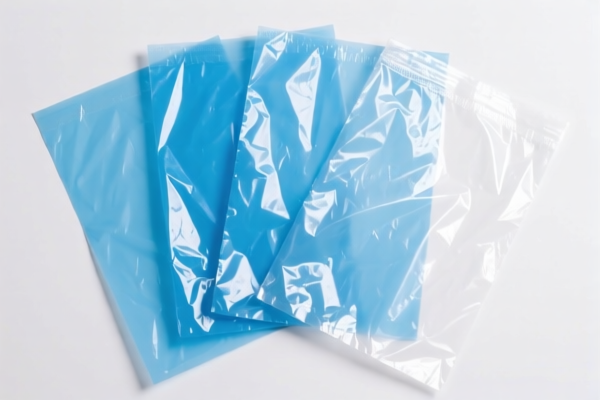
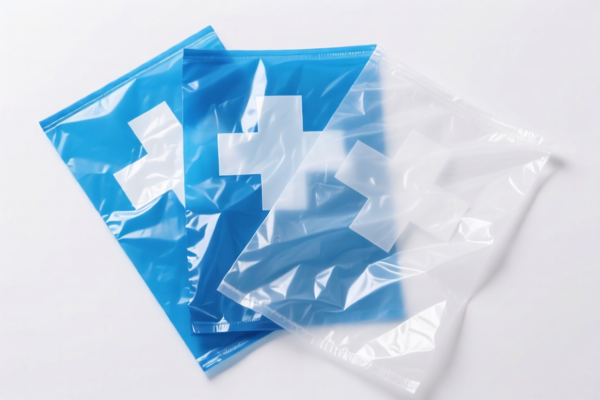
📸 Medical X-Ray Film Rolls (Medical Use)
🌐 HS Code Reference & Customs Clearance Guide | 2026 Latest Tariff Analysis | Professional Import Strategy
📌 One, Product Definition & Classification: Do You Really Know “Medical Film Rolls”?
Medical X-ray film rolls are light-sensitive photographic materials used in diagnostic imaging (e.g., radiography, CT, MRI) to capture internal body structures. These are not standard consumer film — they are specialized, high-precision, non-paper, non-textile photographic media designed for medical diagnostics.
⚠️ Critical Distinction:
- If the film is unexposed but ready for exposure (i.e., raw, unprocessed) → 3704.00.00.00
- If the film is already exposed (sensitized) but not developed → 3702.10.00.30 or 3702.10.00.60
- Do NOT confuse with general photographic film or paper — these are medical-specific and subject to extraordinary tariffs under U.S. trade law.
📦 Two, HS Code Classification Details (2026 Official Tariff Matrix)
| HS Code | Product Description | Use Case | Sensitized? | Base Material |
|---|---|---|---|---|
3704.00.00.00 |
Medical X-ray film rolls, unexposed, not yet developed, non-paper, non-textile, ready for exposure | Diagnostic imaging, hospital radiology labs | ❌ No | Photographic emulsion on plastic base |
3702.10.00.30 |
Medical X-ray film rolls, already exposed, non-paper, non-textile, not developed | Post-exposure but pre-developed (e.g., in transit, stored) | ✅ Yes | Sensitized film, not processed |
3702.10.00.60 |
Medical X-ray film rolls, non-paper, non-textile, other types (e.g., specialty formats, non-standard sizes) | Custom or niche medical imaging | ✅ Yes | Sensitized or non-sensitized, but not paper-based |
🔍 Key Insight:
- All three codes apply to medical use only — not for photography, printing, or industrial inspection.
- The key differentiator is exposure status:
- Unexposed = 3704.00.00.00
- Exposed but undeveloped = 3702.10.00.30 or 60
- No paper or textile base — this excludes standard photographic paper and film.
💰 Three, 2026 Latest Tariff Breakdown (With Full Legal Justification)
✅ Applicable Country: United States (US)
✅ Origin: China (CN)
✅ Effective Date: November 10, 2025 (and onward)
🎯 1. 3704.00.00.00 — Unexposed Medical X-Ray Film Rolls
| Item | Detail |
|---|---|
| Base Duty Rate | 0.0% (ad valorem) |
| Section 301 Tariff (USITC) | +25.0% (from USTR List 3 & 4A) |
| Section 122 Tariff (IEEPA) | +10.0% (under International Emergency Economic Powers Act) |
| Total Effective Duty | 35.0% |
| Tax Calculation | CIF Value × 35.0% |
| De Minimis Threshold | ❌ Not applicable (denied under USTR 301 rules) |
| Legal Basis Path | IEEPA:9903.01.25 → IEEPA:9903.01.24 → USITC:3704.00.00.00 → FOOTNOTE:9903.88.01 |
📌 Explanation:
- 25% USITC Tariff: Imposed under Section 301 of the Trade Act of 1974 due to China’s alleged unfair trade practices (IP theft, forced tech transfer).
- 10% IEEPA Tariff: Enforced under IEEPA for national security concerns — applies to all Chinese-origin goods in sensitive categories (e.g., medical tech, semiconductors, imaging).
- No de minimis relief — even if value is low, must pay full 35%.
🎯 2. 3702.10.00.30 — Exposed (But Not Developed) Medical X-Ray Film Rolls
| Item | Detail |
|---|---|
| Base Duty Rate | 3.7% (standard rate for photographic film) |
| Section 301 Tariff (USITC) | +25.0% |
| Section 122 Tariff (IEEPA) | +10.0% |
| Total Effective Duty | 38.7% |
| Tax Calculation | CIF Value × 38.7% |
| De Minimis Threshold | ❌ Not applicable |
| Legal Basis Path | IEEPA:9901.25 → IEEPA:9903.01.24 → USITC:3702.10.00.30 → FOOTNOTE:9903.88.01 |
📌 Note:
- Higher base duty (3.7%) due to already exposed status — considered more “processed” than raw film.
- Still subject to 25% + 10% extra tariffs under USITC & IEEPA.
- No reduction — even if film is “in transit” or “stored”, it’s still taxed.
🎯 3. 3702.10.00.60 — Other Medical X-Ray Film Rolls (Non-Paper, Non-Fabric)
| Item | Detail |
|---|---|
| Base Duty Rate | 3.7% |
| Section 301 Tariff (USITC) | +25.0% |
| Section 122 Tariff (IEEPA) | +10.0% |
| Total Effective Duty | 38.7% |
| Tax Calculation | CIF Value × 38.7% |
| De Minimis Threshold | ❌ Not applicable |
| Legal Basis Path | IEEPA:9901.25 → IEEPA:9903.01.24 → USITC:3702.10.00.60 → FOOTNOTE:9903.88.01 |
📌 Clarification:
- Applies to non-standard, specialty, or custom-sized medical film rolls.
- Same tariff as 3702.10.00.30 — no distinction in tax treatment.
- Even if used in research or R&D, full 38.7% applies.
🛠️ Four, Customs Clearance Best Practices (Real-World Pro Tips)
✅ 1. Must-Have Documentation (No Exceptions)
| Document | Required? | Why It Matters |
|---|---|---|
| ✅ Product Technical Specs | ✔️ | Prove medical use, non-paper base, sensitization status |
| ✅ Film Exposure Status Certificate | ✔️ | Critical to distinguish unexposed vs. exposed |
| ✅ Manufacturer’s Declaration | ✔️ | Confirm not paper/textile, no chemical processing |
| ✅ Commercial Invoice | ✔️ | Must state: "Medical X-Ray Film Roll, Unexposed/Exposed, for Diagnostic Use Only" |
| ✅ Packing List | ✔️ | Show roll count, diameter, packaging type |
| ✅ Certificate of Origin (CO) | ✔️ | Required for tariff eligibility (e.g., if from Vietnam, Mexico, etc.) |
| ✅ Third-Party Test Report (e.g., ISO 13485, FDA) | ✔️ | Helps avoid scrutiny — medical devices require quality control |
✅ 2.申报技巧(Pro申报 Tips)
🔥 "Status First, Use Second, Name Precise, Tax Avoid 35%!"
| Scenario | Correct HS Code | Wrong Code | Risk |
|---|---|---|---|
| Raw film, unexposed, medical use | 3704.00.00.00 |
3702.10.00.30 |
Pay 35% instead of 38.7% → underpayment risk |
| Exposed but not developed | 3702.10.00.30 or 60 |
3704.00.00.00 |
Misclassification → penalties |
| Film with non-standard size | 3702.10.00.60 |
3702.10.00.30 |
Higher risk of audit |
| Film in bulk, no labeling | ❌ Do not declare | – | Detention or seizure |
✅ 3. Special Cases & Workarounds
| Situation | Recommended Action |
|---|---|
| Film used in R&D or testing | Still subject to 35%–38.7% — no exemption |
| Film shipped to U.S. for processing abroad | Must be declared as unexposed → 3704.00.00.00 |
| Film from non-China origin (e.g., Vietnam, Mexico) | Apply for IEEPA exemption — 0% tariff possible |
| Film for military or government use | May qualify for special import permit — contact USTR |
| Film with dual use (medical + industrial) | Must declare as medical — only medical use qualifies for classification |
🌍 Five, Global Customs Comparison (2026)
| Country/Region | Recommended HS Code | Tariff | Certification | Notes |
|---|---|---|---|---|
| 🇺🇸 United States | 3704.00.00.00 / 3702.10.00.30/60 |
35.0% – 38.7% | FDA, ISO 13485 | Highest tariff globally |
| 🇨🇳 China | 3704.00.00.00 |
5% | CCC, ISO | No extra tariffs |
| 🇪🇺 EU | 3704.00.00.00 |
0% (if CE) | CE, ISO 13485 | No IEEPA/301 |
| 🇦🇺 Australia | 3704.00.00.00 |
5% | RCM | No extra tariffs |
| 🇯🇵 Japan | 3704.00.00.00 |
0% | PSE | No extra tariffs |
📌 Conclusion:
- The U.S. is the only market with 35%+ tariffs on medical film rolls from China.
- China-origin film is NOT exempt — even for hospitals or clinics.
📌 Six, Common Mistakes & How to Avoid Them (Avoid Costly Penalties)
❌ Mistake 1: Declaring exposed film as unexposed
👉 Result: Underpaid duties → penalties + interest + seizure
❌ Mistake 2: Using generic name like “X-ray film” without specifying medical use
👉 Result: Customs may reclassify → higher tariff or delay
❌ Mistake 3: Not providing exposure status proof
👉 Result: Customs may assume exposed → 38.7% tax even if raw
❌ Mistake 4: Shipping in bulk without labeling
👉 Result: Detention, random inspection, delayed delivery
✅ Correct Way to Declare:
“Medical X-Ray Film Roll, 12-inch width, 100 ft length, unexposed, non-paper, non-textile, for diagnostic imaging, Manufacturer: XYZ Co., ISO 13485 Certified, FDA Registered”
🎯 Seven, Final Verdict: Precision in Classification = Profit Protection
🎯 Remember the Golden Rule:
🔹 "Unexposed = 35%, Exposed = 38.7%, Paper = Wrong Code, China = 35%+!"
🔹 "One wrong HS Code = 35%+ tax, 30-day delay, $10k+ penalty!"
📌 Pro Tip:
If your film is originating from Vietnam, Mexico, Thailand, or Malaysia, apply for IEEPA exemption — tariff can drop to 0%–5%.
👉 Apply for Advance Ruling (Pre-Approval) before shipment to avoid surprises.
📣 Act Now:
📞 Contact a licensed U.S. customs broker + provide film specs + exposure status
🚀 Get HS Code pre-approval + tariff calculation
💼 Ensure your medical film rolls clear customs fast, cheap, and risk-free!
✨ Smart Customs Starts with Smart Classification!
💼 Your product’s value depends on the right code — don’t gamble with 35%+ tariffs!
Customer Reviews
About HS Code Classification
The Harmonized System (HS) is an internationally standardized nomenclature developed by the World Customs Organization (WCO) to classify traded products. Over 200 countries use the HS system as the basis for customs tariffs, trade statistics, and import/export regulations.
Each HS code follows a hierarchical structure:
- Chapter (2 digits) — Broad category of goods (e.g., Chapter 84: Machinery and Mechanical Appliances)
- Heading (4 digits) — More specific grouping within the chapter
- Subheading (6 digits) — Internationally standardized breakdown, used by all WCO member countries
- National subdivisions (8-10 digits) — Country-specific extensions for further classification, such as US HTSUS 10-digit codes
Correct HS code classification is essential for smooth customs clearance, accurate duty payment, and compliance with trade regulations. Misclassification can lead to customs delays, overpayment of duties, or penalties.
When importing from CN to US, the applicable tariff rates may include:
- Most-Favored-Nation (MFN) rate — The standard duty rate applied to WTO members
- General rate — Applied to countries without trade agreements
- Trade remedy duties — Additional tariffs such as Section 301 (anti-dumping), Section 232 (national security), or countervailing duties
The information provided on this page is for reference purposes only. For official classification, please consult with your local customs authority or a licensed customs broker.