座椅延长器
CN → US| HS Code | Tariff Rate | Origin | Destination | Doc |
|---|---|---|---|---|
| 3926301000 | 24.0% | CN | US | Official Doc |
| 3926305000 | 22.8% | CN | US | Official Doc |
| 9401993580 | 35.0% | CN | US | Official Doc |
| 7326908688 | 87.9% | CN | US | Official Doc |
Product Images
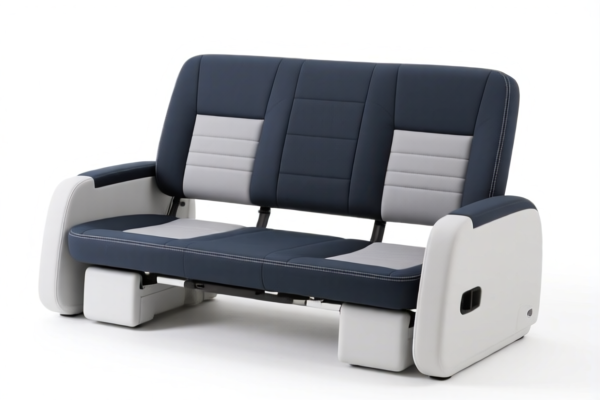
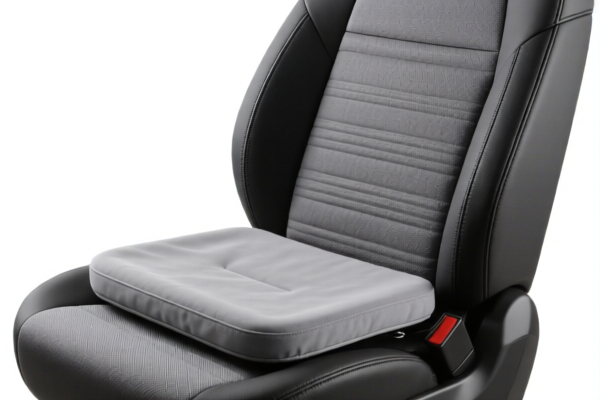
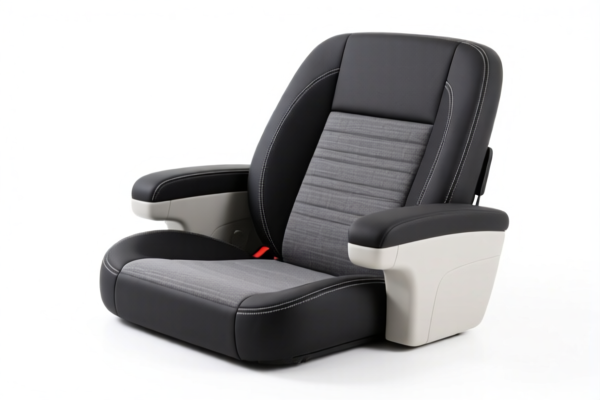
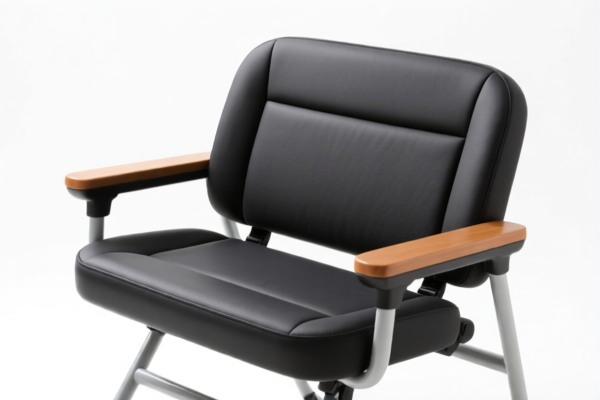
AI Analysis
🪑 Seat Extenders (座椅延长器)
🌐 HS Code Reference & Customs Clearance Guide | 2026 Latest Tariff Analysis | Professional Clearance Strategy
📌 I. Product Definition & Classification: Do You Truly Understand "Seat Extenders"?
A Seat Extender is an automotive accessory or component designed to adjust the seating position of a vehicle. Depending on its material, structure, and functional integration, it falls into different categories in international trade. In the current trade environment, the classification heavily influences the tariff burden due to specific trade measures (such as Section 301 and Section 232/122 equivalents).
Material Distinction: - Plastic/Rubber Extenders: Typically lightweight, ergonomic cushions or rigid plastic shells. - Metal (Steel/Iron) Extenders: Structural brackets or heavy-duty support frames made of steel or iron.
⚠️ Critical Classification Point:
- If made of Plastic/Rubber, it is often classified under Chapter 39 (Plastics) or Chapter 94 (Furniture Parts).
- If made of Iron/Steel, it is strictly classified under Chapter 73 (Iron/Steel Articles).
- ⚠️ High Tariff Alert: Metal auto parts from China are currently subject to extremely high cumulative tariffs due to steel/aluminum surcharges and trade restrictions.
📦 II. HS Code Classification Details (2026 Latest Authoritative Reference)
| HS Code | Product Description | Material | Application Scenario | Base Duty | Additional Duties | Total Tax Rate |
|---|---|---|---|---|---|---|
3926.30.50.00 |
Plastic/Rubber Seat Extender | Plastic/Rubber | Classified as a body/seat connection component. | 5.3% | +7.5% (Add.) + 10% (Sec. 122) | 22.8% |
9401.99.35.80 |
Plastic/Rubber Seat Extender | Plastic/Rubber | Classified as a part of other seats. | 0.0% | +25.0% (Add.) + 10% (Sec. 122) | 35.0% |
7326.90.86.88 |
Iron/Steel Seat Extender | Steel/Iron | Classified as an auto spare part. | 2.9% | +25.0% (Add.) + 10% (Sec. 122) + 50% (Steel/Alu/Cu Surcharge) | 87.9% |
7326.19.00.80 |
Iron/Steel Seat Extender | Steel/Iron | Classified as other steel articles (spare part). | 2.9% | +25.0% (Add.) + 10% (Sec. 122) + 50% (Steel/Alu/Cu Surcharge) | 87.9% |
🔍 Key Insight:
- Plastic Extenders face moderate tariffs (22.8% - 35.0%).
- Metal Extenders face crippling tariffs (87.9%) due to the叠加 (stacking) of Base Duty, Section 301-style Additional Duty, Section 122 Duty, and the specific 50% Surcharge on Steel/Aluminum/Copper products.
💰 III. 2026 Latest Tariff Rate Breakdown (Including Additional Taxes & Policy Add-ons)
✅ Applicable Country: United States (US)
✅ Origin: China (CN)
✅ Effective Time: 2025/2026 Tariff Schedule (Subject to ongoing trade policy updates)
🎯 1. Plastic/Rubber Seat Extenders
A. HS Code 3926.30.50.00 – As Body/Seat Connection Component
| Item | Content |
|---|---|
| Base Tariff | 5.3% |
| Additional Duty | +7.5% |
| Section 122 Duty | +10% |
| Total Tax Rate | 22.8% |
| Tax Calculation | CIF Value × 22.8% |
| De Minimis Exemption | ❌ Not Applicable (High value threshold usually applies, but strategic clearance is key) |
📌 Explanation:
- This classification views the extender as a structural "connection component."
- The 22.8% rate is the lowest option for plastic extenders.
- Strategy: Emphasize the "connection component" function in technical descriptions to argue for this lower-rate heading if structurally justified.
B. HS Code 9401.99.35.80 – As Other Seat Parts
| Item | Content |
|---|---|
| Base Tariff | 0.0% |
| Additional Duty | +25.0% |
| Section 122 Duty | +10% |
| Total Tax Rate | 35.0% |
| Tax Calculation | CIF Value × 35.0% |
| De Minimis Exemption | ❌ Not Applicable |
📌 Explanation:
- This is the standard "Furniture Part" classification.
- Although the Base Duty is 0%, the 25% Additional Duty (likely Section 301 equivalent) pushes the total to 35.0%.
- Comparison: 35.0% > 22.8%. Therefore,3926.30.50.00is generally more cost-effective for plastic extenders if the "connection component" argument holds.
🎯 2. Iron/Steel Seat Extenders
A. HS Code 7326.90.86.88 or 7326.19.00.80 – Auto Spare Parts / Other Steel Articles
| Item | Content |
|---|---|
| Base Tariff | 2.9% |
| Additional Duty | +25.0% |
| Section 122 Duty | +10% |
| Steel/Alu/Cu Surcharge | +50% (Critical!) |
| Total Tax Rate | 87.9% |
| Tax Calculation | CIF Value × 87.9% |
| De Minimis Exemption | ❌ Not Applicable |
📌 Explanation:
- The 50% Surcharge is the killer.
- Regardless of whether it is classified as7326.90(Other articles) or7326.19(Toys/statues/catch-all), the Steel/Aluminum/Copper surcharge applies.
- 87.9% is a prohibitive tariff rate.
- Warning: Importing steel seat extenders from China to the US is economically unviable for most retail businesses unless the margin is extremely high.
🛠️ IV. Customs Clearance Practical Advice (Avoid Pitfalls)
✅ 1. Essential Documentation Checklist
| Document | Required? | Purpose |
|---|---|---|
| ✅ Product Specification Sheet | ✔️ | Must clearly state Material Composition (e.g., "100% Polypropylene" vs. "Carbon Steel"). |
| ✅ Material Safety Data Sheet (MSDS) | ✔️ | For plastic/rubber components to verify chemical composition. |
| ✅ Technical Drawing/Cross-Section | ✔️ | Crucial for Metal Parts. Prove if it is a "connection component" or just a "seat part" to potentially argue for different sub-headings (though tariff difference is minimal for metal due to 50% surcharge). |
| ✅ Commercial Invoice | ✔️ | Clearly describe as "Seat Extender, Plastic, Model XYZ" or "Seat Bracket, Steel." |
| ✅ Certificate of Origin (CO) | ✔️ | Mandatory to confirm Chinese origin, triggering specific additional duties. |
✅ 2. Classification Strategy & Tips
🔥 Golden Rule: "Material Determines Destiny, Function Determines Rate!"
| Scenario | Correct Classification | Risk/Pitfall |
|---|---|---|
| Plastic Extender | 3926.30.50.00 |
If misclassified as 9401.99, you pay 35% instead of 22.8%. Save 12.2%! |
| Metal Extender | 7326.90.86.88 / 7326.19.00.80 |
High Risk. Both incur 87.9%. No significant tariff advantage between these two sub-headings. Consider supply chain relocation (e.g., Vietnam/Mexico) to avoid steel surcharges. |
| Mixed Material (Plastic Cover + Steel Core) | 3926.30.50.00 (Arguable) |
If the plastic part defines the essential character, argue for Chapter 39. However, if steel is structural, Customs may insist on Chapter 73. Consult a broker. |
| Kit (Seat + Extender) | Do Not Split | Declare as a complete set. Splitting may lead to reclassification of the seat itself at higher rates. |
✅ 3. Special Situation Handling
| Situation | Handling Advice |
|---|---|
| OEM Custom Metal Parts | Ensure the invoice explicitly states "Auto Spare Part." If mislabeled as "Hardware," it might fall under different duties, but the 50% Steel Surcharge usually remains. |
| Plastic Extender with Metal Screws | If metal content is <5% by weight, argue for Plastic Classification (3926). If metal is structural, expect Steel Tariff (7326). |
| Pre-Arrival Ruling | Highly Recommended. Apply for an Advance Ruling from CBP to lock in 3926.30.50.00 for plastic parts and confirm the 87.9% reality for steel parts. |
🌍 V. Global Market Comparison (2026)
| Country/Region | Recommended HS Code (Plastic) | Tariff (Plastic) | Recommended HS Code (Metal) | Tariff (Metal) | Notes |
|---|---|---|---|---|---|
| 🇺🇸 USA | 3926.30.50.00 |
22.8% | 7326.90.86.88 |
87.9% | Avoid Metal from China. |
| 🇨🇳 China | 3926.30.50.00 |
5-7% | 7326.90.90 |
5-7% | Lower duties, but focus on US export data. |
| 🇪🇺 EU | 3926.90.97 |
4.5% | 7326.90.98 |
4.5% | No Section 122/301 equivalents. Much more competitive. |
| 🇲🇽 Mexico | 3926.30.90 |
0-3% (USMCA) | 7326.90.99 |
0-3% (USMCA) | Best Alternative. Shift production to Mexico to avoid US surcharges. |
📌 Conclusion:
- For the US Market: Plastic seat extenders are viable (22.8% tax). Metal seat extenders are prohibitive (87.9% tax).
- Strategic Move: If selling plastic extenders, ensure the classification argument for3926.30.50.00is robust. If selling metal, relocate manufacturing to a non-China origin (e.g., Mexico, Vietnam) to escape the 50% Steel Surcharge.
📌 VI. Common Errors & Pitfalls (Blood Lessons)
❌ Error 1: Classifying a Plastic extender under 9401 (Seat Parts)
👉 Consequence: You pay 35.0% instead of 22.8%. Loss of 12.2% profit margin.
👉 Fix: Argue that it is a "connection component" (3926), not just a seat cushion.
❌ Error 2: Attempting to import Steel seat extenders from China to the US
👉 Consequence: Pay 87.9% total tax. Most retailers will face negative margins.
👉 Fix: Source from Mexico, Turkey, or Vietnam. Or, increase retail price significantly.
❌ Error 3: Omitting "Steel" or "Iron" in the product description
👉 Consequence: Customs may suspect misclassification. If found to be steel but declared as plastic, face penalties + back taxes.
👉 Fix: Be transparent. "Seat Extender, Steel Bracket."
❌ Error 4: Ignoring Section 122 / Additional Duties
👉 Consequence: Underestimating landed cost.
👉 Fix: Always calculate: Base + Additional + Section 122 + Steel Surcharge (if applicable).
✅ Correct Practice:
"Plastic Seat Extender, Ergonomic Design, PP Material, Model XYZ, No Structural Steel Components."
🎯 VII. Conclusion: Professional Classification Saves Money!
🎯 Remember the Mantra:
🔹 "Plastic goes to 3926 (22.8%), Steel goes to 7326 (87.9%)."
🔹 "Function defines Plastic, Material defines Steel."
🔹 "Avoid China-Made Steel in the US; Shift to Mexico for Metals!"
📌 Pro Tip:
If your plastic seat extenders are sourced from Vietnam or Mexico, you may qualify for IEEPA Exemptions or lower additional duties, potentially reducing the tax to <10%.
Recommendation: Apply for a Pre-Ruling with US CBP before shipping your first container.
📣 Immediate Action:
📞 Contact a licensed Customs Broker
📸 Provide Product Photos + Material Specs
🚀 Optimize your HS Code, Slash your Taxes, Boost your Profits!
✨ Professional Customs Clearance Starts with Accurate Classification!
💼 Every Percent Saved is Pure Profit!
Customer Reviews
About HS Code Classification
The Harmonized System (HS) is an internationally standardized nomenclature developed by the World Customs Organization (WCO) to classify traded products. Over 200 countries use the HS system as the basis for customs tariffs, trade statistics, and import/export regulations.
Each HS code follows a hierarchical structure:
- Chapter (2 digits) — Broad category of goods (e.g., Chapter 84: Machinery and Mechanical Appliances)
- Heading (4 digits) — More specific grouping within the chapter
- Subheading (6 digits) — Internationally standardized breakdown, used by all WCO member countries
- National subdivisions (8-10 digits) — Country-specific extensions for further classification, such as US HTSUS 10-digit codes
Correct HS code classification is essential for smooth customs clearance, accurate duty payment, and compliance with trade regulations. Misclassification can lead to customs delays, overpayment of duties, or penalties.
When importing from CN to US, the applicable tariff rates may include:
- Most-Favored-Nation (MFN) rate — The standard duty rate applied to WTO members
- General rate — Applied to countries without trade agreements
- Trade remedy duties — Additional tariffs such as Section 301 (anti-dumping), Section 232 (national security), or countervailing duties
The information provided on this page is for reference purposes only. For official classification, please consult with your local customs authority or a licensed customs broker.