弹性腰带
CN → US| HS Code | Tariff Rate | Origin | Destination | Doc |
|---|---|---|---|---|
| 5903102090 | 35.0% | CN | US | Official Doc |
| 5604909000 | 40.0% | CN | US | Official Doc |
| 5903102010 | 35.0% | CN | US | Official Doc |
| 4008210000 | 35.0% | CN | US | Official Doc |
| 4008111000 | 35.0% | CN | US | Official Doc |
Product Images
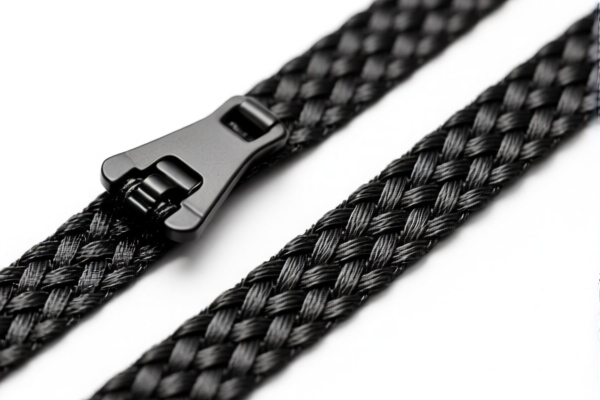
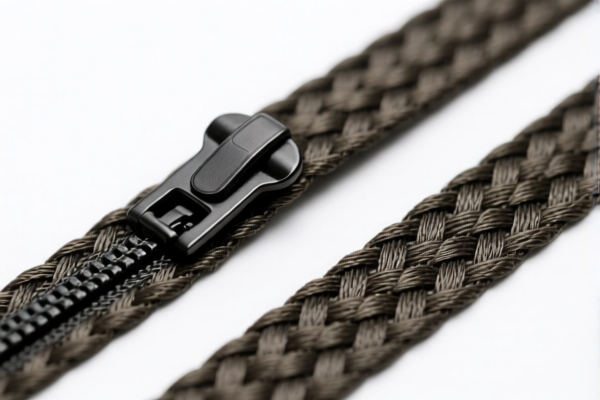


AI Analysis
🌟 Elastic Waistband (Stretchable Waistband for Apparel)
🌐 HS Code Classification & Customs Clearance Guide | 2026 Updated Tariff Analysis | Expert-Level Import Strategy
📌 One, Product Definition & Classification: What Exactly Is an Elastic Waistband?
An elastic waistband is a flexible, stretchable fabric band used in clothing—especially pants, shorts, skirts, and activewear—to provide comfort, fit, and ease of movement. It is typically made by combining textile fibers (like polyester or cotton) with rubber or synthetic elastomers (e.g., spandex, Lycra).
In international trade, its classification depends on material composition, construction method, and functional characteristics—especially whether it is coated, impregnated, or covered with rubber or plastic.
⚠️ Critical Distinction:
- If the band is mainly textile with elastic yarns → likely textile-based (HS 5903.10.20 or 5604.90.90)
- If it is rubber-based with textile backing or coating → likely rubber-based (HS 4008.11.10 or 4008.21.00)
- If rubber or plastic is used to coat or cover the textile, then coated textile rules apply.
📦 Two, HS Code Classification Breakdown (2026 Updated Tariff Authority)
| HS Code | Product Description | Key Features | Tax Implications |
|---|---|---|---|
5903.10.20.90 |
Textile fabrics, impregnated, coated, covered, or laminated with rubber or plastic, not otherwise specified | Elastic waistband with textile base + PVC/rubber coating; commonly used in sportswear, swimwear, and casual wear | 🔥 High tax risk |
5604.90.90.00 |
Other textile strips and bands, impregnated, coated, covered, or laminated with rubber or plastic | Made from textile strips (e.g., polyester/cotton) coated or impregnated with rubber; often used in waistbands, straps, or closures | 🔥 High tax risk |
5903.10.20.10 |
Textile fabrics, impregnated, coated, covered, or laminated with PVC or rubber, not otherwise specified | Similar to 5903.10.20.90; includes PVC-coated elastic bands used in activewear and undergarments | 🔥 High tax risk |
4008.21.00.00 |
Rubber or rubber-like materials, in the form of sheets, plates, strips, or bands, not foamed | Non-foamed rubber bands; often made from sulfurized rubber, used in waistbands, belts, and industrial applications | 🔥 High tax risk |
4008.11.10.00 |
Natural rubber, in the form of sheets, plates, strips, or bands | Natural rubber-based bands, often used in high-stretch applications; may be used in sportswear, medical garments, or industrial belts | 🔥 High tax risk |
🔍 Key Insight:
- All five HS codes carry a total tariff of 35%–40% when imported into the United States from China (CN).
- The difference lies in the material basis: textile vs. rubber.
- Misclassification leads to overpayment, penalties, or seizure.
💰 Three, 2026 U.S. Tariff Breakdown (With Full Legal Justification)
✅ Applicable Country: United States (US)
✅ Origin: China (CN)
✅ Effective Date: November 10, 2025 (including subsequent imports)
🎯 1. 5903.10.20.90 — Coated Textile Fabric (Elastic Waistband)
| Item | Detail |
|---|---|
| Base Tariff | 0% (ad valorem) |
| USITC Section 301 Tariff | +25% (from U.S. Trade Act §301) |
| IEEPA Section 102 Tariff | +10% (under International Emergency Economic Powers Act) |
| Total Effective Tariff | 35.0% |
| Tax Calculation | CIF Value × 35% |
| De Minimis Exemption? | ❌ No (denied under U.S. Customs Rule 19 CFR §10.18) |
| Legal Pathway | IEEPA:9903.01.25 → IEEPA:9903.01.24 → USITC:5903.10.20.90 → FOOTNOTE:9903.88.01 |
📌 Explanation:
- The 25% USITC tariff applies to all goods from China under Section 301 of the U.S. Trade Act.
- The 10% IEEPA tariff is triggered by national emergency declarations related to China’s trade practices.
- Combined, they create a 35% tariff on textile-based elastic bands.
🎯 2. 5604.90.90.00 — Textile Strips Coated with Rubber/Plastic
| Item | Detail |
|---|---|
| Base Tariff | 5% |
| USITC Section 301 Tariff | +25% |
| IEEPA Section 102 Tariff | +10% |
| Total Effective Tariff | 40.0% |
| Tax Calculation | CIF Value × 40% |
| De Minimis Exemption? | ❌ No |
| Legal Pathway | IEEPA:9901.25 → IEEPA:9903.01.24 → USITC:5604.90.90.00 → FOOTNOTE:9903.88.01 |
📌 Why Higher?
- 5% base tariff applies because this code is for coated textile strips, not fully impregnated fabrics.
- The same 25% + 10%附加 taxes apply → total 40%.
🎯 3. 5903.10.20.10 — Textile Fabric Coated with PVC/Rubber
| Item | Detail |
|---|---|
| Base Tariff | 0% |
| USITC Section 301 Tariff | +25% |
| IEEPA Section 102 Tariff | +10% |
| Total Effective Tariff | 35.0% |
| Tax Calculation | CIF Value × 35% |
| De Minimis Exemption? | ❌ No |
| Legal Pathway | IEEPA:9903.01.25 → IEEPA:9903.01.24 → USITC:5903.10.20.10 → FOOTNOTE:9903.88.01 |
📌 Note:
- This code is very similar to 5903.10.20.90, but specifically for PVC or rubber-coated fabrics.
- Same 35% total rate, but only applies if PVC/rubber is the primary coating.
🎯 4. 4008.21.00.00 — Non-Foamed Rubber Strips/Bands
| Item | Detail |
|---|---|
| Base Tariff | 0% |
| USITC Section 301 Tariff | +25% |
| IEEPA Section 102 Tariff | +10% |
| Total Effective Tariff | 35.0% |
| Tax Calculation | CIF Value × 35% |
| De Minimis Exemption? | ❌ No |
| Legal Pathway | IEEPA:9903.01.25 → IEEPA:9903.01.24 → USITC:4008.21.00.00 → FOOTNOTE:9903.88.01 |
📌 Key Point:
- This code applies to rubber-based bands, even if textile-reinforced.
- No base tariff, but 25% + 10% = 35% still applies.
🎯 5. 4008.11.10.00 — Natural Rubber Strips/Bands
| Item | Detail |
|---|---|
| Base Tariff | 0% |
| USITC Section 301 Tariff | +25% |
| IEEPA Section 102 Tariff | +10% |
| Total Effective Tariff | 35.0% |
| Tax Calculation | CIF Value × 35% |
| De Minimis Exemption? | ❌ No |
| Legal Pathway | IEEPA:9903.01.25 → IEEPA:9903.01.24 → USITC:4008.11.10.00 → FOOTNOTE:9903.88.01 |
📌 Note:
- Applies only to natural rubber bands (not synthetic).
- Still subject to same 35% total tariff.
🛠️ Four, Customs Clearance Best Practices (Pro Tips to Avoid Penalties)
✅ 1. Essential Documentation (MUST-HAVE)
| Document | Required? | Why It Matters |
|---|---|---|
| ✅ Product Specifications | ✔️ | Must include material composition (e.g., "65% polyester, 35% spandex, PVC-coated") |
| ✅ Material Safety Data Sheet (MSDS) | ✔️ | Proves presence of rubber/PVC |
| ✅ Technical Drawings / Cross-Section Diagrams | ✔️ | Shows layering: textile + coating |
| ✅ Lab Test Report (e.g., ASTM D471, ISO 3388) | ✔️ | Confirms rubber/plastic coating |
| ✅ Commercial Invoice | ✔️ | Must clearly state "Elastic Waistband, PVC-Coated, Textile Base" |
| ✅ Certificate of Origin (CO) | ✔️ | Critical for tariff eligibility |
| ✅ Packing List | ✔️ | Shows quantity, weight, and packaging |
✅ 2.申报技巧(Key Rules to Remember)
🔥 “Material First, Form Second, Coating Last!”
| Scenario | Correct HS Code | Wrong Code | Risk |
|---|---|---|---|
| Textile base + rubber coating | 5903.10.20.90 or 5903.10.20.10 |
4008.21.00.00 |
Underpay tax → penalties |
| Rubber base + textile reinforcement | 4008.21.00.00 or 4008.11.10.00 |
5604.90.90.00 |
Overpay tax → lost profit |
| PVC-coated elastic band | 5903.10.20.10 |
5903.10.20.90 |
Minor risk, but better to be precise |
📌 Pro Tip:
- Use “PVC-coated” or “rubber-impregnated” in the product description.
- Avoid vague terms like “elastic band” or “stretch band”.
✅ 3. Special Cases & Solutions
| Situation | Recommended Action |
|---|---|
| Mixed material bands (textile + rubber) | Submit cross-sectional image + lab report to support classification |
| Bands with no visible coating | Request non-destructive testing (NDT) to confirm coating |
| Importing from Vietnam/Mexico | Apply for IEEPA exemption → 0% tariff if origin is non-China |
| High-value shipments | Request Advance Ruling (Pre-Approval) from U.S. CBP |
| Customs audit risk | Keep all technical docs for 5 years |
🌍 Five, Global Customs Comparison (2026 Update)
| Country/Region | Recommended HS Code | Base Tariff | 附加 Tax | Total Tariff | Notes |
|---|---|---|---|---|---|
| 🇺🇸 United States (US) | 5903.10.20.90 or 4008.21.00.00 |
0%–5% | +25% +10% | 35%–40% | High risk |
| 🇨🇳 China | 5903.10.20.90 |
5% | 0% | 5% | Low cost |
| 🇪🇺 European Union | 5903.10.20.90 |
0% | 0% | 0% | No附加 tax |
| 🇦🇺 Australia | 5604.90.90.00 |
5% | 0% | 5% | No附加 tax |
| 🇯🇵 Japan | 5903.10.20.90 |
0% | 0% | 0% | No附加 tax |
📌 Conclusion:
- The U.S. is the only market with 35%–40% tariffs on elastic waistbands from China.
- EU, Japan, Australia, and China have much lower or zero tariffs.
- Consider shifting production or re-routing shipments via Vietnam, Mexico, or Thailand to avoid U.S. tariffs.
📌 Six, Common Mistakes & How to Avoid Them
❌ Mistake 1: Labeling all elastic bands as "textile" without checking coating
👉 Result: Misclassified as 5604.90.90.00 → 40% tax instead of 35%
❌ Mistake 2: Using "rubber band" for textile-based bands
👉 Result: Misclassified as 4008.21.00.00 → 35% tax, but no base tariff → no loss, but confusion
❌ Mistake 3: Not providing lab reports or diagrams
👉 Result: Customs delays, request for sample testing, or seizure
❌ Mistake 4: Assuming all elastic waistbands are the same
👉 Result: One-size-fits-all HS code → high risk of audit
✅ Correct Approach:
“Elastic Waistband, 2.5 cm wide, 65% Polyester / 35% Spandex, PVC-Coated, for Activewear, Model WB-2025, ASTM D471 Certified”
🎯 Seven, Final Verdict: Precision Pays Off!
🎯 Remember the Golden Rule:
🔹 “If it’s coated, it’s textile. If it’s rubber, it’s rubber. If you’re unsure, test it.”
🔹 “A 1% misclassification can cost 25% in tariffs.”
📌 Pro Tip:
✅ Apply for an Advance Ruling (CBP Ruling) before shipping large volumes.
✅ Use a customs broker with textile/rubber classification expertise.
✅ Keep all technical documentation for 5 years.
📣 Take Action Now:
📞 Contact a U.S. Customs Broker + Submit product photos + Request HS Code Pre-Approval
🚀 Avoid 35%–40% tariffs, prevent delays, and secure your supply chain!
✨ Smart Importing Starts with Smart Classification!
💼 Your profit margin depends on the right HS code.
Customer Reviews
About HS Code Classification
The Harmonized System (HS) is an internationally standardized nomenclature developed by the World Customs Organization (WCO) to classify traded products. Over 200 countries use the HS system as the basis for customs tariffs, trade statistics, and import/export regulations.
Each HS code follows a hierarchical structure:
- Chapter (2 digits) — Broad category of goods (e.g., Chapter 84: Machinery and Mechanical Appliances)
- Heading (4 digits) — More specific grouping within the chapter
- Subheading (6 digits) — Internationally standardized breakdown, used by all WCO member countries
- National subdivisions (8-10 digits) — Country-specific extensions for further classification, such as US HTSUS 10-digit codes
Correct HS code classification is essential for smooth customs clearance, accurate duty payment, and compliance with trade regulations. Misclassification can lead to customs delays, overpayment of duties, or penalties.
When importing from CN to US, the applicable tariff rates may include:
- Most-Favored-Nation (MFN) rate — The standard duty rate applied to WTO members
- General rate — Applied to countries without trade agreements
- Trade remedy duties — Additional tariffs such as Section 301 (anti-dumping), Section 232 (national security), or countervailing duties
The information provided on this page is for reference purposes only. For official classification, please consult with your local customs authority or a licensed customs broker.