手套套装
CN → US| HS Code | Tariff Rate | Origin | Destination | Doc |
|---|---|---|---|---|
| 4015129000 | 49.0% | CN | US | Official Doc |
| 4015121010 | 110.0% | CN | US | Official Doc |
| 6116109500 | 24.5% | CN | US | Official Doc |
| 6116106500 | 24.5% | CN | US | Official Doc |
| 3926201010 | 10.0% | CN | US | Official Doc |
Product Images
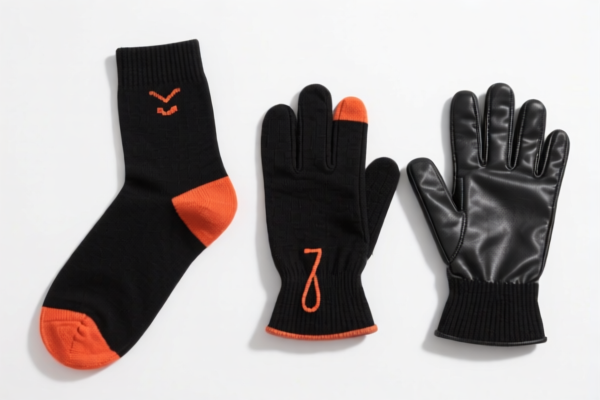
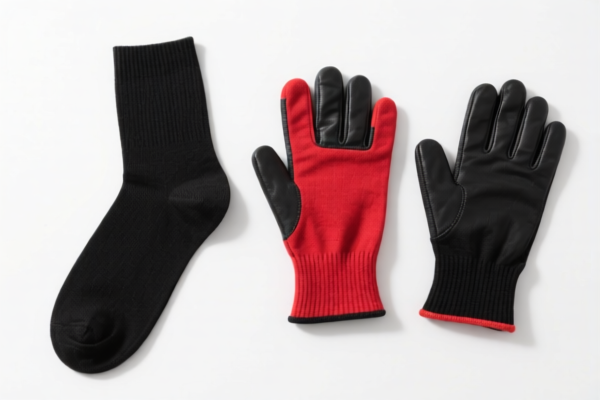
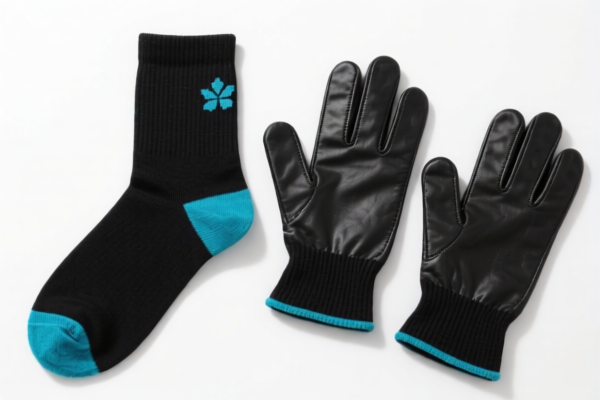
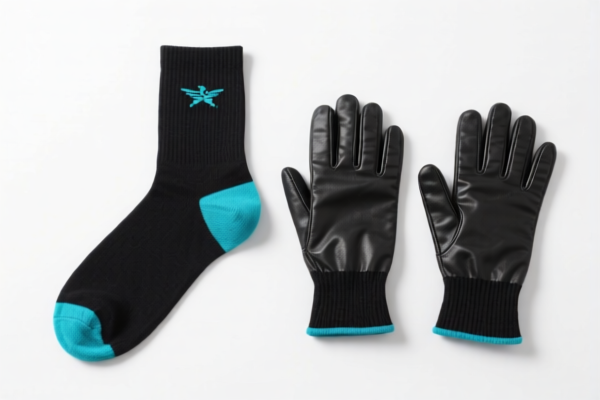
AI Analysis
🧤 Medical Glove Sets (Glove Kits for Clinical & Surgical Use)
🌐 HS Code Reference & Customs Clearance Guide | 2026 Latest Tariff Analysis | Professional Strategy for Medical Supplies
📌 I. Product Definition & Classification: Do You Really Know "Glove Sets"?
Medical glove sets are essential personal protective equipment (PPE) used in healthcare, laboratory, and surgical environments. In international trade, classification depends strictly on material composition, manufacturing process (knitted vs. non-knitted), and specific medical application (surgical vs. general examination).
Misclassification is common because "gloves" can fall under Chapter 40 (Rubber), Chapter 61 (Knitted/Crocheted Apparel), or Chapter 39 (Plastics). The key determinant is whether the gloves are solid rubber/plastic (Chapter 40/39) or fabric-based with coating (Chapter 61).
⚠️ Critical Distinction:
- If the gloves are made of solid vulcanized rubber (no fabric backing) → Likely Chapter 40.
- If the gloves are knitted fabric dipped in rubber/plastic → Likely Chapter 61.
- If the gloves are seamless plastic (e.g., PE/PP) → Likely Chapter 39.
📦 II. HS Code Classification Matrix (2026 Authoritative Mapping)
Based on the provided data, here is the precise mapping for different types of glove sets:
| HS Code | Product Description | Material/Structure | Use Case |
|---|---|---|---|
4015.12.90.00 |
Medical Gloves, Vulc. Rubber | Solid Rubber (Not Knitted) | General medical/examination |
4015.12.10.10 |
Medical Gloves, Exact Match | Solid Rubber (Not Knitted) | Specific defined medical use |
6116.10.95.00 |
Knitted Gloves, Rubber/Plastic Coated | Fabric Base + Coating | Medical use, general handling |
6116.10.65.00 |
Coated/Dipped Knitted Gloves | Fabric Base + Coating | Medical use, general handling |
3926.20.10.10 |
Seamless Surgical Gloves | Plastic (PE/PP), No Fabric | Surgical/High-clinical use |
🔍 Key Insight:
- Chapter 40 (4015): For gloves made entirely of rubber (latex/nitrile) without a textile backing.
- Chapter 61 (6116): For gloves made of fabric (cotton/polyester) that are dipped or coated in rubber/plastic.
- Chapter 39 (3926): For seamless plastic gloves (often disposable, non-medical grade or specific surgical plastics).
💰 III. 2026 Tariff Rate Breakdown (Including Surtaxes & Policy Adjustments)
✅ Applicable Country: United States (US)
✅ Origin: China (CN)
✅ Effective Date: Current rates apply (including Section 301 and IEEPA surcharges)
🎯 1. 4015.12.90.00 – Medical Gloves, Vulcanized Rubber
| Item | Detail |
|---|---|
| Base Tariff | 14.0% (Ad Valorem) |
| Section 301 Surtax | +25.0% |
| Section 122 Tariff | +10.0% |
| Total Tariff Rate | 49.0% |
| Calculation Base | CIF Value × 49% |
| De Minimis Exemption | ❌ Not Eligible (Strictly controlled medical supplies) |
| Legal Basis | USITC HTSUS 4015.12.90.00 + Section 301 Footnotes |
📌 Explanation:
- This code applies to solid rubber gloves (e.g., standard latex exam gloves).
- The 49% total rate is extremely high due to the cumulative effect of Base Tariff (14%) + Section 301 (25%) + Section 122 (10%).
- Warning: Many importers mistakenly think medical supplies are duty-free; they are not for Chinese origin in the US.
🎯 2. 4015.12.10.10 – Medical Gloves (Exact Definition Match)
| Item | Detail |
|---|---|
| Base Tariff | 0.0% |
| Section 301 Surtax | +100.0% |
| Section 122 Tariff | +10.0% |
| Total Tariff Rate | 110.0% |
| Calculation Base | CIF Value × 110% |
| De Minimis Exemption | ❌ Not Eligible |
| Legal Basis | USITC HTSUS 4015.12.10.10 + Section 301 Footnotes |
📌 Explanation:
- This code appears to represent a highly specific or restricted sub-category of medical gloves (possibly certain surgical or specialized types).
- The 110% rate is punitive. Avoid this code unless absolutely necessary; it suggests a specific regulatory restriction or a high-risk classification path.
- Strategy: Verify if your product truly fits this narrow definition. If it can be classified under4015.12.90.00(49%), the savings are massive.
🎯 3. 6116.10.95.00 & 6116.10.65.00 – Knitted/Coated Medical Gloves
| Item | Detail |
|---|---|
| Base Tariff | 7.0% |
| Section 301 Surtax | +7.5% |
| Section 122 Tariff | +10.0% |
| Total Tariff Rate | 24.5% |
| Calculation Base | CIF Value × 24.5% |
| De Minimis Exemption | ❌ Not Eligible |
| Legal Basis | USITC HTSUS 6116.10.xxxx + Section 301 Footnotes |
📌 Explanation:
- These codes apply to fabric-backed gloves with rubber/plastic coating.
- The 24.5% rate is significantly lower than the 49% for solid rubber gloves.
- Opportunity: If your gloves are technically fabric-based (even if dipped in nitrile), this classification offers better cost efficiency. Ensure the fabric content is correctly declared.
🎯 4. 3926.20.10.10 – Seamless Surgical Gloves (Plastic)
| Item | Detail |
|---|---|
| Base Tariff | 0.0% |
| Section 301 Surtax | 0.0% |
| Section 122 Tariff | +10.0% |
| Total Tariff Rate | 10.0% |
| Calculation Base | CIF Value × 10% |
| De Minimis Exemption | ❌ Not Eligible |
| Legal Basis | USITC HTSUS 3926.20.10.10 |
📌 Explanation:
- This code is for seamless plastic gloves (e.g., polyethylene, polypropylene).
- The 10% rate is the most favorable among the options.
- Caution: These are typically non-latex, non-nitrile gloves. If your gloves are made of nitrile/rubber, they cannot be classified here. Misuse will lead to severe penalties.
🛠️ IV. Customs Clearance Practical Advice (Avoiding Pitfalls)
✅ 1. Required Documentation Checklist
| Document | Mandatory? | Notes |
|---|---|---|
| ✅ Product Specification Sheet | ✔️ | Must clearly state: Material (Latex, Nitrile, Cotton+Coating), Thickness, Porosity. |
| ✅ Material Composition Certificate | ✔️ | Crucial for distinguishing Chapter 40 (Rubber) vs. Chapter 61 (Textile). |
| ✅ FDA Registration (if applicable) | ✔️ | Medical devices/gloves in the US require FDA 510(k) or exemption status. |
| ✅ Commercial Invoice | ✔️ | Must match the HS Code description exactly. |
| ✅ Packing List | ✔️ | Show quantity per box, total weight, dimensions. |
| ✅ Certificate of Origin | ✔️ | Confirm CN origin for surtax calculation. |
✅ 2. Declaration Strategy (Golden Rules)
🔥 "Material Determines Chapter, Coating Determines Subhead!"
| Scenario | Recommended HS Code | Risk Level |
|---|---|---|
| Solid Latex/Nitrile Gloves (No fabric) | 4015.12.90.00 |
🟡 Medium (49% tariff) |
| Fabric Gloves with Rubber Coating | 6116.10.95.00 |
🟢 Low (24.5% tariff) |
| Seamless Plastic Gloves (PE/PP) | 3926.20.10.10 |
🟢 Low (10% tariff) |
| Highly Specific Medical Gloves (Narrow Def) | 4015.12.10.10 |
🔴 High (110% tariff) |
📌 Tip: Always argue for the lower tariff category if the product characteristics allow. For example, if a "nitrile glove" has a cotton liner, it might qualify for
6116instead of4015.
✅ 3. Special Handling Tips
| Situation | Advice |
|---|---|
| OEM Custom Gloves | Provide brand authorization and technical drawings to prove exact material composition. |
| Mixed Sets (Gloves + Powder + Case) | Declare gloves as the primary item; declare powder/case separately if possible (powder may have different duties). |
| FDA Compliance | Ensure the importer has an FDA Establishment Registration Number. Lack of this can cause detention even if duties are paid. |
| Section 122 Tariff | This is a specific anti-dumping/countervailing duty related to certain Chinese goods. Verify if your product is exempt under any recent policy updates. |
🌍 V. Global Market Comparison (2026)
| Market | Recommended HS Code | Est. Total Duty (CN Origin) | Key Requirement |
|---|---|---|---|
| 🇺🇸 USA | 4015.12.90.00 or 6116.10.95.00 |
24.5% – 49% | FDA Registration, CBP Surcharges |
| 🇨🇳 China | 4015.12.90.00 |
~14-17% | NMPA Registration (Medical Device) |
| 🇪🇺 EU | 4015.13.00 (General) |
0-6.5% | CE Marking (PPE Regulation) |
| 🇯🇵 Japan | 4015.19.00 |
8-10% | PMDA Notification |
📌 Conclusion:
- USA is the most costly market due to Section 301 and Section 122 tariffs.
- EU and Japan have lower base tariffs but stricter regulatory compliance (CE/PMDA).
- Strategy for US Market: Optimize supply chain to use Chapter 61 or Chapter 39 if technically feasible to reduce duties from 49% to 24.5% or 10%.
📌 VI. Common Errors & Pitfalls (Lessons Learned)
❌ Error 1: Declaring "Rubber Gloves" as "Plastic Gloves" (3926) to save duty
👉 Consequence: Customs audit → Re-classification + Penalties + Back Taxes.
❌ Error 2: Ignoring Section 122 Tariff
👉 Consequence: Unexpected 10% charge at border, delaying clearance by weeks.
❌ Error 3: Using 4015.12.10.10 without exact matching
👉 Consequence: 110% tariff! Only use if your gloves perfectly match the narrow definition.
✅ Correct Action:
Conduct a material analysis of the gloves.
- If 100% Rubber →4015.12.90.00(49%)
- If Fabric + Coating →6116.10.95.00(24.5%)
- If Seamless Plastic →3926.20.10.10(10%)
🎯 VII. Conclusion: Smart Classification Saves Thousands!
🎯 Remember the Golden Rule:
🔹 "Textile Base? Go Chapter 61 (24.5%).
🔹 Solid Rubber? Chapter 40 (49%).
🔹 Plastic? Chapter 39 (10%).
🔹 Avoid Chapter 40.10.10 unless forced (110%).
📌 Pro Tip:
If you are importing large volumes, consider Pre-Ruling from CBP to lock in the HS Code and avoid retroactive penalties.
Also, explore FTA (Free Trade Agreements) if sourcing from non-China origins (e.g., Vietnam, Malaysia) to escape Section 301/122 tariffs.
📣 Immediate Action:
📞 Consult a Customs Broker to review your product's material composition.
🚀 Optimize your HS Code selection to minimize the 49% vs. 24.5% gap.
💼 Your profit margin depends on accurate classification!
✨ Professional Clearance, Precise Classification!
💼 Every Dollar Saved is a Dollar Earned!
Customer Reviews
About HS Code Classification
The Harmonized System (HS) is an internationally standardized nomenclature developed by the World Customs Organization (WCO) to classify traded products. Over 200 countries use the HS system as the basis for customs tariffs, trade statistics, and import/export regulations.
Each HS code follows a hierarchical structure:
- Chapter (2 digits) — Broad category of goods (e.g., Chapter 84: Machinery and Mechanical Appliances)
- Heading (4 digits) — More specific grouping within the chapter
- Subheading (6 digits) — Internationally standardized breakdown, used by all WCO member countries
- National subdivisions (8-10 digits) — Country-specific extensions for further classification, such as US HTSUS 10-digit codes
Correct HS code classification is essential for smooth customs clearance, accurate duty payment, and compliance with trade regulations. Misclassification can lead to customs delays, overpayment of duties, or penalties.
When importing from CN to US, the applicable tariff rates may include:
- Most-Favored-Nation (MFN) rate — The standard duty rate applied to WTO members
- General rate — Applied to countries without trade agreements
- Trade remedy duties — Additional tariffs such as Section 301 (anti-dumping), Section 232 (national security), or countervailing duties
The information provided on this page is for reference purposes only. For official classification, please consult with your local customs authority or a licensed customs broker.