手提包
CN → US| HS Code | Tariff Rate | Origin | Destination | Doc |
|---|---|---|---|---|
| 4202224020 | 42.4% | CN | US | Official Doc |
| 4602192920 | 40.3% | CN | US | Official Doc |
| 4602112100 | 41.2% | CN | US | Official Doc |
| 4202228980 | 52.6% | CN | US | Official Doc |
| 6305200000 | 23.7% | CN | US | Official Doc |
Product Images
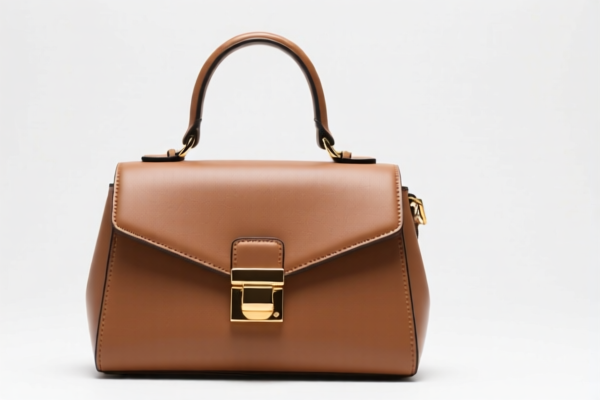
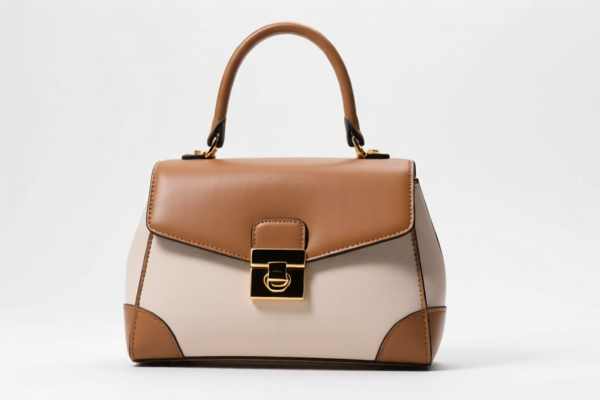
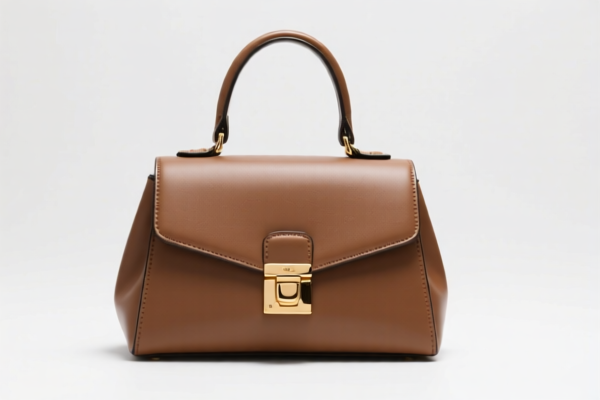
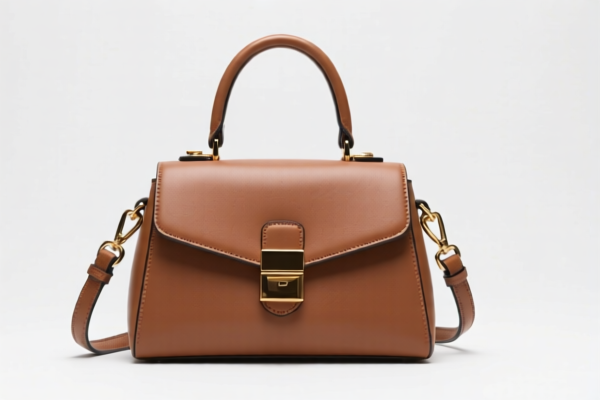
AI Analysis
👜 Handbags (Handbags and Similar Containers)
🌐 HS Code Reference & Customs Clearance Guide | 2026 Latest Tariff Analysis | Professional Clearance Strategy
📌 I. Product Definition & Classification: Do You Really Understand "Handbags"?
Handbags are not just fashion accessories; they are complex goods defined strictly by material composition in international trade. In the Harmonized System (HS), a "handbag" can fall into completely different chapters depending on whether it is woven, made of plastics, or textile-based. Misclassification leads to severe tariff discrepancies.
Key Material Categories for Handbags: 1. Woven Materials (Chapter 42/46): Made from straw, rattan, bamboo, or other vegetable plaiting materials. 2. Textile/Other Materials (Chapter 42): Made from woven fabrics, leather, or unspecified materials. 3. Plastic/Composite (Chapter 39): Made entirely of plastic or containing significant plastic components.
⚠️ Critical Distinction:
- If the bag is woven from vegetable materials (straw, rattan, bamboo) → It is classified under Chapter 46 (Work in straw, cattail, etc.) or Chapter 42 (if processed like leather goods), but not as general textiles.
- If the bag is made of plastic (e.g., PVC, PU bags) → It falls under Chapter 39 (Articles of plastics).
- If the bag is made of textile fabric (nylon, cotton) → It falls under Chapter 42 (Articles of leather or of plastic sheeting, or other materials).
📦 II. HS Code Classification Details (2026 Latest Tariff Authority Comparison)
Based on the provided dataset, here are the five specific HS codes for handbags, categorized by material:
| HS Code | Product Description | Material Type | Tax Detail Breakdown | Total Tax Rate |
|---|---|---|---|---|
4202.22.40.20 |
Woven handbag, material is woven material | Woven (General/Fiber) | Base: 7.4% Add-on: 25.0% Section 122: 10% |
42.4% |
4602.19.29.20 |
Woven handbag, material is vegetable material woven product | Vegetable (Straw/Rattan/etc.) | Base: 5.3% Add-on: 25.0% Section 122: 10% |
40.3% |
4602.11.21.00 |
Woven handbag, material is bamboo, rattan, etc. | Vegetable (Bamboo/Rattan Specific) | Base: 6.2% Add-on: 25.0% Section 122: 10% |
41.2% |
4202.22.89.80 |
Handbag or tote bag, material is textile or unspecified | Textile/Other | Base: 17.6% Add-on: 25.0% Section 122: 10% |
52.6% |
3926.90.33.00 |
Handbag, material is plastic or contains plastic components | Plastic | Base: 6.5% Add-on: 0.0% Section 122: 10% |
16.5% |
🔍 Key Insight:
- Plastic Handbags (3926.90.33.00) have the lowest tax burden (16.5%) because they are exempt from the 25% Add-on Tariff.
- Textile/Unspecified Handbags (4202.22.89.80) have the highest tax burden (52.6%) due to a high base rate (17.6%) plus the 25% Add-on.
- Woven Vegetable Handbags (4602.19.29.20/4602.11.21.00) sit in the middle (40-41%) due to lower base rates but still incur the 25% Add-on.
💰 III. 2026 Latest Tariff Rate Breakdown (Including Surcharges & Policy Add-ons)
✅ Applicable Country: United States (US)
✅ Origin: China (CN)
✅ Effective Date: From November 10, 2025 (and subsequent imports)
🎯 1. 4202.22.40.20 —— Woven Handbag (General Woven Material)
| Item | Content |
|---|---|
| Base Tariff | 7.4% (Ad Valorem) |
| Add-on Tariff | +25.0% (From USITC Footnote for Section 301) |
| Section 122 Tariff | +10.0% (Targeted surcharge for specific origin/materials) |
| Total Rate | 42.4% |
| Tax Calculation | CIF Value × 42.4% |
| De Minimis Exemption | ❌ Not Eligible (Deny De Minimis) |
| Legal Basis | Base: 4202.22.40.20 → Add-on: 25% → Sec 122: 10% |
📌 Explanation:
- The "Base 7.4%" is the standard MFN rate for woven bags not elsewhere specified.
- The "25% Add-on" is the standard Section 301 tariff on Chinese goods.
- The "10% Section 122" is a specific surcharge applicable to this category.
- Total Cost Impact: Very High. Must be factored into pricing strategy.
🎯 2. 4602.19.29.20 —— Woven Handbag (Vegetable Material, Other)
| Item | Content |
|---|---|
| Base Tariff | 5.3% |
| Add-on Tariff | +25.0% |
| Section 122 Tariff | +10.0% |
| Total Rate | 40.3% |
| Tax Calculation | CIF Value × 40.3% |
| De Minimis Exemption | ❌ Not Eligible |
| Legal Basis | Base: 4602.19.29.20 → Add-on: 25% → Sec 122: 10% |
📌 Note:
- This code covers woven bags made from straw, sisal, etc., that do not fit the specific "Bamboo/Rattan" subheading.
- Slightly cheaper than4202.22.40.20due to a lower base rate (5.3% vs 7.4%).
🎯 3. 4602.11.21.00 —— Woven Handbag (Bamboo/Rattan Specific)
| Item | Content |
|---|---|
| Base Tariff | 6.2% |
| Add-on Tariff | +25.0% |
| Section 122 Tariff | +10.0% |
| Total Rate | 41.2% |
| Tax Calculation | CIF Value × 41.2% |
| De Minimis Exemption | ❌ Not Eligible |
| Legal Basis | Base: 4602.11.21.00 → Add-on: 25% → Sec 122: 10% |
📌 Note:
- Specific to bamboo and rattan.
- Base rate (6.2%) is between the other two vegetable codes.
🎯 4. 4202.22.89.80 —— Handbag (Textile/Unspecified Material)
| Item | Content |
|---|---|
| Base Tariff | 17.6% |
| Add-on Tariff | +25.0% |
| Section 122 Tariff | +10.0% |
| Total Rate | 52.6% |
| Tax Calculation | CIF Value × 52.6% |
| De Minimis Exemption | ❌ Not Eligible |
| Legal Basis | Base: 4202.22.89.80 → Add-on: 25% → Sec 122: 10% |
📌 Warning:
- Highest Tax Rate!
- The high base rate (17.6%) combined with 25% + 10% makes this the most expensive category.
- Avoid this classification if possible by ensuring the material is not "unspecified textile."
🎯 5. 3926.90.33.00 —— Handbag (Plastic Material)
| Item | Content |
|---|---|
| Base Tariff | 6.5% |
| Add-on Tariff | +0.0% (Exempt) |
| Section 122 Tariff | +10.0% |
| Total Rate | 16.5% |
| Tax Calculation | CIF Value × 16.5% |
| De Minimis Exemption | ❌ Not Eligible |
| Legal Basis | Base: 3926.90.33.00 → Add-on: 0% → Sec 122: 10% |
📌 Strategic Advantage:
- Lowest Tax Rate!
- Key Benefit: Plastic handbags are exempt from the 25% Section 301 Add-on Tariff.
- Only the Base (6.5%) + Section 122 (10%) apply.
- Recommendation: If your product can be classified as plastic (e.g., PVC, TPU, solid plastic molds), this is the most cost-effective clearance route.
🛠️ IV. Customs Clearance Practical Advice (Avoid Pitfalls)
✅ 1. Preparation Checklist (Non-Negotiable)
| Document | Required | Purpose |
|---|---|---|
| ✅ Product Photos | ✔️ | Must clearly show material texture (e.g., weave pattern vs. smooth plastic). |
| ✅ Material Composition Statement | ✔️ | Specify % of plastic, textile, or natural fiber. Critical for HS Code selection. |
| ✅ Product Specification Sheet | ✔️ | Dimensions, handle type, lining material, closure type. |
| ✅ Commercial Invoice | ✔️ | Accurate description matching HS Code definition. |
| ✅ Packing List | ✔️ | Net/Gross weight, units per carton. |
| ✅ Third-Party Test Report | ✔️ | If claiming "Plastic," provide material analysis to prove non-textile/non-woven nature. |
✅ 2. Declaration Strategy (Key Mantra)
🔥 “Material Defines Code, Plastic Saves Tax!”
| Scenario | Correct Declaration | Wrong Approach | Consequence |
|---|---|---|---|
| Plastic Bag (e.g., PVC, PU coated) | 3926.90.33.00 |
Declare as "Handbag" generally | Risk of being reassigned to 4202 → +36% Tax Increase |
| Woven Straw Bag | 4602.19.29.20 or 4602.11.21.00 |
Declare as "Textile Bag" | Incorrect classification → Delay/Fine |
| Fabric Bag (Nylon/Cotton) | 4202.22.89.80 |
Try to force into plastic code | Rejection/Seizure |
| Mixed Material | Analyze dominant material | Ambiguous description | Customs discretion → Likely 4202 (High Tax) |
✅ 3. Special Situations
| Situation | Handling Advice |
|---|---|
| Plastic-Coated Fabric | If the outer surface is plastic, it may qualify for 3926.90.33.00. Provide material analysis proving plastic is the essential character. |
| Woven Bags with Plastic Lining | Still classified as woven (4602 or 4202). The lining does not change the outer material classification. |
| Bamboo vs. Rattan | Ensure accurate naming. 4602.11 is for Bamboo/Rattan specifically. Other vegetables go to 4602.19. |
| Samples vs. Bulk | Both are subject to full tariffs. No de minimis exemption for China-origin handbags. |
🌍 V. Global Market Comparison (2026)
| Country/Region | Recommended HS Code | Tariff (China Origin) | Key Certification | Notes |
|---|---|---|---|---|
| 🇺🇸 USA | 3926.90.33.00 (Plastic) |
16.5% | N/A | Lowest Tax due to Add-on Exemption |
| 🇺🇸 USA | 4202.22.89.80 (Textile) |
52.6% | N/A | Highest tax; avoid if possible |
| 🇺🇸 USA | 4602.19.29.20 (Woven) |
40.3% | N/A | Moderate tax |
| 🇨🇳 China | 3926.90.33.00 |
6.5% | N/A | No add-on taxes |
| 🇪🇺 EU | 4202.22 |
~4.5% | N/A | No Section 122 or 25% add-on |
| 🇬🇧 UK | 4202.22 |
~4.5% | N/A | Post-Brexit rates similar to EU |
📌 Conclusion:
- USA is the most challenging market due to Section 301 (25%) and Section 122 (10%) surcharges.
- Plastic Handbags are the only category with a 0% Add-on Tariff, making them significantly cheaper to clear in the US.
- Textile/General Handbags face a 52.6% total tax rate, severely impacting profitability.
📌 VI. Common Errors & Pitfalls (Blood Lessons)
❌ Error 1: Declaring a PVC plastic bag as a "Textile Handbag"
👉 Consequence: Tax jumps from 16.5% to 52.6% → Loss of $36 per $100 value!
❌ Error 2: Declaring a woven straw bag as "Plastic"
👉 Consequence: Customs inspection reveals natural fiber → Reclassification, Penalties, and Delay.
❌ Error 3: Using generic terms like "Handbag" without material specification
👉 Consequence: CBP (Customs and Border Protection) will assign the worst-case scenario (4202.22.89.80) → 52.6% Tax.
❌ Error 4: Assuming "De Minimis" applies
👉 Consequence: No de minimis for Chinese-origin goods under Section 122/301. Small shipments still pay full tax.
✅ Correct Practice:
"PVC Handbag, Solid Plastic, Water-Resistant, No Textile Lining, Model XYZ" → Use
3926.90.33.00
"Woven Straw Handbag, Natural Fiber, Braided, Model ABC" → Use4602.19.29.20
🎯 VII. Conclusion: Professional Classification, Cost Optimization!
🎯 Remember the Mantra:
🔹 “Plastic is King: 16.5% Tax”
🔹 “Woven is Middle: 40-41% Tax”
🔹 “Textile is Queen: 52.6% Tax (Avoid!)”
🔹 “No De Minimis, No Exemption, No Mercy!”
📌 Pro Tip:
If you are exporting Plastic Handbags (PVC, TPU, Rubber), ensure your product description explicitly states "100% Plastic" or "Plastic Outer Surface" to qualify for 3926.90.33.00. This can save you 36 percentage points in taxes compared to textile handbags.
For Woven Handbags, ensure the material is correctly identified as Bamboo/Rattan (4602.11) or Other Vegetable (4602.19) to avoid being misclassified as general textile (4202.22.89.80).
📣 Immediate Action:
📞 Contact your customs broker BEFORE shipment.
📸 Provide clear material photos.
📝 Request an Advance Ruling if unsure about material classification.
🚀 Clear Customs Efficiently, Save Costs, Maximize Profit!
✨ Professional Clearance Starts with Precise Classification!
💼 Every Percentage Point Counts in International Trade!
Customer Reviews
About HS Code Classification
The Harmonized System (HS) is an internationally standardized nomenclature developed by the World Customs Organization (WCO) to classify traded products. Over 200 countries use the HS system as the basis for customs tariffs, trade statistics, and import/export regulations.
Each HS code follows a hierarchical structure:
- Chapter (2 digits) — Broad category of goods (e.g., Chapter 84: Machinery and Mechanical Appliances)
- Heading (4 digits) — More specific grouping within the chapter
- Subheading (6 digits) — Internationally standardized breakdown, used by all WCO member countries
- National subdivisions (8-10 digits) — Country-specific extensions for further classification, such as US HTSUS 10-digit codes
Correct HS code classification is essential for smooth customs clearance, accurate duty payment, and compliance with trade regulations. Misclassification can lead to customs delays, overpayment of duties, or penalties.
When importing from CN to US, the applicable tariff rates may include:
- Most-Favored-Nation (MFN) rate — The standard duty rate applied to WTO members
- General rate — Applied to countries without trade agreements
- Trade remedy duties — Additional tariffs such as Section 301 (anti-dumping), Section 232 (national security), or countervailing duties
The information provided on this page is for reference purposes only. For official classification, please consult with your local customs authority or a licensed customs broker.