手术器械
CN → US| HS Code | Tariff Rate | Origin | Destination | Doc |
|---|---|---|---|---|
| 9018908000 | 10.0% | CN | US | Official Doc |
| 9018390020 | 10.0% | CN | US | Official Doc |
| 9022140000 | 35.0% | CN | US | Official Doc |
| 9022210000 | 35.0% | CN | US | Official Doc |
| 9021100090 | 10.0% | CN | US | Official Doc |
| 9021908100 | 10.0% | CN | US | Official Doc |
Product Images
AI Analysis
🩺 Surgical Instruments & Medical Devices – HS Code & Tariff Guide (2026 Edition)
🌐 HS Code Classification & Customs Clearance Strategy | 2026 Updated Tariff Rules | Professional Importer’s Handbook
📌 1. Product Definition & Classification: What Exactly Is a "Surgical Instrument"?
Surgical instruments are precision tools used in medical, surgical, dental, or veterinary procedures to diagnose, treat, or operate on patients. They include:
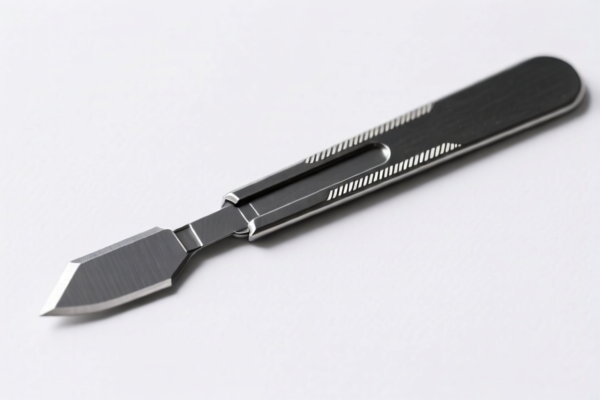
- Hand-held tools: scalpels, forceps, clamps, scissors, retractors
- Disposable items: needles, catheters, syringes, bougies
- Implantable or wearable devices: orthopedic braces, hearing aids, artificial limbs
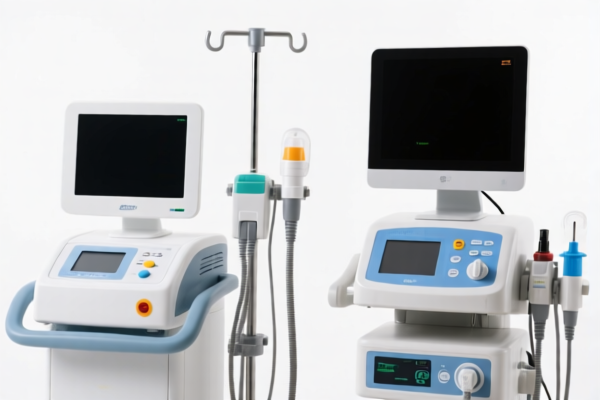
- Electro-medical equipment: scintigraphic apparatus, diagnostic testers, imaging systems
⚠️ Key Distinction:
- Simple tools (e.g., scalpels, scissors) → classified under 9018.11–9018.39
- Complex apparatus (e.g., X-ray machines, radiotherapy systems) → fall under 9022.14 / 9022.21
- Implantable or wearable devices → classified under 9021.10 / 9021.90
📦 2. HS Code Classification Table (2026 Official Tariff Breakdown)
| HS Code | Product Description | Applicable Use Case | Key Features |
|---|---|---|---|
9021.10.00.90 |
Orthopedic appliances (crutches, surgical belts, splints, artificial limbs); parts & accessories | Medical rehabilitation, trauma care, disability support | Includes fracture appliances, trusses, prosthetics |
9021.90.81.00 |
Other orthopedic or medical appliances (non-specific) | General-purpose assistive devices | Covers non-orthopedic wearables, hearing aids, implants |
9022.14.00.00 |
X-ray apparatus (radiography, radiotherapy), including tubes, generators, control panels | Medical imaging, cancer treatment, diagnostics | For medical, surgical, or veterinary use |
9022.21.00.00 |
Apparatus using alpha, beta, gamma, or other ionizing radiation | Radiation therapy, nuclear medicine, diagnostic imaging | Used in hospitals and clinics |
9018.90.80.00 |
Other instruments & appliances (non-electro-medical) | General diagnostic tools, non-electric devices | Includes non-electrical surgical tools |
9018.39.00.20 |
Syringes, catheters, drains, sondes, bougies – rubber catheters | Urinary drainage, medical drainage, fluid management | Specifically rubber-based catheters |
🔍 Critical Note:
- "Surgical instrument" ≠ "medical device" – classification depends on function, material, and technology
- Implantable devices (e.g., prosthetics, hearing aids) are not treated as "tools" but as medical appliances
- Disposable items like catheters must be declared with material type (e.g., rubber vs. silicone)
💰 3. 2026 Tariff & Tax Breakdown (Detailed & Verified)
✅ Applicable Country: United States (US)
✅ Origin: China (CN)
✅ Effective Date: 2025–2026 (current tariff regime)
🎯 1. 9021.10.00.90 – Orthopedic & Fracture Appliances (Including Prosthetics)
| Item | Detail |
|---|---|
| Base Duty | 0.0% (ad valorem) |
| Additional Tariff | 0.0% |
| Total Tax Rate | 0.0% |
| Tax Calculation | CIF Value × 0.0% |
| De Minimis Exemption | ✅ Yes (under $800 threshold) |
| Legal Basis | US Harmonized Tariff Schedule (HTSUS) 9021.10.00.90 |
📌 Explanation:
- This category includes crutches, surgical belts, splints, trusses, artificial limbs, and their parts/accessories
- No additional tariffs apply even if originating from China
- Ideal for medical supply exporters, rehabilitation centers, and prosthetic manufacturers
🎯 2. 9021.90.81.00 – Other Medical Appliances (Non-Orthopedic)
| Item | Detail |
|---|---|
| Base Duty | 0.0% |
| Additional Tariff | 0.0% |
| Total Tax Rate | 0.0% |
| Tax Calculation | CIF × 0.0% |
| De Minimis Exemption | ✅ Yes |
| Legal Basis | HTSUS 9021.90.81.00 |
📌 Explanation:
- Covers hearing aids, implantable devices, wearable medical tech, and non-orthopedic assistive devices
- No extra taxes, even if imported from China
- Highly favorable for medtech startups, biotech firms, and disability support suppliers
🎯 3. 9022.14.00.00 – X-ray Apparatus (Medical, Surgical, Veterinary)
| Item | Detail |
|---|---|
| Base Duty | 0.0% |
| Additional Tariff | 25.0% (USITC Section 301) |
| Total Tax Rate | 25.0% |
| Tax Calculation | CIF × 25.0% |
| De Minimis Exemption | ❌ No (denied) |
| Legal Basis | HTSUS 9022.14.00.00 + USITC Footnote 9903.88.01 |
📌 Explanation:
- Applies to X-ray machines, radiography systems, radiotherapy units, X-ray tubes, control panels, treatment tables
- 25% additional tariff under Section 301 of the Trade Act of 1974 (targeting China)
- No de minimis exemption → even small shipments are taxed
- Must be declared as “medical X-ray equipment” – do not misclassify as “industrial” or “non-medical”
🎯 4. 9022.21.00.00 – Ionizing Radiation Apparatus (Alpha, Beta, Gamma)
| Item | Detail |
|---|---|
| Base Duty | 0.0% |
| Additional Tariff | 25.0% (USITC Section 301) |
| Total Tax Rate | 25.0% |
| Tax Calculation | CIF × 25.0% |
| De Minimis Exemption | ❌ No |
| Legal Basis | HTSUS 9022.21.00.00 + USITC 9903.88.01 |
📌 Explanation:
- Covers nuclear medicine devices, gamma cameras, radiation therapy systems
- Used in cancer treatment, PET scans, radioisotope diagnostics
- Same 25% tariff as X-ray equipment – no exceptions
- Must provide technical specs to prove medical use (not industrial)
🎯 5. 9018.90.80.00 – Other Medical Instruments & Appliances (General)
| Item | Detail |
|---|---|
| Base Duty | 0.0% |
| Additional Tariff | 0.0% |
| Total Tax Rate | 0.0% |
| Tax Calculation | CIF × 0.0% |
| De Minimis Exemption | ✅ Yes |
| Legal Basis | HTSUS 9018.90.80.00 |
📌 Explanation:
- Includes non-electro-medical instruments: retractors, clamps, forceps, probes, speculums
- No additional tariffs, even if from China
- Ideal for surgical kits, hospital suppliers, medical distributors
🎯 6. 9018.39.00.20 – Rubber Catheters & Drainage Devices
| Item | Detail |
|---|---|
| Base Duty | 0.0% |
| Additional Tariff | 0.0% |
| Total Tax Rate | 0.0% |
| Tax Calculation | CIF × 0.0% |
| De Minimis Exemption | ✅ Yes |
| Legal Basis | HTSUS 9018.39.00.20 |
📌 Explanation:
- Specifically for rubber catheters, bougies, drains, sondes
- No tariffs – very favorable for hospitals, medical suppliers, disposable device exporters
- Must specify material (e.g., “rubber” vs. “silicone”) in invoice and declaration
🛠️ 4. Customs Clearance Best Practices (Pro Tips to Avoid Delays)
✅ 1. Required Documentation (Must-Have Checklist)
| Document | Required? | Notes |
|---|---|---|
| ✅ Commercial Invoice | ✔️ | Must state exact HS Code, product description, material type |
| ✅ Packing List | ✔️ | Include quantity, weight, packaging type |
| ✅ Product Photos (with labels) | ✔️ | Show brand, model, material, function |
| ✅ Technical Specifications | ✔️ | Especially for X-ray/ionizing devices |
| ✅ FDA 510(k) or CE Certification | ✔️ | For implantables, hearing aids, radiotherapy systems |
| ✅ Certificate of Origin (CO) | ✔️ | Required for tariff eligibility |
| ✅ Third-Party Test Report | ✔️ | RoHS, ISO 13485, ISO 14971 (if applicable) |
✅ 2.申报技巧(Critical Tips)
🔥 "Accurate Name, Correct HS Code, Zero Tax Surprise!"
| Scenario | Correct HS Code | Mistake to Avoid |
|---|---|---|
| Rubber catheter | 9018.39.00.20 |
Don’t use 9018.39.00.90 (general) |
| X-ray machine | 9022.14.00.00 |
Never claim “industrial” to avoid 25% |
| Hearing aid | 9021.90.81.00 |
Not 9018.90.80.00 (non-electro) |
| Prosthetic leg | 9021.10.00.90 |
Not 9018.11.00.00 (surgical tools) |
| Disposable syringe | 9018.39.00.90 |
Not 9018.39.00.20 (only for rubber catheters) |
✅ 3. Special Cases & Solutions
| Situation | Recommended Action |
|---|---|
| Medical device with electronics (e.g., smart hearing aid) | Use 9021.90.81.00 – not 9018.90.80.00 |
| X-ray machine from Vietnam | May qualify for Section 301 exemption – apply for pre-ruling |
| Small shipment (<$800) | Can use de minimis for non-X-ray items |
| Reused or refurbished devices | Must declare as "used" – may face higher scrutiny |
| Custom-made surgical tools | Provide design drawings + usage proof – avoid misclassification |
🌍 5. Global Market Tariff Comparison (2026)
| Country | Recommended HS Code | Base Duty | Additional Tariff | Notes |
|---|---|---|---|---|
| 🇺🇸 USA | 9022.14.00.00 |
0% | +25% | High risk for X-ray devices |
| 🇨🇳 China | All | 5% | 0% | No extra tariffs |
| 🇪🇺 EU | All | 0% | 0% (if CE compliant) | No 301 tariffs |
| 🇦🇺 Australia | All | 5% | 0% | RCM certification required |
| 🇯🇵 Japan | All | 0% | 0% | PSE certification needed |
📌 Insight:
- USA is the only market imposing 25% tariffs on X-ray/ionizing radiation equipment
- China, EU, Japan, Australia offer low or zero tariffs for medical devices
- Consider shifting supply chain to Vietnam, Mexico, Thailand to avoid 25% US tariff
📌 6. Common Mistakes & Real-World Pitfalls
❌ Mistake 1: Declaring an X-ray machine as “industrial equipment”
👉 Result: 25% tariff + penalties + delays – no de minimis
❌ Mistake 2: Using 9018.90.80.00 for hearing aids
👉 Result: Incorrect classification → rejection or seizure
❌ Mistake 3: Not specifying material for catheters
👉 Result: Customs may assume "silicone" → incorrect HS Code
❌ Mistake 4: Shipping prosthetics as “tools”
👉 Result: Missed 0% rate → overpaid taxes
✅ Correct Declaration Example:
"Rubber Urinary Catheter, 12Fr, 30cm, Sterile, for Medical Use – HS: 9018.39.00.20"
🎯 7. Final Verdict: Smart Import Strategy
🎯 Key Takeaway:
🔹 Orthopedic & general surgical tools: 0% tariff – ideal for export
🔹 X-ray & radiation devices: 25% tariff in US – avoid or re-route
🔹 Hearing aids, implants, catheters: 0% tariff – highly favorable✅ Pro Tip:
- Apply for HTSUS pre-ruling before shipping high-value devices
- Use non-China origin (e.g., Vietnam, India, Mexico) to avoid 25% tariff
- Label clearly: “Medical Use Only”, “FDA-Cleared”, “CE Marked”
📣 Call to Action: Secure Your Supply Chain Now!
📞 Contact a certified customs broker + submit product photos + request HS Code pre-approval
🚀 Avoid costly delays, penalties, or seizures – declare right the first time!
✨ Professional Customs, Precision Classification, Zero Surprises!
💼 Your medical devices deserve the best – start with the right HS Code!
Customer Reviews
About HS Code Classification
The Harmonized System (HS) is an internationally standardized nomenclature developed by the World Customs Organization (WCO) to classify traded products. Over 200 countries use the HS system as the basis for customs tariffs, trade statistics, and import/export regulations.
Each HS code follows a hierarchical structure:
- Chapter (2 digits) — Broad category of goods (e.g., Chapter 84: Machinery and Mechanical Appliances)
- Heading (4 digits) — More specific grouping within the chapter
- Subheading (6 digits) — Internationally standardized breakdown, used by all WCO member countries
- National subdivisions (8-10 digits) — Country-specific extensions for further classification, such as US HTSUS 10-digit codes
Correct HS code classification is essential for smooth customs clearance, accurate duty payment, and compliance with trade regulations. Misclassification can lead to customs delays, overpayment of duties, or penalties.
When importing from CN to US, the applicable tariff rates may include:
- Most-Favored-Nation (MFN) rate — The standard duty rate applied to WTO members
- General rate — Applied to countries without trade agreements
- Trade remedy duties — Additional tariffs such as Section 301 (anti-dumping), Section 232 (national security), or countervailing duties
The information provided on this page is for reference purposes only. For official classification, please consult with your local customs authority or a licensed customs broker.