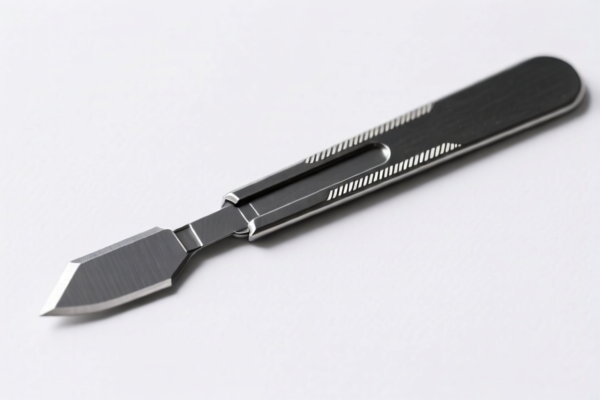
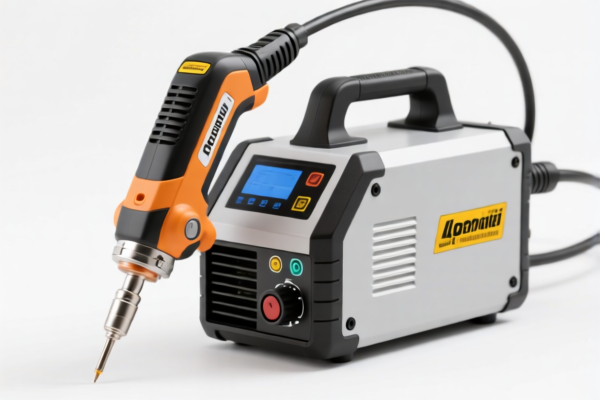
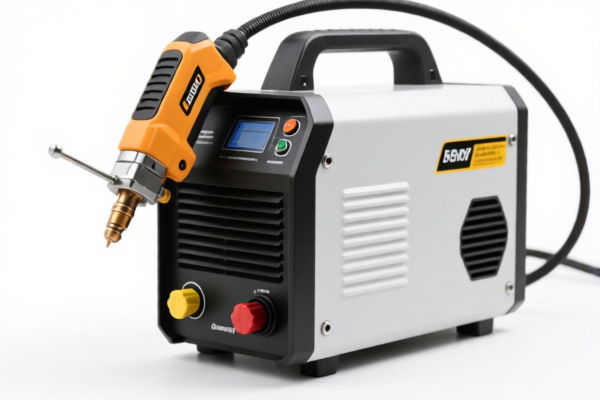
手术激光刀
CN → US| HS Code | Tariff Rate | Origin | Destination | Doc |
|---|---|---|---|---|
| 9018907560 | 10.0% | CN | US | Official Doc |
| 9018906000 | 35.0% | CN | US | Official Doc |
| 8456111010 | 38.5% | CN | US | Official Doc |
| 9018906000 | 35.0% | CN | US | Official Doc |
| 9018908000 | 10.0% | CN | US | Official Doc |
Product Images
AI Analysis
🔬 Surgical Laser Scalpel | HS Code & Tariff Guide 2026 | Expert Customs Clearance Strategy
🌐 HS Code Classification & Duty Breakdown | 2026 Updated Tariff Rules | Must-Know for Exporters & Importers
✅ Product Name: Surgical Laser Scalpel
✅ Target Market: United States (US)
✅ Applicable Tariff Regime: U.S. Harmonized Tariff Schedule (HTSUS), including Section 301, IEEPA, and 122 Clause
✅ Effective Date: November 10, 2025 (as per current policy updates)
📌 One: Product Definition & Classification Logic – What Is a Surgical Laser Scalpel?
A surgical laser scalpel is a precision medical device that uses focused laser energy to cut or ablate tissue during surgical procedures. It is not a general-purpose laser tool — it is specifically designed for medical, surgical, and therapeutic applications.
🔍 Key Functional Traits:
- Primary Use: Cutting, vaporizing, or coagulating biological tissue in surgery
- Technology: High-energy laser beam delivered via fiber-optic probe or handpiece
- Integration: Often part of a larger electro-surgical system (e.g., with control console, foot pedal, cooling system)
- Regulatory Status: Classified as a medical device under FDA (510(k) or PMA), CE, and other global standards
⚠️ Critical Distinction:
- If used exclusively in medical/surgical contexts → Medical Device HS Codes apply
- If used for industrial laser cutting (e.g., metal, plastic) → Industrial Machine HS Codes apply
- Misclassification can lead to duty miscalculation, penalties, or seizure
📦 Two: HS Code Classification Matrix (2026 Updated)
| HS Code | Product Description | Classification Reason | Tax Rate | Key Risk Area |
|---|---|---|---|---|
9018.90.75.60 |
Other instruments and apparatus for medical, surgical, dental or veterinary purposes | ✅ Medical/surgical use confirmed; laser scalpel is a therapeutic instrument | 10.0% | Low risk if properly declared |
9018.90.60.00 |
Instruments and apparatus for electro-surgery (e.g., electrosurgical units, lasers) | ✅ Laser scalpel is a form of electrosurgical device; used for tissue cutting via energy | 35.0% | High risk due to 25% + 10%附加 |
8456.11.10.10 |
Laser processing machines (e.g., for metal, plastic) | ❌ Only if intended for industrial manufacturing; not applicable if used in surgery | 38.5% | High risk of misclassification |
9018.90.80.00 |
Other instruments and apparatus for medical/surgical use (general category) | ✅ Catch-all for surgical lasers not covered by more specific subheadings | 10.0% | Safe fallback if no better fit |
📌 Note: Multiple HS codes are listed because the same product may be classified differently depending on its intended use, design, and documentation.
💰 Three: 2026 Tariff Breakdown – Detailed Tax Explanation (US Market)
✅ Applicable to goods originating from China (CN)
✅ Effective from November 10, 2025
✅ All tariffs apply on CIF value (Cost + Insurance + Freight)
🎯 1. 9018.90.75.60 — Surgical Laser Scalpel (Medical Use)
| Item | Detail |
|---|---|
| Base Tariff | 0.0% |
| Section 301 (USITC) Additional Duty | 0.0% |
| IEEPA (International Emergency Economic Powers Act) 122 Clause | 10.0% |
| Total Effective Duty | 10.0% |
| Tax Calculation | CIF × 10% |
| De Minimis Threshold | ✅ Yes (10% de minimis applies — $800 threshold for personal imports) |
| Legal Basis Path | IEEPA:9903.01.25 → 122 Clause:9903.01.24 → HTSUS:9018.90.75.60 |
📌 Why This Rate Applies:
- The device is clearly intended for medical/surgical use
- It falls under "instruments for medical purposes" (9018.90.75.60)
- No Section 301 or IEEPA base duties apply because it’s not a general-purpose machine
- Only 10% IEEPA 122 Clause tariff applies — lowest possible rate
🎯 2. 9018.90.60.00 — Instruments for Electro-Surgery (Laser-Based)
| Item | Detail |
|---|---|
| Base Tariff | 0.0% |
| Section 301 (USITC) Additional Duty | 25.0% |
| IEEPA (122 Clause) Additional Duty | 10.0% |
| Total Effective Duty | 35.0% |
| Tax Calculation | CIF × 35% |
| De Minimis Threshold | ❌ No (due to 25% Section 301 duty — exceeds de minimis) |
| Legal Basis Path | IEEPA:9903.01.25 → USITC:9018.90.60.00 → FOOTNOTE:9903.88.01 |
📌 Why This Rate Applies:
- The laser scalpel is classified as an electrosurgical instrument
- Section 301 (USITC) imposes 25% additional tariff on Chinese-origin goods in this category
- IEEPA 122 Clause adds 10% for China/HK products
- Total: 35% — one of the highest tariffs for medical devices
- No de minimis relief — even small shipments face full duty
🎯 3. 8456.11.10.10 — Laser Processing Machines (Industrial Use)
| Item | Detail |
|---|---|
| Base Tariff | 3.5% |
| Section 301 (USITC) Additional Duty | 25.0% |
| IEEPA (122 Clause) Additional Duty | 10.0% |
| Total Effective Duty | 38.5% |
| Tax Calculation | CIF × 38.5% |
| De Minimis Threshold | ❌ No |
| Legal Basis Path | IEEPA:9903.01.25 → USITC:8456.11.10.10 → FOOTNOTE:9903.88.01 |
📌 Why This Rate Applies:
- Only applies if the product is marketed and used for industrial laser cutting (e.g., metal, plastic, textiles)
- If any medical/surgical labeling, packaging, or documentation exists → invalid
- Highest possible tariff — 38.5%
- No de minimis — even small orders are fully taxed
🎯 4. 9018.90.80.00 — Other Surgical Instruments (General Medical Use)
| Item | Detail |
|---|---|
| Base Tariff | 0.0% |
| Section 301 (USITC) Additional Duty | 0.0% |
| IEEPA (122 Clause) Additional Duty | 10.0% |
| Total Effective Duty | 10.0% |
| Tax Calculation | CIF × 10% |
| De Minimis Threshold | ✅ Yes |
| Legal Basis Path | IEEPA:9903.01.25 → 122 Clause:9903.01.24 → HTSUS:9018.90.80.00 |
📌 Why This Rate Applies:
- Used when the product doesn’t fit into more specific subheadings
- Safe fallback if you cannot prove it’s “electrosurgical” or “laser processing”
- Only 10% duty, same as9018.90.75.60
- De minimis applies — good for small shipments
🛠️ Four: Customs Clearance Best Practices (Pro Tips to Avoid Penalties)
✅ 1. Essential Documentation Checklist
| Document | Required? | Purpose |
|---|---|---|
| ✅ Product Technical Manual | ✔️ | Prove intended medical/surgical use |
| ✅ FDA 510(k) or CE Certificate | ✔️ | Confirm medical device status |
| ✅ Labeling & Packaging | ✔️ | Show “For Medical Use”, “Surgical Laser”, “Not for Industrial Use” |
| ✅ Marketing Materials | ✔️ | Include surgical use cases, doctor endorsements |
| ✅ Commercial Invoice | ✔️ | Clearly state “Surgical Laser Scalpel, Medical Use” |
| ✅ Certificate of Origin (CO) | ✔️ | Needed for tariff eligibility |
| ✅ Test Reports (e.g., Biocompatibility, Laser Safety) | ✔️ | Support medical classification |
✅ 2.申报技巧(申报口诀)
🔥 “用途定税,标签定命,医疗不拆,工业不混!”
| Scenario | Correct HS Code | Wrong Approach |
|---|---|---|
| Laser scalpel used in hospital OR in surgical training | 9018.90.75.60 or 9018.90.80.00 |
Misclassify as 8456.11.10.10 → 38.5% duty |
| Device labeled “For Electrosurgery” | 9018.90.60.00 |
Declare as general medical → 35% vs 10% |
| Product has no medical labeling, only technical specs | 8456.11.10.10 |
Risk of 38.5% if later found to be medical |
| Small shipment (<$800) | Use 9018.90.75.60 or 9018.90.80.00 |
Avoid 9018.90.60.00 (no de minimis) |
✅ 3. Special Cases & Risk Mitigation
| Situation | Recommended Action |
|---|---|
| OEM/White Label Product | Provide customer contract + design specs to prove intended use |
| Dual-Use Device (Medical + Industrial) | Cannot be split — must declare primary intended use |
| Used or Refurbished Scalpel | Must be declared as “Used Medical Device” — may face higher scrutiny |
| Export from Vietnam/Mexico/Thailand | Apply for IEEPA exemption — duty may drop to 0% |
| Need to avoid 35% tariff | Use 9018.90.75.60 or 9018.90.80.00 with strong medical evidence |
🌍 Five: Global Market Comparison (2026)
| Country | Recommended HS Code | Base Duty | Additional Taxes | Notes |
|---|---|---|---|---|
| 🇺🇸 United States | 9018.90.75.60 or 9018.90.80.00 |
0% | 10% (IEEPA 122) | De minimis applies |
| 🇨🇳 China | 9018.90.75.60 |
5% | 0% | No Section 301 |
| 🇪🇺 European Union | 9018.90.75.60 |
0% | 0% | CE certification required |
| 🇦🇺 Australia | 9018.90.75.60 |
5% | 0% | RCM certification |
| 🇯🇵 Japan | 9018.90.75.60 |
0% | 0% | PSE certification |
📌 Insight:
- Only the U.S. imposes high附加 tariffs on medical devices from China
- Vietnam/Mexico/Thailand origin can avoid 35% tariff via IEEPA exemption
📌 Six: Common Mistakes & Real-World Risks (Avoid These!)
❌ Mistake 1: Declaring a medical laser scalpel as 8456.11.10.10 (industrial machine)
👉 Result: 38.5% duty + penalties for misclassification + delayed clearance
❌ Mistake 2: Using 9018.90.60.00 for small shipments
👉 Result: No de minimis → full 35% duty on $500 shipment → $175 tax
❌ Mistake 3: No medical labeling or documentation
👉 Result: Customs may reclassify as industrial → 38.5% duty
❌ Mistake 4: Using generic name “Laser Tool” or “Laser Cutter”
👉 Result: Misunderstood as industrial → higher tariff
✅ Correct Labeling Example:
"Surgical Laser Scalpel, 10W CO₂ Laser, for Soft Tissue Cutting, FDA 510(k) Cleared, For Medical Use Only"
🎯 Seven: Final Verdict – How to Minimize Tariff Risk
✅ Best Strategy:
- Use9018.90.75.60or9018.90.80.00
- Prove medical/surgical use with documentation
- Avoid9018.90.60.00unless absolutely necessary
- Never use8456.11.10.10unless truly industrial✅ Bonus Tip:
- Apply for an Advance Ruling (Pre-Clearance) with U.S. Customs (CBP)
- Get a formal HS Code determination before shipment → zero risk
📣 Call to Action: Secure Your Shipment Today!
📞 Contact a U.S. Customs Broker + Submit:
- Product photos
- Technical specs
- FDA/CE certificates
- Labeling samples
- Commercial invoice🚀 Get your HS Code pre-approved — avoid delays, penalties, and 35%+ duty surprises!
✨ Professional Customs Clearance Starts with Accurate Classification!
💼 Your Profit Margin Depends on the Right HS Code. Choose Wisely.
Customer Reviews
About HS Code Classification
The Harmonized System (HS) is an internationally standardized nomenclature developed by the World Customs Organization (WCO) to classify traded products. Over 200 countries use the HS system as the basis for customs tariffs, trade statistics, and import/export regulations.
Each HS code follows a hierarchical structure:
- Chapter (2 digits) — Broad category of goods (e.g., Chapter 84: Machinery and Mechanical Appliances)
- Heading (4 digits) — More specific grouping within the chapter
- Subheading (6 digits) — Internationally standardized breakdown, used by all WCO member countries
- National subdivisions (8-10 digits) — Country-specific extensions for further classification, such as US HTSUS 10-digit codes
Correct HS code classification is essential for smooth customs clearance, accurate duty payment, and compliance with trade regulations. Misclassification can lead to customs delays, overpayment of duties, or penalties.
When importing from CN to US, the applicable tariff rates may include:
- Most-Favored-Nation (MFN) rate — The standard duty rate applied to WTO members
- General rate — Applied to countries without trade agreements
- Trade remedy duties — Additional tariffs such as Section 301 (anti-dumping), Section 232 (national security), or countervailing duties
The information provided on this page is for reference purposes only. For official classification, please consult with your local customs authority or a licensed customs broker.