手机支架
CN → US| HS Code | Tariff Rate | Origin | Destination | Doc |
|---|---|---|---|---|
| 3926902500 | 24.0% | CN | US | Official Doc |
| 3926909989 | 22.8% | CN | US | Official Doc |
| 7326908688 | 87.9% | CN | US | Official Doc |
| 7326200090 | 88.9% | CN | US | Official Doc |
| 8529909800 | 35.0% | CN | US | Official Doc |
| 8529907700 | 35.0% | CN | US | Official Doc |
Product Images
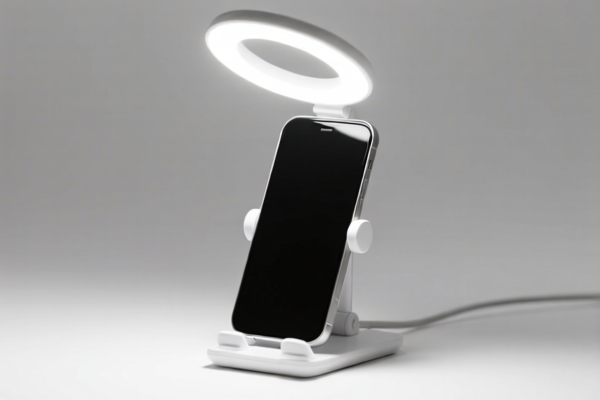

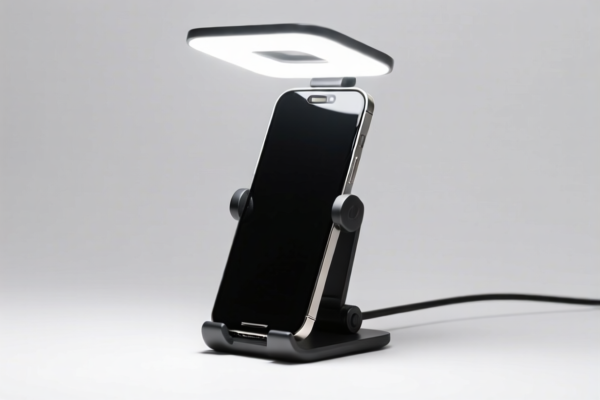
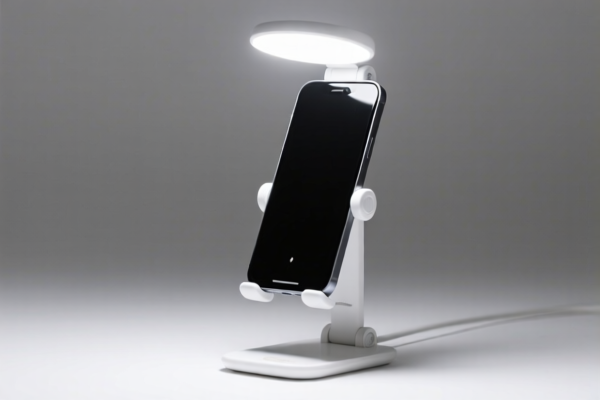
AI Analysis
📱 Phone Holders/Stands (手机支架)
🌐 HS Code Reference & Customs Clearance Guide | 2026 Latest Tariff Analysis | Professional通关 Strategy
📌 I. Product Definition & Classification: What Exactly is a "Phone Holder"?
A phone holder is a peripheral device designed to secure and position smartphones for hands-free use. In international trade, its classification depends heavily on the material composition and the functional intent (general accessory vs. electronic component).
1. Plastic/Mixed Material Holders: Often classified as general plastic articles or electronics accessories. 2. Metal (Steel/Iron) Holders: Classified under metal articles, subject to higher punitive tariffs due to trade restrictions. 3. Electronic Component Holders: If considered part of an electronic device’s assembly, classified as parts.
⚠️ Key Distinction Point:
- If made of Plastic: Usually falls under "Other articles of plastic" (Chapter 39). - If made of Steel/Iron: Falls under "Other articles of iron/steel" (Chapter 73). - If marketed as an Accessory to Electronic Apparatus: May fall under "Parts of electronic equipment" (Chapter 85).
📦 II. HS Code Classification Details (2026 Latest Tariff Authority Mapping)
| HS Code | Product Description | Material Focus | Classification Logic |
|---|---|---|---|
3926.90.25.00 |
Plastic Phone Holder | Plastic | Classified as "Other plastic articles" (Catch-all category for plastics). |
3926.90.99.89 |
Plastic/Metal Phone Holder | Mixed/Plastic-dominant | Classified as "Other plastic articles" (Catch-all, if plastic is primary or undefined). |
8529.90.98.00 |
Metal/Plastic Phone Holder | Mixed/Metal | Classified as "Parts of electronic equipment" (Specific functional accessory). |
8529.90.77.00 |
Metal/Plastic Phone Holder | Mixed/Metal | Classified as "Other parts/components" (Functional accessory). |
7326.90.86.88 |
Steel/Iron Phone Holder | Steel/Iron | Classified as "Other articles of iron or steel." |
7326.20.00.90 |
Steel/Iron Phone Holder | Steel/Iron | Classified as "Other articles of iron or steel" (Catch-all for metalware). |
🔍 Key Insight:
- Plastic holders enjoy the lowest base tariffs (0-6.5%) but face significant "Section 301" and "122" add-ons. - Metal (Steel/Iron) holders face the highest total tax burden (up to 88.9%) due to aggressive anti-dumping and Section 301 duties on steel products. - Electronic Parts (8529) offer a middle ground: Base duty is 0%, but the 35% total rate includes significant add-ons.
💰 III. 2026 Latest Tariff Rate Breakdown (Detailed Tax Clauses)
✅ Applicable Country: United States (US)
✅ Origin: China (CN)
✅ Effective Time: Current Trade War Regulations (Section 301 & 122)
🎯 1. Plastic-Based Holders (Lowest Base, Moderate Add-ons)
A. 3926.90.25.00 (Pure Plastic)
| Item | Detail |
|---|---|
| Base Duty | 6.5% |
| Section 301 Add-on | 7.5% (Additional tariff) |
| Section 122 Add-on | 10% (Retaliatory tariff) |
| Total Tax Rate | 24.0% |
| Calculation | CIF Value × 24% |
| De Minimis Exemption | ❌ NO (Section 301 goods are excluded from de minimis relief) |
B. 3926.90.99.89 (Plastic/Mixed)
| Item | Detail |
|---|---|
| Base Duty | 5.3% |
| Section 301 Add-on | 7.5% |
| Section 122 Add-on | 10% |
| Total Tax Rate | 22.8% |
| Calculation | CIF Value × 22.8% |
| De Minimis Exemption | ❌ NO |
📌 Explanation:
- The 7.5% comes from the USITC Footnote for Section 301 List 4B/Exclusions. - The 10% is a specific retaliatory tariff (often associated with Section 122 or specific trade agreements). - Total ~23-24% is manageable compared to metal, but still significant for low-margin plastic goods.
🎯 2. Electronic Parts Classification (Metal/Plastic Mix)
C. 8529.90.98.00 & 8529.90.77.00 (Parts of Electronic Apparatus)
| Item | Detail |
|---|---|
| Base Duty | 0.0% |
| Section 301 Add-on | 25.0% |
| Section 122 Add-on | 10% |
| Total Tax Rate | 35.0% |
| Calculation | CIF Value × 35% |
| De Minimis Exemption | ❌ NO |
📌 Explanation:
- Although the Base Duty is 0%, the 35% total is higher than plastic. - This classification assumes the holder is integral to the electronic device’s function. - Risk: If customs deems it a "general accessory" rather than an "electronic part," they may revert to Chapter 39 or 73.
🎯 3. Metal (Steel/Iron) Holders (HIGHEST BURDEN)
D. 7326.90.86.88 (Steel/Iron Articles)
| Item | Detail |
|---|---|
| Base Duty | 2.9% |
| Section 301 Add-on | 25.0% |
| Section 122 Add-on | 10% |
| Steel/Aluminum/Copper Surcharge | 50% (Specific punitive tariff on steel products) |
| Total Tax Rate | 87.9% |
| Calculation | CIF Value × 87.9% |
| De Minimis Exemption | ❌ NO |
E. 7326.20.00.90 (Other Steel Articles)
| Item | Detail |
|---|---|
| Base Duty | 3.9% |
| Section 301 Add-on | 25.0% |
| Section 122 Add-on | 10% |
| Steel/Aluminum/Copper Surcharge | 50% |
| Total Tax Rate | 88.9% |
| Calculation | CIF Value × 88.9% |
| De Minimis Exemption | ❌ NO |
📌 Critical Warning:
- The 50% surcharge is the killer. This is applied specifically to Steel, Aluminum, and Copper products under current trade enforcement. - Total rate ~88-89% makes importing steel phone holders from China to the US economically unviable unless margin is extremely high. - Legal Path:IEEPA:9903.88.01→USITC:7326.90.86.88→FOOTNOTE:Steel_Surcharge_50%.
🛠️ IV. Customs Clearance Practical Advice (Avoid Pitfalls)
✅ 1. Documentation Checklist (Non-Negotiable)
| Document | Required | Reason |
|---|---|---|
| ✅ Product Photos | ✔️ | Must clearly show material (plastic vs. metal) and structure. |
| ✅ Bill of Materials (BOM) | ✔️ | Critical for customs to determine the "Essential Character" (Plastic vs. Metal). |
| ✅ Commercial Invoice | ✔️ | Must specify "Phone Holder" and material composition (e.g., "ABS Plastic Holder"). |
| ✅ HS Code Ruling (if available) | ✔️ | Pre-classification ruling helps avoid disputes. |
| ✅ Packing List | ✔️ | Consistent with invoice; no hidden metal parts. |
✅ 2. Classification Strategy & Tips
🔥 "Material is King: Plastic Wins, Steel Dies!"
| Scenario | Recommended HS Code | Risk Level |
|---|---|---|
| 100% Plastic Holder | 3926.90.99.89 or 3926.90.25.00 |
🟢 Low (22.8-24% tax) |
| Mixed Plastic/Metal Holder | 3926.90.99.89 (Argue plastic dominance) |
🟡 Medium (Risk of reclassification to metal) |
| Holder as Electronic Accessory | 8529.90.98.00 |
🟡 Medium (35% tax, requires proof of function) |
| 100% Steel/Iron Holder | 7326.90.86.88 or 7326.20.00.90 |
🔴 High (87.9-88.9% tax) |
📌 Strategic Advice:
- Avoid Steel: Unless you are a high-end brand with massive margins, do not import steel holders from China to the US. The 50% steel surcharge is brutal. - Optimize Plastic: Use3926.90.99.89if the holder has minor metal components (like a hinge) but is primarily plastic. Argue that plastic provides the "essential character." - Electronic Parts Claim: Only use8529if the holder is tightly integrated with electronic functionality (e.g., wireless charging base). A simple stand is usually not an "electronic part."
✅ 3. Special Case Handling
| Situation | Handling Suggestion |
|---|---|
| OEM Custom Holder | Provide design specs to prove material composition. If it's plastic-painted metal, argue for plastic classification if possible. |
| Holder with Rubber Grips | Still classified under plastic/metal. Rubber is negligible. |
| Wireless Charging Stand | If it has electronics, try 8529.90.98.00 (35%) instead of 7326 (88%). Ensure circuitry is declared. |
| Set with Phone Case | Declare separately. Do not bundle high-tax metal holders with low-tax items to confuse customs. |
🌍 V. Global Market Comparison (2026 Latest)
| Country/Region | Recommended HS Code | Est. Tax Rate | Notes |
|---|---|---|---|
| 🇺🇸 USA | 3926.90.99.89 (Plastic) |
22.8% | Steel faces ~88% tax. Plastic is preferred. |
| 🇨🇳 China | 3926.90.99.89 |
5-6% | Low import duty for plastic. |
| 🇪🇺 EU | 3926.90.97 (Plastic) |
0-4% | No Section 301. Low tariffs on plastic. |
| 🇬🇧 UK | 3926.90.99 |
0-4% | Post-Brexit tariffs similar to EU. |
| 🇨🇦 Canada | 3926.90.99 |
0-5% | No punitive tariffs. |
📌 Conclusion:
- USA is the ONLY major market with punitive tariffs on these goods. - Plastic is the safest material for US export. - Steel is prohibitively expensive for US export due to the 50% surcharge.
📌 VI. Common Mistakes & Pitfalls (Lessons Learned)
❌ Mistake 1: Importing Steel Holders as "Plastic"
👉 Result: Customs inspection reveals metal → Reclassification to 7326 → 87.9% Tax + Penalties + Seizure Risk.
❌ Mistake 2: Classifying Plastic Holder as "Electronic Part" (8529)
👉 Result: Higher tax (35%) than necessary (24%). Avoid unless it has active electronics.
❌ Mistake 3: Ignoring Section 122 & 301 Add-ons
👉 Result: Budgeting based on base duty only (e.g., 5.3%) → Profit Margin Erasure.
❌ Mistake 4: Not Specifying Material in Invoice
👉 Result: Customs assigns default higher rate. Always state "ABS Plastic" or "Stainless Steel".
✅ Correct Declaration Example:
"Phone Holder, Model X, Made of ABS Plastic, Non-Electronic, For Personal Use, HS 3926.90.99.89"
🎯 VII. Conclusion: Smart Classification Saves Money!
🎯 Key Takeaways:
🔹 "Plastic is King in the US: 23% vs 88% for Steel!"
🔹 "No De Minimis: All these goods are taxed, even under $800."
🔹 "Steel Surcharge 50% is Real: Avoid steel imports from China to US."
📌 Pro Tip:
If your product has both plastic and metal parts, ensure plastic constitutes the majority by volume/value to justify classification under 3926.90.99.89. Provide a material breakdown in your commercial invoice.
📣 Immediate Action:
📞 Consult a Customs Broker: For mixed-material products, get a Pre-Ruling.
🚀 Switch Materials: If currently using steel, switch to Plastic or Aluminum (if aluminum has lower surcharges, check current list) to save 60%+ in duties.
💼 Your Bottom Line Depends on HS Code!
✨ Professional Clearance, Precision Classification, Maximized Profit!
💼 Don't let 88% duty eat your margin!
Customer Reviews
About HS Code Classification
The Harmonized System (HS) is an internationally standardized nomenclature developed by the World Customs Organization (WCO) to classify traded products. Over 200 countries use the HS system as the basis for customs tariffs, trade statistics, and import/export regulations.
Each HS code follows a hierarchical structure:
- Chapter (2 digits) — Broad category of goods (e.g., Chapter 84: Machinery and Mechanical Appliances)
- Heading (4 digits) — More specific grouping within the chapter
- Subheading (6 digits) — Internationally standardized breakdown, used by all WCO member countries
- National subdivisions (8-10 digits) — Country-specific extensions for further classification, such as US HTSUS 10-digit codes
Correct HS code classification is essential for smooth customs clearance, accurate duty payment, and compliance with trade regulations. Misclassification can lead to customs delays, overpayment of duties, or penalties.
When importing from CN to US, the applicable tariff rates may include:
- Most-Favored-Nation (MFN) rate — The standard duty rate applied to WTO members
- General rate — Applied to countries without trade agreements
- Trade remedy duties — Additional tariffs such as Section 301 (anti-dumping), Section 232 (national security), or countervailing duties
The information provided on this page is for reference purposes only. For official classification, please consult with your local customs authority or a licensed customs broker.