手袋框架
CN → US| HS Code | Tariff Rate | Origin | Destination | Doc |
|---|---|---|---|---|
| 3926903300 | 16.5% | CN | US | Official Doc |
| 3926909989 | 22.8% | CN | US | Official Doc |
| 8302496085 | 90.7% | CN | US | Official Doc |
| 8302498090 | 38.5% | CN | US | Official Doc |
| 8308909000 | 37.7% | CN | US | Official Doc |
| 8308906000 | 13.9% | CN | US | Official Doc |
Product Images

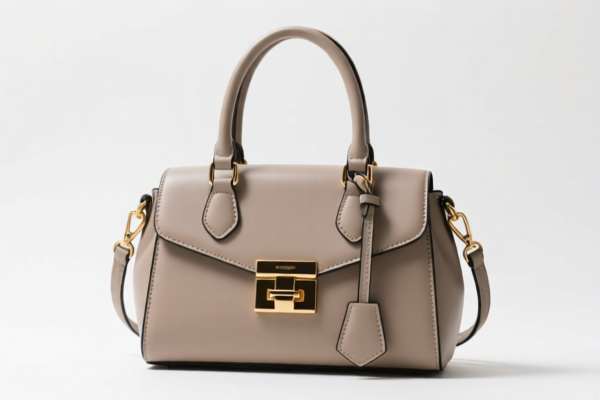
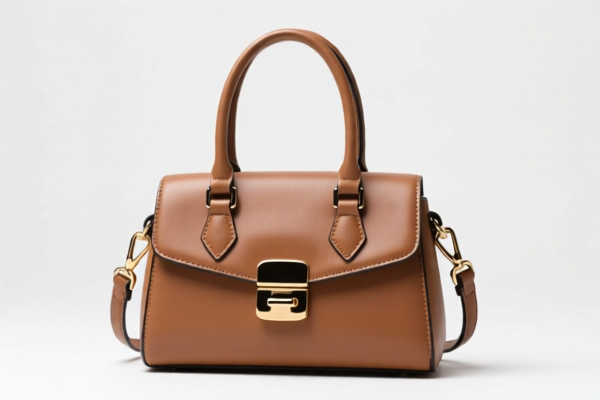
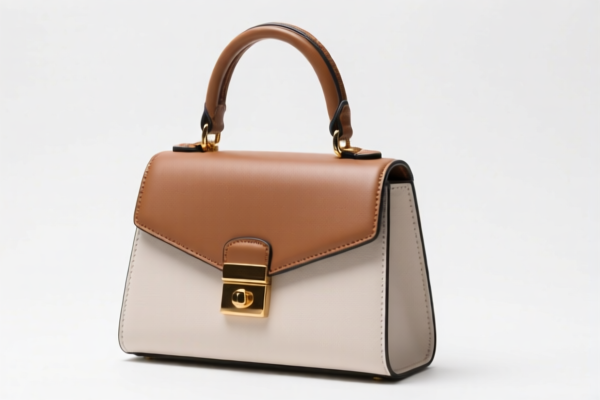
AI Analysis
👜 Handbag Frames (Hardware & Structural Components)
🌐 HS Code Reference & Customs Clearance Guide | 2026 Latest Tariff Analysis | Professional Entry Strategy
📌 I. Product Definition & Classification: What Exactly is a "Handbag Frame"?
A Handbag Frame (often referred to as a clasp frame, turtle frame, or press-stud frame) is a critical structural component of women's handbags, wallets, and leather goods. It serves three main purposes: 1. Structure: Maintains the shape of the bag. 2. Security: Acts as the primary closure mechanism (often using magnets or snap buttons). 3. Aesthetics: Provides a premium metal or plastic finish.
In international trade, classification depends heavily on material composition and functional intent. Customs authorities scrutinize these items to distinguish between "general metal accessories" and "specific plastic components."
⚠️ Key Distinction Point:
- If the frame is primarily metal (steel, aluminum, copper alloys) and functions as a clasp/fastener → Likely Chapter 83.
- If the frame is primarily plastic or a composite acting as a handle/knob → Likely Chapter 39.
- Crucial Risk: Metal frames are subject to significantly higher "Section 301" (25%) and "Section 122" (10%) tariffs in the US market compared to plastic counterparts.
📦 II. HS Code Classification Details (2026 Latest Tariff Authority Comparison)
Based on the provided data, here are the five potential HS Codes and their logical justification:
| HS Code | Product Description | Material/Feature | Classification Logic |
|---|---|---|---|
8308.90.60.00 |
Metal Frames / Clasps for Bags | Metal (Steel/Alloy) | Directly classified under "Mountings, fittings and similar fittings... of base metal" specifically for bags/travel goods. |
3926.30.10.00 |
Plastic Handles & Knobs | Plastic | Classified as "Other articles of plastics," specifically handles/knobs if shaped like a grip. |
3926.90.33.00 |
Other Plastic Articles for Bags | Plastic | A "fallback" category for plastic bag parts not explicitly listed as handles. Often used for composite or complex plastic frames. |
8302.49.60.85 |
Base Metal Accessories | Metal (Steel/Aluminum/Copper) | Classified under general "Base metal accessories" (hinges, catches, etc.). High risk due to specific metal surcharges. |
3926.90.99.89 |
Other Plastic Articles | Plastic/Metal Hybrid | A broad "catch-all" for plastic articles. If the plastic content dominates or it's a mixed-material frame deemed plastic for customs purposes. |
🔍 重点提醒 (Key Reminder):
- Material is King: If the frame is >50% metal by weight or essential character, Chapter 83 applies. If it is predominantly plastic, Chapter 39 applies. - Function Matters:8308is the most accurate for "clasp frames" if metal.8302is more generic for "metal accessories" but triggers higher surcharges. - Plastic Fallback: If the frame is plastic but doesn't look like a "handle,"3926.90.33or3926.90.99are used.3926.30is for handles/knobs.
💰 III. 2026 Latest Tariff Rate Breakdown (Detailed Taxes)
✅ Applicable Country: USA (US)
✅ Origin: China (CN)
✅ Effective Time: Current trade policy (Section 301 & Section 122)
🎯 1. 8308.90.60.00 – Metal Frames/Clasps for Bags (Most Accurate for Metal)
| Item | Detail |
|---|---|
| Base Tariff | 3.9% |
| Section 301 (Additional) | +25.0% |
| Section 122 Tariff | +10.0% |
| Total Landed Tariff | 38.9% |
| Calculation | CIF Value × 38.9% |
| De Minimis Exemption | ❌ NO (Section 301 goods are denied de minimis exemption) |
| Legal Path | HTSUS 8308.90.60.00 → Footnote 9903.88.01 (25%) + IEEPA 9903.01.25 (10%) |
📌 Explanation:
This is the most standard classification for metal bag frames. The 25% Section 301 tax is mandatory. The additional 10% (Section 122) further increases the cost. Total 38.9% is high but reflects the "correct" material match.
🎯 2. 3926.30.10.00 – Plastic Handles/Knobs (If Plastic)
| Item | Detail |
|---|---|
| Base Tariff | 6.5% |
| Section 301 (Additional) | +7.5% |
| Section 122 Tariff | +10.0% |
| Total Landed Tariff | 24.0% |
| Calculation | CIF Value × 24.0% |
| De Minimis Exemption | ❌ NO |
| Legal Path | HTSUS 3926.30.10.00 → Footnote 9903.88.01 (7.5%) + IEEPA (10%) |
📌 Note:
- If the frame is plastic and shaped like a handle/grip, this code applies. - Savings: 14.9% lower than the metal equivalent (8308). - Risk: Must prove it is primarily plastic. If customs inspects and finds it's mostly metal, this will be reclassified, leading to penalties.
🎯 3. 3926.90.33.00 – Other Plastic Articles (Bag Parts)
| Item | Detail |
|---|---|
| Base Tariff | 6.5% |
| Section 301 (Additional) | +0.0% (Waived/Exempt in this subheading) |
| Section 122 Tariff | +10.0% |
| Total Landed Tariff | 16.5% |
| Calculation | CIF Value × 16.5% |
| De Minimis Exemption | ❌ NO |
| Legal Path | HTSUS 3926.90.33.00 → IEEPA (10%) only |
📌 Note:
- This is the lowest tax rate for plastic items. - It applies to "other plastic articles" not specifically classified as handles (3926.30). - Strategy: If the frame is plastic, try to argue it falls under "other parts" rather than "handles" to avoid the 7.5% Section 301 tax.
🎯 4. 8302.49.60.85 – Base Metal Accessories (General)
| Item | Detail |
|---|---|
| Base Tariff | 5.7% |
| Section 301 (Additional) | +25.0% |
| Section 122 Tariff | +10.0% |
| Metal Surcharge (Steel/Alu/Cu) | +50.0% |
| Total Landed Tariff | 90.7% |
| Calculation | CIF Value × 90.7% |
| De Minimis Exemption | ❌ NO |
| Legal Path | HTSUS 8302.49.60.85 → Multiple footnotes (301 + 122 + Metal-specific) |
📌 WARNING:
- AVOID THIS CODE IF POSSIBLE. - This code triggers an additional 50% tariff specifically for steel, aluminum, or copper products. - Total tax of 90.7% is catastrophic for profit margins. - Only use if the item is clearly a "general metal fitting" (like a hinge) and NOT a "bag clasp/frame" (which should be 8308). Misclassification here is dangerous due to the high penalty rate.
🎯 5. 3926.90.99.89 – Other Plastic Articles (Catch-All)
| Item | Detail |
|---|---|
| Base Tariff | 5.3% |
| Section 301 (Additional) | +7.5% |
| Section 122 Tariff | +10.0% |
| Total Landed Tariff | 22.8% |
| Calculation | CIF Value × 22.8% |
| De Minimis Exemption | ❌ NO |
| Legal Path | HTSUS 3926.90.99.89 → Footnote 9903.88.01 (7.5%) + IEEPA (10%) |
📌 Note:
- A general plastic code. Slightly cheaper than3926.30(22.8% vs 24.0%) but more expensive than3926.90.33(16.5%). - Used when the plastic item doesn't fit specific subcategories like "handles" or "bags parts."
🛠️ IV. Customs Clearance Practical Advice (Pitfall Avoidance)
✅ 1. Documentation Checklist (Non-Negotiable)
| Document | Required? | Purpose |
|---|---|---|
| ✅ Product Specifications | ✔️ | Must state Material (e.g., "Zinc Alloy with Plastic Coating" or "ABS Plastic"). |
| ✅ Photos (Clear & Detailed) | ✔️ | Show the frame alone and inside a bag. Highlight closure mechanism. |
| ✅ Commercial Invoice | ✔️ | Description: "Metal Handbag Frame Clasp" or "Plastic Handbag Support Frame". Be specific. |
| ✅ Material Composition Statement | ✔️ | Declaration of % metal vs. % plastic by weight. Critical for HS code choice. |
| ✅ Packing List | ✔️ | Weight and dimensions per carton. |
✅ 2. Declaration Tips (Critical Rules)
🔥 "Material Dictates Code, Code Dictates Tax!"
| Scenario | Correct HS Code | Incorrect Code | Risk |
|---|---|---|---|
| All-Metal Frame | 8308.90.60.00 (38.9%) |
8302.49.60.85 (90.7%) |
Massive Overpayment or Penalty if 8308 is rejected. Never use 8302 if 8308 applies. |
| All-Plastic Frame (Handle shape) | 3926.30.10.00 (24.0%) |
3926.90.99.89 (22.8%) |
Minor saving difference, but 3926.30 is more accurate. |
| All-Plastic Frame (General Part) | 3926.90.33.00 (16.5%) |
3926.30.10.00 (24.0%) |
Smart Strategy: Argue it's a "part" not a "handle" to save 7.5%. |
| Mixed Material (Metal Core + Plastic Cover) | 8308.90.60.00 |
3926.90.99.89 |
If metal core determines essential character, must use 8308. Using 39xx risks seizure. |
✅ 3. Special Situations
| Situation | Advice |
|---|---|
| OEM Custom Frames | Provide design drawings showing material layers. |
| Composite Frames | If >50% metal, MUST use Chapter 83. Do not attempt to classify as plastic to save tax. Customs may audit and levy penalties. |
| Small Parts Kit | If sold as a kit with bag, declare as "Handbag" with components. If shipped separately, declare as "Hardware." |
🌍 V. Global Market Comparison (2026)
| Region | Recommended HS Code | Est. Tariff (China Origin) | Notes |
|---|---|---|---|
| 🇺🇸 USA | 8308.90.60.00 (Metal) / 3926.90.33.00 (Plastic) |
38.9% (Metal) / 16.5% (Plastic) | Highest risk. Section 301 & 122 apply. |
| 🇪🇺 EU | 8308.90 / 3926.90 |
~4-6% | No Section 301 taxes. Much cheaper. |
| 🇨🇳 China | 8308.90 / 3926.90 |
~5-10% | No retaliatory tariffs on imports from China. |
| 🇬🇧 UK | 8308.90 / 3926.90 |
~4-6% | Post-Brexit rules apply, but no China-specific surcharges yet. |
📌 Conclusion:
- US Market is Expensive: Tariffs can exceed 38% for metal frames.
- Plastic is Cheaper: If possible, switch to high-quality plastic frames to reduce tariff burden from 38.9% to 16.5%.
- Accuracy is Vital: Misclassifying metal as plastic (8308as3926) is fraud. Misclassifying generic metal (8302) as bag hardware (8308) wastes money.
📌 VI. Common Errors & Pitfalls (Lessons Learned)
❌ Error 1: Declaring a Metal Frame as 3926.90.33.00 (Plastic) to save tax.
👉 Consequence: Customs inspection reveals metal content. Seizure, fines, and back-taxes.
❌ Error 2: Using 8302.49.60.85 (General Metal) for a Bag Frame.
👉 Consequence: You pay 90.7% instead of 38.9%. Unnecessary profit loss.
❌ Error 3: Not declaring "Made in China" for Section 122/301 applicability.
👉 Consequence: If origin is not declared, you may pay 0% tariff initially, but 100% penalty upon audit for evasion.
✅ Correct Practice:
"Handbag Closure Frame, Zinc Alloy, Magnetic Clasp, Model X, 100% Metal, Origin: China"
🎯 VII. Conclusion: Precision in Classification Saves Money
🎯 Remember the Mantra:
🔹 "Metal goes to 8308, Plastic to 3926, Never use 8302 unless necessary!"
🔹 "Check the Surcharge: 38.9% vs 16.5% depends on your material!"
🔹 "Honest Declaration Avoids Penalties!"
📌 Pro Tip:
If you are importing Plastic Frames, try to classify under 3926.90.33.00 (16.5%) rather than 3926.30.10.00 (24.0%) by arguing it is a "bag part" and not a "handle." This saves 7.5% on every shipment.
For Metal Frames, stick to 8308.90.60.00 (38.9%). Do not try to force it into 3926 codes if it is metal, or face severe penalties.
📣 Immediate Action:
📞 Consult a licensed US Customs Broker.
📤 Provide sample photos + Material Spec Sheet.
🚀 Get an Advance Ruling if shipping high volume.
✨ Professional Customs Clearance Starts with Accurate HS Codes!
💼 Your Margins Depend on Your Tariff Rate!
Customer Reviews
About HS Code Classification
The Harmonized System (HS) is an internationally standardized nomenclature developed by the World Customs Organization (WCO) to classify traded products. Over 200 countries use the HS system as the basis for customs tariffs, trade statistics, and import/export regulations.
Each HS code follows a hierarchical structure:
- Chapter (2 digits) — Broad category of goods (e.g., Chapter 84: Machinery and Mechanical Appliances)
- Heading (4 digits) — More specific grouping within the chapter
- Subheading (6 digits) — Internationally standardized breakdown, used by all WCO member countries
- National subdivisions (8-10 digits) — Country-specific extensions for further classification, such as US HTSUS 10-digit codes
Correct HS code classification is essential for smooth customs clearance, accurate duty payment, and compliance with trade regulations. Misclassification can lead to customs delays, overpayment of duties, or penalties.
When importing from CN to US, the applicable tariff rates may include:
- Most-Favored-Nation (MFN) rate — The standard duty rate applied to WTO members
- General rate — Applied to countries without trade agreements
- Trade remedy duties — Additional tariffs such as Section 301 (anti-dumping), Section 232 (national security), or countervailing duties
The information provided on this page is for reference purposes only. For official classification, please consult with your local customs authority or a licensed customs broker.