扫地机毛刷
CN → US| HS Code | Tariff Rate | Origin | Destination | Doc |
|---|---|---|---|---|
| 4417006000 | 35.0% | CN | US | Official Doc |
| 9603109000 | 27.5% | CN | US | Official Doc |
| 9603101500 | 0.0% | CN | US | Official Doc |
| 4417008090 | 40.1% | CN | US | Official Doc |
| 4417008010 | 40.1% | CN | US | Official Doc |
Product Images
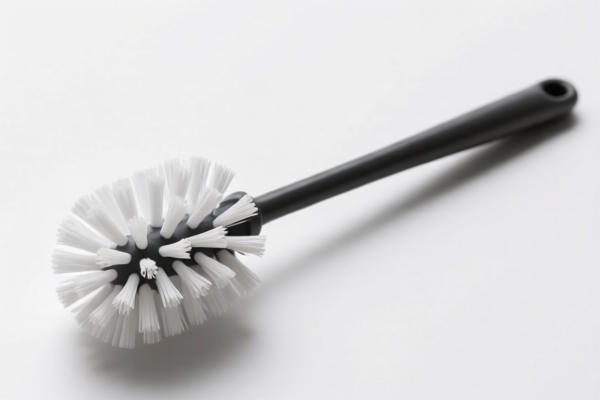
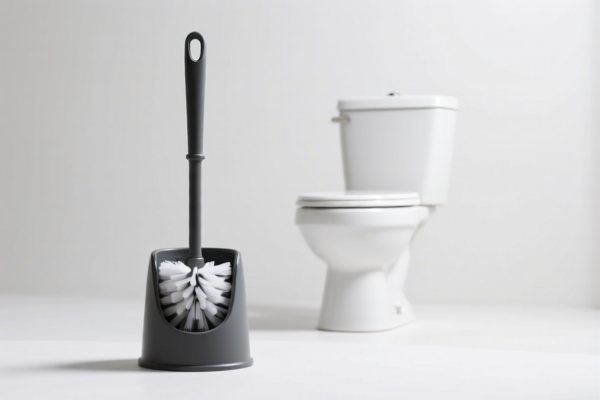
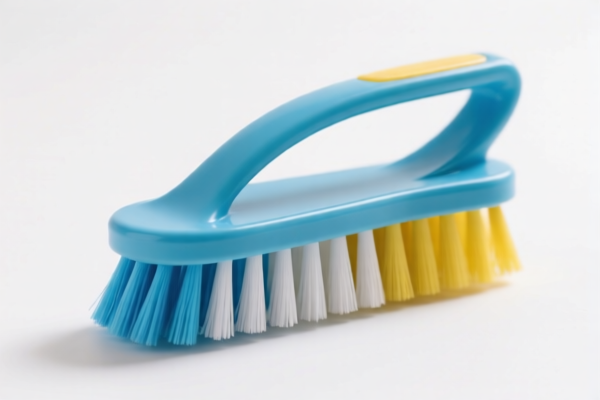
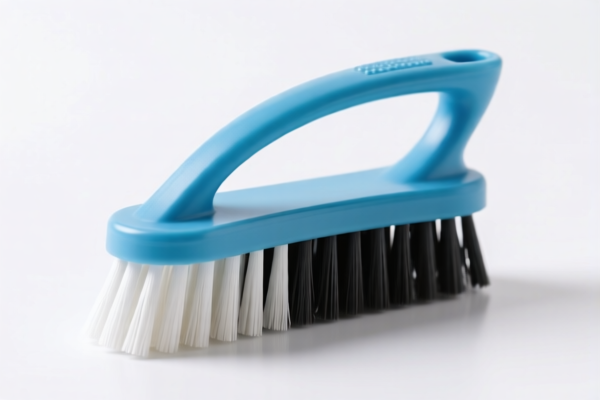
AI Analysis
🧹 Robot Vacuum Bristles & Brushes (Cleaning Brushes for Automated Vacuum Cleaners)
🌐 HS Code Reference & Customs Clearance Guide | 2026 Latest Tariff Analysis | Professional Clearance Strategy
📌 One, Product Definition & Classification: What Exactly is a "Robot Vacuum Brush"?
Robot vacuum brushes are the core cleaning components of automated floor care devices. They are generally categorized into main rotating brushes (for carpets/hard floors) and side brushes (for edge cleaning). In international trade, their classification depends heavily on material composition (wood, plastic, synthetic fibers, natural bristles) and structure (handle, body, bristle type).
Key Distinction: - Wooden/Plastic Body Brushes: If the brush has a substantial wooden or plastic handle/body, it may fall under Chapter 44 (Wood) or Chapter 39 (Plastics), or broadly under Chapter 96 (Brushes). - Pure Bristle/Fiber Brushes: If primarily composed of synthetic fibers or animal hair without a significant structural handle, it typically falls under Chapter 96 (Brooms and Brushes). - Shoe/Grooming Tools: If the brush is small, handheld, and designed for general grooming (not specialized for robotics), it might be classified as a general tool.
⚠️ Critical Classification Point:
- If the brush is part of a robot vacuum system but sold as a spare part, it often still uses the 9603 classification for "brooms, brushes...". - If the brush has a significant wooden handle/body, customs may classify it under 4417 (Wooden tools/handles). - Do not classify purely as "machine parts" (e.g., 8508) unless specifically ruled by local customs as a dedicated spare part with no other use. Chapter 96 is the safest and most common general category for brushes.
📦 Two, HS Code Classification Details (2026 Latest Tariff Authority Comparison)
Based on the provided data, here are the possible HS Codes and their rationales:
| HS Code | Product Description | Summary from Data | Total Tax Rate |
|---|---|---|---|
4417.00.60.00 |
Wooden-handled brush | Matches shape/use: Brush with wooden handle. | 35.0% |
9603.10.90.00 |
General brush (plant/fiber) | Name "Brush" falls under brooms/brushes category. May contain plant/fiber materials. | 27.5% |
9603.10.15.00 |
Brush (plant/synthetic) | Matches shape: Brush made of plant material or synthetic fiber. | 5¢ each + 17.5% |
4417.00.80.90 |
Wooden body brush | Belongs to wooden brush body/handle category. No material conflict. | 40.1% |
4417.00.80.10 |
Shoe/Grooming brush | Daily consumer good. Bristles synthetic/natural. Tool/brush attribute. | 40.1% |
🔍 Key Insight:
-9603.10.90.00and9603.10.15.00are the most likely candidates for robot vacuum side brushes or main bristle rolls if they are primarily fibrous. -4417.00.60.00and4417.00.80.90/10apply if the brush has a substantial wooden handle or body, which is less common for modern plastic-based robot vacuum parts but possible for older or specialized models. - Tax Impact: Wood-based classifications (4417) have significantly higher tariffs (40-45%) compared to fiber/plastic-based brushes (9603) which have lower base rates but may have per-unit fees (9603.10.15.00).
💰 Three, 2026 Latest Tariff Rate Breakdown (Including Surcharge & Policy Add-ons)
✅ Applicable Country: United States (US)
✅ Origin: China (CN)
✅ Effective Time: From November 10, 2025 (including subsequent imports)
🎯 1. 4417.00.60.00 —— Wooden-handled Brush
| Item | Detail |
|---|---|
| Base Duty | 0.0% |
| Section 301 Surcharge | 25.0% |
| Section 122 Tariff (IEEPA) | 10.0% |
| Total Rate | 35.0% |
| Calculation | CIF Value × 35% |
| De Minimis Exemption | ❌ Not Eligible |
| Legal Basis Path | USITC:4417.00.60.00 → FOOTNOTE:301 → IEEPA:122 |
📌 Explanation:
- This classification assumes the brush is primarily wooden. - The 35% total rate is high due to the combination of Section 301 (25%) and Section 122 (10%). - Risk: If the product is mostly plastic/fiber but declared as wood to fit this code, it may be flagged for misclassification.
🎯 2. 9603.10.90.00 —— General Brush (Plant/Fiber)
| Item | Detail |
|---|---|
| Base Duty | 10.0% |
| Section 301 Surcharge | 7.5% |
| Section 122 Tariff (IEEPA) | 10.0% |
| Total Rate | 27.5% |
| Calculation | CIF Value × 27.5% |
| De Minimis Exemption | ❌ Not Eligible |
| Legal Basis Path | USITC:9603.10.90.00 → FOOTNOTE:301 → IEEPA:122 |
📌 Note:
- This is often the most cost-effective option for robot vacuum brushes made of plastic or synthetic fibers. - The 27.5% total rate is significantly lower than wood-based classifications.
🎯 3. 9603.10.15.00 —— Brush (Specific Fiber Type)
| Item | Detail |
|---|---|
| Base Duty | 5¢ per piece |
| Section 301 Surcharge | 7.5% |
| Section 122 Tariff (IEEPA) | 10.0% |
| Total Rate | 5¢ each + 17.5% |
| Calculation | (Quantity × $0.05) + (CIF Value × 17.5%) |
| De Minimis Exemption | ❌ Not Eligible |
| Legal Basis Path | USITC:9603.10.15.00 → FOOTNOTE:301 → IEEPA:122 |
📌 Attention:
- This code applies to specific brush types with a per-unit fee. - For low-value items, the 5¢ per piece fee can add up. - The 17.5% ad valorem rate (7.5% + 10%) is the lowest ad valorem rate among the options, but the per-unit fee must be considered.
🎯 4. 4417.00.80.90 & 4417.00.80.10 —— Wooden Body/Tool Brush
| Item | Detail |
|---|---|
| Base Duty | 5.1% |
| Section 301 Surcharge | 25.0% |
| Section 122 Tariff (IEEPA) | 10.0% |
| Total Rate | 40.1% |
| Calculation | CIF Value × 40.1% |
| De Minimis Exemption | ❌ Not Eligible |
| Legal Basis Path | USITC:4417.00.80.90 → FOOTNOTE:301 → IEEPA:122 |
📌 Explanation:
- These codes are for wooden brushes that do not fall under60.00(simple handle) or are specialized tools (like shoe brushes80.10). - The 40.1% total rate is the highest among the options. - Shoe brushes (80.10) are considered daily consumer goods and are subject to the same high tariff.
🛠️ Four, Practical Customs Clearance Advice (Pitfall Avoidance Guide)
✅ 1. Required Documentation List (Essential)
| Document | Mandatory | Notes |
|---|---|---|
| ✅ Product Specifications | ✔️ | Material composition (e.g., "Bristles: Polyester, Handle: Plastic/Wood") |
| ✅ Product Photos | ✔️ | Clear images of the brush, showing bristles and handle/body |
| ✅ Commercial Invoice | ✔️ | Describe accurately: "Synthetic Bristle Brush for Robot Vacuum Cleaner" |
| ✅ Packing List | ✔️ | Indicate quantity and weight |
| ✅ Origin Certificate | ✔️ | For origin determination |
✅ 2. Declaration Tips (Key Mnemonics)
🔥 "Material Defines Code, Don't Hide the Handle, Be Specific, Save Money!"
| Scenario | Correct Declaration | Wrong Approach |
|---|---|---|
| Robot vacuum side brush (plastic/synthetic) | 9603.10.90.00 or 9603.10.15.00 |
Misclassify as wooden brush → 35-40% tax |
| Brush with wooden handle | 4417.00.60.00 |
Declare as 9603 if wood is significant → Misclassification risk |
| Spare part for robot vacuum | Still use 9603 or 4417 based on material |
Declare as "Machine Part" (8508) → Likely rejected |
| Shoe brush (sold separately) | 4417.00.80.10 |
Declare as "Robot Brush" → Wrong use case |
✅ 3. Special Handling Cases
| Scenario | Recommendation |
|---|---|
| Mixed Materials | If brush has plastic body AND wooden handle, declare based on the essential character (usually the handle material for classification purposes). |
| OEM Spare Parts | Provide proof that it is a replacement part for a specific robot vacuum model to avoid being misclassified as a general household brush. |
| Low-Value Shipments | If using 9603.10.15.00, calculate the per-unit fee impact. For bulk shipments, the 17.5% rate may be better than accumulating 5¢ per piece. |
| Pre-Ruling | Apply for an Advance Ruling with US Customs if the material composition is ambiguous (e.g., wood-plastic composite). |
🌍 Five, Global Market Comparison (2026 Latest)
| Country/Region | Recommended HS Code | Tariff Rate (China Origin) | Notes |
|---|---|---|---|
| 🇺🇸 USA | 9603.10.90.00 |
27.5% | Best for synthetic/plastic brushes. Avoid 4417 due to 35-40% tax. |
| 🇺🇸 USA | 4417.00.60.00 |
35.0% | Only if genuinely wooden. |
| 🇨🇳 China | 9603.10.90.00 |
10% | No Section 301 or IEEPA surcharges. |
| 🇪🇺 EU | 9603.10 |
Varies (0-6.5%) | Check specific member state rules. No Section 301. |
| 🇬🇧 UK | 9603.10 |
Varies (0-6.5%) | Post-Brexit rules apply. |
📌 Conclusion:
- For US imports,9603.10.90.00is generally the most favorable code for robot vacuum brushes made of synthetic materials, with a total tariff of 27.5%. - Avoid4417codes unless the product is demonstrably wooden, as the 35-40% tariff significantly erodes profit margins. - Always provide accurate material descriptions in customs documentation to avoid penalties for misclassification.
📌 Six, Common Mistakes & Pitfall Guide (Lessons Learned)
❌ Mistake 1: Declaring a plastic robot vacuum brush as a "Wooden Tool" (4417) to fit a perceived category.
👉 Consequence: Customs inspection reveals plastic → Fines for misdeclaration + retroactive tax difference.
❌ Mistake 2: Using "Machine Part" (8508) for a brush.
👉 Consequence: Customs may reject it, as brushes are specifically covered in Chapter 96. Delay in clearance.
❌ Mistake 3: Ignoring the per-unit fee in 9603.10.15.00 for large volumes.
👉 Consequence: The total tax burden becomes unpredictable and potentially higher than expected if the unit count is large.
❌ Mistake 4: Not distinguishing between side brushes and main brushes in material.
👉 Consequence: If one is wooden and the other synthetic, they may need separate declarations. Combining them can cause confusion.
✅ Correct Practice:
"Synthetic Bristle Side Brush for Robot Vacuum Cleaner, Plastic Base, Model XYZ, HS Code 9603.10.90.00"
🎯 Seven, Conclusion: Professional Declaration, Save Time, Money, and Headaches!
🎯 Remember the Motto:
🔹 "Plastic/Fiber → 9603 (27.5%)", "Wood → 4417 (35-40%)"
🔹 "Accurate Materials, Clear Photos, Smooth Customs!"
📌 Pro Tip:
If your brushes are originally from Vietnam, Mexico, Thailand, or Malaysia, you may qualify for IEEPA Exemptions, reducing tariffs to 0%-5%.
Recommend applying for Advance Rulings to confirm the correct HS Code for your specific product design.
📣 Call to Action:
📞 Contact a Professional Customs Broker + Provide Product Photos + Apply for HS Code Pre-Ruling
🚀 Ensure your Robot Vacuum Brushes clear customs smoothly, reduce costs, and maximize profits!
✨ Professional Clearance Starts with Accurate Classification!
💼 Every Penny of Your Cost Deserves Precise Calculation!
Customer Reviews
About HS Code Classification
The Harmonized System (HS) is an internationally standardized nomenclature developed by the World Customs Organization (WCO) to classify traded products. Over 200 countries use the HS system as the basis for customs tariffs, trade statistics, and import/export regulations.
Each HS code follows a hierarchical structure:
- Chapter (2 digits) — Broad category of goods (e.g., Chapter 84: Machinery and Mechanical Appliances)
- Heading (4 digits) — More specific grouping within the chapter
- Subheading (6 digits) — Internationally standardized breakdown, used by all WCO member countries
- National subdivisions (8-10 digits) — Country-specific extensions for further classification, such as US HTSUS 10-digit codes
Correct HS code classification is essential for smooth customs clearance, accurate duty payment, and compliance with trade regulations. Misclassification can lead to customs delays, overpayment of duties, or penalties.
When importing from CN to US, the applicable tariff rates may include:
- Most-Favored-Nation (MFN) rate — The standard duty rate applied to WTO members
- General rate — Applied to countries without trade agreements
- Trade remedy duties — Additional tariffs such as Section 301 (anti-dumping), Section 232 (national security), or countervailing duties
The information provided on this page is for reference purposes only. For official classification, please consult with your local customs authority or a licensed customs broker.