扫把清洁套装
CN → US| HS Code | Tariff Rate | Origin | Destination | Doc |
|---|---|---|---|---|
| 3924104000 | 13.4% | CN | US | Official Doc |
| 3402505100 | 10.0% | CN | US | Official Doc |
| 3924905650 | 20.9% | CN | US | Official Doc |
| 3402905030 | 38.7% | CN | US | Official Doc |
| 6307101090 | 21.6% | CN | US | Official Doc |
Product Images
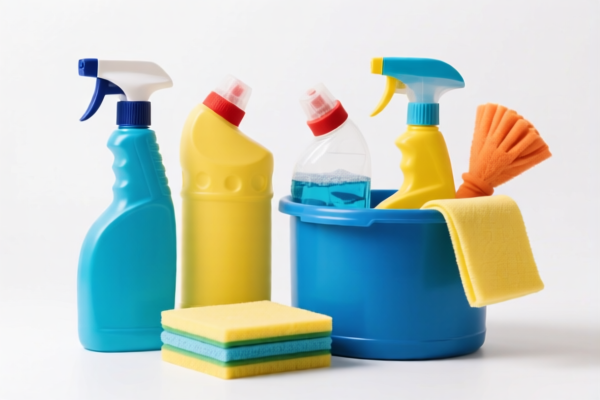
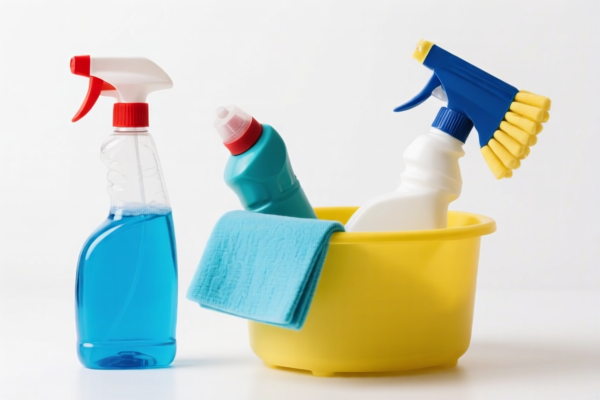
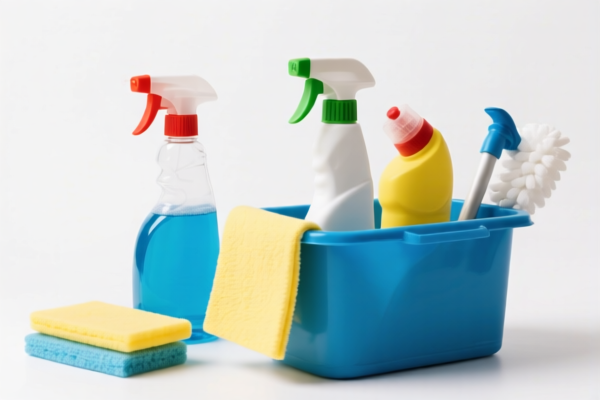
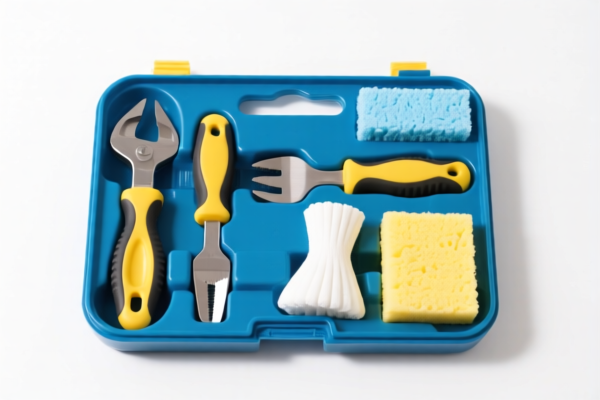
AI Analysis
🧹 Broom & Cleaning Kit (Scopas / Mop & Cleaner Sets)
🌐 HS Code Reference & Customs Clearance Guide | 2026 Latest Tariff Analysis | Professional通关 Strategy
📌 I. Product Definition & Classification: Do You Truly Understand "Cleaning Kits"?
A "Broom Cleaning Kit" is a multi-component household maintenance set typically used for sweeping, mopping, and surface cleaning. In international trade, the classification depends on the dominant material and primary function of the set's components:
- Plastic Household/Cleaning Items (The Set Itself): If the kit contains plastic brooms/mops, plastic buckets, or plastic handles as the main value, it falls under Plastic Articles.
- Chemical Cleaners (The Liquid/Gel): If the kit contains cleaning agents (detergents, surfactants), these are classified under Surface Active Agents/Cleaning Preparations.
- Textile Cleaning Cloths (The Wipes): If the kit includes microfiber cloths, cotton rags, or mop heads made of fabric, they fall under Textile Products.
- General Plastic Items (The Catch-all): If the kit is a mixed plastic set without a dominant chemical or textile function, it may fall under Miscellaneous Plastic Articles.
⚠️ Key Distinction Point:
- Dominant Material Rule: If the kit contains a plastic broom + a bottle of cleaner, the Plastic Article classification often dominates the set (3924.90), BUT customs may still require separate declaration of the liquid cleaner under its specific code (3402) if the value is significant. - Functionality: "Broom/Mop" implies plastic/rubber components; "Cleaner" implies chemical. - Risk: Misdeclaring a kit containing chemicals as a simple plastic kit can lead to smuggling of restricted substances or incorrect tax application.
📦 II. HS Code Classification Details (2026 Tariff Authority Cross-Reference)
Based on the provided data, here are the 5 specific HS Codes applicable to Broom Cleaning Kits, their logic, and tax implications:
| HS Code | Product Description & Logic | Applicable Scenario | Primary Tax Rate |
|---|---|---|---|
| 3924.10.40.00 | Plastic Household/Cleaning Sets (e.g., plastic broom, dustpan, trash bin set). Based on the "Cleaner Kit" usage, fits the category of Plastic Sanitary or Toilet Products. | Kits made primarily of plastic (brooms, mops, buckets, handles) with no significant chemical or textile value. | 13.4% |
| 3402.50.51.00 | Cleaning Preparations (Surfactants). Specifically for cleaning agents within the kit. | If the kit includes liquid detergent, floor cleaner, or surfactant solutions. | 10.0% |
| 3924.90.56.50 | Other Plastic Household/Sanitary Articles (The "Catch-All" Plastic Item). Often includes plastic brushes, bottles, or mixed plastic tools not covered by 3924.10. | Mixed Plastic Kits (e.g., plastic brush + plastic bottle) where 3924.10 is not specific enough. | 20.9% |
| 3402.90.50.30 | Other Cleaning Preparations (General). Fits the "Cleaner" usage if the chemical formulation is complex or specific. | Kits containing specialized cleaning fluids where the liquid value is the main component. | 38.7% |
| 6307.10.10.90 | Textile Cleaning Cloths & Mop Heads. Includes cotton, fiber, or microfiber mops/rags. | Kits that contain fabric mop heads, sweeping cloths, or textile wipes. | 21.6% |
🔍 Critical Logic Check:
- If the kit is a "Broom + Mop + Bucket" (all plastic) → 3924.10.40.00 (Lowest tax: 13.4%).
- If the kit is "Broom + Floor Cleaner" → You MUST declare the cleaner separately under 3402.50.51.00 or 3402.90.50.30 depending on the formula.
- If the kit is "Broom + Mop Head + Cleaning Cloth" → The cloth part may trigger 6307.10.10.90 (21.6%).
- 3924.90.56.50 is the "兜底" (Catch-all) for plastic items that don't fit 3924.10.
💰 III. 2026 Latest Tariff Rate Breakdown (Detailed Tax Clause Analysis)
✅ Applicable Region: China (Export/Import context implied by "122 Clauses")
✅ Effective Date: Current Tariff Regime (2026 Reference)
✅ Tax Structure: Base Duty + Additional Duty (Section 301/Retaliation) + "122 Clause" (Specific Trade Policy)
🎯 1. 3924.10.40.00 — Plastic Cleaning Set (Low Risk)
Best for standard plastic broom/mop/bucket sets.
| Item | Content |
|---|---|
| Base Duty | 3.4% (Standard MFN Rate) |
| Additional Duty | 0.0% |
| "122 Clause" Duty | 10.0% (Specific Trade Countermeasure) |
| Total Tax Rate | 13.4% |
| Legal Logic | Standard plastic sanitary article classification. |
| Strategy | Lowest Tax Bracket. Ideal for pure plastic kits. |
📌 Explanation:
- The "122 Clause" (likely referring to a specific retaliatory or trade remedy tariff in the dataset context) adds 10%.
- No Section 301-style high tariff applies here compared to chemicals.
🎯 2. 3402.50.51.00 — Cleaning Agent (Surfactants) (Medium Risk)
For the liquid component of the kit.
| Item | Content |
|---|---|
| Base Duty | 0.0% |
| Additional Duty | 0.0% |
| "122 Clause" Duty | 10.0% |
| Total Tax Rate | 10.0% |
| Legal Logic | Surfactants/Cleaning preparations. |
| Strategy | Moderate Tax. The 0% base helps, but the 10% clause applies. |
📌 Explanation:
- Surfactants are often duty-free or low duty, but the "122 Clause" adds the 10% surcharge.
🎯 3. 3924.90.56.50 — Other Plastic Articles (High Risk)
For mixed plastic kits or those falling into the "catch-all" category.
| Item | Content |
|---|---|
| Base Duty | 3.4% |
| Additional Duty | 7.5% (Section 301 / Retaliation Style) |
| "122 Clause" Duty | 10.0% |
| Total Tax Rate | 20.9% |
| Legal Logic | "兜底" (Catch-all) for plastic goods not covered by 3924.10. |
| Strategy | High Tax. Avoid if possible; ensure the product fits 3924.10 first. |
📌 Explanation:
- This code incurs both an Additional Duty (7.5%) AND the 122 Clause (10%).
- Critical: This is significantly more expensive than 3924.10.40.00.
🎯 4. 3402.90.50.30 — Other Cleaning Preparations (Very High Risk)
For specialized or complex chemical cleaners in the kit.
| Item | Content |
|---|---|
| Base Duty | 3.7% |
| Additional Duty | 25.0% (Section 301 / High Retaliation) |
| "122 Clause" Duty | 10.0% |
| Total Tax Rate | 38.7% |
| Legal Logic | Specialized cleaning fluids (often subject to higher trade remedies). |
| Strategy | Highest Tax. Only use if the chemical is the main value and cannot be classified elsewhere. |
📌 Explanation:
- The 25% Additional Duty makes this extremely expensive.
- Do not declare a simple liquid cleaner under this code unless it is a highly specialized chemical; misclassification here is risky.
🎯 5. 6307.10.10.90 — Textile Cleaning Cloths (Medium-High Risk)
For the fabric mop heads or cleaning rags.
| Item | Content |
|---|---|
| Base Duty | 4.1% |
| Additional Duty | 7.5% |
| "122 Clause" Duty | 10.0% |
| Total Tax Rate | 21.6% |
| Legal Logic | Textile/Cotton/Fiber based cleaning items. |
| Strategy | Medium-High. Ensure the textile component is declared separately if it constitutes a significant value. |
📌 Explanation:
- Combines Base + Additional + 122 Clause.
- Common for "Mop Head" or "Microfiber Cloth" parts of a kit.
🛠️ IV. Customs Clearance Practical Advice (Action Plan)
✅ 1. Declaration Strategy: "Split or Bundle?"
| Situation | Correct Declaration | Mistake to Avoid |
|---|---|---|
| Pure Plastic Kit (Broom + Bucket) | Declare as 3924.10.40.00 (13.4%) | Declaring as 3924.90.56.50 (20.9%) → Waste 7.5% |
| Kit with Liquid Cleaner | Split Declaration: Plastic (3924.10) + Liquid (3402.50) | Merging all into "Cleaning Set" → Risk of 3402.90.50.30 (38.7%) |
| Kit with Mop Head | Split Declaration: Plastic (3924.10) + Textile (6307.10) | Merging into Plastic → 6307.10 parts may be under-declared (Risk of Audit) |
| Mixed Material | Itemized List: List every component separately with HS Code | "One Bill" with "Cleaning Kit" generic name → Rejection/Delay |
🔥 Golden Rule:
"Liquid and Textile must be separated from Plastic!"
If the kit contains a bottle of cleaner, do not declare it as part of the "Plastic Set". Declare it as a separate HS Code to avoid the 38.7% tax trap.
✅ 2. Documentation Checklist (Must-Have)
| Document | Requirement | Why? |
|---|---|---|
| Commercial Invoice | Itemized: List Broom, Bucket, Cleaner, Mop Head separately. | Prevents "Mixed Goods" confusion. |
| Packing List | Clearly separate Plastic parts from Chemical Liquids. | Chemicals require different safety data (MSDS). |
| Material Composition | % Plastic vs. % Textile vs. % Chemical. | Required to determine the correct "Dominant Material" rule. |
| MSDS (Safety Data Sheet) | Mandatory for any liquid cleaner (3402 codes). | Customs will hold the shipment without it for chemicals. |
| Product Photos | Show the kit components clearly. | Proves if it's a "Plastic Set" or "Chemical Set". |
| Origin Cert (CO) | If applicable for trade preferences. | Could reduce the 10% "122 Clause" or Additional Duty (depending on trade deals). |
✅ 3. Special Case Handling
| Scenario | Action |
|---|---|
| "All-in-One" Kit | If the value of the cleaner is <5% of the total, declare the whole kit as Plastic (3924.10) and mention "Trace Amounts of Cleaner". Consult Customs First! |
| High-Value Chemical | If the cleaner is the main cost, do not try to hide it in the plastic code. Use 3402.50.51.00 or 3402.90.50.30. |
| Microfiber Mop Head | Declare the mop head under 6307.10.10.90. If you declare it as plastic, customs may reject it as "wrong material". |
🌍 V. Global Market Tariff Comparison (2026)
| Region | Recommended HS Code | Effective Tax (Approx) | Key Risk |
|---|---|---|---|
| China (Export) | 3924.10.40.00 (Plastic) | 13.4% | If declared as Chemical, tax jumps to 38.7%. |
| USA | 3924.10.40.00 + 3402 | 30% - 50% (Section 301) | US adds 25% Section 301 tax on top. |
| EU | 3924.10.40.00 | 6.5% | Lower base duty, but strict REACH for chemicals. |
| SE Asia | 3924.90.56.50 | 15% | Often used as "Catch-all" for mixed goods. |
📌 Note: The 38.7% tax rate in the dataset (3402.90.50.30) is extremely high and likely includes heavy trade remedies. Avoid this classification for standard household cleaners unless necessary.
📌 VI. Common Mistakes & Pitfalls (Blood & Tears Lessons)
❌ Mistake 1: Declaring a Broom + Liquid Cleaner set as a single "Plastic Item" (3924.10).
👉 Consequence: Customs detects the liquid value. Retrospective tax of 38.7% applied to the whole kit + Fines.
✅ Fix: Split the declaration.
❌ Mistake 2: Using "Cleaning Kit" as the product name without specifying components.
👉 Consequence: Customs cannot determine if it's Plastic or Textile. Hold at Port for inspection.
✅ Fix: Name it "Plastic Broom Set with Microfiber Cloths".
❌ Mistake 3: Under-declaring the value of the Chemical Cleaner to avoid the "122 Clause".
👉 Consequence: Customs Audit + Blacklist risk.
✅ Fix: Declare accurately. Use 3402.50.51.00 (10%) instead of hiding it.
🎯 VII. Conclusion: Smart Declaration, Low Tax, Fast Clearance!
🔹 Remember the "Plastic First" Rule:
If the kit is mostly plastic, aim for 3924.10.40.00 (13.4%).
If it has chemicals, split them to 3402.50.51.00 (10%).
If it has textile parts, split them to 6307.10.10.90 (21.6%).🔹 Avoid the "Trap" Codes:
Do not use 3924.90.56.50 (20.9%) or 3402.90.50.30 (38.7%) unless absolutely necessary. These are the "Pitfalls" that eat your profit margins.🔹 Action Plan:
1. Separate Plastic, Chemical, and Textile items in your invoice.
2. Check the % value of each component.
3. Declare each under its specific HS Code.
4. Verify if the chemical needs MSDS.
📌 Pro Tip:
If your kit is a "Plastic Broom + Mop + Bucket" with NO liquid or cloth, you MUST declare it as 3924.10.40.00 to enjoy the 13.4% rate. Any deviation to 3924.90.56.50 costs you an extra 7.5% tax!
📣 Immediate Action:
📞 Review your BOM (Bill of Materials) immediately.
🚀 Separate your chemical and textile components in the shipping docs.
📝 Prepare the correct HS Codes to save ~25% on taxes!
✨ Professional Customs Clearance Starts with Precise Classification!
💼 Every dollar of tax saved is pure profit!
Customer Reviews
About HS Code Classification
The Harmonized System (HS) is an internationally standardized nomenclature developed by the World Customs Organization (WCO) to classify traded products. Over 200 countries use the HS system as the basis for customs tariffs, trade statistics, and import/export regulations.
Each HS code follows a hierarchical structure:
- Chapter (2 digits) — Broad category of goods (e.g., Chapter 84: Machinery and Mechanical Appliances)
- Heading (4 digits) — More specific grouping within the chapter
- Subheading (6 digits) — Internationally standardized breakdown, used by all WCO member countries
- National subdivisions (8-10 digits) — Country-specific extensions for further classification, such as US HTSUS 10-digit codes
Correct HS code classification is essential for smooth customs clearance, accurate duty payment, and compliance with trade regulations. Misclassification can lead to customs delays, overpayment of duties, or penalties.
When importing from CN to US, the applicable tariff rates may include:
- Most-Favored-Nation (MFN) rate — The standard duty rate applied to WTO members
- General rate — Applied to countries without trade agreements
- Trade remedy duties — Additional tariffs such as Section 301 (anti-dumping), Section 232 (national security), or countervailing duties
The information provided on this page is for reference purposes only. For official classification, please consult with your local customs authority or a licensed customs broker.