折叠板
CN → US| HS Code | Tariff Rate | Origin | Destination | Doc |
|---|---|---|---|---|
| 3923900080 | 38.0% | CN | US | Official Doc |
| 7326908688 | 87.9% | CN | US | Official Doc |
| 3923109000 | 38.0% | CN | US | Official Doc |
| 7326190080 | 87.9% | CN | US | Official Doc |
| 4819200040 | 35.0% | CN | US | Official Doc |
Product Images
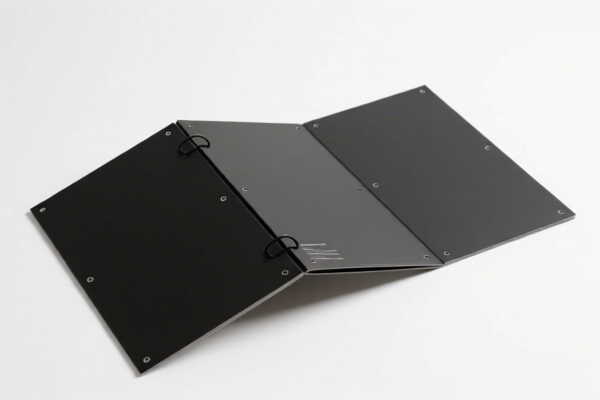
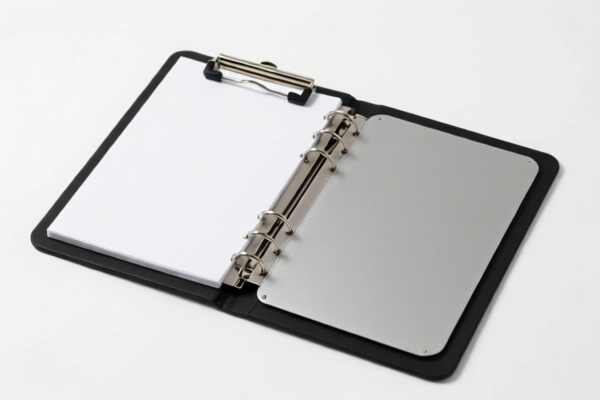
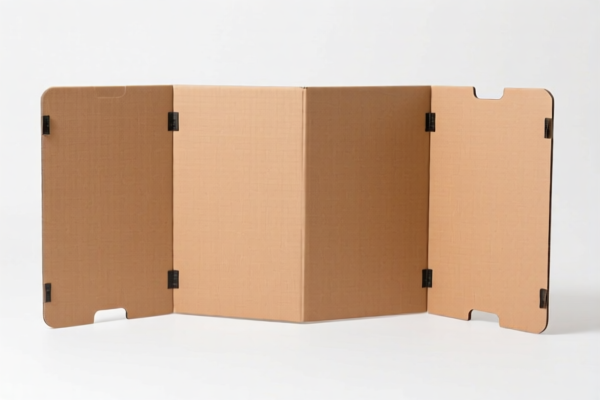
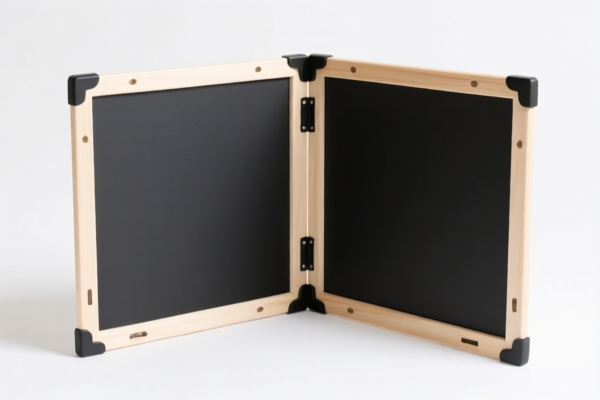
AI Analysis
📦 Folding Boards (Folding Panels / Structures)
🌐 HS Code Reference & Customs Clearance Guide | 2026 Latest Tariff Analysis | Professional Strategy
📌 I. Product Definition: What Exactly is a "Folding Board"?
"Folding Board" is a broad term in international trade that lacks a single, specific HS Code entry. Its classification depends entirely on two critical factors: Material and Function.
In customs practice, these are typically categorized into three main groups: 1. Plastic Folding Boards: Often used as packaging components, crates, or lightweight structural accessories. 2. Metal Folding Boards (Steel/Iron): Used as structural parts, industrial frames, or heavy-duty containers. 3. Paper/Cardboard Folding Boards: Used for packaging, display stands, or disposable folding boxes.
⚠️ Key Distinction Point:
- If it is a structural component made of plastic → Likely Chapter 39 (Plastics).
- If it is a structural component made of metal → Likely Chapter 73 (Iron/Steel).
- If it is a packaging item made of paper → Likely Chapter 48 (Paper).
- Misclassification Risk: Declaring a steel folding board as plastic to save on duties can lead to severe penalties (up to 87.9% vs 38.0%).
📦 II. HS Code Classification Details (2026 Latest Tariff Authority Comparison)
| HS Code | Product Description | Material/Function | Total Tax Rate |
|---|---|---|---|
3923.90.00.80 |
Articles for the conveyance or packing of goods, of plastics: Other | Plastic Folding Board (Accessory/Structural) | 38.0% |
7326.90.86.88 |
Other articles of iron or steel: Other | Metal (Iron/Steel) Folding Board (Non-specific) | 87.9% |
3923.10.90.00 |
Boxes, cases, crates and similar articles, of plastics: Other | Plastic Folding Board (Packaging/Crate-like) | 38.0% |
7326.19.00.80 |
Other articles of iron or steel: Other, of wire | Metal Plate/Board (Composite/Metallic) | 87.9% |
4819.20.00.40 |
Sacks and bags (including cones), of paper: Other | Paper/Cardboard Folding Board (Packaging) | 35.0% |
🔍 Critical Analysis:
- Plastic Options (3923...): The summary indicates that if the board is a structural accessory or packaging part made of plastic, it falls under "Other" categories in Chapter 39. Total tax: 38.0%.
- Metal Options (7326...): If the board is inferred to be steel/iron (common for durable folding structures), it falls under Chapter 73. Due to high additional tariffs, total tax hits 87.9%.
- Paper Option (4819...): If the "folding" nature implies a paper-based packaging form (non-corrugated), it falls under Chapter 48. Total tax: 35.0% (Lowest).
💰 III. 2026 Latest Tariff Rate Breakdown (Including Surcharges & Policy Add-ons)
✅ Applicable Country: United States (US)
✅ Origin: China (CN)
✅ Effective Date: November 10, 2025 onwards (and subsequent imports)
🎯 1. Plastic Folding Boards (3923.90.00.80 & 3923.10.90.00)
| Item | Detail |
|---|---|
| Base Tariff | 3.0% (Ad Valorem) |
| Section 301 Tariff | +25.0% (Retaliatory/Trade War Tariff) |
| Section 122 Tariff | +10.0% (Specific add-on for certain goods) |
| Total Tax Rate | 38.0% |
| Tax Calculation | CIF Value × 38.0% |
| De Minimis Exemption | ❌ Not Applicable (Cannot use $800 de minimis exemption) |
| Legal Basis Path | Section 301 → Section 122 → USITC:3923.90.00.80 |
📌 Explanation:
- Plastic folding boards are subject to the standard trade war penalties.
- The 38.0% rate is moderate compared to metals, but still significant.
- Warning: Do not confuse "Plastic" with "Rubber" or other polymers; incorrect material declaration leads to misclassification.
🎯 2. Metal Folding Boards (7326.90.86.88 & 7326.19.00.80)
| Item | Detail |
|---|---|
| Base Tariff | 2.9% (Ad Valorem) |
| Section 301 Tariff | +25.0% |
| Section 122 Tariff | +10.0% |
| Steel/Aluminum/Copper Surcharge | +50.0% (Specific punitive tariff) |
| Total Tax Rate | 87.9% |
| Tax Calculation | CIF Value × 87.9% |
| De Minimis Exemption | ❌ Not Applicable |
| Legal Basis Path | Section 301 → Section 122 → Steel Surcharge → USITC:7326... |
📌 Critical Warning:
- Metal folding boards face the highest burden in this dataset.
- The 50% steel/aluminum/copper surcharge is punitive and designed to discourage metal imports.
- Total 87.9% makes metal folding boards extremely expensive to import into the US unless exempted or duty-paid.
🎯 3. Paper/Cardboard Folding Boards (4819.20.00.40)
| Item | Detail |
|---|---|
| Base Tariff | 0.0% (Ad Valorem) |
| Section 301 Tariff | +25.0% |
| Section 122 Tariff | +10.0% |
| Total Tax Rate | 35.0% |
| Tax Calculation | CIF Value × 35.0% |
| De Minimis Exemption | ❌ Not Applicable |
| Legal Basis Path | Section 301 → Section 122 → USITC:4819.20.00.40 |
📌 Explanation:
- Paper products benefit from a 0% base tariff, resulting in the lowest total rate (35.0%).
- This is the most cost-effective classification if the product is indeed paper-based.
- Caution: Must prove it is "Paper" and not "Plastic-coated Paper" (which might revert to Chapter 39).
🛠️ IV. Customs Clearance Practical Advice (Real-World Pitfall Guide)
✅ 1. Documentation Checklist (Must-Haves)
| Document | Required | Note |
|---|---|---|
| ✅ Product Specification Sheet | ✔️ | Must explicitly state Material (Plastic, Steel, Paper). |
| ✅ Material Composition Report | ✔️ | Third-party test report (e.g., SGS) proving it is NOT mixed metal/plastic if declaring pure. |
| ✅ Product Photos | ✔️ | Clear images showing hinges, folding mechanism, and surface texture. |
| ✅ Commercial Invoice | ✔️ | Use precise English description: "Plastic Folding Crate Accessory" or "Steel Structural Panel" – avoid vague "Folding Board". |
| ✅ HS Code Pre-Ruling | ✔️ | Highly recommended to avoid disputes on "Material". |
✅ 2. Declaration Strategy (Key Mantras)
🔥 "Material First, Function Second! Don't Mix Metal into Plastic!"
| Scenario | Correct HS Code | Risk if Wrong |
|---|---|---|
| Plastic Folding Accessory | 3923.90.00.80 |
If declared as Metal → 87.9% Duty (Overpay 49.9%) |
| Plastic Packaging Board | 3923.10.90.00 |
If declared as Paper → Audit for fraud (Paper is 35%) |
| Steel Folding Panel | 7326.90.86.88 |
If declared as Plastic → 38% (Underpay) → Penalty + Back Taxes |
| Paper Folding Box | 4819.20.00.40 |
If declared as Plastic → 38% (Overpay 3%) |
✅ 3. Special Cases
| Case | Handling Advice |
|---|---|
| Mixed Material (e.g., Steel frame + Plastic panel) | Usually classified by essential character. If steel dominates structure → 7326. If plastic dominates surface/accessory → 3923. Provide assembly diagrams. |
| OEM Custom Folding Boards | Provide design drawings. If it's a custom structural part, lean towards 7326 (metal) or 3923 (plastic) based on material. |
| Folding Board with Hinges | Hinges do not change the classification if they are minor accessories. Focus on the board material. |
🌍 V. Global Market Comparison (2026)
| Country/Region | Recommended HS Code | Est. Duty | Certification | Notes |
|---|---|---|---|---|
| 🇺🇸 USA | 3923.90.00.80 (Plastic) |
38.0% | None | High Tax due to Section 301/122 |
| 🇨🇳 China | 3923.90.00.80 |
5-10% | N/A | Lower base rates |
| 🇪🇺 EU | 3923.90 |
6.5% | CE (if applicable) | No Section 301 |
| 🇦🇺 Australia | 3923.90 |
5% | N/A | Moderate duty |
📌 Conclusion:
- The USA imposes the highest barriers due to Section 301 (25%) and Section 122 (10%).
- Metal (87.9%) is prohibitively expensive for US imports.
- Plastic (38.0%) and Paper (35.0%) are relatively more viable, with Paper being the cheapest.
📌 VI. Common Mistakes & Pitfalls (Lessons Learned)
❌ Mistake 1: Declaring a Steel folding board as Plastic to save 50% in taxes.
👉 Consequence: Customs inspection reveals metal composition → Back taxes + 25% penalty.
❌ Mistake 2: Using generic term "Folding Board" on the invoice.
👉 Consequence: CBP (Customs and Border Protection) may request detailed description, causing delays and potential reclassification to the highest duty rate.
❌ Mistake 3: Ignoring the Section 122 Tariff.
👉 Consequence: Some importers forget the 10% add-on, leading to underpayment.
✅ Correct Approach:
"Plastic Folding Storage Crate Accessory, Model XYZ, 100% HDPE, No Metal Components"
OR
"Steel Structural Folding Panel, Galvanized, Model ABC, For Industrial Use"
🎯 VII. Conclusion: Precise Classification Saves Money!
🎯 Remember the Mantra:
🔹 "Plastic 38%, Paper 35%, Metal 87.9%!"
🔹 "Material is King! Don't guess!"
📌 Pro Tip:
If your folding board is Plastic, consider if it can be classified as Packaging (3923.10) vs. Other Accessories (3923.90). Both are 38.0% in the US, but proper documentation prevents audits.
For Metal, explore if any exemptions apply or if redesigning with Plastic/Composite materials could reduce duty from 87.9% to 38.0%.
📣 Immediate Action:
📞 Consult a licensed Customs Broker.
📸 Provide Material Test Reports.
📝 Apply for Pre-Ruling if the material is ambiguous.
✨ Professional Customs Clearance Starts with Accurate Classification!
💼 Every Percent of Duty Saved is Pure Profit!
Customer Reviews
About HS Code Classification
The Harmonized System (HS) is an internationally standardized nomenclature developed by the World Customs Organization (WCO) to classify traded products. Over 200 countries use the HS system as the basis for customs tariffs, trade statistics, and import/export regulations.
Each HS code follows a hierarchical structure:
- Chapter (2 digits) — Broad category of goods (e.g., Chapter 84: Machinery and Mechanical Appliances)
- Heading (4 digits) — More specific grouping within the chapter
- Subheading (6 digits) — Internationally standardized breakdown, used by all WCO member countries
- National subdivisions (8-10 digits) — Country-specific extensions for further classification, such as US HTSUS 10-digit codes
Correct HS code classification is essential for smooth customs clearance, accurate duty payment, and compliance with trade regulations. Misclassification can lead to customs delays, overpayment of duties, or penalties.
When importing from CN to US, the applicable tariff rates may include:
- Most-Favored-Nation (MFN) rate — The standard duty rate applied to WTO members
- General rate — Applied to countries without trade agreements
- Trade remedy duties — Additional tariffs such as Section 301 (anti-dumping), Section 232 (national security), or countervailing duties
The information provided on this page is for reference purposes only. For official classification, please consult with your local customs authority or a licensed customs broker.