护臀裤
CN → US| HS Code | Tariff Rate | Origin | Destination | Doc |
|---|---|---|---|---|
| 6212200010 | 37.5% | CN | US | Official Doc |
| 6212200020 | 37.5% | CN | US | Official Doc |
| 9619003100 | 18.1% | CN | US | Official Doc |
| 9619003300 | 26.8% | CN | US | Official Doc |
| 6117909075 | 32.1% | CN | US | Official Doc |
| 6117909060 | 32.1% | CN | US | Official Doc |
Product Images
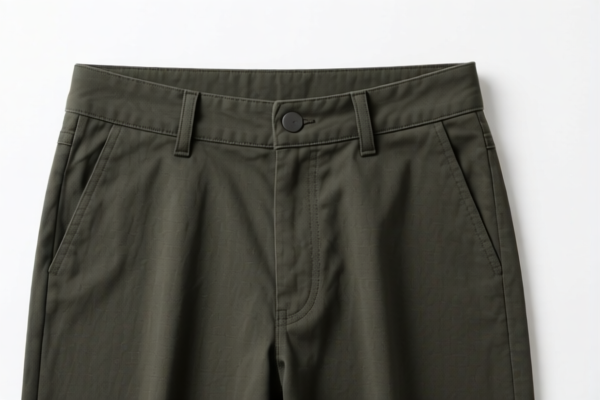
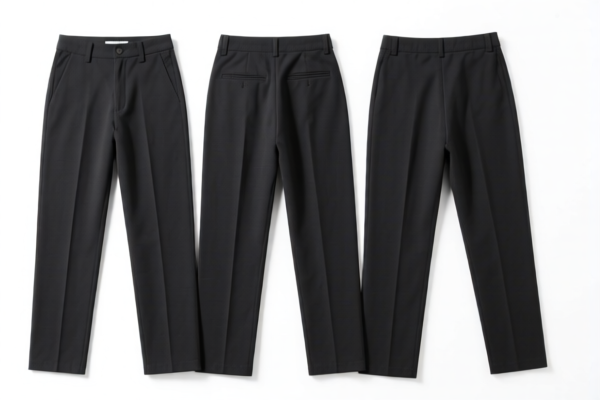
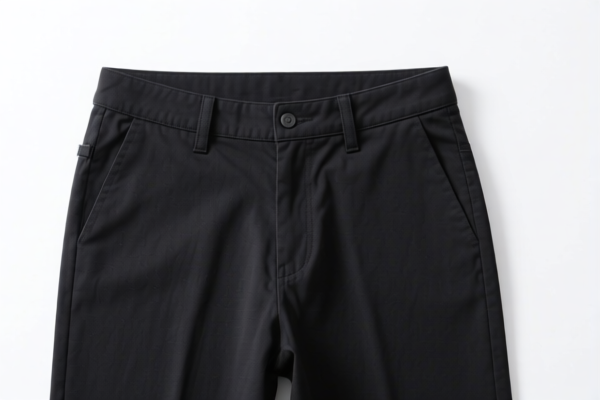

AI Analysis
👶 Diaper Pants / Buttock Protection Pants (Baby Care Essentials)
🌐 HS Code Reference & Customs Clearance Guide | 2026 Latest Tariff Full Analysis | Professional Clearance Strategy
📌 I. Product Definition & Classification: Do You Really Understand "Buttock Protection Pants"?
"Buttock protection pants" (commonly known in the industry as Disposable Diaper Pants or Pull-ups) are innovative baby care products that combine the convenience of pants with the absorption function of diapers. They are designed to be pulled on like underwear, making diaper changes easier for active babies.
In international trade, classification depends heavily on material composition and knitting/crochet status. Based on the provided , these products primarily fall into two categories: 1. Textile/Apparel Category: If made from knitted or crocheted fabrics (e.g., cloth training pants, reusable pants). 2. Sanitary/Hygiene Category: If made from absorbent materials (e.g., disposable diapers with non-woven outer covers).
⚠️ Key Distinction Point:
- If the product is disposable with high absorbency (core + non-woven cover) → Often classified under 9619.00 (Sanitary Articles).
- If the product is textile-based (knitted/crocheted fabric, cotton/polyester blend) → Classified under Chapter 61 (Articles of Apparel and Clothing Accessories, Knitted or Crocheted).
📦 II. HS Code Classification Details (2026 Latest Tariff Authority Comparison)
Based on the provided data, here are the specific HS Codes and their rationale:
| HS Code | Product Description | Application Scenario | Material/Type Inference |
|---|---|---|---|
9619.00.33.00 |
Disposable diapers/pants, sanitary articles | Baby disposable diapers, adult incontinence pants | ✅ Sanitary/Hygiene items, disposable |
6117.90.90.75 |
Knitted/Crocheted garment parts, unspecified material | Generic knitted/crocheted textile goods | ⚠️ Material unclear, inferred as "other" |
6108.91.00.05 |
Knitted/Crocheted underwear/panties, cotton inferred | Reusable cloth diapers, training pants | ✅ Knitted, inferred as Cotton |
6117.90.90.60 |
Knitted/Crocheted garments (pants category) | Knitted pants, trousers | ⚠️ Inferred as Cotton or Synthetic Fiber |
6212.20.00.10 |
Brassieres and similar articles,贴身衣物 (Undergarments) | Non-knitted undergarments, bras, camisoles | ⚠️ Inferred as Cotton/Polyester/Artificial Fiber |
🔍 Focus Reminder:
- Disposable Diapers (most common "diaper pants") should strictly follow 9619.00.33.00 if they contain sanitary absorbent cores.
- Reusable/Cloth Diaper Pants made of knitted fabric should follow 6108.91.00.05 (if cotton) or other Chapter 61 codes.
- Misclassification Risk: Declaring disposable diapers as "textile garments" (Chapter 61) or vice versa can lead to significant tariff discrepancies and customs delays.
💰 III. 2026 Latest Tariff Rate Detailed Explanation (Including Surcharges & Policy Add-ons)
✅ Applicable Country: United States (US)
✅ Country of Origin: China (CN)
✅ Effective Date: Including subsequent imports (subject to current Section 301 and IEEPA measures)
🎯 1. 9619.00.33.00 —— Disposable Diapers/Pants (Sanitary Articles)
| Item | Content |
|---|---|
| Base Tariff Rate | 9.3% |
| Section 301 Surcharge | +7.5% |
| Section 122 Tariff | +10% |
| Total Tariff Rate | 26.8% |
| Tax Calculation | CIF Value × 26.8% |
| De Minimis Eligibility | ❌ Not Eligible (High tariff burden usually excludes de minimis benefits in practice for bulk imports) |
| Legal Basis Path | Base: 9619.00.33.00 → Section 301: +7.5% → Section 122: +10% |
📌 Explanation:
- 9.3%: Base MFN tariff for sanitary articles.
- 7.5%: Section 301 tariff surcharge for Chinese goods.
- 10%: Section 122 tariff (often applies to specific consumer goods or strategic items).
- Total 26.8%: This is a moderate-to-high tariff. Importers must budget accordingly.
🎯 2. 6117.90.90.75 —— Knitted/Crocheted Garment Parts (Unspecified Material)
| Item | Content |
|---|---|
| Base Tariff Rate | 14.6% |
| Section 301 Surcharge | +7.5% |
| Section 122 Tariff | +10% |
| Total Tariff Rate | 32.1% |
| Tax Calculation | CIF Value × 32.1% |
| De Minimis Eligibility | ❌ Not Eligible |
| Legal Basis Path | Base: 6117.90.90.75 → Section 301: +7.5% → Section 122: +10% |
📌 Note:
- This code is for textile parts where the specific material is not clearly defined or falls into "other" categories.
- Higher base rate (14.6%) compared to disposable diapers.
🎯 3. 6108.91.00.05 —— Knitted/Crocheted Underwear (Inferred Cotton)
| Item | Content |
|---|---|
| Base Tariff Rate | 8.5% |
| Section 301 Surcharge | +7.5% |
| Section 122 Tariff | +10% |
| Total Tariff Rate | 26.0% |
| Tax Calculation | CIF Value × 26.0% |
| De Minimis Eligibility | ❌ Not Eligible |
| Legal Basis Path | Base: 6108.91.00.05 → Section 301: +7.5% → Section 122: +10% |
📌 Note:
- If the "buttock protection pants" are cloth training pants made of knitted cotton, this code is most accurate.
- It offers the lowest total tariff (26.0%) among the textile options, but still higher than disposable diapers (26.8% vs 26.0% – wait, actually 26.0% < 26.8%, so cloth cotton is slightly cheaper in tax?). Correction: 26.0% < 26.8%. So Knitted Cotton Underwear has a slightly lower total rate than Disposable Diapers in this specific dataset.
🎯 4. 6117.90.90.60 —— Knitted/Crocheted Garments (Pants Category)
| Item | Content |
|---|---|
| Base Tariff Rate | 14.6% |
| Section 301 Surcharge | +7.5% |
| Section 122 Tariff | +10% |
| Total Tariff Rate | 32.1% |
| Tax Calculation | CIF Value × 32.1% |
| De Minimis Eligibility | ❌ Not Eligible |
| Legal Basis Path | Base: 6117.90.90.60 → Section 301: +7.5% → Section 122: +10% |
📌 Note:
- Used if the product is considered a generic knitted pant rather than underwear.
- Higher tax burden due to higher base rate.
🎯 5. 6212.20.00.10 —— Non-Knitted Undergarments (Brassieres & Similar)
| Item | Content |
|---|---|
| Base Tariff Rate | 20.0% |
| Section 301 Surcharge | +7.5% |
| Section 122 Tariff | +10% |
| Total Tariff Rate | 37.5% |
| Tax Calculation | CIF Value × 37.5% |
| De Minimis Eligibility | ❌ Not Eligible |
| Legal Basis Path | Base: 6212.20.00.10 → Section 301: +7.5% → Section 122: +10% |
📌 Note:
- This code is for woven/non-knitted undergarments.
- Highest Total Tariff (37.5%) in the provided dataset.
- Should only be used if the product is clearly non-knitted and falls under "similar articles" (e.g., certain types of support garments). Most "diaper pants" are either knitted or sanitary articles, so this is less likely for standard baby diapers.
🛠️ IV. Customs Clearance Practical Suggestions (Battle-Tested Pitfall Guide)
✅ 1. Preparation Material Checklist (All Required)
| Material | Must Provide | Description |
|---|---|---|
| ✅ Product Specification Sheet | ✔️ | Include dimensions, absorbency level (for disposables), material composition (for cloth) |
| ✅ Product Photos (Packaging & Inner) | ✔️ | Show branding, size labels, and material tags |
| ✅ Commercial Invoice | ✔️ | Clearly state "Disposable Diaper Pants" or "Knitted Cotton Training Pants" |
| ✅ Packing List | ✔️ | Detailed breakdown of items, weights, and dimensions |
| ✅ Certificate of Origin (CO) | ✔️ | If applicable for preferential tariffs (though China-US usually faces surcharges) |
| ✅ Material Composition Declaration | ✔️ | Critical for distinguishing between Chapter 61 (Textile) and Chapter 96 (Sanitary) |
✅ 2. Declaration Tips (Key Mantra)
🔥 "Disposable Goes to 96, Textile Goes to 61, Material Matters, Tariff Varies!"
| Scenario | Correct Declaration | Wrong Practice |
|---|---|---|
| Disposable Baby Diapers | 9619.00.33.00 |
Misdeclare as "Textile Pants" → Risk of penalty or reclassification |
| Cloth Training Pants (Cotton) | 6108.91.00.05 |
Misdeclare as "Disposable" → Inaccurate sanitary classification |
| Knitted Pants (Generic) | 6117.90.90.60 or .75 |
Vague description "Pants" → Leads to higher base rate or delay |
| Woven Support Garments | 6212.20.00.10 |
Over-generalize as "Diapers" → High tariff (37.5%) |
✅ 3. Special Case Handling
| Scenario | Handling Suggestion |
|---|---|
| OEM Private Label | Provide authorization letters from brand owners to avoid IP issues |
| Mixed Containers | Clearly separate disposable diapers (Ch 96) and textile pants (Ch 61) in documentation |
| New Material Claims | If using biodegradable materials, provide lab tests to support "eco-friendly" claims (may help with marketing, but not necessarily tariffs) |
| Adult Diapers | Also classified under 9619.00.33.00, ensure description matches "Sanitary Articles" |
🌍 V. Global Major Market Clearance Comparison (2026 Latest)
| Country/Region | Recommended HS Code | Tariff (China Origin) | Certification Requirements | Notes |
|---|---|---|---|---|
| 🇺🇸 USA | 9619.00.33.00 (Disposable) |
26.8% | FDA (if applicable), CPSIA | High tariff due to Section 301 & 122 |
| 🇪🇺 EU | 9619.10.00 (Disposable) |
~4-6% | CE, REACH | Lower tariffs, strict hygiene standards |
| 🇨🇳 China | 9619.10.00 (Disposable) |
10-15% | CCC (if applicable) | Exporting back? Check domestic policies |
| 🇯🇵 Japan | 9619.00.00 (Disposable) |
~10% | PMDA (if medical claims) | High quality standards |
| 🇦🇺 Australia | 9619.00.00 (Disposable) |
5% | ACCC | Moderate tariffs |
📌 Conclusion:
- The USA imposes a 26.8% total tariff on disposable diaper pants, making it a cost-sensitive market.
- Textile options (cloth diapers) face 26.0%-32.1%, depending on material and structure.
- EU and Japan offer more favorable tariff structures but have stricter hygiene and chemical safety regulations.
📌 VI. Common Errors & Pitfall Guide (Blood-Tested Lessons)
❌ Error 1: Declaring disposable diapers as "Textile Garments" (6117...)
👉 Consequence: Customs may reject the classification as inaccurate for sanitary articles, leading to delays or fines.
❌ Error 2: Vague description "Baby Pants"
👉 Consequence: Customs cannot determine if it's 6108 (underwear) or 6117 (pants), leading to highest possible tariff assessment.
❌ Error 3: Ignoring Section 122 Tariff
👉 Consequence: Underestimating landed cost by 10%. Total cost calculation will be wrong.
❌ Error 4: Mixing Disposable and Textile in One HS Code
👉 Consequence: Misdeclaration. Disposable = Ch 96, Textile = Ch 61. They cannot be grouped.
✅ Correct Practice:
"Disposable Baby Diaper Pants, 2-4 lbs, Absorbent Core, Non-Woven Cover, HS Code: 9619.00.33.00"
OR
"Knitted Cotton Reusable Training Pants for Babies, HS Code: 6108.91.00.05"
🎯 VII. Conclusion: Professional Declaration, Save Time, Reduce Costs!
🎯 Remember the Mantra:
🔹 "Disposable = 9619 (26.8%), Cloth Cotton = 6108 (26.0%), Generic Knits = 6117 (32.1%), Woven = 6212 (37.5%)!"
🔹 "HS Code Determines Tax, 10% Section 122 Always Added, Wrong Code Means Double Tax!"
📌 Tips:
- If your diaper pants are originating from Vietnam, Thailand, or Indonesia, you may qualify for lower Section 301 tariffs or de minimis benefits (check current US trade policies).
- Consider applying for an Advance Ruling from US Customs if you have a large volume import, to lock in the classification.
📣 Immediate Action:
📞 Contact a professional customs broker + Provide Product Photos + Apply for HS Code Advance Ruling
🚀 Let your diaper pants clear customs smoothly, export efficiently, and maximize profits!
✨ Professional Clearance Starts with Precise Classification!
💼 Every cent of your cost is worth being precisely calculated!
Customer Reviews
About HS Code Classification
The Harmonized System (HS) is an internationally standardized nomenclature developed by the World Customs Organization (WCO) to classify traded products. Over 200 countries use the HS system as the basis for customs tariffs, trade statistics, and import/export regulations.
Each HS code follows a hierarchical structure:
- Chapter (2 digits) — Broad category of goods (e.g., Chapter 84: Machinery and Mechanical Appliances)
- Heading (4 digits) — More specific grouping within the chapter
- Subheading (6 digits) — Internationally standardized breakdown, used by all WCO member countries
- National subdivisions (8-10 digits) — Country-specific extensions for further classification, such as US HTSUS 10-digit codes
Correct HS code classification is essential for smooth customs clearance, accurate duty payment, and compliance with trade regulations. Misclassification can lead to customs delays, overpayment of duties, or penalties.
When importing from CN to US, the applicable tariff rates may include:
- Most-Favored-Nation (MFN) rate — The standard duty rate applied to WTO members
- General rate — Applied to countries without trade agreements
- Trade remedy duties — Additional tariffs such as Section 301 (anti-dumping), Section 232 (national security), or countervailing duties
The information provided on this page is for reference purposes only. For official classification, please consult with your local customs authority or a licensed customs broker.