指甲油
CN → US| HS Code | Tariff Rate | Origin | Destination | Doc |
|---|---|---|---|---|
| 3304300000 | 35.0% | CN | US | Official Doc |
| 3210000000 | 36.8% | CN | US | Official Doc |
| 3304995000 | 35.0% | CN | US | Official Doc |
Product Images
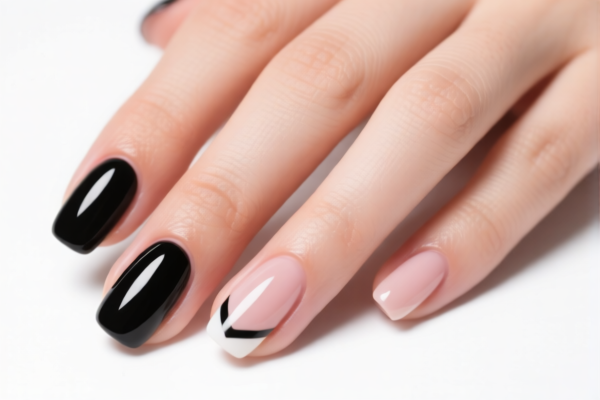
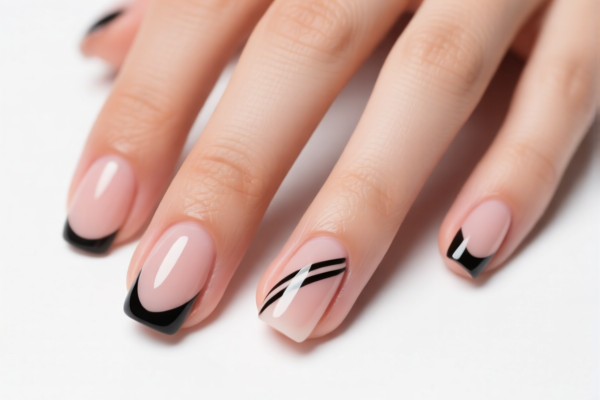
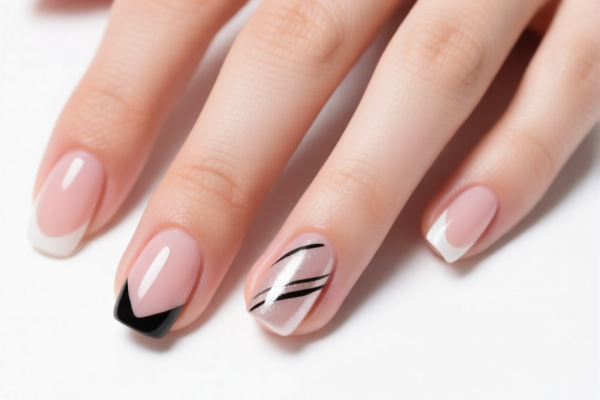

AI Analysis
💅 指甲油(Nail Polish / Nail Care Preparations)
🌐 HS Code Reference & Clearance Guide | 2026 Latest Tariff Analysis | Professional Customs Strategy
📌 I. Product Definition & Classification: Do You Really Know "Nail Polish"?
Nail polish is a cosmetic liquid applied to fingernails or toenails to decorate, protect, and enhance their appearance. In international trade, its classification depends heavily on intended use and chemical composition:
- Primary Nail Care Preparations (3304.30): Specifically formulated as liquid lacquer for nail coating.
- Other Paints & Varnishes (3210.00): General-purpose nail varnishes that may be classified as industrial or general paints if not strictly "cosmetic" in nature.
- Nail/Manicure Preparations (3304.99): Broader category including non-lacquer nail preparations (e.g., creams, removers, or specific treatment gels).
⚠️ Key Classification Point:
- If the product is explicitly a liquid nail lacquer for decoration → 3304.30 (Most Common).
- If classified as a general paint/varnish without specific cosmetic intent → 3210.00.
- If it is a nail preparation (like a base coat or treatment gel) not fitting "lacquer" → 3304.99.
📦 II. HS Code Classification Details (2026 Tariff Schedule)
Based on the provided data, here is the authoritative breakdown for Nail Polish:
| HS Code | Summary Description | Application Scenario | Primary Function |
|---|---|---|---|
| 3304.30.00.00 | Nail Care Preparations | Liquid nail lacquer, nail enamel for decoration | ✅ Cosmetic Lacquer (Most Standard) |
| 3210.00.00.00 | Other Paints & Varnishes | Non-cosmetic nail varnishes, industrial nail coatings | ⚠️ General Paint (Less Common for Cosmetics) |
| 3304.99.50.00 | Nail or Pedicure Preparations | Base coats, top coats, gel treatments, non-lacquer formulas | ✅ Other Nail Prep (Broad Category) |
🔍 Critical Note:
- 3304.30.00.00 is the standard classification for liquid nail polish (enamel).
- 3210.00.00.00 is used if the product is chemically closer to a general paint/varnish (often due to solvent composition).
- 3304.99.50.00 covers other nail preparations that do not fit the strict "lacquer" definition of 3304.30.
💰 III. 2026 Tariff Rate Breakdown (Including Surcharges & Policies)
✅ Applicable Market: China (CN) Import/Export context (Based on "122 Clause" and "Additional Tariffs" mentioned).
✅ Tariff Components: Basic Tariff + Additional Tariff (301/Trade War) + Clause 122 Tariff.
🎯 1. HS Code: 3304.30.00.00 (Nail Care Preparations)
The most common classification for standard liquid nail polish.
| Item | Content |
|---|---|
| Summary | Nail Care Preparations |
| Total Tax Rate | 35.0% |
| Basic Tariff | 0.0% (Duty-free) |
| Additional Tariff | +25.0% (Section 301 / Trade War Add-on) |
| Clause 122 Tariff | +10.0% (Specific Trade Measure) |
| Tax Calculation | CIF Value × 35% |
| De Minimis Exemption | ❌ NO (High-risk category) |
| Legal Basis | Basic Tariff 0% + Section 301 (25%) + Clause 122 (10%) |
📌 Explanation:
Even though the base tariff is 0%, the product faces a heavy 35% total burden due to the 25% Additional Tariff and 10% Clause 122 Tariff. This is a critical cost factor for importers.
🎯 2. HS Code: 3210.00.00.00 (Other Paints & Varnishes)
Used if the product is classified as a general paint.
| Item | Content |
|---|---|
| Summary | Other Paints & Varnishes |
| Total Tax Rate | 36.8% |
| Basic Tariff | 1.8% |
| Additional Tariff | +25.0% (Section 301 / Trade War Add-on) |
| Clause 122 Tariff | +10.0% (Specific Trade Measure) |
| Tax Calculation | CIF Value × 36.8% |
| De Minimis Exemption | ❌ NO |
| Legal Basis | Basic Tariff 1.8% + Section 301 (25%) + Clause 122 (10%) |
📌 Warning:
This classification results in the highest tax rate (36.8%) due to the non-zero base tariff (1.8%). Avoid this code unless the product is genuinely a non-cosmetic paint.
🎯 3. HS Code: 3304.99.50.00 (Nail or Pedicure Preparations)
Used for specialized nail products (e.g., gels, treatments).
| Item | Content |
|---|---|
| Summary | Nail or Pedicure Preparations |
| Total Tax Rate | 35.0% |
| Basic Tariff | 0.0% |
| Additional Tariff | +25.0% (Section 301 / Trade War Add-on) |
| Clause 122 Tariff | +10.0% (Specific Trade Measure) |
| Tax Calculation | CIF Value × 35% |
| De Minimis Exemption | ❌ NO |
| Legal Basis | Basic Tariff 0% + Section 301 (25%) + Clause 122 (10%) |
📌 Note:
Similar to3304.30, this code offers a 0% base rate but hits the 35% total with surcharges. The choice between3304.30and3304.99depends on the specific chemical formulation (lacquer vs. other prep).
🛠️ IV. Customs Clearance Practical Advice (Avoiding Pitfalls)
✅ 1. Preparation Checklist (Must-Have Documents)
| Document | Requirement | Purpose |
|---|---|---|
| MSDS (Material Safety Data Sheet) | ✅ Critical | Nail polish is often flammable (Class 3 Dangerous Goods). Must prove safety. |
| Ingredient List | ✅ Mandatory | To prove it falls under 3304 (Cosmetic) vs. 3210 (Paint). |
| Product Photos | ✅ Required | Show label, packaging, and liquid consistency. |
| Certificate of Analysis | ✅ Recommended | Verifies chemical composition (alcohol, nitrocellulose, etc.). |
| Commercial Invoice | ✅ Mandatory | Must clearly state "Nail Polish" and HS Code. |
| Dangerous Goods Declaration | ✅ If Applicable | If flammable (Flash Point < 60°C), requires DG handling. |
⚠️ Dangerous Goods Alert:
Most nail polishes are Class 3 Flammable Liquids. Even if the tax is 0% base, transportation requires UN1263 classification. If shipping by air, special handling fees apply!
✅ 2. Declaration Strategy (The "Golden Rule")
🔥 口诀: "Cosmetic First, Paint Avoid, Flammable Notice, Clause 122 Pay!"
| Scenario | Correct Declaration | Risk if Wrong |
|---|---|---|
| Standard Liquid Polish | 3304.30.00.00 | Misdeclaring as 3210 → +1.8% Base + 36.8% Total |
| Gel Polish (Non-lacquer) | 3304.99.50.00 | Misdeclaring as 3304.30 → Minor risk, but 3304.99 is safer |
| Industrial Nail Paint | 3210.00.00.00 | Only if NOT cosmetic. Else, penalty for false declaration. |
| Flammable Liquids | DG Declaration | Failure to declare flammability → Seizure + Fine |
✅ 3. Special Circumstances Handling
| Situation | Action Plan |
|---|---|
| "122 Clause" Tariff | This is a 10% specific surcharge. It is non-negotiable. Budget for it. |
| Small Volume (Samples) | Even small samples are subject to 35% tax. No de minimis for this category. |
| Flammability | If flash point < 60°C, use UN1263. Ensure packaging is IATA/IMO compliant. |
| Origin Verification | If origin is not China, check for FTA exemptions. However, Clause 122 often applies broadly. |
🌍 V. Global Market Comparison (2026 Tariff View)
| Market | Recommended HS Code | Total Tax (China Origin) | Key Restrictions |
|---|---|---|---|
| 🇨🇳 China | 3304.30.00.00 |
35.0% | High surcharges (25% + 10%) |
| 🇺🇸 USA | 3304.30 |
~25-35% (Varying) | FDA Registration Required (Cosmetic) |
| 🇪🇺 EU | 3304.30 |
6.5% | Cosmetics Regulation (EC) No 1223/2009 |
| 🇯🇵 Japan | 3304.30 |
6.0% | Quasi-drug registration if claims exist |
📌 Conclusion:
- China has the highest specific surcharge structure (0% base + 35% total) due to the 25% Additional + 10% Clause 122.
- Flammability is the biggest operational hurdle, not just the tax.
- Documentation (MSDS, Ingredients) is the primary risk factor for customs clearance.
📌 VI. Common Mistakes & How to Avoid Them
❌ Mistake 1: Declaring as "Paint" (3210.00) to avoid 3304.
👉 Result: 36.8% tax (1.8% base added) instead of 35%. Plus, legal risk for false classification.
❌ Mistake 2: Ignoring "Flammable" status in shipping docs.
👉 Result: Cargo seizure or air freight rejection. Nail polish is almost always Class 3 DG.
❌ Mistake 3: Assuming "0% Base Tariff" means "No Tax".
👉 Result: Surprise bill of 35% (25% + 10%). Always budget for the total.
❌ Mistake 4: Missing the "122 Clause" on invoices.
👉 Result: Customs audit and delayed clearance. Clearly state "Clause 122 applies" in remarks.
✅ Correct Approach:
"Nail Polish (Cosmetic Lacquer), Flammable Liquid, UN1263, Class 3. HS: 3304.30.00.00. Tax: 35% (Base 0% + 25% Add-on + 10% Clause 122)."
🎯 VII. Final Verdict: Clear & Efficient Clearance
🎯 Remember the Rules:
🔹 "Base 0%, Surcharge 35%: Nail Polish Tax is High!"
🔹 "Flammable Check First, Then Declare HS!"
🔹 "3304.30 is King, 3210.00 is Trap!"
📌 Pro Tip:
If you are importing gel polish (UV/LED curing), verify if it falls under 3304.99.50.00 or 3304.30.00.00 based on liquid vs. gel state. Gel state often requires different MSDS and classification.
📣 Take Action Now:
📞 Contact Freight Forwarder: Confirm DG (Dangerous Goods) handling.
📄 Prepare MSDS: Essential for 3304 products.
💰 Calculate 35%: Include in your landed cost model immediately.
✨ Professional Customs Clearance Starts with Precise Classification!
💼 Every Percent Matters in Your Nail Polish Profit Margin!
Customer Reviews
About HS Code Classification
The Harmonized System (HS) is an internationally standardized nomenclature developed by the World Customs Organization (WCO) to classify traded products. Over 200 countries use the HS system as the basis for customs tariffs, trade statistics, and import/export regulations.
Each HS code follows a hierarchical structure:
- Chapter (2 digits) — Broad category of goods (e.g., Chapter 84: Machinery and Mechanical Appliances)
- Heading (4 digits) — More specific grouping within the chapter
- Subheading (6 digits) — Internationally standardized breakdown, used by all WCO member countries
- National subdivisions (8-10 digits) — Country-specific extensions for further classification, such as US HTSUS 10-digit codes
Correct HS code classification is essential for smooth customs clearance, accurate duty payment, and compliance with trade regulations. Misclassification can lead to customs delays, overpayment of duties, or penalties.
When importing from CN to US, the applicable tariff rates may include:
- Most-Favored-Nation (MFN) rate — The standard duty rate applied to WTO members
- General rate — Applied to countries without trade agreements
- Trade remedy duties — Additional tariffs such as Section 301 (anti-dumping), Section 232 (national security), or countervailing duties
The information provided on this page is for reference purposes only. For official classification, please consult with your local customs authority or a licensed customs broker.