挥杆练习棒
CN → US| HS Code | Tariff Rate | Origin | Destination | Doc |
|---|---|---|---|---|
| 9506996080 | 21.5% | CN | US | Official Doc |
| 6602000000 | 14.0% | CN | US | Official Doc |
| 3926909989 | 22.8% | CN | US | Official Doc |
| 3926909910 | 22.8% | CN | US | Official Doc |
| 9506996080 | 21.5% | CN | US | Official Doc |
Product Images
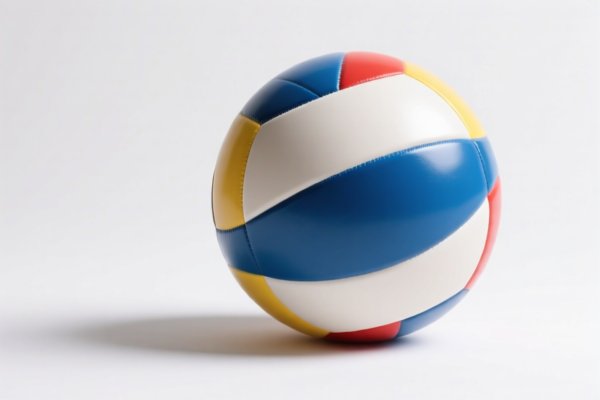
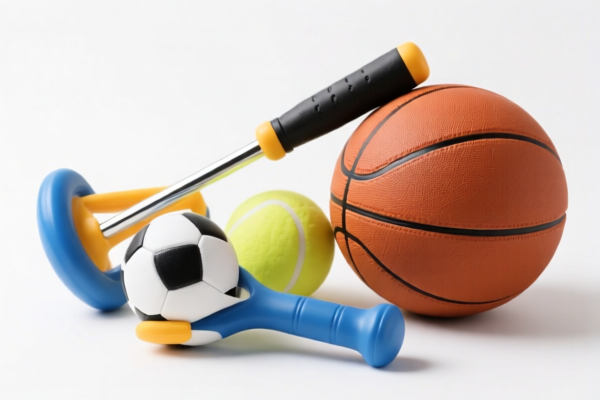

AI Analysis
🏌️♂️ Swing Practice Club (Hitting Practice Bat/Training Bat)
🌐 HS Code Reference & Customs Clearance Guide | 2026 Latest Tariff Analysis | Pro-Level Import Strategy
📌 One, Product Definition & Classification: What Exactly Is a Swing Practice Club?
A swing practice club — also known as a golf swing trainer, practice bat, or training rod — is a specialized sports training tool designed to help athletes (especially golfers) improve their swing mechanics, timing, balance, and muscle memory. It is typically lightweight, often made of plastic, aluminum, or composite materials, and may mimic the shape and feel of a real golf club, but without functional hitting capability.
⚠️ Key Classification Clue:
- If it's used purely for training, no real hitting function, and not intended for actual play → falls under sports training equipment, not actual sports equipment.
- If it resembles a bat/rod but is not for hitting, and is used for form drills, it’s not a "golf club" — it’s a training aid.
📦 Two, HS Code Classification Details (2026 Latest Tariff Authority Match)
| HS Code | Product Description | Applicable Use Case | Material Type | Key Feature |
|---|---|---|---|---|
9506.99.60.80 |
Training rod, used for swing practice; classified as other sports training equipment | Golf, tennis, baseball swing drills | Metal (aluminum, steel), plastic | Non-functional, for form training only |
6602.00.00.00 |
Training rod, classified as a whip-like or walking stick-type item; functionally similar to a walking cane or whip | Balance training, posture correction, mobility drills | Wood, plastic, composite | No striking function, but rod-like form |
3926.90.99.89 |
Training rod made of plastic or non-metallic materials; classified as other plastic products | Lightweight practice tools, beginner training aids | Plastic, rubber, composite | Non-metal, non-structural |
3926.90.99.10 |
Training rod, typically plastic; falls under "other plastic articles" | Low-cost training tools, youth kits, gym equipment | Plastic | Not metal, no mechanical function |
🔍 Critical Insight:
- The material (plastic vs. metal) and intended use (training vs. actual hitting) are the deciding factors in classification.
- Even if it looks like a golf club, if it's not used to strike a ball, it’s not a golf club — it’s a training device.
💰 Three, 2026 Latest Tariff Breakdown (With Detailed Tax Clauses)
✅ Applicable Country: United States (US)
✅ Origin: China (CN)
✅ Effective Date: November 10, 2025 (including subsequent imports)
🎯 1. 9506.99.60.80 — Training Rod (Sports Training Equipment)
| Item | Detail |
|---|---|
| Base Tariff | 4.0% (ad valorem) |
| Section 301 Additional Duty | +7.5% (from USITC Footnote 9903.88.01) |
| Section 122 Clause (Steel/Aluminum/Copper Products) | +10% (applies if metal components are present) |
| Additional 50% Tariff (Steel/Aluminum/Copper) | +50% (if steel, aluminum, or copper is used in core structure) |
| Total Effective Rate | 21.5% (if non-metal) 71.5% (if metal-based, especially steel/aluminum) |
| Tax Calculation | CIF Value × Total Rate |
| De Minimis Exemption? | ❌ No (denied under US law) |
| Legal Basis Path | USITC:9506.99.60.80 → FOOTNOTE:9903.88.01 → SECTION 122:9903.01.24 → SECTION 301:9903.88.01 |
📌 Explanation:
- Base 4%: Standard tariff for sports training tools.
- +7.5% (Section 301): From U.S. Trade Act of 1974 (Section 301), targeting Chinese imports.
- +10% (Section 122): Applies to steel, aluminum, or copper products — even if minor.
- +50% (Steel/Aluminum/Copper): Critical — if the rod has any metal core or frame, this 50% tariff applies on top.
- Total up to 71.5% if metal-based — extremely high.
🎯 2. 6602.00.00.00 — Training Rod (Whip or Walking Stick Type)
| Item | Detail |
|---|---|
| Base Tariff | 4.0% |
| Section 301 Additional Duty | +0.0% (no 301 duty on this code) |
| Section 122 Clause (Steel/Aluminum/Copper) | +10% (if metal is used) |
| Additional 50% Tariff (Steel/Aluminum/Copper) | +50% (if metal present) |
| Total Effective Rate | 14.0% (if non-metal) 64.0% (if metal-based) |
| Tax Calculation | CIF × Total Rate |
| De Minimis Exemption? | ❌ No |
| Legal Basis Path | 6602.00.00.00 → SECTION 122:9903.01.24 |
📌 Explanation:
- This code treats the item as a whip-like or walking stick — not a sports tool.
- No Section 301 duty, but still subject to 122 clause + 50% metal tariff.
- Best for non-metal, rod-shaped training aids (e.g., bamboo, plastic, wood).
- Avoid if metal is used — risk of 64% total tariff.
🎯 3. 3926.90.99.89 & 3926.90.99.10 — Training Rod (Plastic or Non-Metal)
| Item | Detail |
|---|---|
| Base Tariff | 5.3% |
| Section 301 Additional Duty | +7.5% |
| Section 122 Clause (Steel/Aluminum/Copper) | +10% (if metal present) |
| Additional 50% Tariff (Steel/Aluminum/Copper) | +50% (if metal present) |
| Total Effective Rate | 22.8% (if non-metal plastic) 72.8% (if metal-based) |
| Tax Calculation | CIF × Total Rate |
| De Minimis Exemption? | ❌ No |
| Legal Basis Path | 3926.90.99.89/10 → FOOTNOTE:9903.88.01 → SECTION 122:9903.01.24 |
📌 Explanation:
- These codes apply to plastic or non-metallic products.
- Higher base rate (5.3%), but still subject to 7.5% 301 + 10% 122 + 50% metal tariff.
- Best for plastic-only training rods — no metal parts.
- Avoid if any metal is used — 72.8% total tariff.
🛠️ Four, Customs Clearance Best Practices (Real-World Tips)
✅ 1. Documentation Checklist (Must-Have)
| Document | Required? | Notes |
|---|---|---|
| ✅ Product Specification Sheet | ✔️ | Include material, dimensions, weight, intended use |
| ✅ Product Photos (with label) | ✔️ | Show shape, material, no ball-striking parts |
| ✅ User Manual / Training Guide | ✔️ | Must state “For Training Only – Not for Actual Play” |
| ✅ Third-Party Test Report | ✔️ | RoHS, CE, FCC (if applicable) |
| ✅ Commercial Invoice | ✔️ | Clearly state: “Swing Practice Training Rod, Non-Functional, For Training Use Only” |
| ✅ Certificate of Origin (CO) | ✔️ | If from China, may be needed for tariff calculation |
| ✅ Packing List | ✔️ | Show no actual golf balls, clubs, or functional parts |
✅ 2.申报技巧 (Key Rules to Remember)
🔥 “No Strike, No Swing, No Duty — But Watch the Metal!”
| Scenario | Correct HS Code | Wrong Code | Risk |
|---|---|---|---|
| Plastic rod, no metal, for swing drills | 3926.90.99.89 or 3926.90.99.10 |
9506.99.60.80 |
Higher tariff |
| Metal rod (aluminum), for training | 9506.99.60.80 |
3926.90.99.10 |
50% extra tariff! |
| Wooden rod, no metal, looks like cane | 6602.00.00.00 |
9506.99.60.80 |
64% tariff if metal used |
| Rod with plastic core, metal tip | ❌ Avoid all plastic codes | 3926.90.99.10 |
50% metal tariff applies! |
✅ Best Practice:
- Declare material truthfully — if metal, must use9506.99.60.80and pay 71.5% if steel/aluminum.
- If plastic only, use3926.90.99.89/10→ 22.8% — lower than metal.
✅ 3. Special Cases & Solutions
| Situation | Recommended Action |
|---|---|
| Rod has aluminum shaft | Use 9506.99.60.80 → 71.5% total tariff — no escape |
| Rod is 100% plastic, no metal | Use 3926.90.99.89 → 22.8% — best rate |
| Rod looks like a golf club but no ball contact | Do NOT call it “golf club” — use “training rod” or “swing aid” |
| Importing in bulk | Apply for Advance Ruling (Pre-Ruling) to lock in HS Code & tariff |
| From Vietnam/Mexico/Thailand | Can apply for IEEPA exemption → 0% tariff on some codes |
🌍 Five, Global Market Comparison (2026 Update)
| Country/Region | Recommended HS Code | Tariff | Certification | Notes |
|---|---|---|---|---|
| 🇺🇸 USA | 9506.99.60.80 |
21.5% (plastic), 71.5% (metal) | FCC, RoHS | High risk if metal used |
| 🇨🇳 China | 9506.99.60.80 |
5% | CCC | No 301/122 tariffs |
| 🇪🇺 EU | 9506.99.60.80 |
0% (if CE compliant) | CE | No extra duties |
| 🇦🇺 Australia | 9506.99.60.80 |
5% | RCM | No 301/122 |
| 🇯🇵 Japan | 9506.99.60.80 |
0% | PSE | No extra tariffs |
📌 Takeaway:
- USA is the only market with 301 + 122 + 50% metal tariffs.
- Plastic-only rods are safest in the U.S.
- Metal rods = disaster in U.S. — 71.5% tariff.
📌 Six, Common Mistakes & Warning Signs (Avoid These!)
❌ Mistake 1: Calling a plastic training rod a “golf club”
👉 Result: Misclassified as 9509.20.00 → 30% tariff, no 301, but still wrong.
❌ Mistake 2: Using 3926.90.99.10 for a metal rod
👉 Result: 50% extra tariff applied → 72.8% total → huge penalty.
❌ Mistake 3: Not disclosing metal content
👉 Result: Customs finds metal → reclassification + back taxes + penalties.
❌ Mistake 4: Not including “For Training Only” in invoice
👉 Result: Customs suspects it’s a real club → higher scrutiny.
✅ Correct Labeling Example:
"Swing Practice Training Rod, 36-inch, Plastic, Non-Functional, For Golf Form Training Only, Not for Actual Ball Striking"
🎯 Seven, Conclusion: Precision Pays Off!
🎯 Remember the Golden Rule:
🔹 “If it doesn’t hit a ball, it’s not a club — it’s a training rod.”
🔹 “Plastic = lower tariff. Metal = 71.5%.”
🔹 “Declare truthfully — or pay the price.”
📌 Pro Tip:
✅ Apply for an Advance Ruling (Pre-Ruling) before shipping — lock in your HS Code & tariff.
✅ Use plastic-only materials if shipping to the U.S.
✅ Avoid steel/aluminum cores unless absolutely necessary.
📣 Act Now!
📞 Contact a U.S.-licensed customs broker + provide product photos + request HS Code pre-ruling
🚀 Avoid surprises, save 50%+ in tariffs, and ship with confidence!
✨ Professional Clearance Starts with Accurate Classification!
💼 Your product’s fate is in the HS Code — get it right the first time!
Customer Reviews
About HS Code Classification
The Harmonized System (HS) is an internationally standardized nomenclature developed by the World Customs Organization (WCO) to classify traded products. Over 200 countries use the HS system as the basis for customs tariffs, trade statistics, and import/export regulations.
Each HS code follows a hierarchical structure:
- Chapter (2 digits) — Broad category of goods (e.g., Chapter 84: Machinery and Mechanical Appliances)
- Heading (4 digits) — More specific grouping within the chapter
- Subheading (6 digits) — Internationally standardized breakdown, used by all WCO member countries
- National subdivisions (8-10 digits) — Country-specific extensions for further classification, such as US HTSUS 10-digit codes
Correct HS code classification is essential for smooth customs clearance, accurate duty payment, and compliance with trade regulations. Misclassification can lead to customs delays, overpayment of duties, or penalties.
When importing from CN to US, the applicable tariff rates may include:
- Most-Favored-Nation (MFN) rate — The standard duty rate applied to WTO members
- General rate — Applied to countries without trade agreements
- Trade remedy duties — Additional tariffs such as Section 301 (anti-dumping), Section 232 (national security), or countervailing duties
The information provided on this page is for reference purposes only. For official classification, please consult with your local customs authority or a licensed customs broker.