排气系统
CN → US| HS Code | Tariff Rate | Origin | Destination | Doc |
|---|---|---|---|---|
| 7307995045 | 89.3% | CN | US | Official Doc |
| 7307933040 | 91.2% | CN | US | Official Doc |
| 7323999080 | 88.4% | CN | US | Official Doc |
| 7323997000 | 65.3% | CN | US | Official Doc |
| 8708925000 | 37.5% | CN | US | Official Doc |
| 8708927500 | 37.5% | CN | US | Official Doc |
Product Images
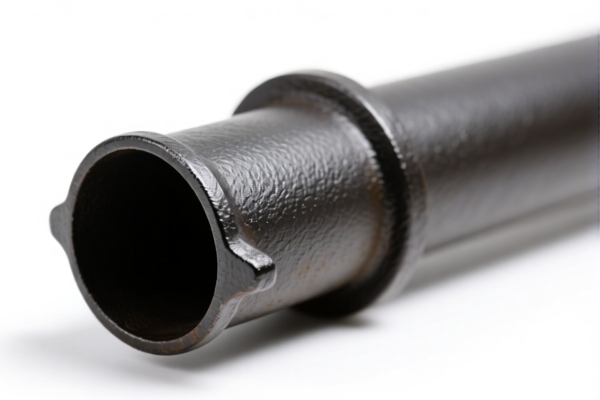
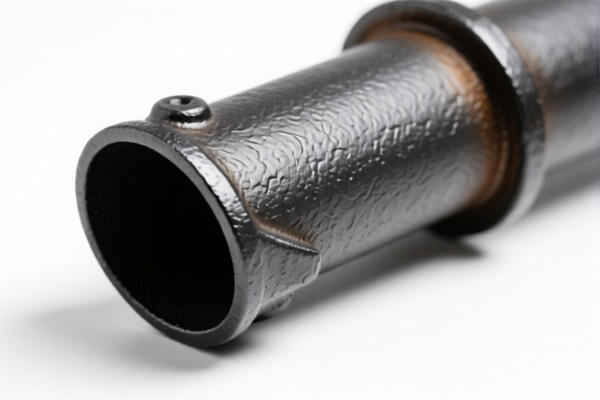
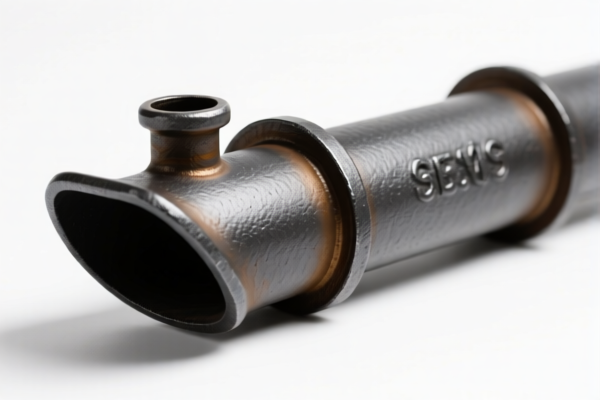
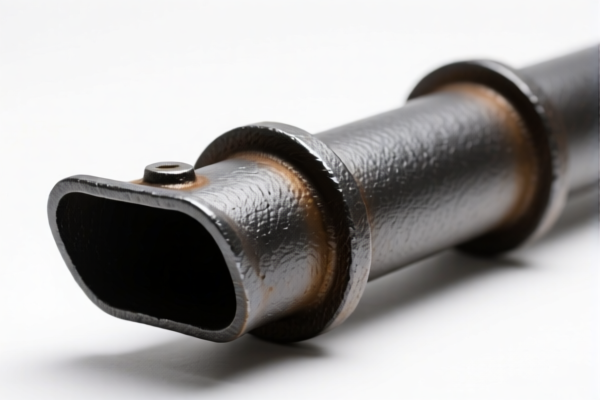
AI Analysis
🚗 Exhaust Systems (Automotive Exhaust Components)
🌐 HS Code Reference & Customs Clearance Guide | 2026 Latest Tariff Analysis | Professional Level Clearance Strategy
📌 I. Product Definition & Classification: What Exactly is an "Exhaust System"?
An exhaust system is a critical component of any internal combustion engine vehicle, designed to manage exhaust gases, reduce noise, and minimize environmental impact. In international trade, these components are often classified based on their functional role (silencing/flow control) vs. material/structural form (pipe fittings).
1. Functional Classification (Silencers & Pipes): * Mufflers (Silencers): Devices specifically designed to reduce noise. * Exhaust Pipes/Hoses: Flexible or rigid tubes connecting engine components. * Complete Assemblies: Often categorized as "Parts and Accessories" for automotive vehicles if they don't fit specific material-based headings.
2. Material-Based Classification (Fittings): * Welded Fittings: Pieces made of iron or non-alloy steel, used to connect pipes. * If the item is primarily a steel fitting (e.g., a coupler or flange) without the complex acoustic structure of a muffler, it may be classified under Chapter 73 (Articles of Iron or Steel).
⚠️ Key Distinction Point: * If the product is a Muffler, Resonator, or complete Pipe Assembly designed for noise reduction/flow → Classify under Chapter 87 (Parts of Motor Vehicles). * If the product is a simple Steel Pipe Fitting (e.g., a welded elbow or coupler) sold separately as a hardware item → Classify under Chapter 73 (Articles of Iron/Steel).
📦 II. HS Code Classification Details (2026 Latest Tariff Authority Comparison)
Based on the provided data, here are the three most likely HS Codes for exhaust system components, ranging from functional automotive parts to structural steel fittings.
| HS Code | Product Description | Application Scenario | Functional/Structural Basis |
|---|---|---|---|
8708.92.75.00 |
Other parts of silencers and exhaust pipes (Catch-all/Caption) | Mufflers, resonators, complete exhaust assemblies that don't fit specific sub-headings. | ✅ Functional: Fits the "catch-all" category for silencers/exhaust pipes under automotive parts. |
8708.92.50.00 |
Silencers (mufflers) and exhaust pipes | Standard mufflers, catalytic converters (if applicable), and rigid exhaust pipes. | ✅ Functional: Directly matches the use and function of silencers/exhaust pipes. |
7307.93.30.40 |
Flanged fittings of iron or non-alloy steel | Steel exhaust couplers, welded elbows, or pipe fittings made of steel/iron, classified by material rather than vehicle function. | ❌ Material-Based: Based on material (iron/non-alloy steel) and form (welded fittings), ignoring vehicle-specific function. |
🔍 Critical Reminder: *
8708.92.75.00is described as a "Catch-all" (兜底类目) for silencers and exhaust pipes that match use/function but don't have a more specific sub-code. *7307.93.30.40applies if customs authorities deem the item primarily a "Welded Fitting" made of steel/iron, rather than an automotive "Part." This is a high-risk classification due to significantly higher tariffs.
💰 III. 2026 Latest Tariff Rate Breakdown (Including Surtaxes & Policy Add-ons)
✅ Applicable Country: United States (US)
✅ Origin: China (CN)
✅ Effective Date: Post-2025 (Including subsequent imports)
🎯 1. 8708.92.75.00 & 8708.92.50.00 —— Automotive Exhaust Parts (Silencers/Pipes)
Both codes share the same tariff structure in the provided data.
| Item | Content |
|---|---|
| Base Duty Rate | 2.5% (ad valorem) |
| Section 301 Surtax | +25.0% (Targeted at Chinese goods) |
| Section 122 Surtax | +10.0% (Specific additional tariff clause) |
| Total Effective Rate | 37.5% |
| Tax Calculation | CIF Value × 37.5% |
| De Minimis Eligibility | ❌ Not Eligible (High tariffs typically waive de minimis benefits) |
| Legal Basis Path | USITC:8708.92.50.00 → FOOTNOTE:Section 301 → FOOTNOTE:Section 122 |
📌 Explanation: * "Base Duty 2.5%": Standard Most-Favored-Nation (MFN) rate for auto parts. * "Section 301 Surtax 25%": The major tariff under US Trade Law Section 301 against China. * "Section 122 Tariff 10%": An additional tariff, possibly under Section 232 (National Security) or specific trade remedy provisions, applied to steel/aluminum or specific auto parts. * Total 37.5%: This is the standard high tariff for functional automotive exhaust parts.
🎯 2. 7307.93.30.40 —— Steel/Iron Pipe Fittings (Material-Based)
⚠️ WARNING: This classification carries a significantly higher total tax burden.
| Item | Content |
|---|---|
| Base Duty Rate | 6.2% (ad valorem) |
| Section 301 Surtax | +25.0% (Targeted at Chinese goods) |
| Section 122 Surtax | +10.0% (Specific additional tariff clause) |
| Steel/Aluminum/Copper Surtax | +50.0% (Additional duty on steel products) |
| Total Effective Rate | 91.2% |
| Tax Calculation | CIF Value × 91.2% |
| De Minimis Eligibility | ❌ Not Eligible |
| Legal Basis Path | USITC:7307.93.30.40 → FOOTNOTE:Section 301 → FOOTNOTE:Section 122 → FOOTNOTE:Steel/Copper Surtax |
📌 Critical Analysis: * "Base Duty 6.2%": Higher base rate for steel fittings compared to auto parts. * "Steel Surtax 50%": This is the killer clause. Under recent trade policies (often linked to Section 232 or similar steel/aluminum duties), steel products face an additional 50% tariff. * "Total 91.2%": This rate is exorbitant. It makes importing steel exhaust fittings under Chapter 73 commercially unviable unless duties are avoided through country of origin shifts. * Why so high? Customs may reclassify "exhaust pipes" as "steel articles" if they lack specific automotive part designation, triggering the steep steel tariff.
🛠️ IV. Customs Clearance Practical Advice (Avoiding Pitfalls)
✅ 1. Documentation Checklist (Non-negotiable)
| Document | Required? | Explanation |
|---|---|---|
| ✅ Product Specification Sheet | ✔️ | Must clearly state: "Automotive Exhaust Muffler" or "Exhaust Pipe Assembly." Include Part Number, Vehicle Application (Year/Make/Model). |
| ✅ Material Declaration | ✔️ | Explicitly state material (e.g., "Stainless Steel 409," "Aluminized Steel"). Crucial to distinguish from plain carbon steel fittings if claiming Chapter 87. |
| ✅ Function Statement | ✔️ | State: "Used to reduce engine noise and direct exhaust gases." Avoid vague terms like "Pipe Fitting." |
| ✅ Photos (Clear & Detailed) | ✔️ | Show the entire assembly, branding, labels, and connection points. |
| ✅ Commercial Invoice | ✔️ | Description must match HS Code. Use "Automotive Exhaust System Component" not "Steel Pipe." |
| ✅ Packing List | ✔️ | Ensure no loose, unclassified steel pipes are mixed in. |
✅ 2. Declaration Strategy (Key Mantras)
🔥 "Functional First, Material Second! Don't let steel trump function!"
| Scenario | Correct Declaration | Incorrect Approach |
|---|---|---|
| Complete Muffler/Assembly | 8708.92.50.00 or 8708.92.75.00 |
Classifying as "Steel Pipe" → 91.2% Tax |
| Exhaust Hoses/Connectors | 8708.92.75.00 (Catch-all) |
Classifying as "Iron Fittings" → 91.2% Tax |
| Simple Steel Coupler (No Automotive Context) | 7307.93.30.40 |
N/A (This is the correct, but expensive, code) |
| OEM Part with Branding | 8708.92.50.00 |
Using generic "Pipe" description → Risk of Audit |
✅ 3. Special Case Handling
| Situation | Handling Advice |
|---|---|
| Mixed Containers | If a container has both complete mufflers (8708) and loose steel pipes (7307), declare separately. Never mix them under one description. |
| Stainless Steel Parts | Stainless steel exhaust parts still attract the 25% Section 301 tariff, but may avoid the 50% "Steel/Aluminum/Copper" surtax if correctly classified under Chapter 87. Always aim for Chapter 87. |
| Pre-Assembly Kits | If sold as a "Kit" (Muffler + Pipe + Hangers), declare as one unit under 8708.92.50.00. Do not split into components. |
| Origin Marking | Ensure products are marked "Made in China." This triggers the Section 301 tariffs. |
🌍 V. Global Market Customs Comparison (2026 Latest)
| Country/Region | Recommended HS Code | Tariff (China Origin) | Key Certifications | Notes |
|---|---|---|---|---|
| 🇺🇸 USA | 8708.92.50.00 / 8708.92.75.00 |
37.5% (Best Case) | None specific (EPA/CARB for street use) | 91.2% if misclassified as Steel Fitting (7307) |
| 🇨🇳 China | 8708.92.50.00 |
5-10% | CCC (if applicable) | Low base duty |
| 🇪🇺 EU | 8708.92.50.00 |
0-4.5% | E-Mark (Type Approval) | No major surtaxes |
| 🇲🇽 Mexico | 8708.92.50.00 |
0% (USMCA) | NOM | Check USMCA rules of origin |
| 🇯🇵 Japan | 8708.92.50.00 |
0% | JIS Standard | Low barriers |
📌 Conclusion: * The US market is the most challenging due to the 37.5%–91.2% tariff wedge. * Classification is everything: Misclassifying an exhaust muffler as a "steel fitting" increases costs by 53.7 percentage points. * China origin is the primary driver of the Section 301 + 122 tariffs.
📌 VI. Common Errors & Pitfall Guide (Lessons Learned)
❌ Error 1: Declaring "Exhaust Pipes" as "Iron Fittings" (7307)
👉 Consequence: Tax jumps from 37.5% to 91.2%.
Solution: Emphasize automotive application in the description.
❌ Error 2: Splitting a "Muffler Assembly" into "Muffler" + "Flange"
👉 Consequence: The flange might be classified as 7307 (91.2%), while the muffler is 8708 (37.5%). Total cost skyrockets.
Solution: Declare as a single unit "Exhaust Assembly."
❌ Error 3: Ignoring "Section 122" Tariff
👉 Consequence: Underestimating total cost by 10%.
Solution: Always calculate Base + 301 + 122 + Steel Surtax (if applicable).
❌ Error 4: Using Generic Names like "Pipe" or "Tube"
👉 Consequence: Customs may assume 7307 classification.
Solution: Use specific terms: "Automotive Muffler," "Exhaust System Component."
✅ Correct Declaration Example:
"Automotive Exhaust Muffler, Stainless Steel, Part No. XYZ, for Ford F-150, Made in China, Subject to Section 301 & 122 Duties."
🎯 VII. Conclusion: Precision Classification Saves Millions!
🎯 Remember the Mantra:
🔹 "Function Over Material! 8708 is King, 7307 is the Trap!"
🔹 "37.5% vs 91.2%: A 50% difference decides your profit margin!"
🔹 "Don't let 'Steel' define your product; let 'Car Part' define it!"
📌 Pro Tip: If your exhaust system parts are stainless steel, they are still subject to Section 301 tariffs but may avoid the 50% steel surtax if correctly classified under Chapter 87. Always consult a customs broker to draft a Pre-Ruling Request for high-volume shipments.
📣 Take Action Now:
📞 Contact a licensed customs broker
📄 Provide detailed product photos and functional descriptions
🚀 Apply for HS Code Pre-Ruling to lock in the 37.5% rate and avoid the 91.2% pitfall!
✨ Professional Clearance Starts with Accurate Classification!
💼 Every Percentage Point Saved is Pure Profit!
Customer Reviews
About HS Code Classification
The Harmonized System (HS) is an internationally standardized nomenclature developed by the World Customs Organization (WCO) to classify traded products. Over 200 countries use the HS system as the basis for customs tariffs, trade statistics, and import/export regulations.
Each HS code follows a hierarchical structure:
- Chapter (2 digits) — Broad category of goods (e.g., Chapter 84: Machinery and Mechanical Appliances)
- Heading (4 digits) — More specific grouping within the chapter
- Subheading (6 digits) — Internationally standardized breakdown, used by all WCO member countries
- National subdivisions (8-10 digits) — Country-specific extensions for further classification, such as US HTSUS 10-digit codes
Correct HS code classification is essential for smooth customs clearance, accurate duty payment, and compliance with trade regulations. Misclassification can lead to customs delays, overpayment of duties, or penalties.
When importing from CN to US, the applicable tariff rates may include:
- Most-Favored-Nation (MFN) rate — The standard duty rate applied to WTO members
- General rate — Applied to countries without trade agreements
- Trade remedy duties — Additional tariffs such as Section 301 (anti-dumping), Section 232 (national security), or countervailing duties
The information provided on this page is for reference purposes only. For official classification, please consult with your local customs authority or a licensed customs broker.