搞笑眼镜
CN → US| HS Code | Tariff Rate | Origin | Destination | Doc |
|---|---|---|---|---|
| 7117904500 | 10.0% | CN | US | Official Doc |
| 9004100000 | 19.5% | CN | US | Official Doc |
| 7117196000 | 17.5% | CN | US | Official Doc |
| 9004900090 | 20.0% | CN | US | Official Doc |
| 9503000073 | 10.0% | CN | US | Official Doc |
Product Images
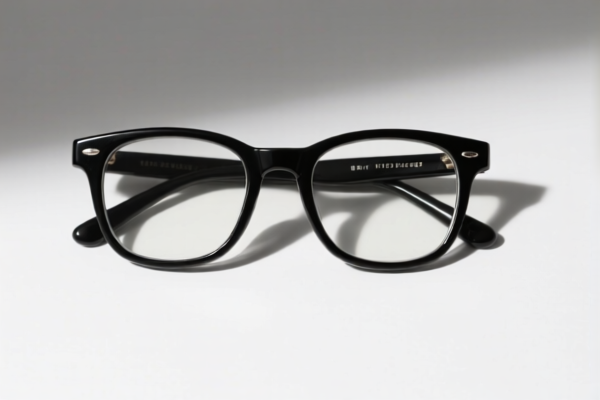
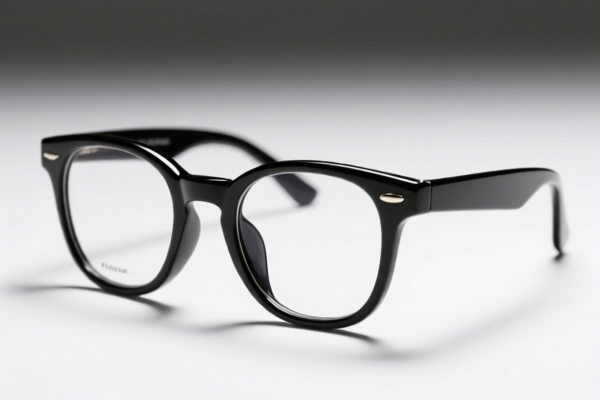

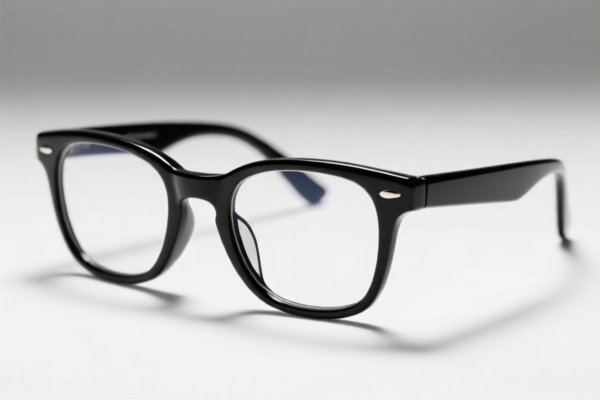
AI Analysis
👓 Funny Glasses (Comedic/Novelty Eyewear)
🌐 HS Code Reference & Customs Clearance Guide | 2026 Latest Tariff Analysis | Professional Clearance Strategy
📌 I. Product Definition & Classification: Do You Really Know "Funny Glasses"?
"Funny Glasses" are not a single commodity in international trade. They are functional accessories whose classification depends entirely on their primary design intent and material composition. Are they toys meant to be played with? Or are they novelty spectacles meant to be worn as optical frames?
In the context of cross-border e-commerce and import customs (specifically targeting the US market based on the provided data), these items fall into two distinct legal categories: 1. Toy Accessories/Novelty Jewelry: Designed primarily for amusement, dress-up, or play. 2. Optical/Spectacle Frames: Designed to hold lenses, even if decorative or "gag" in nature.
⚠️ Critical Distinction Point:
- If the item is made of cheap plastic/metal and shaped like glasses but sold as a costume prop or toy → Classified under Chapter 71 (Imitation Jewelry) or Chapter 95 (Toys).
- If the item is structured as eyewear frames (even for jokes, pranks, or sunglasses) → Classified under Chapter 90 (Optical/Photographic Instruments).
📦 II. HS Code Classification Details (2026 Latest Tariff Authority Comparison)
| HS Code | Product Description | Application Scenario | Material/Form |
|---|---|---|---|
7117.90.45.00 |
Imitation Jewelry: Accessories of a Toy Nature | Costume parties, kids' dress-up, decorative necklaces/glasses | Toy-like accessories |
7117.19.60.00 |
Imitation Jewelry: Base Metal or Plastic | Costume glasses, plastic "prop" eyewear | Base metal/plastic toy/decor |
9004.10.00.00 |
Sunglasses/Glasses: Novelty/Decorative Use | Prank glasses, oversized novelty frames, gag eyewear | Optical category |
9004.90.00.90 |
Other Optical Appliances: Non-safety Eyewear | Unspecified funny glasses not fitting sunglasses definition | Other optical frames |
9503.00.00.73 |
Toys: Other Toys (Novelty Accessories) | Playable toy glasses, accessories for dollhouses/toy sets | Toy form/accessory |
🔍 Key Reminder:
- "Funny" does not mean "Free from Duty." Even if it’s a joke, if it’s imported into the US from China, it likely incurs Section 301 (122 Clause) tariffs. - Chapter 90 vs. Chapter 71/95: Customs officers often scrutinize "funny glasses." If it looks like a frame with earpieces, they may push for 9004. If it’s clearly a flimsy plastic toy with no functional lens holders, they may accept 7117 or 9503. - Misclassification Risk: Declaring toy glasses as "eyewear" may trigger higher duties if not careful, or vice versa. Precision is key.
💰 III. 2026 Latest Tariff Rate Breakdown (Including Surtaxes, Policy Add-ons)
✅ Applicable Country: United States (US)
✅ Origin: China (CN)
✅ Effective Date: Includes imports from November 10, 2025 (and subsequent)
🎯 1. 7117.90.45.00 —— Imitation Jewelry: Toy-Nature Accessories
| Item | Detail |
|---|---|
| Base Tariff | 0.0% (ad valorem) |
| Section 301 Surtax | 0.0% |
| 122 Clause Tariff | +10% (USIEEPA/Section 122 measure on specific items) |
| Total Rate | 10.0% |
| Tax Calculation | CIF Value × 10% |
| De Minimis Eligibility | ❌ No (Subject to strict scrutiny if high volume) |
| Legal Basis Path | IEEPA:122 → USITC:7117.90.45.00 |
📌 Explanation:
- This code applies to accessories that are toy-like in nature (e.g., plastic glasses for kids' play).
- The 10% "122 Clause" is a specific additional tariff applied to certain categories of goods. Note that base and Section 301 are 0%, making this one of the lower-cost options for funny glasses, if correctly classified as toy/jewelry.
🎯 2. 9004.10.00.00 —— Glasses: Novelty/Fun Decorative Use (Sunglasses Category)
| Item | Detail |
|---|---|
| Base Tariff | 2.0% |
| Section 301 Surtax | 7.5% |
| 122 Clause Tariff | +10% |
| Total Rate | 19.5% |
| Tax Calculation | CIF Value × 19.5% |
| De Minimis Eligibility | ❌ No |
| Legal Basis Path | IEEPA:9903 → USITC:9004.10.00.00 → FOOTNOTE:122 |
📌 Explanation:
- If customs classifies your "funny glasses" as eyewear/sunglasses (even if decorative), they fall under 9004.
- This incurs higher duties due to the base rate (2%) + Section 301 (7.5%) + 122 Clause (10%).
- Warning: Do not use this code for toy props; if it’s not wearable eyewear, you risk penalties for misclassification.
🎯 3. 7117.19.60.00 —— Imitation Jewelry: Base Metal or Plastic
| Item | Detail |
|---|---|
| Base Tariff | 0.0% |
| Section 301 Surtax | 7.5% |
| 122 Clause Tariff | +10% |
| Total Rate | 17.5% |
| Tax Calculation | CIF Value × 17.5% |
| De Minimis Eligibility | ❌ No |
| Legal Basis Path | IEEPA:9903 → USITC:7117.19.60.00 → FOOTNOTE:122 |
📌 Explanation:
- Applicable for glasses made of base metal or plastic that are classified as imitation jewelry (not strictly "toy" but also not "optical").
- Includes Section 301 (7.5%) which pushes the total up to 17.5%.
- Use Case: Plastic "gag glasses" sold as party favors but not strictly defined as toys.
🎯 4. 9004.90.00.90 —— Other Optical Appliances: Non-Safety Eyewear
| Item | Detail |
|---|---|
| Base Tariff | 2.5% |
| Section 301 Surtax | 7.5% |
| 122 Clause Tariff | +10% |
| Total Rate | 20.0% |
| Tax Calculation | CIF Value × 20.0% |
| De Minimis Eligibility | ❌ No |
| Legal Basis Path | IEEPA:9903 → USITC:9004.90.00.90 → FOOTNOTE:122 |
📌 Explanation:
- The highest duty option in the dataset.
- Used for funny glasses that are technically "eyewear" but don’t fit standard sunglasses or prescription categories.
- Avoid unless necessary; the 2.5% base rate makes it expensive compared to toy/jewelry classifications.
🎯 5. 9503.00.00.73 —— Toys: Other Novelty Accessories
| Item | Detail |
|---|---|
| Base Tariff | 0.0% |
| Section 301 Surtax | 0.0% |
| 122 Clause Tariff | +10% |
| Total Rate | 10.0% |
| Tax Calculation | CIF Value × 10.0% |
| De Minimis Eligibility | ❌ No |
| Legal Basis Path | IEEPA:122 → USITC:9503.00.00.73 |
📌 Explanation:
- The most cost-effective legal classification for "funny glasses" if they are marketed as toys or play accessories.
- Like7117.90.45.00, it only incurs the 10% 122 Clause tariff.
- Best Strategy: If your product is flimsy, non-functional as eyewear, and sold in toy aisles, force the classification here.
🛠️ IV. Customs Clearance Practical Advice (Battle-Tested Pitfall Guide)
✅ 1. Essential Documentation Checklist (Non-Negotiable)
| Document | Required | Explanation |
|---|---|---|
| ✅ Product Photos | ✔️ | Clear images showing if it’s a toy (bright colors, plastic) or eyewear (earpieces, lens holders). |
| ✅ Product Description | ✔️ | Explicitly state: "Plastic Toy Glasses for Costume Play" OR "Novelty Eyewear Frames". |
| ✅ Material Declaration | ✔️ | Specify if plastic, base metal, or optical-grade plastic. |
| ✅ Usage Statement | ✔️ | "For decorative/toy purposes only" vs. "Wearable eyewear." |
| ✅ Commercial Invoice | ✔️ | Ensure HS Code matches the description exactly. |
| ✅ Customs Ruling (Optional) | ✔️ | For high-volume shipments, apply for a Binding Tariff Information (BTI) or US Advance Ruling. |
✅ 2. Declaration Strategy (Key Mantra)
🔥 "Toy vs. Wear: Know your nature! Toy is 10%, Wear is 17-20%!"
| Scenario | Correct Declaration | Wrong Declaration |
|---|---|---|
| Plastic glasses with no lens holders, sold with other toys | 9503.00.00.73 (10%) |
9004.10.00.00 → Pay 19.5% ❌ |
| Flimsy glasses for Halloween costumes | 7117.90.45.00 (10%) |
9004.90.00.90 → Pay 20% ❌ |
| Sturdy "gag glasses" meant to be worn on face | 9004.10.00.00 (19.5%) |
9503.00.00.73 → Risk of misclassification penalty ❌ |
| Plastic glasses sold as jewelry/accessories | 7117.19.60.00 (17.5%) |
7117.90.45.00 → Higher duty if deemed "toy" but not jewelry ❌ |
✅ 3. Special Cases Handling
| Situation | Handling Advice |
|---|---|
| Mixed Shipment (Toys + Eyewear) | Separate them! Do not declare toy glasses under 9004 to save money; customs audits will catch it. |
| Packaging Says "Toy" | Use this to your advantage. If packaging markets it as a toy/costume, 9503 or 7117 is defensible. |
| Packaging Says "Fashion Eyewear" | You must use 9004. Avoid 9503 to prevent fraud accusations. |
| High Value/Volume | Consider Advance Ruling from US Customs (CBP). It provides legal certainty for the 10% vs. 20% difference. |
🌍 V. Global Market Comparison (2026 Latest)
| Country/Region | Recommended HS Code | Tariff Rate (China Origin) | Key Certifications | Notes |
|---|---|---|---|---|
| 🇺🇸 USA | 9503.00.00.73 (if toy) |
10% (Total) | CPC (Toy Safety) | Best Rate if classified as toy. 122 Clause applies. |
| 🇺🇸 USA | 9004.10.00.00 (if wear) |
19.5% (Total) | No specific toy cert | Higher cost. Check for optical standards. |
| 🇪🇺 EU | 9503.00 / 9004 |
0% - 4% | CE + CPSR | No Section 301 or 122. Much cheaper than US. |
| 🇨🇳 China | 9503.00 / 9004 |
0% - 10% | CCC (if optical) | Domestic tax benefits. |
📌 Conclusion:
- US Market: The 10% rate for toy/jewelry classification is a major advantage over the 17-20% for eyewear.
- Strategy: Market and package "funny glasses" as costume accessories or toys to qualify for9503or7117.90.45.00.
📌 VI. Common Mistakes & Pitfalls (Blood-Tested Lessons)
❌ Mistake 1: Declaring toy glasses as "Eyewear" (9004) to avoid toy safety checks.
👉 Consequence: You pay ~10% more in duties unnecessarily. Safety checks apply to toys regardless, but duty savings are real.
❌ Mistake 2: Declaring wearable glasses as "Toys" (9503) to save tax.
👉 Consequence: Customs Rejection. If it has earpieces and lens frames, it’s eyewear. Fines + Back Taxes.
❌ Mistake 3: Ignoring the 122 Clause.
👉 Consequence: All items above include the 10% 122 Clause. Forgetting this leads to underpayment and seizures.
❌ Mistake 4: Using vague descriptions like "Funny Glasses."
👉 Consequence: Customs will assign a high-default code (often 9004). Always specify: "Plastic Novelty Toy Glasses" or "Novelty Spectacle Frames."
✅ Correct Approach:
"Plastic Novelty Toy Glasses for Costume Use, Not Intended for Vision Correction, Model XYZ, CPC Certified"
🎯 VII. Conclusion: Smart Classification, Maximum Savings!
🎯 Remember the Mantra:
🔹 "Toy is 10%, Wear is 20%, Pick the right box or pay the cost!"
🔹 "122 Clause hits everyone, 10% extra is non-negotiable!"
🔹 "If it breaks, it’s a toy. If it stays on, it’s eyewear."
📌 Pro Tip:
If your "funny glasses" are durable plastic and look like real glasses, you must use 9004. However, if they are flimsy, colorful, and clearly for play, aggressively market them as toys and use 9503.00.00.73 or 7117.90.45.00 to save nearly 10% in duties.
📣 Immediate Action:
📞 Contact a customs broker before shipping. Provide photos.
🚀 Get a Pre-Ruling if volume is high.
💰 Save 10% per unit = Huge margin boost!
✨ Professional Clearance Starts with Precise Classification!
💼 Your Product is Funny, But Your Taxes Should Be Serious!
Customer Reviews
About HS Code Classification
The Harmonized System (HS) is an internationally standardized nomenclature developed by the World Customs Organization (WCO) to classify traded products. Over 200 countries use the HS system as the basis for customs tariffs, trade statistics, and import/export regulations.
Each HS code follows a hierarchical structure:
- Chapter (2 digits) — Broad category of goods (e.g., Chapter 84: Machinery and Mechanical Appliances)
- Heading (4 digits) — More specific grouping within the chapter
- Subheading (6 digits) — Internationally standardized breakdown, used by all WCO member countries
- National subdivisions (8-10 digits) — Country-specific extensions for further classification, such as US HTSUS 10-digit codes
Correct HS code classification is essential for smooth customs clearance, accurate duty payment, and compliance with trade regulations. Misclassification can lead to customs delays, overpayment of duties, or penalties.
When importing from CN to US, the applicable tariff rates may include:
- Most-Favored-Nation (MFN) rate — The standard duty rate applied to WTO members
- General rate — Applied to countries without trade agreements
- Trade remedy duties — Additional tariffs such as Section 301 (anti-dumping), Section 232 (national security), or countervailing duties
The information provided on this page is for reference purposes only. For official classification, please consult with your local customs authority or a licensed customs broker.