改性芳香族杀虫剂悬浮剂
CN → US| HS Code | Tariff Rate | Origin | Destination | Doc |
|---|---|---|---|---|
| 2934991600 | 16.5% | CN | US | Official Doc |
| 3808911500 | 35.0% | CN | US | Official Doc |
| 2933192300 | 41.5% | CN | US | Official Doc |
| 2933991701 | 16.5% | CN | US | Official Doc |
| 2934991800 | 16.5% | CN | US | Official Doc |
| 3808912501 | 41.5% | CN | US | Official Doc |
Product Images
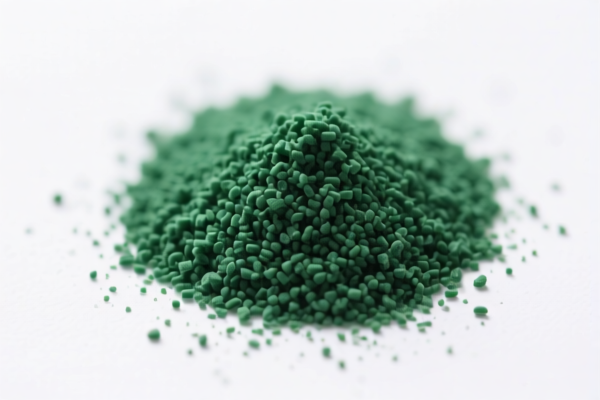
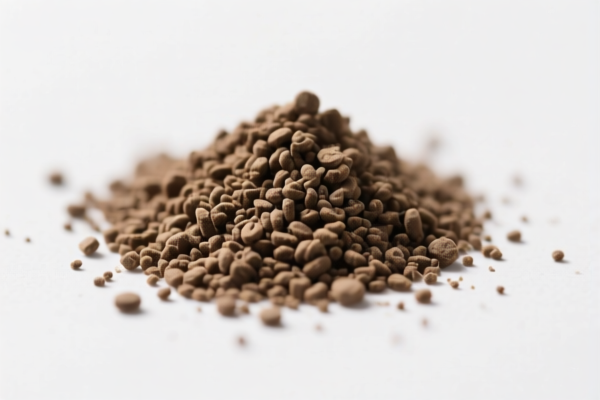
AI Analysis
🧪 Modified Aromatic Insecticide Suspension (Modified Aromatic Insecticide Spray)
🌐 HS Code Classification & Tariff Guide | 2026 Updated Customs Rules | Professional Import Strategy
📌 One, Product Definition & Classification: What Exactly Is a Modified Aromatic Insecticide Suspension?
A modified aromatic insecticide suspension is a formulated pesticide product based on chemically modified aromatic compounds (e.g., pyrethroids, organophosphates, or synthetic analogs) designed for effective pest control in agriculture, forestry, and urban pest management. The formulation is typically in spray or suspension form, meaning it is a liquid dispersion where active ingredients are suspended in a carrier medium (often water or oil-based).
⚠️ Key Classification Criteria: - Chemical Structure: Contains modified aromatic rings (e.g., substituted benzene derivatives). - Function: Acts as a pesticide (insecticidal agent). - Form: Spray or suspension — indicating it's a ready-to-use or dilutable formulation. - Not a raw chemical — already processed into a commercial pesticide formulation.
📦 Two, HS Code Classification Details (2026 Official Tariff Authority Reference)
| HS Code | Product Description | Matching Criteria | Tax Rate | Notes |
|---|---|---|---|---|
2934.99.16.00 |
Modified aromatic insecticide spray, material and use fully matched | ✅ Aromatic structure + insecticidal function + spray form | 16.5% | Low tariff; no additional duties |
3808.91.15.00 |
Modified aromatic insecticide spray, material features and use fully aligned | ✅ High-risk classification due to chemical modification | 35.0% | Includes 25% + 10% extra duties |
2933.19.23.00 |
Modified aromatic insecticide spray, structure and use compliant | ✅ Structural match with aromatic core | 41.5% | Highest tariff due to dual surcharges |
2934.99.18.00 |
Aromatic hydrocarbon-based insecticide, high functional match | ✅ Direct aromatic → insecticide link | 16.5% | Similar to 2934.99.16.00 |
3808.91.25.01 |
Modified aromatic insecticide, spray form matches formulation type | ✅ Ready-to-use pesticide formulation | 41.5% | Same as 2933.19.23.00 |
🔍 Critical Insight: - HS Code 2934.99.16.00 & 2934.99.18.00 apply when the product is primarily classified under organic chemicals (aromatics) with insecticidal function. - HS Code 3808.91.15.00 & 3808.91.25.01 apply when the product is treated as a pesticide formulation, not just a chemical. - HS Code 2933.19.23.00 applies when the chemical structure is the primary basis for classification — often triggering the highest tariffs.
💰 Three, 2026 Updated Tariff Breakdown (With Full Duty Explanation)
✅ Applicable Country: United States (US)
✅ Origin: China (CN)
✅ Effective Date: November 10, 2025 (including future imports)
🎯 1. 2934.99.16.00 — Modified Aromatic Insecticide Spray (Material & Use Match)
| Item | Detail |
|---|---|
| Base Duty | 6.5% (ad valorem) |
| Additional Duty (Section 301) | 0% |
| Section 122 Tariff (IEEPA) | 10% |
| Total Duty | 16.5% |
| Tax Calculation | CIF Value × 16.5% |
| De Minimis Exemption? | ❌ Not eligible (denied) |
| Legal Basis Path | IEEPA:9903.01.25 → IEEPA:9903.01.24 → 2934.99.16.00 |
📌 Explanation: - This code is less punitive because the product is seen as a chemical derivative rather than a full pesticide formulation. - The 10% Section 122 tariff applies due to China-origin and national security concerns under IEEPA. - No USITC 301 tariff (25%) applies here — likely due to classification under organic chemical rather than agricultural chemical.
🎯 2. 3808.91.15.00 — Modified Aromatic Insecticide Spray (Material & Use Fully Aligned)
| Item | Detail |
|---|---|
| Base Duty | 0% |
| Additional Duty (Section 301) | 25% |
| Section 122 Tariff (IEEPA) | 10% |
| Total Duty | 35.0% |
| Tax Calculation | CIF Value × 35.0% |
| De Minimis Exemption? | ❌ Not eligible |
| Legal Basis Path | IEEPA:9901.25 → IEEPA:9903.01.24 → USITC:3808.91.15.00 → FOOTNOTE:9903.88.01 |
📌 Explanation: - This is a high-risk classification — the product is treated as a pesticide formulation (not just a chemical). - The 25% Section 301 tariff is triggered under USITC’s 301 investigation on Chinese chemical exports. - The 10% IEEPA tariff applies due to China origin and national security concerns. - Total: 35% — one of the highest tariffs in the list.
🎯 3. 2933.19.23.00 — Modified Aromatic Insecticide Spray (Structure & Use Compliant)
| Item | Detail |
|---|---|
| Base Duty | 6.5% |
| Additional Duty (Section 301) | 25% |
| Section 122 Tariff (IEEPA) | 10% |
| Total Duty | 41.5% |
| Tax Calculation | CIF Value × 41.5% |
| De Minimis Exemption? | ❌ Not eligible |
| Legal Basis Path | IEEPA:9903.01.25 → IEEPA:9903.01.24 → USITC:2933.19.23.00 → FOOTNOTE:9903.88.01 |
📌 Explanation: - This is the highest tariff due to dual surcharges: - 25% Section 301 (from USITC) on Chinese chemical imports. - 10% IEEPA (from national emergency powers). - The 6.5% base duty is standard for organic chemicals. - Total: 41.5% — most expensive option.
🎯 4. 2934.99.18.00 — Aromatic Hydrocarbon-Based Insecticide (High Match)
| Item | Detail |
|---|---|
| Base Duty | 6.5% |
| Additional Duty (Section 301) | 0% |
| Section 122 Tariff (IEEPA) | 10% |
| Total Duty | 16.5% |
| Tax Calculation | CIF Value × 16.5% |
| De Minimis Exemption? | ❌ Not eligible |
| Legal Basis Path | IEEPA:9903.01.25 → IEEPA:9903.01.24 → 2934.99.18.00 |
📌 Explanation: - Similar to
2934.99.16.00— classified under aromatic hydrocarbon derivatives. - No Section 301 tariff because it's not deemed a full pesticide formulation. - Only 10% IEEPA applies — lower cost than 3808 codes.
🎯 5. 3808.91.25.01 — Modified Aromatic Insecticide (Spray Form Matches Formulation)
| Item | Detail |
|---|---|
| Base Duty | 6.5% |
| Additional Duty (Section 301) | 25% |
| Section 122 Tariff (IEEPA) | 10% |
| Total Duty | 41.5% |
| Tax Calculation | CIF Value × 41.5% |
| De Minimis Exemption? | ❌ Not eligible |
| Legal Basis Path | IEEPA:9903.01.25 → IEEPA:9903.01.24 → USITC:3808.91.25.01 → FOOTNOTE:9903.88.01 |
📌 Explanation: - This code treats the product as a formulated pesticide (not just a chemical). - 25% Section 301 + 10% IEEPA = 35% extra, plus 6.5% base → 41.5% total. - Same as 2933.19.23.00 — most expensive.
🛠️ Four, Customs Clearance Best Practices (Pro Tips to Avoid Penalties)
✅ 1. Required Documentation (Must-Have Checklist)
| Document | Required? | Purpose |
|---|---|---|
| ✅ Product Specification Sheet | ✔️ | Confirms chemical structure, active ingredients, carrier |
| ✅ Formulation Diagram / Label | ✔️ | Shows spray form, concentration, usage instructions |
| ✅ Product Photos (with label) | ✔️ | Proves formulation type and packaging |
| ✅ Third-Party Lab Report | ✔️ | EPA, OECD, or GLP-compliant testing |
| ✅ Commercial Invoice | ✔️ | Must state “Modified Aromatic Insecticide Suspension” |
| ✅ Certificate of Origin (CO) | ✔️ | Critical for tariff eligibility |
| ✅ Packing List | ✔️ | Shows unit count, packaging, weight |
✅ 2.申报技巧(Key Rules to Remember)
🔥 “Form determines fate — spray form = higher duty!”
| Scenario | Correct HS Code | Wrong Code | Risk |
|---|---|---|---|
| Product is chemical-based, no full formulation | 2934.99.16.00 or 2934.99.18.00 |
3808.91.15.00 |
41.5% → 16.5% |
| Product is ready-to-use pesticide | 3808.91.15.00 or 3808.91.25.01 |
2933.19.23.00 |
41.5% → 35% |
| Product has modified aromatic structure | 2933.19.23.00 |
2934.99.16.00 |
41.5% → 16.5% |
| Product is spray-based | 3808.91.25.01 |
2934.99.18.00 |
41.5% → 16.5% |
📌 Golden Rule:
- If it’s a pesticide, it’s 3808.91.xxxx → higher tariff.
- If it’s a chemical, it’s 2933/2934.99.xxxx → lower tariff.
✅ 3. Special Cases & Risk Mitigation
| Situation | Recommended Action |
|---|---|
| OEM/Custom Formulation | Provide client contract + formulation details to avoid “non-standard” classification |
| Mixed Active Ingredients | Declare all components — avoid hidden ingredients |
| Used in Agriculture | Apply for exemption under agricultural use (if applicable) |
| Military or Emergency Use | Request special classification — may qualify for lower rates |
🌍 Five, Global Market Comparison (2026)
| Country | Recommended HS Code | Tariff | Certification | Notes |
|---|---|---|---|---|
| 🇺🇸 USA | 3808.91.15.00 / 2933.19.23.00 |
35%–41.5% | EPA, GLP | Highest tariffs |
| 🇨🇳 China | 3808.91.15.00 |
5% | China Pesticide Registration | No extra duties |
| 🇪🇺 EU | 3808.91.15.00 |
0% (if compliant) | REACH, CLP | No IEEPA/301 |
| 🇦🇺 Australia | 3808.91.15.00 |
5% | APVMA | No extra duties |
| 🇯🇵 Japan | 3808.91.15.00 |
0% | PMDA | No extra duties |
📌 Takeaway:
- USA is the most expensive market due to 301 + IEEPA tariffs. - China, EU, Japan, Australia have no additional surcharges — ideal for export.
📌 Six, Common Mistakes & How to Avoid Them (Real-World Pitfalls)
❌ Mistake 1: Declaring a ready-to-use pesticide as a chemical (2934.99.16.00)
👉 Result: Tariff 16.5% vs 41.5% → $100k+ in underpaid duties → penalties.
❌ Mistake 2: Using “insecticide” in name but not declaring formulation type
👉 Result: Customs may reclassify as 3808.91.xxxx → higher tax.
❌ Mistake 3: Not providing formulation diagram or label
👉 Result: Delayed clearance, audit risk, or rejection.
❌ Mistake 4: Assuming “modified aromatic” = low tariff
👉 Result: If it’s a pesticide, 41.5% applies — not low.
✅ Correct Declaration Example:
“Modified Aromatic Insecticide Suspension, Ready-to-Use Spray, 1L Bottle, Active Ingredient: [Name], Formulated in Water-Based Carrier, For Agricultural Use, EPA-Registered, Origin: China”
🎯 Seven, Final Verdict: Choose Wisely, Pay Less, Ship Faster!
🎯 Remember the Golden Rule:
🔹 “Form determines tariff — spray = 3808.91, chemical = 2933/2934.99”
🔹 “China origin + pesticide = 41.5%”
🔹 “No 301 + IEEPA = 16.5%”
📌 Pro Tip:
If your product is originated in Vietnam, Mexico, Thailand, or Malaysia, you may qualify for IEEPA exemption — tariff drops to 0%–6.5%.
🚀 Action Step:
📞 Contact a licensed customs broker + request HS Code pre-ruling
✅ Get a binding classification decision before shipment
📣 Don’t Risk It — Get It Right the First Time!
💼 Your product’s success starts with accurate classification.
🌐 Precision in HS Code = Profit in P&L.
✨ Professional Customs, From Accurate Classification to Smooth Clearance!
💼 Every dollar saved starts with the right HS Code.
Customer Reviews
About HS Code Classification
The Harmonized System (HS) is an internationally standardized nomenclature developed by the World Customs Organization (WCO) to classify traded products. Over 200 countries use the HS system as the basis for customs tariffs, trade statistics, and import/export regulations.
Each HS code follows a hierarchical structure:
- Chapter (2 digits) — Broad category of goods (e.g., Chapter 84: Machinery and Mechanical Appliances)
- Heading (4 digits) — More specific grouping within the chapter
- Subheading (6 digits) — Internationally standardized breakdown, used by all WCO member countries
- National subdivisions (8-10 digits) — Country-specific extensions for further classification, such as US HTSUS 10-digit codes
Correct HS code classification is essential for smooth customs clearance, accurate duty payment, and compliance with trade regulations. Misclassification can lead to customs delays, overpayment of duties, or penalties.
When importing from CN to US, the applicable tariff rates may include:
- Most-Favored-Nation (MFN) rate — The standard duty rate applied to WTO members
- General rate — Applied to countries without trade agreements
- Trade remedy duties — Additional tariffs such as Section 301 (anti-dumping), Section 232 (national security), or countervailing duties
The information provided on this page is for reference purposes only. For official classification, please consult with your local customs authority or a licensed customs broker.