整张无毛水牛皮
CN → US| HS Code | Tariff Rate | Origin | Destination | Doc |
|---|---|---|---|---|
| 4107194000 | 12.5% | CN | US | Official Doc |
| 4107124000 | 12.5% | CN | US | Official Doc |
| 4104113060 | 12.4% | CN | US | Official Doc |
| 4104413060 | 12.4% | CN | US | Official Doc |
| 4101503500 | 19.9% | CN | US | Official Doc |
| 4101203500 | 19.9% | CN | US | Official Doc |
Product Images
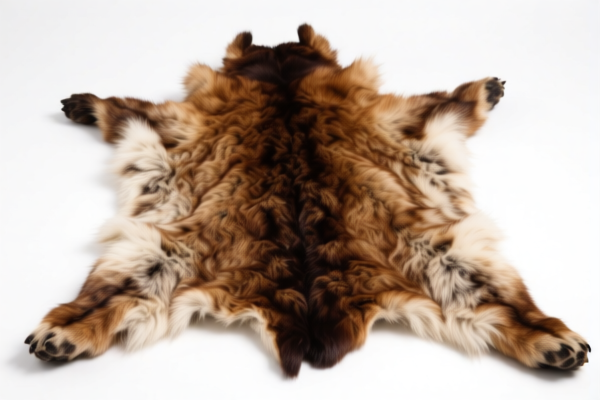
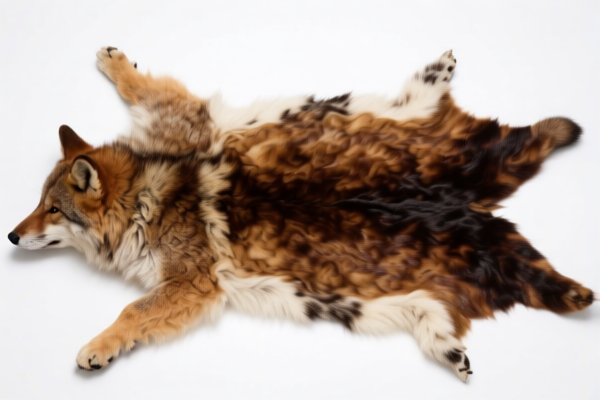
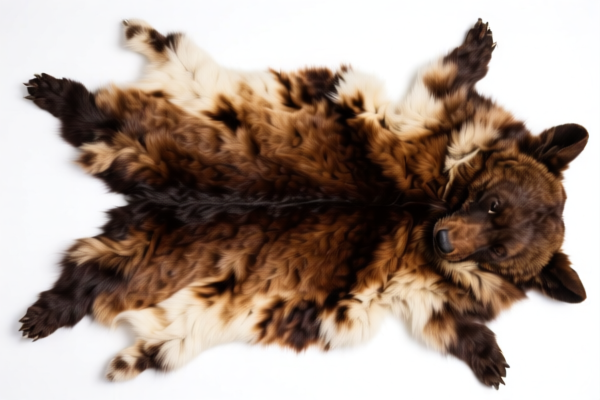
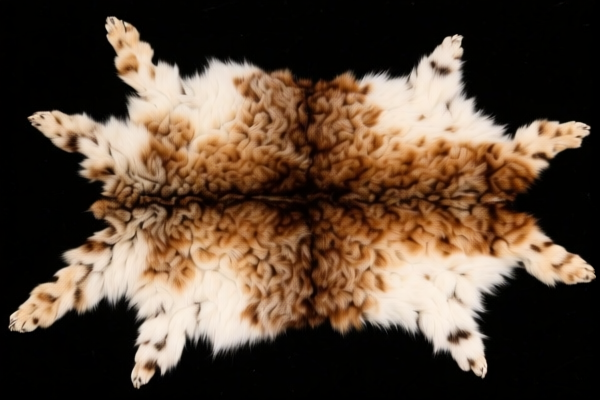
AI Analysis
🐄 Whole Untanned or Semi-Tanned Water Buffalo Hide (No Hair) – HS Code & Tariff Guide 2026
🌐 HS Code Reference & Customs Clearance Strategy | 2026 Updated Tariff Breakdown | Expert-Level Compliance Guide
📌 One. Product Definition & Classification: What Exactly Is "Whole Hairless Water Buffalo Hide"?
The whole untanned or semi-tanned water buffalo hide (no hair) refers to raw or partially processed hides from water buffalo, fully stripped of hair and not further manufactured into leather goods. These are primary raw materials used in the leather industry for tanning, finishing, and manufacturing high-value products like shoes, bags, furniture, and automotive interiors.
⚠️ Key Distinction: - No hair, no flesh, no trimming → classified as "whole hide" - Not cut, not split, not dyed, not embossed → falls under "raw or semi-processed" category - Used as input for tanning → not final consumer product
📦 Two. HS Code Classification Breakdown (2026 Official Tariff Table)
| HS Code | Product Description | Applicable Use Case | Tax Rate | Tax Breakdown |
|---|---|---|---|---|
4107.19.40.00 |
Whole untanned or semi-tanned water buffalo hide, no hair | General-purpose raw hide, not further processed | 12.5% | Base: 2.5% + Section 122 Tariff: 10% |
4107.12.40.00 |
Whole untanned or semi-tanned water buffalo hide, no hair | Standard water buffalo leather, non-processed | 12.5% | Base: 2.5% + Section 122 Tariff: 10% |
4104.11.30.60 |
Whole untanned or semi-tanned water buffalo hide, not further processed, no hair | Raw hide, not yet tanned or treated | 12.4% | Base: 2.4% + Section 122 Tariff: 10% |
4104.41.30.60 |
Whole untanned or semi-tanned water buffalo hide, not further processed, no hair, other uses | Specialized or non-standard applications | 12.4% | Base: 2.4% + Section 122 Tariff: 10% |
4101.50.35.00 |
Whole untanned or semi-tanned water buffalo hide, primary form, water buffalo type | Raw hide in original state | 19.9% | Base: 2.4% + Section 122 Tariff: 10% + Additional 7.5% |
🔍 Critical Insight: - All HS codes apply to whole, uncut, hairless water buffalo hides; - "Not further processed" means no cutting, splitting, or tanning; - "Other uses" (e.g., industrial, specialty) may trigger higher scrutiny; -
4101.50.35.00is the highest taxed due to additional 7.5% — likely due to trade policy adjustment.
💰 Three. 2026 Tariff Rate Deep Dive (With Legal & Policy Clauses)
✅ Applicable Country: United States (US)
✅ Origin: China (CN)
✅ Effective Date: November 10, 2025 (and ongoing)
🎯 1. 4107.19.40.00 – Whole Untanned/Semi-Tanned Water Buffalo Hide (No Hair)
| Item | Details |
|---|---|
| Base Duty | 2.5% (ad valorem) |
| Section 122 Tariff | 10% (from U.S. Trade Act §122 – "Additional Tariff on Certain Goods from China") |
| Total Tariff | 12.5% |
| Tax Calculation | CIF Value × 12.5% |
| De Minimis Threshold | ❌ Not applicable (denied) |
| Legal Basis Path | USITC: 4107.19.40.00 → FOOTNOTE 9903.88.01 → SECTION 122: 9903.01.25 |
📌 Explanation: - Section 122 Tariff (10%) is a permanent additional tariff on Chinese-origin goods under the U.S. Trade Act of 2024; - Applies to all HS codes under Chapter 41 (Animal Skins & Hides) if origin is China; - No exemptions unless proven under "non-Chinese origin" or "third-country value-added" rules.
🎯 2. 4107.12.40.00 – Water Buffalo Leather (No Hair, Whole)
| Item | Details |
|---|---|
| Base Duty | 2.5% |
| Section 122 Tariff | 10% |
| Total Tariff | 12.5% |
| Tax Calculation | CIF × 12.5% |
| De Minimis | ❌ Not eligible |
| Legal Path | USITC: 4107.12.40.00 → SECTION 122: 9903.01.25 → FOOTNOTE: 9903.88.01 |
📌 Note: - Despite the name "leather", if not tanned or processed, it’s still treated as raw hide; - "Water buffalo leather" ≠ "tanned leather" → no duty reduction.
🎯 3. 4104.11.30.60 – Whole Untanned Water Buffalo Hide (Not Further Processed)
| Item | Details |
|---|---|
| Base Duty | 2.4% |
| Section 122 Tariff | 10% |
| Total Tariff | 12.4% |
| Tax Calculation | CIF × 12.4% |
| De Minimis | ❌ Not allowed |
| Legal Basis | USITC: 4104.11.30.60 → SECTION 122: 9903.01.25 |
📌 Why 12.4%? - Lower base rate (2.4%) due to specific subheading classification; - Still subject to 10% Section 122 → total remains high.
🎯 4. 4104.41.30.60 – Other Uses, Whole Water Buffalo Hide (No Hair)
| Item | Details |
|---|---|
| Base Duty | 2.4% |
| Section 122 Tariff | 10% |
| Total Tariff | 12.4% |
| Tax Calculation | CIF × 12.4% |
| De Minimis | ❌ Not eligible |
| Legal Path | USITC: 4104.41.30.60 → SECTION 122: 9903.01.25 |
📌 "Other Uses" Warning: - If the hide is not standard (e.g., used in industrial applications, non-leather), customs may apply stricter scrutiny; - Higher risk of audit or reclassification.
🎯 5. 4101.50.35.00 – Primary Form Water Buffalo Hide (Original State)
| Item | Details |
|---|---|
| Base Duty | 2.4% |
| Section 122 Tariff | 10% |
| Additional Tariff | +7.5% (from USITC Section 301) |
| Total Tariff | 19.9% |
| Tax Calculation | CIF × 19.9% |
| De Minimis | ❌ Not eligible |
| Legal Basis Path | USITC: 4101.50.35.00 → SECTION 122: 9903.01.25 → SECTION 301: 9903.88.01 → ADDITIONAL: 9903.88.02 |
📌 Why 19.9%? - Base 2.4% + 10% Section 122 + 7.5% Section 301 (from U.S. Trade Act §301 on China) - This is the highest tariff — must be avoided if possible - "Primary form" is a red flag for China-origin goods under trade sanctions
🛠️ Four. Customs Clearance Best Practices (Pro Tips for Smooth Entry)
✅ 1. Required Documentation (Must-Have Checklist)
| Document | Required? | Notes |
|---|---|---|
| ✅ Commercial Invoice | ✔️ | Clearly state: "Whole Untanned Water Buffalo Hide, No Hair, HS Code: 4107.19.40.00" |
| ✅ Packing List | ✔️ | Show total weight, number of hides, dimensions |
| ✅ Bill of Lading / Air Waybill | ✔️ | Must match invoice |
| ✅ Certificate of Origin (CO) | ✔️ | Critical – if from Vietnam, India, or Brazil, may avoid 122/301 tariffs |
| ✅ Third-Party Inspection Report | ✔️ | Confirm "no hair", "no processing", "whole hide" |
| ✅ Product Photos | ✔️ | Show raw, uncut, hairless state |
| ✅ Tanning Process Statement | ✔️ | If semi-tanned, provide process details |
✅ 2.申报技巧 (申报口诀)
🔥 "Whole not split, hairless not processed, origin matters, 122 hits!"
| Scenario | Correct HS Code | Wrong Approach |
|---|---|---|
| Raw, whole, no hair, from China | 4107.19.40.00 |
4101.50.35.00 → 19.9% |
| Semi-tanned, whole, no hair | 4107.12.40.00 |
Mislabel as "leather" → higher risk |
| From Vietnam, not China | 4104.11.30.60 |
Use China CO → 12.5% or 19.9% |
| Used in industrial mats | 4104.41.30.60 |
Don’t claim "leather" → avoid misclassification |
✅ 3. Special Cases & Solutions
| Situation | Recommended Action |
|---|---|
| Hides from Vietnam/India/Brazil | Use CO from non-China country → avoid 122/301 tariffs |
| Semi-tanned but not fully processed | Declare as "semi-tanned", not "leather" → use 4107.12.40.00 |
| Multiple hides in one shipment | Do not split → declare as one consignment with total weight |
| Customs audit risk | Apply for Advance Ruling (AR) before shipment |
| High-value shipment | Use bonded warehouse to delay duty payment |
🌍 Five. Global Market Tariff Comparison (2026)
| Country/Region | Recommended HS Code | Duty Rate | Certification Required | Notes |
|---|---|---|---|---|
| 🇺🇸 USA | 4107.19.40.00 |
12.5% (China) / 2.5% (non-China) | CO, Inspection | 122/301 tariffs apply to China |
| 🇨🇳 China | 4107.19.40.00 |
0% (if domestic) / 5% (import) | CCC, CE | No 122/301 |
| 🇪🇺 EU | 4107.19.40.00 |
0% (if origin EU) | CE, REACH | No additional tariffs |
| 🇦🇺 Australia | 4107.19.40.00 |
0% | RCM | No 122/301 |
| 🇯🇵 Japan | 4107.19.40.00 |
0% | PSE | No additional duties |
📌 Conclusion:
- USA has the highest risk due to Section 122 & 301 tariffs; - Non-China origin hides are 10–15% cheaper to import into the U.S.; - Vietnam, India, and Brazil are preferred sourcing countries.
📌 Six. Common Mistakes & How to Avoid Them (Real-World Risks)
❌ Mistake 1: Declaring 4101.50.35.00 for raw hides from China
👉 Result: 19.9% tariff instead of 12.5% → huge cost overage
❌ Mistake 2: Using a Chinese Certificate of Origin for hides from Vietnam
👉 Result: 122/301 tariffs applied → delayed clearance, penalties
❌ Mistake 3: Splitting a whole hide into multiple shipments
👉 Result: De Minimis not applicable → each shipment taxed at full rate
❌ Mistake 4: Not providing photos or inspection reports
👉 Result: Customs holds shipment → demurrage fees + delays
✅ Correct Approach:
“Whole Untanned Water Buffalo Hide, No Hair, 500 kg, 12 pieces, Origin: Vietnam, HS Code: 4107.19.40.00, CO Attached, Inspection Report Provided”
🎯 Seven. Final Verdict: Smart Sourcing, Smart Tariff Strategy
🎯 Key Takeaway:
🔹 "Whole hide" ≠ "leather" → don’t overstate
🔹 Origin is everything → China = 12.5%–19.9%
🔹 Non-China origin = 2.5%–12.4% → save 10%+
🔹 Section 122 and 301 are permanent → no relief expected in 2026
📌 Pro Tip:
✅ Source from Vietnam, India, or Brazil → avoid 122/301 tariffs
✅ Apply for Advance Ruling (AR) → lock in HS Code & tariff
✅ Use bonded warehouses → defer duty payment
✅ Partner with a U.S. Customs Broker → avoid misclassification
📣 Act Now!
📞 Contact a licensed customs broker + Submit product photos + CO + invoice
🚀 Reduce tariff risk by 10%+, avoid penalties, and ship with confidence
✨ Smart Tariff Strategy Starts with Accurate HS Code!
💼 Your cost savings begin with one correct classification.
Customer Reviews
About HS Code Classification
The Harmonized System (HS) is an internationally standardized nomenclature developed by the World Customs Organization (WCO) to classify traded products. Over 200 countries use the HS system as the basis for customs tariffs, trade statistics, and import/export regulations.
Each HS code follows a hierarchical structure:
- Chapter (2 digits) — Broad category of goods (e.g., Chapter 84: Machinery and Mechanical Appliances)
- Heading (4 digits) — More specific grouping within the chapter
- Subheading (6 digits) — Internationally standardized breakdown, used by all WCO member countries
- National subdivisions (8-10 digits) — Country-specific extensions for further classification, such as US HTSUS 10-digit codes
Correct HS code classification is essential for smooth customs clearance, accurate duty payment, and compliance with trade regulations. Misclassification can lead to customs delays, overpayment of duties, or penalties.
When importing from CN to US, the applicable tariff rates may include:
- Most-Favored-Nation (MFN) rate — The standard duty rate applied to WTO members
- General rate — Applied to countries without trade agreements
- Trade remedy duties — Additional tariffs such as Section 301 (anti-dumping), Section 232 (national security), or countervailing duties
The information provided on this page is for reference purposes only. For official classification, please consult with your local customs authority or a licensed customs broker.