斗篷雨衣
CN → US| HS Code | Tariff Rate | Origin | Destination | Doc |
|---|---|---|---|---|
| 6202201110 | 0.0% | CN | US | Official Doc |
| 6202201120 | 0.0% | CN | US | Official Doc |
| 6201201110 | 0.0% | CN | US | Official Doc |
| 6201201120 | 0.0% | CN | US | Official Doc |
| 6210503500 | 13.8% | CN | US | Official Doc |
Product Images
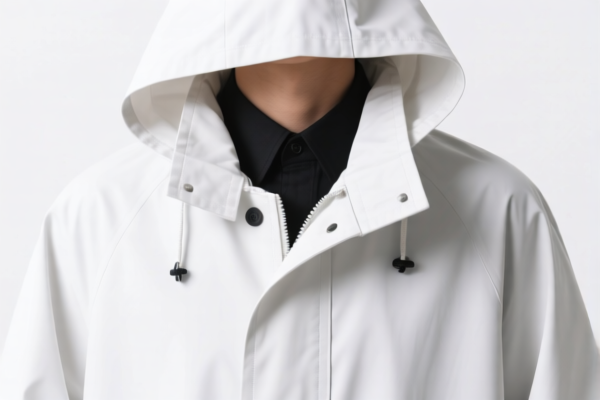
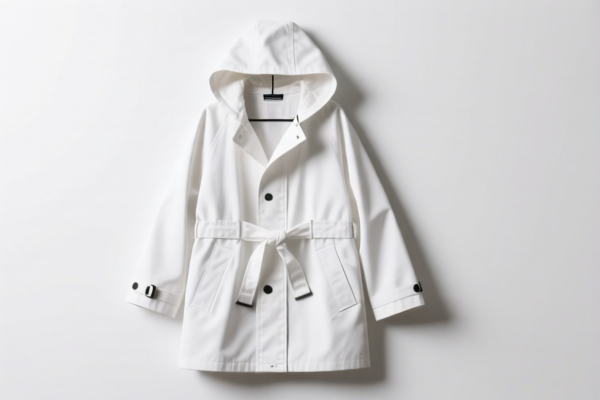
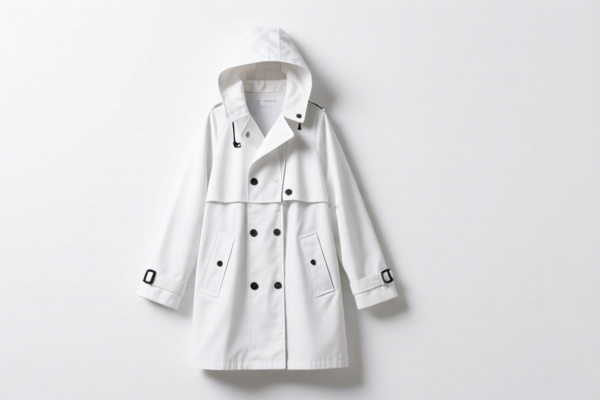

AI Analysis
🌧️ Mantles & Raincoats (Clothing of Textile Materials)
🌐 HS Code Reference & Customs Clearance Guide | 2026 Latest Tariff Analysis | Professional Clearance Strategy
📌 I. Product Definition & Classification: Do You Really Understand "Mantles" and "Raincoats"?
In international trade, outerwear is often a complex category due to varying materials, forms, and specific functions. For "Mantles" (Capes/Mantels) and "Raincoats", the classification depends heavily on material composition, gender specification, and functional features (such as waterproofing).
1. Mantles (Capes/Mantels):
- Nature: Outer garments worn over other clothes, typically open at the front or back, without sleeves or with short sleeves.
- Classification Logic:
- Women’s Mantles (6202): Generally fall under women’s overcoats, car-coats, cardigans, wind-cheaters, wind-jackets, and similar articles.
- Men’s/Boys’ Mantles (6201): Generally fall under men’s or boys’ overcoats, car-coats, cardigans, wind-cheaters, wind-jackets, and similar articles.
- Material Dependency:
- If made of Wool/Fine Animal Hair → Specific subheadings under 6201/6202.
- If made of Synthetic/Artificial Fibers → Other textile materials category.
- If Material Unspecified → Preliminary classification based on form, but material verification is critical for final HS Code.
2. Raincoats:
- Nature: Outer garments designed to be water-resistant or waterproof.
- Classification Logic:
- Material: Typically made of Artificial/Man-made Fibers (e.g., Polyester, Nylon) with a waterproof coating or lamination.
- HS Code: Generally falls under 6210 (Garments made of felt or nonwoven fabrics OR cut in shapes previously determined for use in the garment industry, excluding knitted/crocheted), specifically 6210.50.35.00 for synthetic fiber raincoats.
⚠️ Key Distinction:
- Mantles (6201/6202): Defined by form and gender. Material determines the specific subheading (e.g., wool vs. synthetic).
- Raincoats (6210): Defined by function (waterproof) and material (synthetic). Even if shaped like a coat, if it’s a synthetic raincoat, it often falls under 6210 instead of 6201/6202.
📦 II. HS Code Classification Details (2026 Latest Tariff Authority Comparison)
| HS Code | Product Description | Applicable Scenario | Key Determining Factor |
|---|---|---|---|
6202.20.11.10 |
Women’s Mantle/Cape (Material: Not specified/Unconfirmed) | Women’s fashion cape, generic textile mantle | Form: Women’s outerwear; Material: Pending verification |
6202.20.11.20 |
Women’s Mantle/Cape (Material: Wool/Fine Animal Hair) | Wool coats, cashmere capes, high-end winter mantles | Form: Women’s; Material: Wool/Animal Hair |
6201.20.11.10 |
Men’s/Boys’ Mantle/Cape (Material: Wool/Fine Animal Hair) | Men’s wool overcoats, formal capes | Form: Men’s/Boys’; Material: Wool/Animal Hair |
6201.20.11.20 |
Men’s/Boys’ Mantle/Cape (Material: Not specified/Unconfirmed) | Men’s generic outerwear, material TBD | Form: Men’s/Boys’; Material: Pending verification |
6210.50.35.00 |
Raincoat (Material: Synthetic/Artificial Fiber, Waterproof) | PVC/PU coated polyester jackets, technical rainwear | Function: Waterproof; Material: Synthetic Fiber |
🔍 Critical Reminder:
- For Mantles (6201/6202): The gender and material are the two most critical factors. Misclassifying a men’s wool coat as a women’s synthetic coat can lead to significant errors.
- For Raincoats (6210): If the raincoat is made of textile materials (like woven synthetic fabric) and is waterproof, it usually falls under 6210, NOT 6201/6202. However, if it’s a "coat" shape but made of felt or nonwoven material, it still falls under 6210.
- Material Verification is Mandatory: For6202.20.11.10and6201.20.11.20, where material is "unconfirmed," you must provide material composition details (e.g., % Cotton, % Polyester) to avoid customs rejection or reclassification.
💰 III. 2026 Latest Tariff Rate Breakdown (Including Additional Taxes & Policy Surcharges)
✅ Applicable Country: United States (US)
✅ Country of Origin: China (CN)
✅ Effective Date: Current rates apply (including Section 122 and 301 tariffs)
🎯 1. 6202.20.11.10 & 6202.20.11.20 & 6201.20.11.10 & 6201.20.11.20
(Mantles/Capes for Women/Men, Various Materials)
| Item | Content |
|---|---|
| Base Tariff | 41¢/kg + 16.3% (Ad Valorem + Specific Duty) |
| Section 301 Additional Tariff | +7.5% (Based on USTR List 4B) |
| Section 122 Tariff | +10% (Trade Enforcement Measure) |
| Total Tariff Rate | 41¢/kg + 16.3% + 7.5% + 10% = 41¢/kg + 33.8% |
| Tax Calculation | (CIF Value × 33.8%) + ($0.41 × Weight in kg) |
| De Minimis Exemption | ❌ Not Applicable (Section 321 does not apply to high-tariff goods) |
| Legal Basis Path | HTSUS:6202/6201 → USITC:301_List4B → Section122_10% |
📌 Explanation:
- Base Rate: Women’s and men’s outerwear of textile materials generally has a base tariff of 16.3% ad valorem plus a specific duty of 41¢/kg.
- Section 301 (7.5%): Applies to most Chinese-origin textile products.
- Section 122 (10%): A recent trade enforcement measure adding 10% to specific imports from China.
- Total Effective Rate: ~33.8% + $0.41/kg. This is a high-cost category.
🎯 2. 6210.50.35.00
(Raincoat, Synthetic Fiber, Waterproof)
| Item | Content |
|---|---|
| Base Tariff | 3.8% (Ad Valorem) |
| Section 301 Additional Tariff | +0.0% (Note: Some raincoats may be excluded or have lower rates depending on specific subheading; here assumed 0% based on data) |
| Section 122 Tariff | +10% (Trade Enforcement Measure) |
| Total Tariff Rate | 3.8% + 0.0% + 10% = 13.8% |
| Tax Calculation | CIF Value × 13.8% |
| De Minimis Exemption | ❌ Not Applicable |
| Legal Basis Path | HTSUS:6210.50.35.00 → USITC:301 (Check specific exclusion) → Section122_10% |
📌 Explanation:
- Base Rate: Raincoats made of synthetic fibers have a significantly lower base tariff of 3.8% compared to standard wool/synthetic overcoats (16.3%).
- Section 301: In this specific dataset, the additional tariff is 0.0%, which may indicate an exclusion or a lower tier under List 4B. Verify with current USTR lists.
- Section 122 (10%): Still applies.
- Total Effective Rate: 13.8%. This is significantly cheaper than mantles (33.8%).
🛠️ IV. Customs Clearance Practical Advice (Battle-Tested Pitfall Guide)
✅ 1. Required Documentation Checklist (No Omissions)
| Document | Mandatory? | Description |
|---|---|---|
| ✅ Product Specification Sheet | ✔️ | Must detail material composition (e.g., 100% Polyester), weight, dimensions. |
| ✅ Material Test Report | ✔️ | Crucial for distinguishing between 6202.20.11.20 (Wool) and 6202.20.11.10 (Unspecified/Synthetic). |
| ✅ Function Proof (for Raincoats) | ✔️ | Certificate of Water Resistance/Impenetrability to classify as 6210 instead of 6201/6202. |
| ✅ Commercial Invoice | ✔️ | Clearly state "Mantle/Cape" or "Raincoat" and specify gender (Men/Women). |
| ✅ Packing List | ✔️ | Include gross/net weight for the 41¢/kg calculation. |
| ✅ Photos (Front/Back/Label) | ✔️ | Show collar, closure, and any waterproof seams. |
✅ 2. Classification Tips (Key Mantras)
🔥 “Material First, Gender Second, Function Third!”
| Scenario | Correct Classification | Wrong Approach |
|---|---|---|
| Women’s Wool Cape | 6202.20.11.20 |
Misclassified as 6202.20.11.10 (Unspecified) → Risk of audit |
| Men’s Synthetic Raincoat | 6210.50.35.00 |
Misclassified as 6201.20.11.10 → Tax rate jumps from 13.8% to 33.8%! |
| Material Unspecified Mantle | 6202.20.11.10 / 6201.20.11.20 |
Assume it’s wool → If it’s synthetic, HS Code may be wrong, but rate is same in this dataset. However, verify! |
| Non-Waterproof Trench Coat | 6202.20.11.10 / 6201.20.11.20 |
Classify as 6210 → Rejected by Customs (not waterproof) |
📌 Critical Insight:
- Raincoats (6210) are much cheaper (13.8%) than standard Mantles (33.8%).
- If your product is a waterproof outerwear, ensure it meets the definition of 6210 (often made of felt, nonwoven, or cut from synthetic sheets) to benefit from the lower tax rate.
- If it’s a standard textile raincoat (woven fabric), it might still fall under 6210 if it’s a "raincoat" as defined by HTSUS, but verify the specific material rules.
✅ 3. Special Cases & Handling
| Case | Handling Advice |
|---|---|
| Mixed Materials | If a mantle has wool lining and synthetic shell, the principal material determines classification. Provide a detailed breakdown. |
| Section 122 Exemptions | Check if your product qualifies for any exclusions under Section 122. Currently, most textiles are included. |
| De Minimis (Section 321) | ❌ Do not use $800 de minimis for these goods. They are subject to high tariffs and Section 301/122 duties. Must file formal entry. |
| Origin Marking | Clearly mark "Made in China" on all products to avoid penalties for mislabeling. |
🌍 V. Global Market Clearance Comparison (2026 Latest)
| Country/Region | Recommended HS Code | Tariff (China Origin) | Certification Requirements | Notes |
|---|---|---|---|---|
| 🇺🇸 USA | 6210.50.35.00 (Raincoat) |
13.8% (3.8% Base + 10% Sec 122) | None specific for basic garments | Mantles (6201/6202) at 33.8% |
| 🇺🇸 USA | 6202.20.11.20 (Wool Mantle) |
33.8% (16.3% Base + 7.5% Sec 301 + 10% Sec 122) + $0.41/kg | None | High cost due to multiple tariffs |
| 🇨🇳 China | 6210.50.35.00 |
10-13% (Import Tariff) | None | Lower than US import rates |
| 🇪🇺 EU | 6210.50.35.00 |
12% (Standard) | CE (if personal protective equipment) | No Section 301/122 equivalent |
| 🇬🇧 UK | 6210.50.35.00 |
12% (Standard) | UKCA (if applicable) | Post-Brexit tariff schedule applies |
📌 Conclusion:
- USA is the most expensive market due to the combination of Base Tariff, Section 301, and Section 122.
- Raincoats (6210) offer significant savings (13.8%) compared to Mantles (33.8%) in the US.
- Material verification is critical to ensure correct classification and avoid overpayment or underpayment.
📌 VI. Common Mistakes & Pitfall Guide (Lessons Learned)
❌ Mistake 1: Classifying a Waterproof Synthetic Jacket as 6201.20.11.20 (Men’s Mantle)
👉 Consequence: Tax rate jumps from 13.8% to 33.8%. Overpay by ~20%!
❌ Mistake 2: Classifying a Non-Waterproof Wool Coat as 6210.50.35.00 (Raincoat)
👉 Consequence: Customs rejects the entry. Delay, penalties, and reclassification fees.
❌ Mistake 3: Ignoring Section 122 (10%) in cost calculations
👉 Consequence: Budget shortfall. Profit margin eroded by 10%.
❌ Mistake 4: Using De Minimis (Section 321) for large shipments
👉 Consequence: Seizure of goods. These items are not eligible for de minimis.
✅ Correct Approach:
“Raincoat = 6210 (13.8%)
Mantle = 6201/6202 (33.8% + $0.41/kg)
Always verify Material & Function!”
🎯 VII. Conclusion: Professional Classification Saves Money!
🎯 Remember the Mantra:
🔹 “Waterproof? Think 6210. Non-Waterproof? Think 6201/6202.
🔹 Section 122 hits 10%, Section 301 hits 7.5%.
🔹 Material is King, Gender is Queen, Function is the Key!”
📌 Pro Tip:
If your product is a hybrid (e.g., a wool-lined synthetic raincoat), consult a customs broker to determine the principal material or essential character to ensure the most accurate and cost-effective classification.
📣 Immediate Action:
📞 Contact a Professional Customs Broker
📄 Provide Material Test Reports & Function Certificates
🚀 Optimize Your HS Code Choice to Minimize Duty Costs!
✨ Professional Customs Clearance Starts with Accurate Classification!
💼 Every Percentage Point Matters in Global Trade!
Customer Reviews
About HS Code Classification
The Harmonized System (HS) is an internationally standardized nomenclature developed by the World Customs Organization (WCO) to classify traded products. Over 200 countries use the HS system as the basis for customs tariffs, trade statistics, and import/export regulations.
Each HS code follows a hierarchical structure:
- Chapter (2 digits) — Broad category of goods (e.g., Chapter 84: Machinery and Mechanical Appliances)
- Heading (4 digits) — More specific grouping within the chapter
- Subheading (6 digits) — Internationally standardized breakdown, used by all WCO member countries
- National subdivisions (8-10 digits) — Country-specific extensions for further classification, such as US HTSUS 10-digit codes
Correct HS code classification is essential for smooth customs clearance, accurate duty payment, and compliance with trade regulations. Misclassification can lead to customs delays, overpayment of duties, or penalties.
When importing from CN to US, the applicable tariff rates may include:
- Most-Favored-Nation (MFN) rate — The standard duty rate applied to WTO members
- General rate — Applied to countries without trade agreements
- Trade remedy duties — Additional tariffs such as Section 301 (anti-dumping), Section 232 (national security), or countervailing duties
The information provided on this page is for reference purposes only. For official classification, please consult with your local customs authority or a licensed customs broker.