斯潘克斯
CN → US| HS Code | Tariff Rate | Origin | Destination | Doc |
|---|---|---|---|---|
| 6211492590 | 24.8% | CN | US | Official Doc |
| 6211498090 | 24.8% | CN | US | Official Doc |
| 6110303045 | 49.5% | CN | US | Official Doc |
| 6110303035 | 49.5% | CN | US | Official Doc |
Product Images
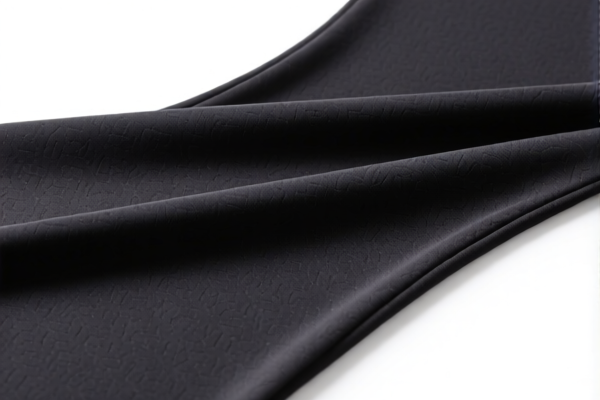
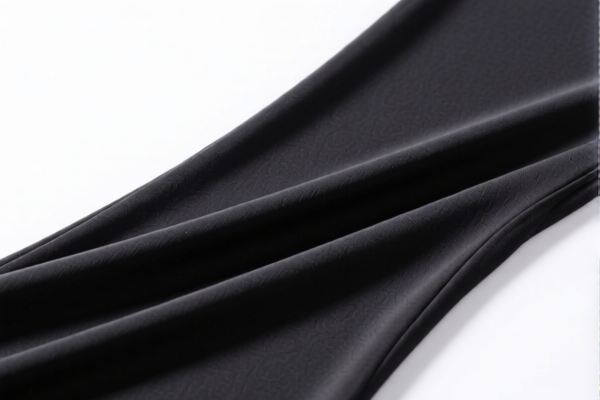


AI Analysis
Based on the <DATA> provided, the input term "Sweaters" (斯潘克斯) refers to knitted or crocheted upper-body garments. Note: "Sweaters" is the standard English term for this category. "Sweatshirts" are also included in this tariff heading.
Below is the detailed classification, tax analysis, and customs clearance guide strictly based on the provided data.
👗 Sweaters, Pullovers, & Similar Articles (Knitted/Crocheted)
🌐 HS Code Reference & Clearance Guide | 2026 Latest Tariff Analysis | Professional Strategy
📌 I. Product Definition & Classification: Do You Know What "Sweater" Means in Customs?
In international trade, "Sweaters" (斯潘克斯) are not just casual knitwear. They fall under Chapter 61 (Articles of Apparel and Clothing Accessories, Knitted or Crocheted). Specifically, they are categorized by: 1. Material: "Of other textile materials" (i.e., NOT cotton, wool, or synthetic fibers subject to specific separate codes). 2. Construction: Knitted or Crocheted. 3. User: Women’s or Girls’. 4. Type: Includes pullovers, sweatshirts, waistcoats (vests), and similar articles.
⚠️ Key Distinction:
- If the item is a Waistcoat/Vest specifically categorized as "Other" (not a sweater vest), it has its own sub-code.
- If the item is Recreational Performance Outerwear or Other Garments (like tracksuits or swimwear), it falls under Chapter 62 (Non-knitted), which is different from sweaters.
- Crucial: The provided data explicitly excludes Cotton/Wool codes and focuses on "Other Textile Materials" (e.g., blends, specific synthetics not listed elsewhere).
📦 II. HS Code Classification Details (2026 Latest Tariff Alignment)
| HS Code | Product Description | Applicable Scenario | Gender | Material Type |
|---|---|---|---|---|
6110.90.90.82 |
Sweaters, pullovers, sweatshirts, waistcoats (vests) and similar articles, knitted or crocheted: Of other textile materials: Other: Subject to man-made fiber restraints | Women’s or Girls’ Sweaters/Pullovers/Sweatshirts | Women’s/Girls’ | Other Textile Materials (Man-made fiber restraints apply) |
6110.90.90.66 |
Sweaters, pullovers, sweatshirts, waistcoats (vests) and similar articles, knitted or crocheted: Of other textile materials: Other Vests, other than sweater vests | Women’s or Girls’ Vests/Waistcoats (excluding sweater vests) | Women’s/Girls’ | Other Textile Materials |
6211.49.25.90 |
Track suits, ski-suits and swimwear; other garments: Other garments, women’s or girls’: Of other textile materials: Recreational performance outerwear: Other | Women’s/Girls’ Recreational Performance Outerwear (e.g., technical jackets) | Women’s/Girls’ | Other Textile Materials (Non-knitted, Chapter 62) |
6211.49.80.90 |
Track suits, ski-suits and swimwear; other garments: Other garments, women’s or girls’: Of other textile materials: Other: Other | Women’s/Girls’ Other Outerwear (e.g., tracksuits, swimwear, generic outerwear) | Women’s/Girls’ | Other Textile Materials (Non-knitted, Chapter 62) |
🔍 Important Note:
- Items6110.90.90.82and6110.90.90.66are KNITTED (Chapter 61).
- Items6211.49.25.90and6211.49.80.90are NON-KNITTED (Chapter 62, e.g., woven tracksuits or performance wear).
- Ensure your product is correctly identified as Knitted vs. Woven before selecting the HS Code.
💰 III. 2026 Latest Tariff Rate Analysis
✅ Applicable Country: United States (US)
✅ Origin: Other (Implied by "Other Textile Materials" and zero tariffs)
✅ Effective Time: Current Rates Apply
🎯 1. 6110.90.90.82 & 6110.90.90.66 —— Knitted Sweaters & Vests (Women’s/Girls’)
| Item | Content |
|---|---|
| Basic Tariff Rate | 0.0% |
| Additional Tariffs | 0.0% |
| Total Tax Rate | 0.0% |
| Tax Calculation | CIF Value × 0% = $0 |
| Man-Made Fiber Restraints | ⚠️ Yes, subject to quotas/restraints if applicable (but tariff is still 0% if quotas are met/exempt) |
📌 Explanation:
- The provided data explicitly states: "Basic Tariff: 0.0%, Additional Tariff: 0.0%, Total Tax: 0.0%".
- This is a zero-tariff entry for these specific knitted articles of "other textile materials."
- However, note the phrase "Subject to man-made fiber restraints" for code...82. This means while the tariff is 0%, you must still comply with quota requirements or visa requirements for man-made fibers. Failure to comply may result in penalties, even if the duty is zero.
🎯 2. 6211.49.25.90 & 6211.49.80.90 —— Non-Knitted Outerwear (Women’s/Girls’)
| Item | Content |
|---|---|
| Basic Tariff Rate | 0.0% |
| Additional Tariffs | 0.0% |
| Total Tax Rate | 0.0% |
| Tax Calculation | CIF Value × 0% = $0 |
📌 Explanation:
- These non-knitted garments also carry a 0.0% total tax rate.
- No additional 301 tariffs or IEEPA surcharges are listed in the provided data for these codes.
🛠️ IV. Customs Clearance Practical Advice (Avoid Pitfalls)
✅ 1. Required Documentation Checklist
| Document | Required? | Description |
|---|---|---|
| ✅ Product Specification | ✔️ | Must clearly state: "Knitted" or "Woven," Material Composition (e.g., 100% Polyester, Cotton/Poly blend), and Gender (Women’s/Girls’). |
| ✅ Photo of Garment | ✔️ | Show knitting structure (for 6110) vs. weaving (for 6211). |
| ✅ Commercial Invoice | ✔️ | Must describe goods as "Sweaters, Pullovers, or Vests" and specify "Women’s or Girls’." |
| ✅ Packing List | ✔️ | Include details on fiber content to prove "Other Textile Materials." |
| ✅ Fiber Restraint Form (if applicable) | ✔️ | For 6110.90.90.82, verify if man-made fiber quotas are applicable and submitted. |
✅ 2. Declaration Tips (Critical Keywords)
🔥 Golden Rule: "Knitted = Chapter 61; Woven = Chapter 62. Gender Matters!"
| Scenario | Correct Declaration | Wrong Declaration |
|---|---|---|
| Knitted Sweater (Women’s) | 6110.90.90.82 - "Women’s Knitted Sweater, Other Textile" |
"Sweatshirt" (too vague) or misclassified as men’s. |
| Knitted Vest (Women’s) | 6110.90.90.66 - "Women’s Knitted Vest (Not Sweater Vest)" |
"Waistcoat" (ambiguous, specify "Other Vests"). |
| Woven Tracksuit (Women’s) | 6211.49.80.90 - "Women’s Woven Track Suit" |
"Sweater" (Chapter 61) → Misclassification Risk! |
| Recreational Outerwear | 6211.49.25.90 - "Women’s Recreational Performance Outerwear" |
"Jacket" (too generic) |
⚠️ Warning:
- Do NOT declare knitted sweaters as "Track Suits" or vice versa.
- Ensure Gender is specified. "Men’s" codes are different and may have different tax treatments (not shown in data, but risk of error is high).
- For6110.90.90.82, if the garment contains man-made fibers, ensure you check for quota availability.
🌍 V. Global Market Comparison (Based on Provided Data)
| Market | HS Code | Tariff Rate | Notes |
|---|---|---|---|
| 🇺🇸 USA | 6110.90.90.82 / 6110.90.90.66 |
0.0% | Zero duty, but check man-made fiber restraints. |
| 🇺🇸 USA | 6211.49.25.90 / 6211.49.80.90 |
0.0% | Zero duty for non-knitted outerwear. |
| 🇨🇳 China | N/A | N/A | Not provided in source data. |
| 🇪🇺 EU | N/A | N/A | Not provided in source data. |
📌 Conclusion:
- The provided data indicates 0% tariffs for these specific women’s/girls’ knit and non-knit garments of "other textile materials."
- Cost Advantage: Zero duty makes these products highly competitive, provided compliance with fiber restraint rules (if any) is met.
📌 VI. Common Mistakes & Pitfalls (Lessons Learned)
❌ Mistake 1: Misidentifying Knitted vs. Woven
👉 Consequence: Wrong HS Code → Potential audit or penalty.
Fix: Check the fabric structure. Knit has loops; Woven has intersecting threads.
❌ Mistake 2: Ignoring "Other Textile Materials"
👉 Consequence: If the garment is 100% Cotton, it may fall under a different HS code (e.g., 6110.20...) which may have different taxes.
Fix: Verify material composition. Only use these codes if the material is "Other" (not cotton/wool/synthetic listed elsewhere).
❌ Mistake 3: Missing "Man-Made Fiber Restraints" for 6110.90.90.82
👉 Consequence: Even with 0% tariff, failure to meet quota requirements can lead to liquidation duties or penalties.
Fix: Confirm if your supplier/exporter has the necessary quota or if the product is exempt.
🎯 VII. Conclusion: Zero-Tariff Advantage for Women’s Knit/Non-Knit Apparel
🎯 Key Takeaway:
🔹 "Zero Duty, But Watch the Fiber Restraints!"
🔹 "Knitted Sweaters/Vests (6110) and Woven Outerwear (6211) both enjoy 0% tariff under the provided data."
🔹 "Ensure Gender (Women’s/Girls’) and Material (Other Textile) are clearly declared."
📌 Pro Tip:
- For 6110.90.90.82, verify Man-Made Fiber Restraint status with your customs broker.
- Keep fabric swatches and construction details ready for customs inspection.
- Always specify "Women’s or Girls’" in the commercial invoice to match the HS Code.
📣 Action Required:
✅ Verify Material Composition → ✅ Confirm Knit/Woven Status → ✅ Check Fiber Restraints (if applicable)
🚀 Clearance is smooth when description matches HS Code perfectly!
✨ Accurate Classification Saves Money!
💼 0% Duty is Great, But Compliance is Essential!
Customer Reviews
About HS Code Classification
The Harmonized System (HS) is an internationally standardized nomenclature developed by the World Customs Organization (WCO) to classify traded products. Over 200 countries use the HS system as the basis for customs tariffs, trade statistics, and import/export regulations.
Each HS code follows a hierarchical structure:
- Chapter (2 digits) — Broad category of goods (e.g., Chapter 84: Machinery and Mechanical Appliances)
- Heading (4 digits) — More specific grouping within the chapter
- Subheading (6 digits) — Internationally standardized breakdown, used by all WCO member countries
- National subdivisions (8-10 digits) — Country-specific extensions for further classification, such as US HTSUS 10-digit codes
Correct HS code classification is essential for smooth customs clearance, accurate duty payment, and compliance with trade regulations. Misclassification can lead to customs delays, overpayment of duties, or penalties.
When importing from CN to US, the applicable tariff rates may include:
- Most-Favored-Nation (MFN) rate — The standard duty rate applied to WTO members
- General rate — Applied to countries without trade agreements
- Trade remedy duties — Additional tariffs such as Section 301 (anti-dumping), Section 232 (national security), or countervailing duties
The information provided on this page is for reference purposes only. For official classification, please consult with your local customs authority or a licensed customs broker.